H.R. 8099: Plug Offshore Wells Act
This bill, known as the Plug Offshore Wells Act, aims to establish a systematic reporting framework regarding the decommissioning of offshore oil and gas wells, platforms, and pipelines. The key provisions of the bill can be summarized as follows:
Annual Reporting Requirement
The bill mandates that the Secretary of the Interior must submit an annual report to Congress, starting two years after the bill is enacted. This report will also be made publicly available on the Department of the Interior's website. The report must cover the following points for the preceding calendar year:
- The total number of applications submitted for the decommissioning of offshore oil and gas wells, platforms, or pipelines.
- The number of these applications that were received by the Secretary.
- The number of offshore facilities where decommissioning did not happen by the required date.
- The number of offshore wells and platforms that were approved to be decommissioned in place.
- The length of pipelines that were decommissioned in place as well as those that were removed.
- The status of enforcement actions related to decommissioning, including incidents of noncompliance and penalties imposed by the Bureau of Safety and Environmental Enforcement.
Definitions
To clarify terms used in the bill, it defines:
- Decommissioning: This term is defined in accordance with specified federal regulations.
- Secretary: This refers to the Secretary of the Interior, the official responsible for implementing the provisions of this Act.
Focus on Compliance and Enforcement
The bill emphasizes the importance of compliance with decommissioning regulations. It requires reporting on noncompliance incidents, which could include citations and penalties. This aspect aims to ensure that offshore operations adhere to safety and environmental standards during the decommissioning process.
Transparency and Public Access
The annual reports must be made available to the public, enhancing transparency regarding decommissioning activities and the status of offshore oil and gas operations.
Purpose
The overarching purpose of the Plug Offshore Wells Act is to improve oversight and accountability concerning the decommissioning of offshore oil and gas facilities. By requiring detailed annual reports, the bill seeks to ensure that the decommissioning process is properly managed, monitored, and made known to the public and relevant authorities.
Relevant Companies
- XOM (Exxon Mobil Corporation): As a major player in offshore oil and gas extraction, this company might be directly impacted by the reporting and compliance requirements if it has facilities that require decommissioning.
- CVX (Chevron Corporation): Similar to Exxon, Chevron operates offshore platforms and could face increased scrutiny and regulatory compliance related to decommissioning activities.
- HP (Helmerich & Payne, Inc.): This company provides offshore drilling services, and its operations may be impacted by the new decommissioning reporting requirements.
This is an AI-generated summary of the bill text. There may be mistakes.
Sponsors
11 bill sponsors
-
TrackMaxine Dexter

Sponsor
-
TrackSuzanne Bonamici

Co-Sponsor
-
TrackJulia Brownley
Co-Sponsor
-
TrackDebbie Dingell

Co-Sponsor
-
TrackPablo Hernández

Co-Sponsor
-
TrackJared Huffman

Co-Sponsor
-
TrackTimothy M. Kennedy
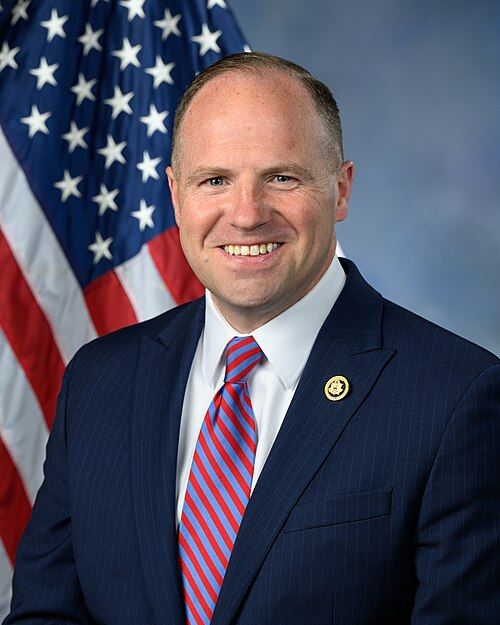
Co-Sponsor
-
TrackMike Levin

Co-Sponsor
-
TrackDave Min

Co-Sponsor
-
TrackKevin Mullin
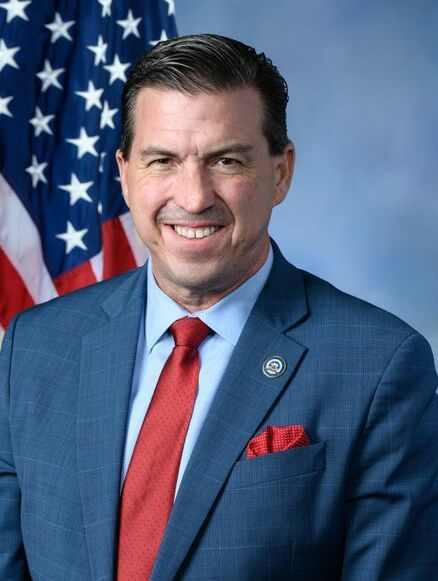
Co-Sponsor
-
TrackEleanor Holmes Norton

Co-Sponsor
Actions
2 actions
| Date | Action |
|---|---|
| Mar. 26, 2026 | Introduced in House |
| Mar. 26, 2026 | Referred to the House Committee on Natural Resources. |
Corporate Lobbying
0 companies lobbying
None found.
* Note that there can be significant delays in lobbying disclosures, and our data may be incomplete.