
H.R. 8096: Duplication Scoring Act of 2026
This bill, known as the Duplication Scoring Act of 2026, aims to improve how the U.S. government assesses proposed legislation in relation to existing federal programs and initiatives. Here’s a summary of its main points:
Purpose of the Bill
The primary goal of the bill is to require the Comptroller General of the United States to analyze certain pieces of legislation, referred to as "covered bills or joint resolutions," to identify any risks of duplication or overlap with existing federal programs, offices, or initiatives.
Definitions
- Covered Bill or Joint Resolution: A bill or resolution reported by any committee in Congress that addresses public matters.
- Existing Duplicative or Overlapping Feature: Any part of the federal government already identified in previous Government Accountability Office (GAO) reports as redundant or conflicting.
- New Duplicative or Overlapping Feature: A new program, office, or initiative created by a covered bill that would duplicate or overlap with existing features noted in prior GAO reports.
Responsibilities of the Comptroller General
For each covered bill or joint resolution, the Comptroller General must:
- Evaluate whether the proposed legislation risks creating new duplicates or overlaps.
- If a risk is found, identify the new program and the relevant section of the bill where this overlap occurs.
- Report this information to the Director of the Congressional Budget Office (CBO) and the committee that reviewed the bill.
- Make this information publicly available on the GAO’s website.
Role of the Congressional Budget Office (CBO)
The CBO Director can include the information provided by the Comptroller General as a supplement to the financial estimates for the bill. If this information is not submitted in time, the CBO can still prepare and submit it after the Comptroller General provides the analysis.
Effective Date
The provisions of this bill will take effect either:
- 60 days after the CBO's Director updates some required information on their website, or
- On the first day of the new Congress after a year has passed since the enactment of the bill.
Overall Impact
The aim is to enhance oversight in the legislative process by preventing the federal government from inadvertently funding programs that are already being addressed, thus ensuring more efficient use of government resources.
Relevant Companies
None found.This is an AI-generated summary of the bill text. There may be mistakes.
Sponsors
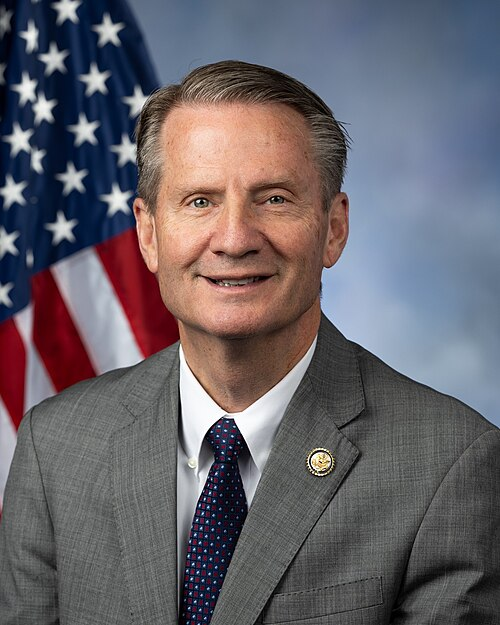
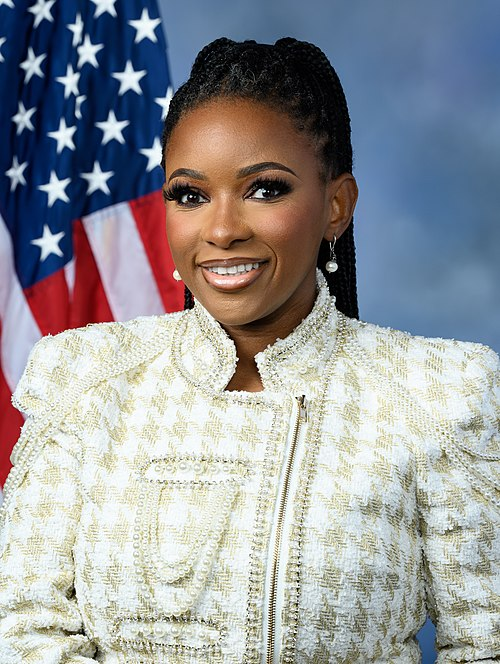
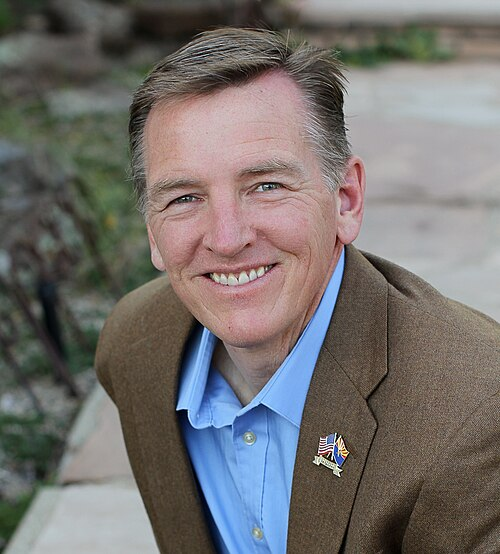
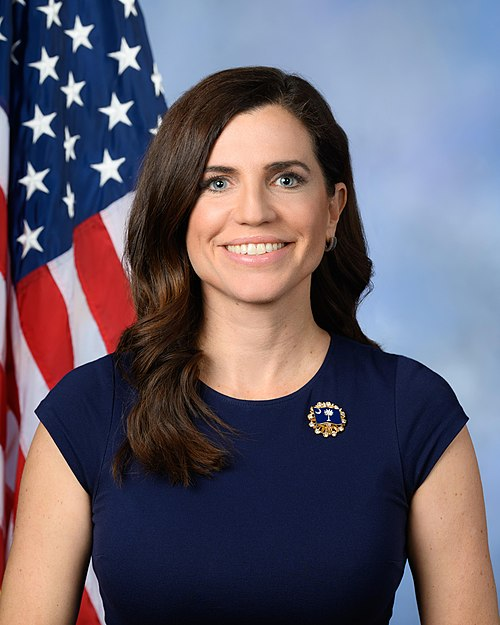
5 bill sponsors
Actions
4 actions
| Date | Action |
|---|---|
| May. 20, 2026 | Committee Consideration and Mark-up Session Held |
| May. 20, 2026 | Ordered to be Reported (Amended) by the Yeas and Nays: 39 - 1. |
| Mar. 26, 2026 | Introduced in House |
| Mar. 26, 2026 | Referred to the Committee on Oversight and Government Reform, and in addition to the Committees on the Budget, and Rules, for a period to be subsequently determined by the Speaker, in each case for consideration of such provisions as fall within the jurisdiction of the committee concerned. |
Corporate Lobbying
0 companies lobbying
None found.
* Note that there can be significant delays in lobbying disclosures, and our data may be incomplete.
Potentially Relevant Congressional Stock Trades
No relevant congressional stock trades found.