
H.R. 8085: Ultra-Millionaire Tax Act of 2026
This document outlines a proposed piece of legislation known as the Ultra-Millionaire Tax Act of 2026. Here’s a summary of its key components:
Wealth Tax Imposition
The bill introduces a tax on the net value of assets owned by individuals with a net worth of over $50 million. The tax would be imposed annually, calculated based on the value of taxable assets as of December 31 of each year.
Tax Brackets
The tax rate is tiered:
- For net asset values up to $50 million, the tax rate is 0% (no tax).
- For net asset values exceeding $50 million but below $1 billion, a tax of 2% would be applied.
- For net asset values over $1 billion, a rate of 3% would apply, with a potential increase to 6% during years when specific healthcare legislation is enacted that provides comprehensive health coverage for all U.S. residents.
Definitions and Exclusions
The bill defines 'taxable assets' as all forms of property, both tangible and intangible, valued on the date of assessment, minus any debts owed on them. Exclusions apply to certain lower-value personal items valued at $50,000 or less and specific business-related assets.
Nongrantor Multibeneficiary Trusts
The act specifies how taxes would be assessed for multi-beneficiary trusts, regarding thresholds and tax calculation for trust assets held for multiple individuals.
Reporting Requirements
Taxpayers will be required to report their net asset values in a format established by the Secretary of the Treasury. This reporting may involve existing tax return requirements and could include estimates from businesses about the value of their assets.
Enforcement
The IRS is mandated to audit at least 30% of taxpayers subject to this new tax each year to ensure compliance. New penalties for underreporting asset values are also introduced, focusing on substantial misstatements.
Liquidity Provisions
Taxpayers facing liquidity issues due to this new tax may be allowed an extension of up to five years to pay their owed taxes if immediate payment would create undue hardship.
Funding and Implementation
The legislation calls for the appropriation of significant funds for necessary administrative and enforcement activities linked to the new tax, including $70 billion for enforcement, $10 billion for taxpayer services, and $20 billion for modernization of tax systems.
Timing and Reporting
The tax is set to take effect for calendar years starting after December 31, 2026. Regular reports will be required on tax enforcement and administration from the Treasury Secretary to Congress every two years starting in 2029.
Related Guidelines
Additional regulations may be established to prevent tax avoidance by relocating assets to foreign entities. A comprehensive enforcement plan will also be developed for the Foreign Account Tax Compliance Act (FATCA).
Relevant Companies
None found
This is an AI-generated summary of the bill text. There may be mistakes.
Sponsors
50 bill sponsors
-
TrackPramila Jayapal
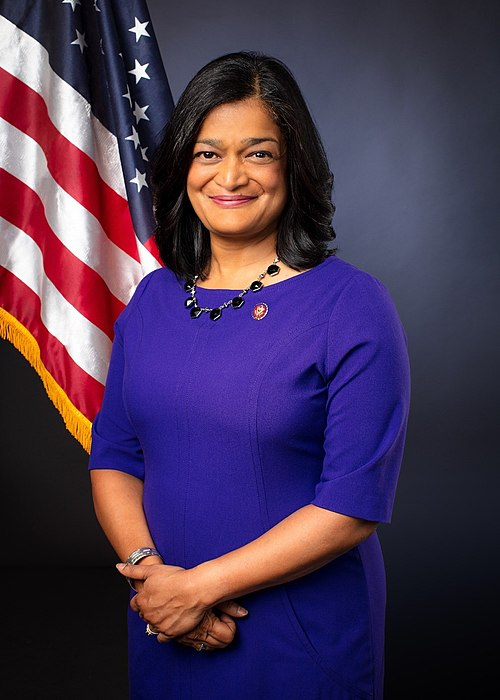
Sponsor
-
TrackYassamin Ansari
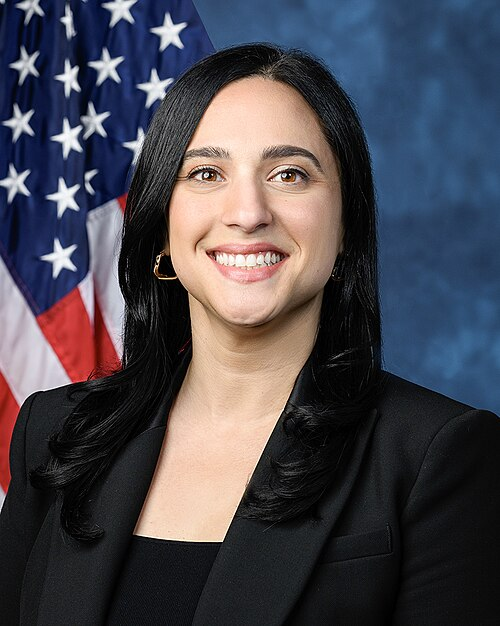
Co-Sponsor
-
TrackDonald S. Beyer, Jr.
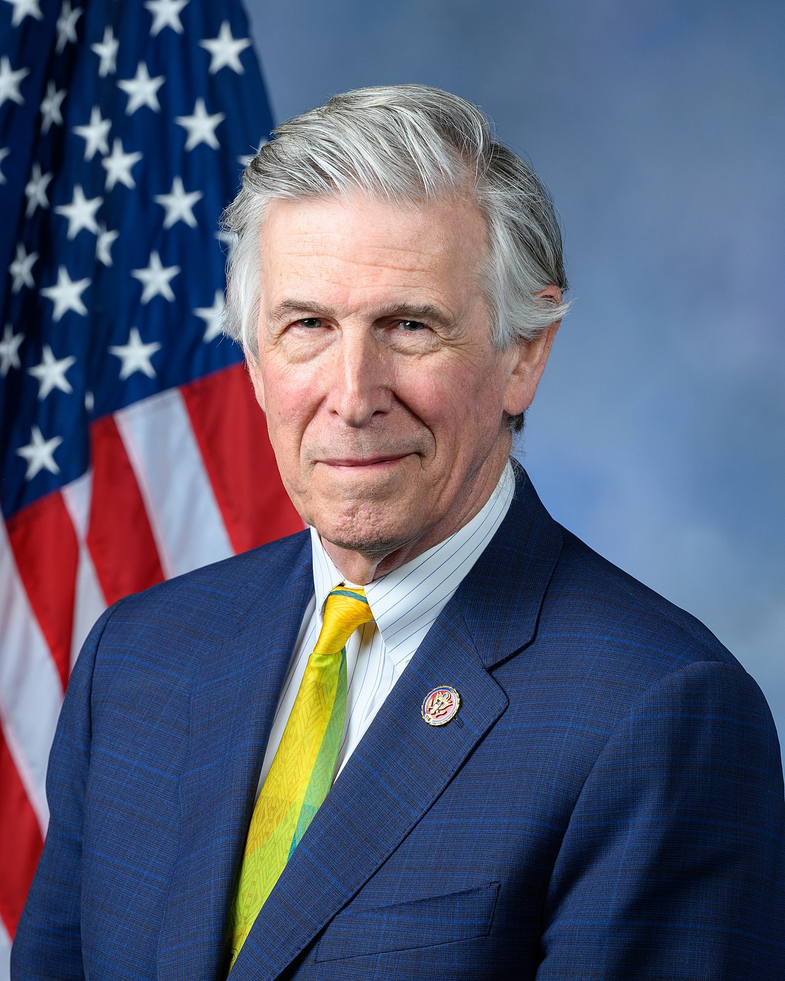
Co-Sponsor
-
TrackBrendan F. Boyle
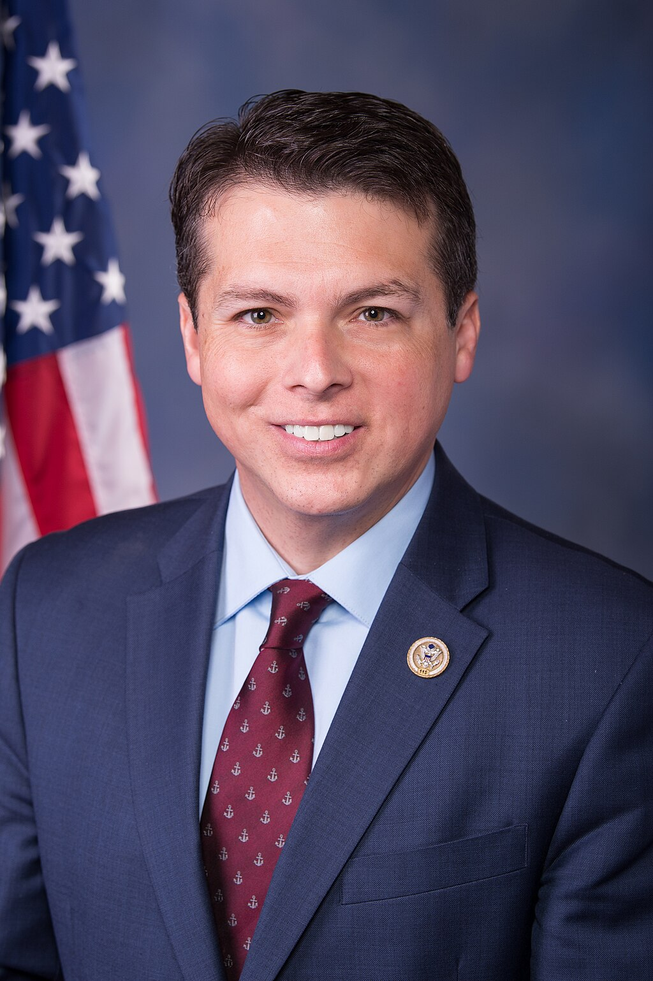
Co-Sponsor
-
TrackGreg Casar
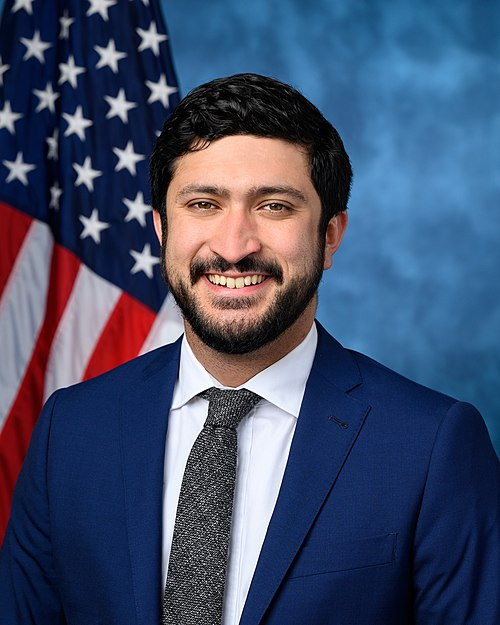
Co-Sponsor
-
TrackJudy Chu
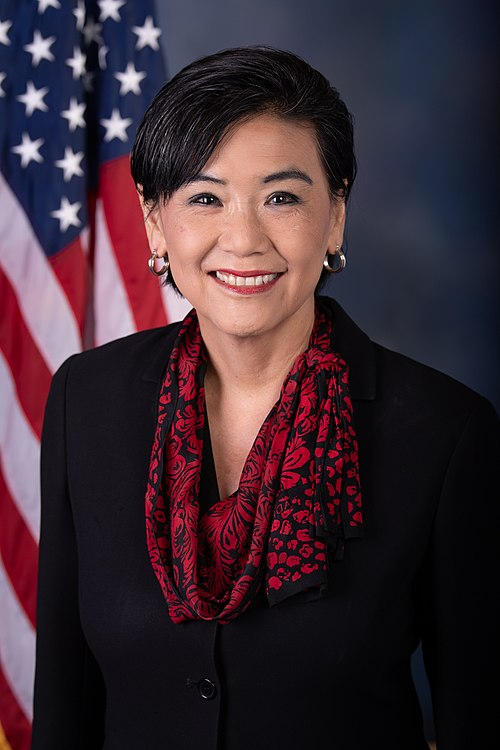
Co-Sponsor
-
TrackDanny K. Davis
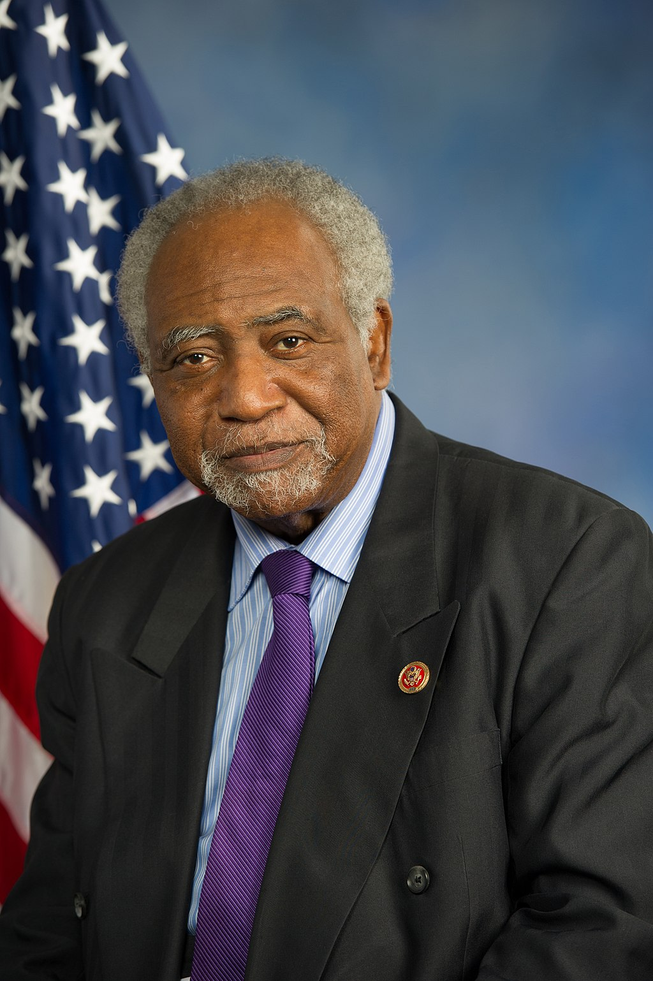
Co-Sponsor
-
TrackMark DeSaulnier
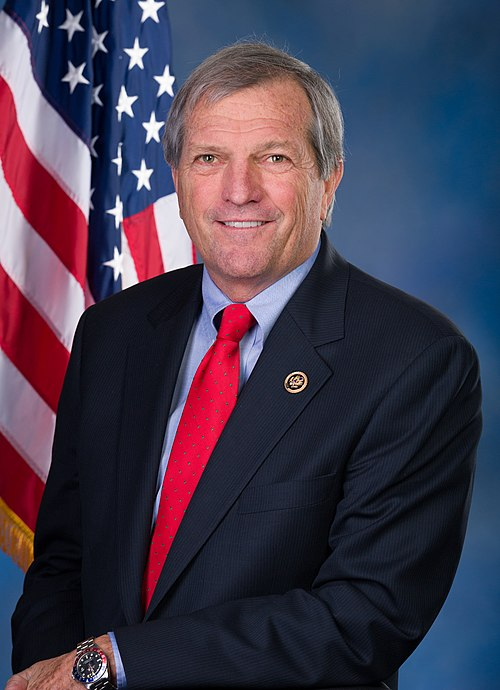
Co-Sponsor
-
TrackMadeleine Dean
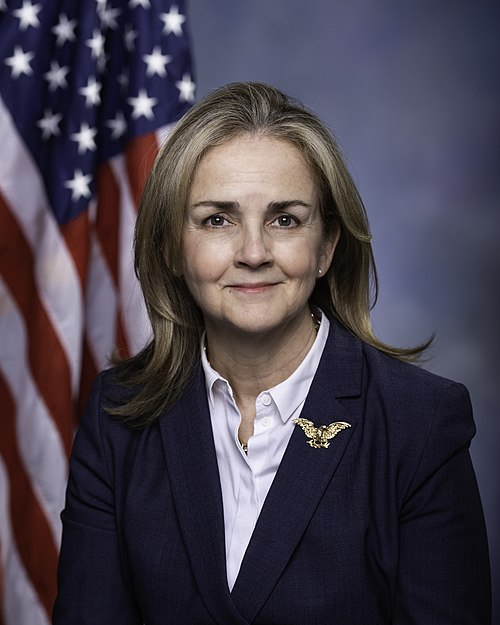
Co-Sponsor
-
TrackChristopher R. Deluzio

Co-Sponsor
-
TrackMaxine Dexter

Co-Sponsor
-
TrackAdriano Espaillat
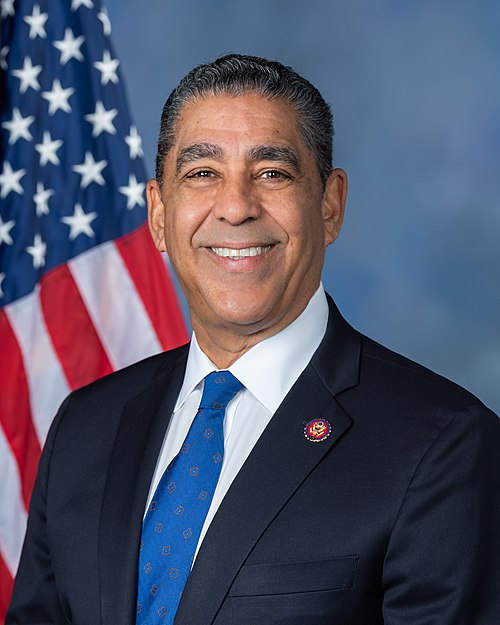
Co-Sponsor
-
TrackDwight Evans
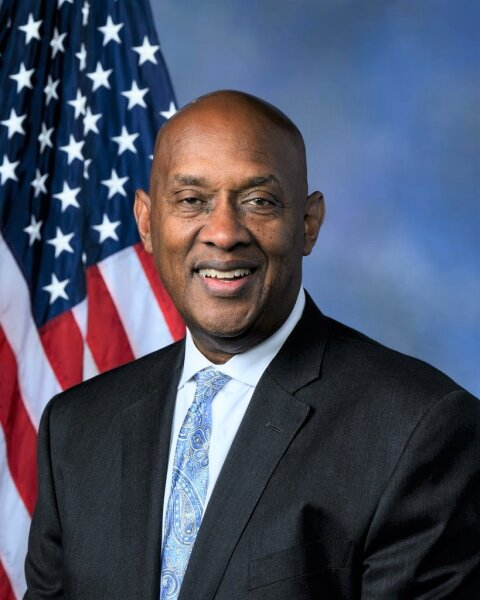
Co-Sponsor
-
TrackValerie P. Foushee
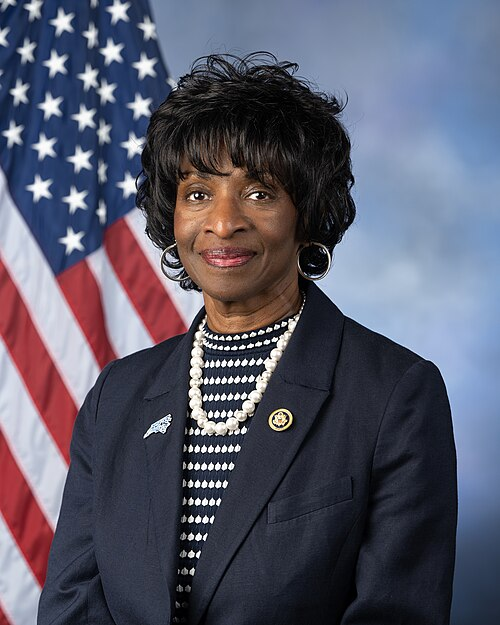
Co-Sponsor
-
TrackLaura Friedman

Co-Sponsor
-
TrackMaxwell Frost
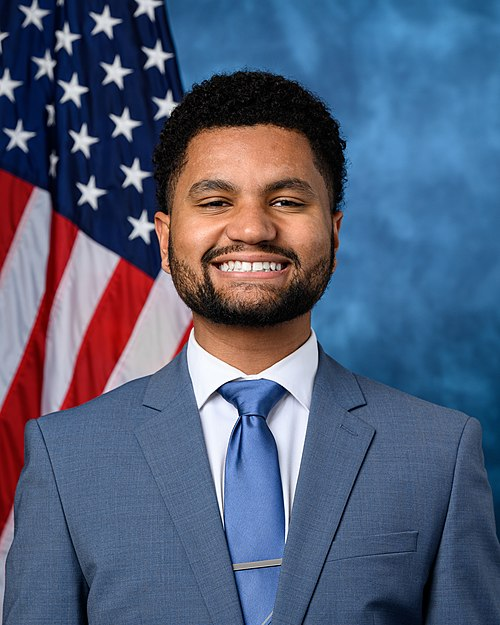
Co-Sponsor
-
TrackRobert Garcia
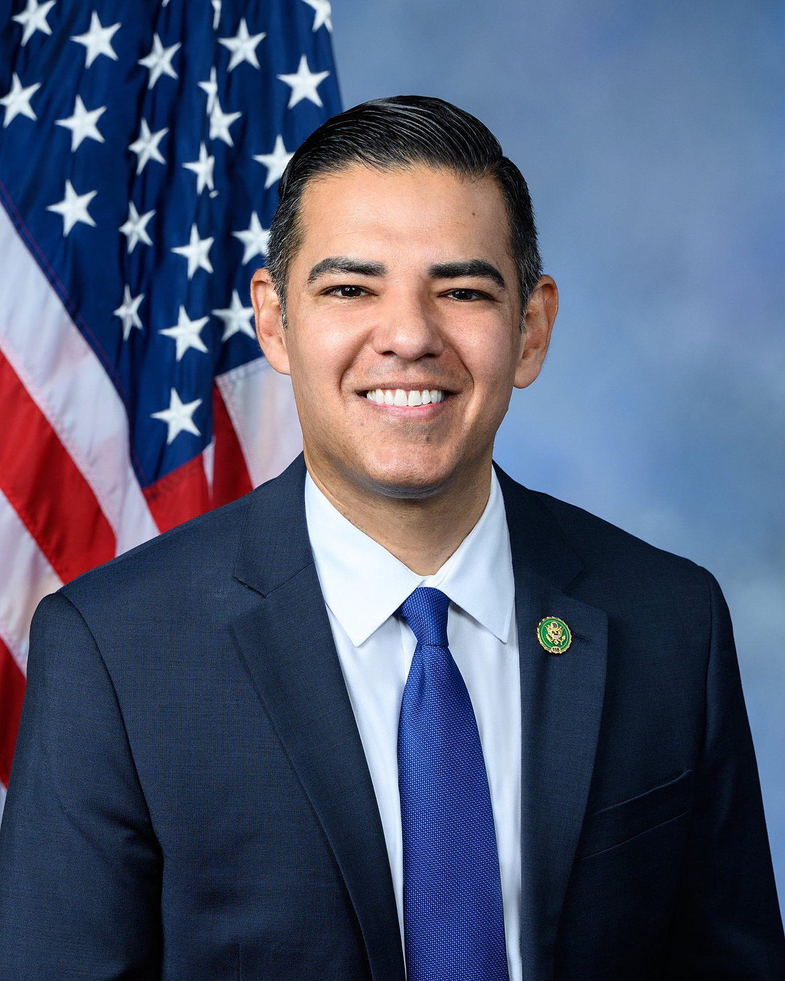
Co-Sponsor
-
TrackJesús G. "Chuy" García
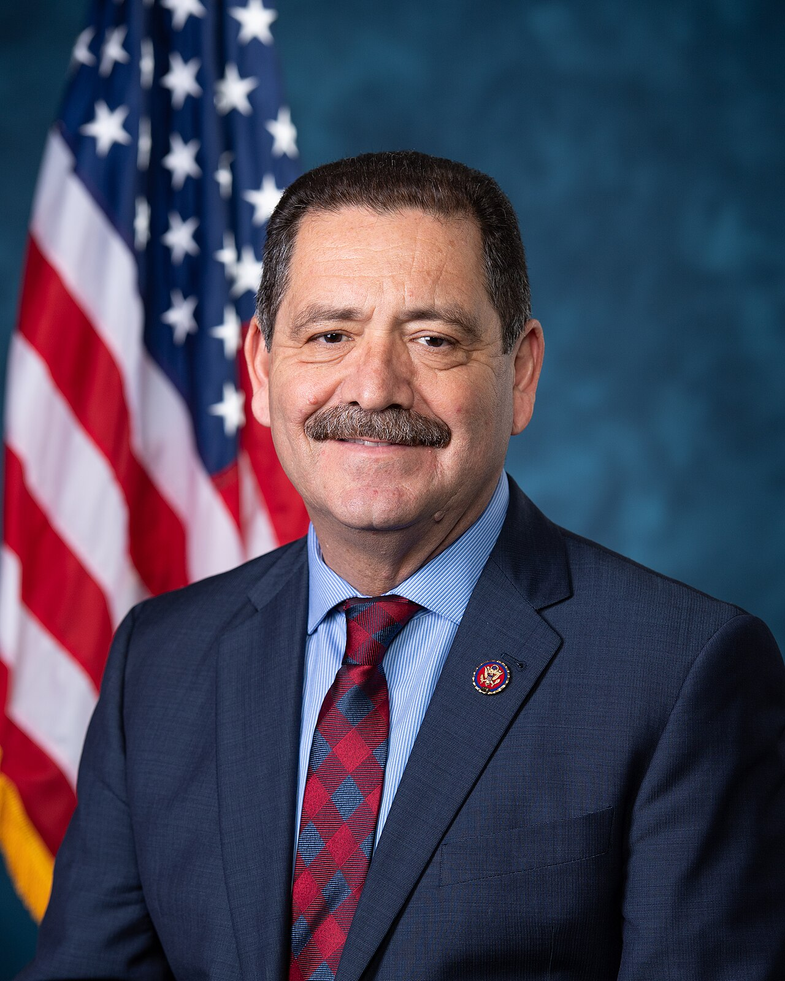
Co-Sponsor
-
TrackDaniel S. Goldman

Co-Sponsor
-
TrackGlenn Ivey
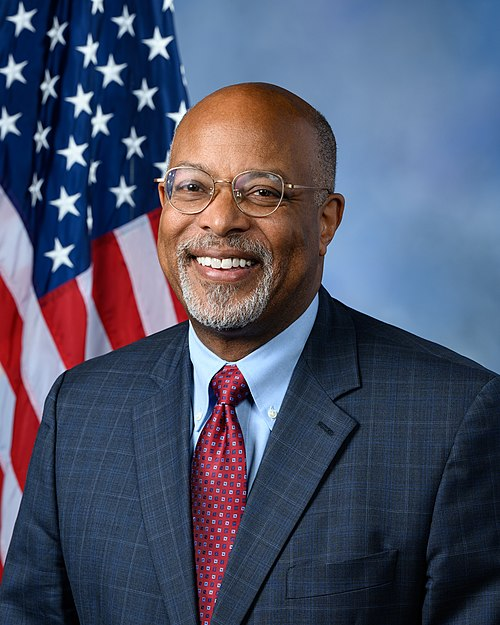
Co-Sponsor
-
TrackJonathan L. Jackson
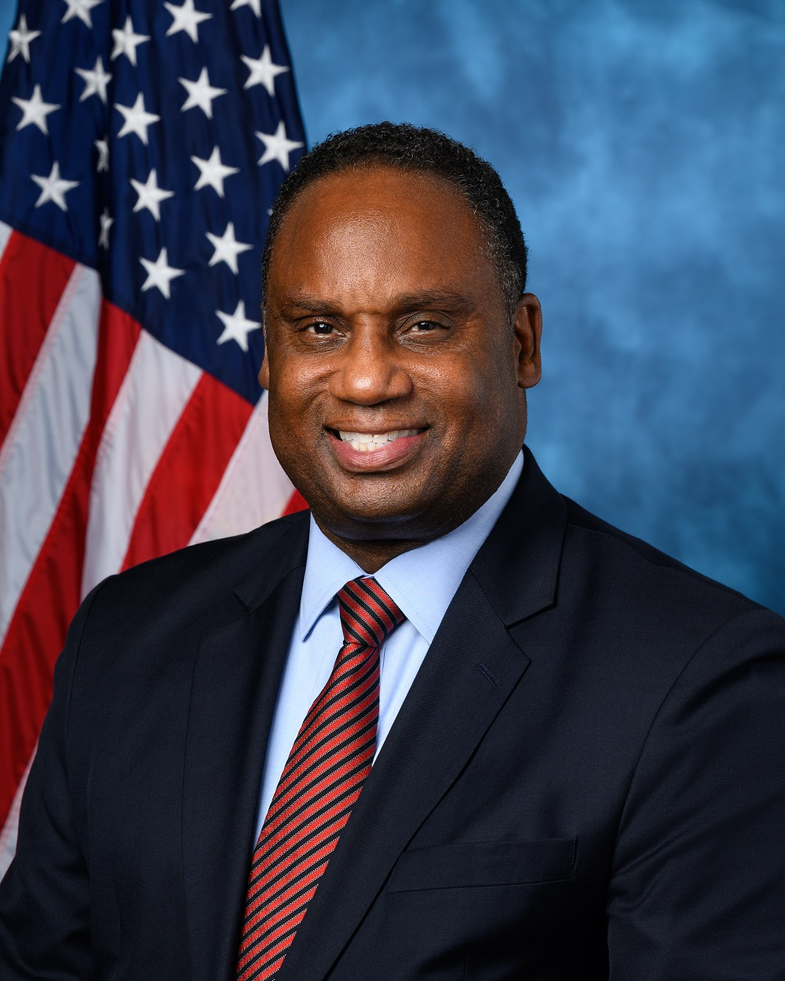
Co-Sponsor
-
TrackHenry C. "Hank" Johnson, Jr.
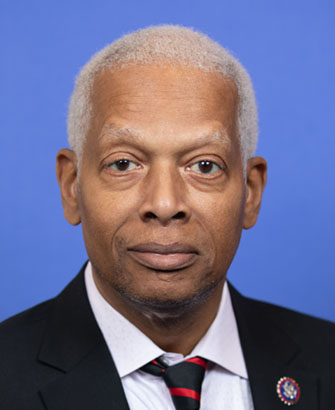
Co-Sponsor
-
TrackRobin L. Kelly
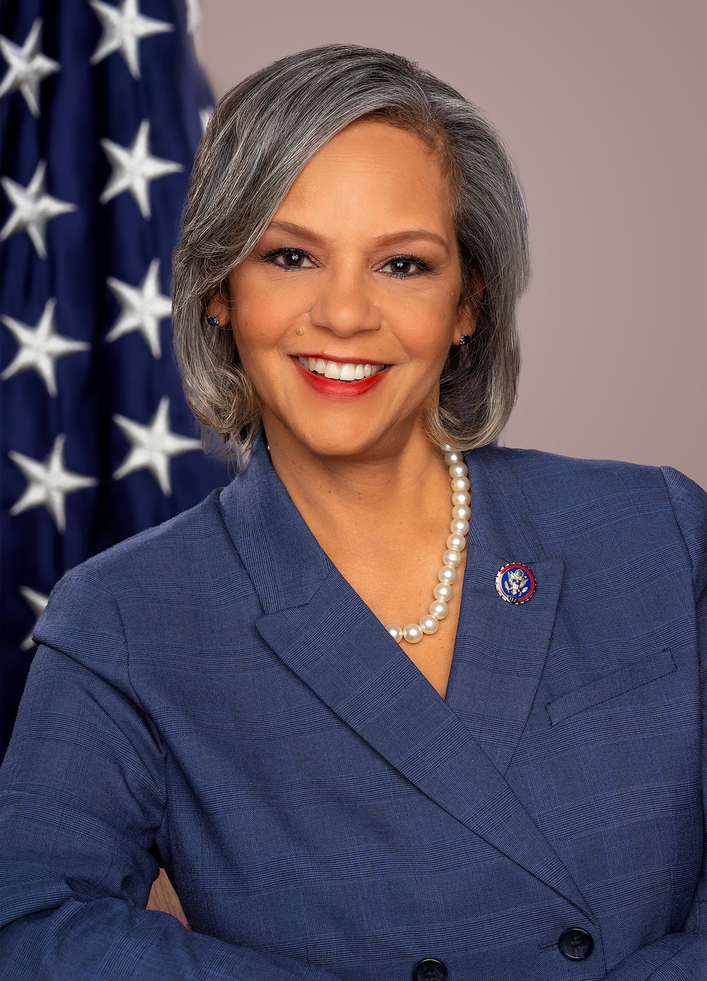
Co-Sponsor
-
TrackRo Khanna
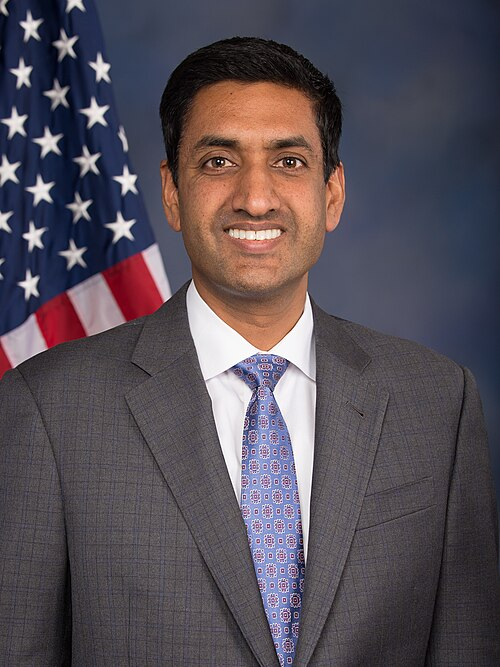
Co-Sponsor
-
TrackSummer L. Lee
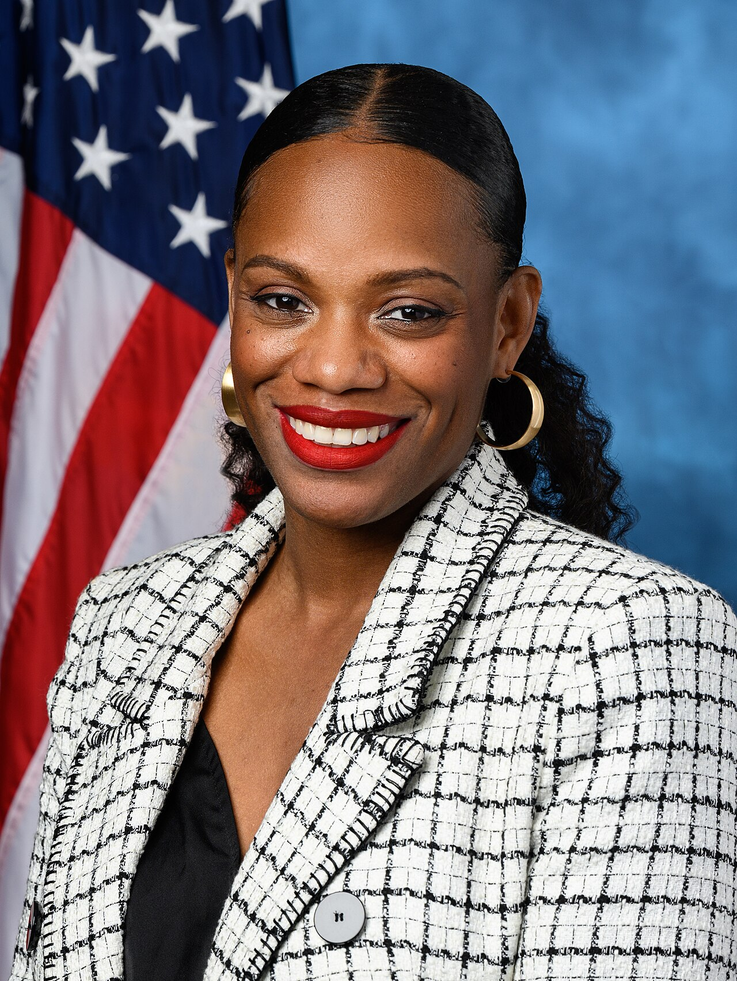
Co-Sponsor
-
TrackTeresa Leger Fernandez
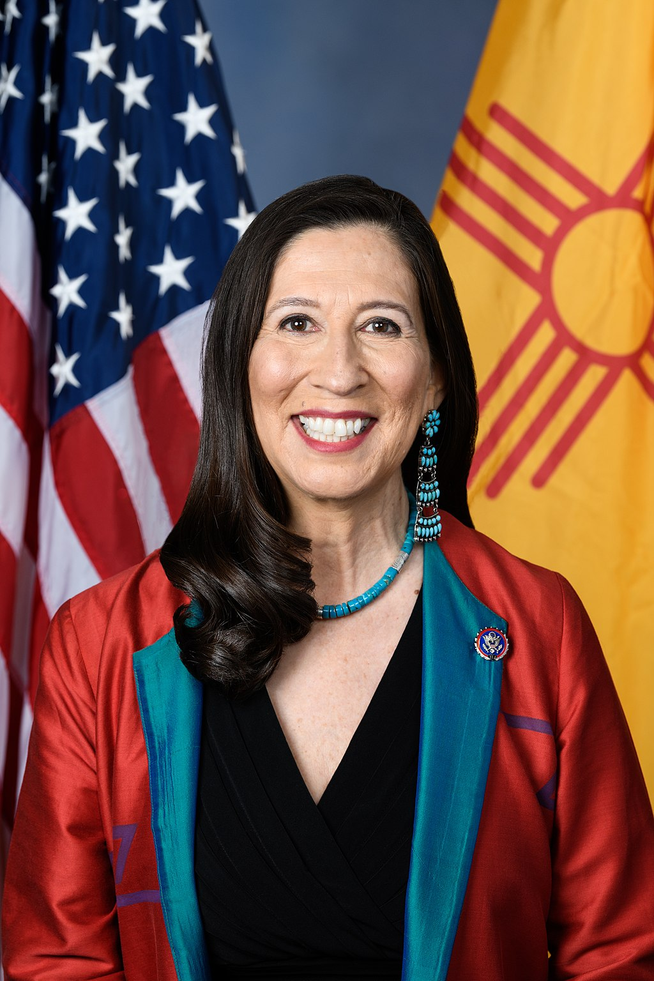
Co-Sponsor
-
TrackJames P. McGovern
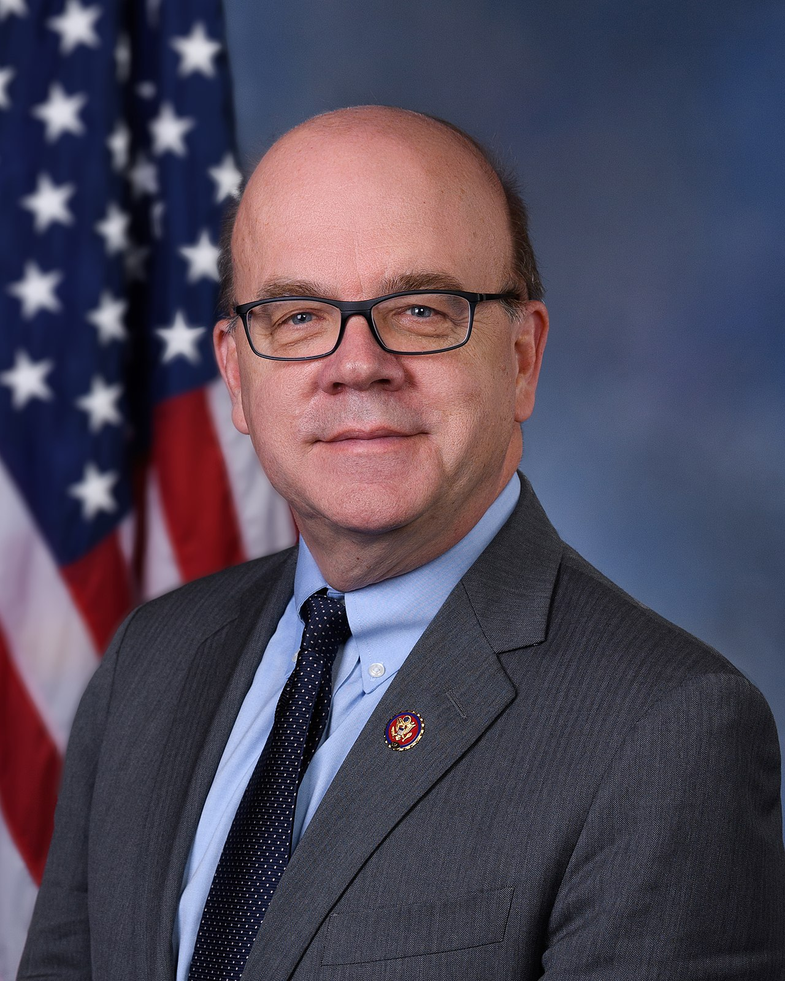
Co-Sponsor
-
TrackGrace Meng
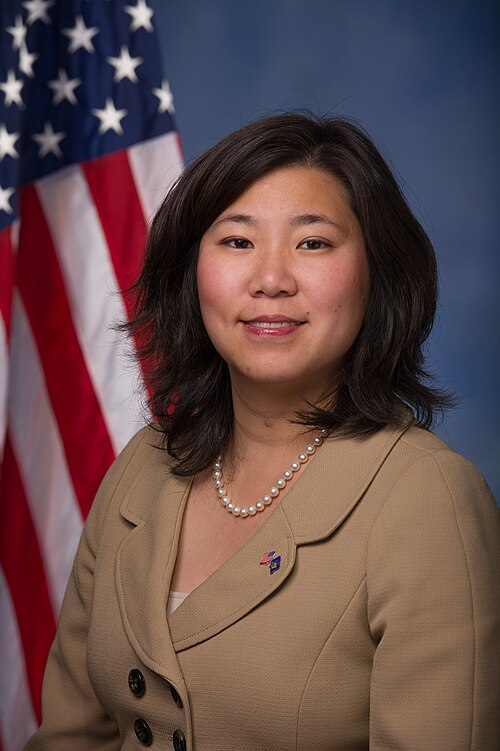
Co-Sponsor
-
TrackJerrold Nadler
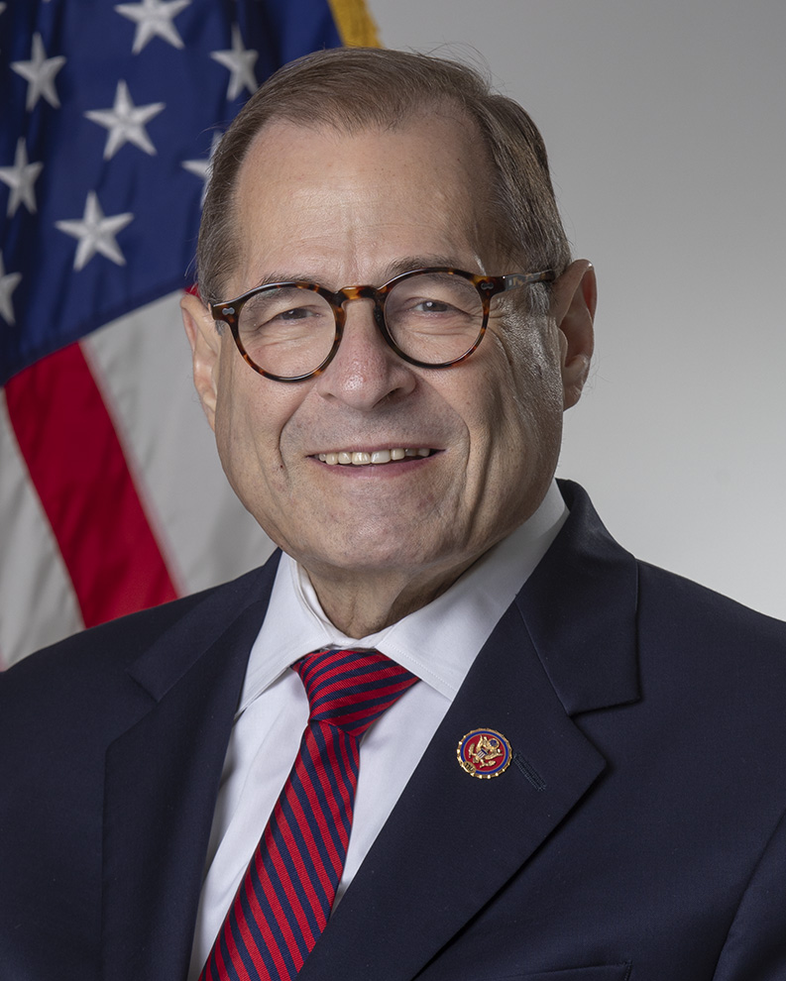
Co-Sponsor
-
TrackEleanor Holmes Norton

Co-Sponsor
-
TrackAlexandria Ocasio-Cortez

Co-Sponsor
-
TrackIlhan Omar

Co-Sponsor
-
TrackFrank Pallone, Jr.

Co-Sponsor
-
TrackChellie Pingree

Co-Sponsor
-
TrackAyanna Pressley
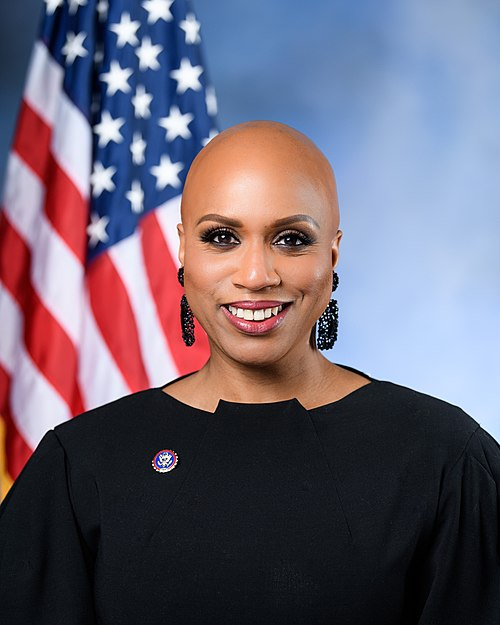
Co-Sponsor
-
TrackDelia C. Ramirez

Co-Sponsor
-
TrackJanice D. Schakowsky

Co-Sponsor
-
TrackLateefah Simon

Co-Sponsor
-
TrackAdam Smith

Co-Sponsor
-
TrackMelanie A. Stansbury

Co-Sponsor
-
TrackLinda T. Sánchez
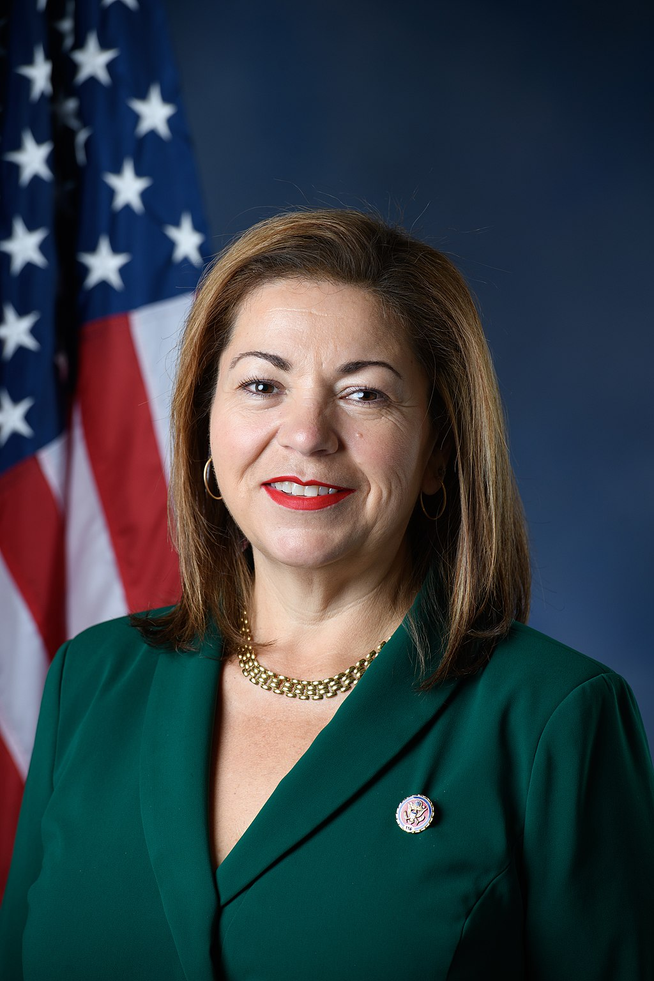
Co-Sponsor
-
TrackMark Takano
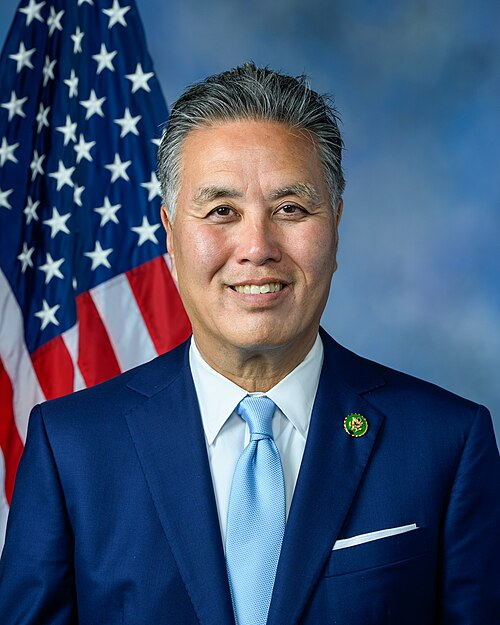
Co-Sponsor
-
TrackShri Thanedar
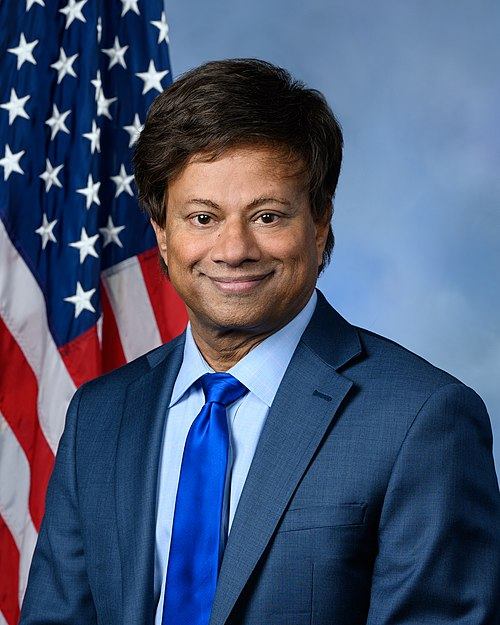
Co-Sponsor
-
TrackRashida Tlaib
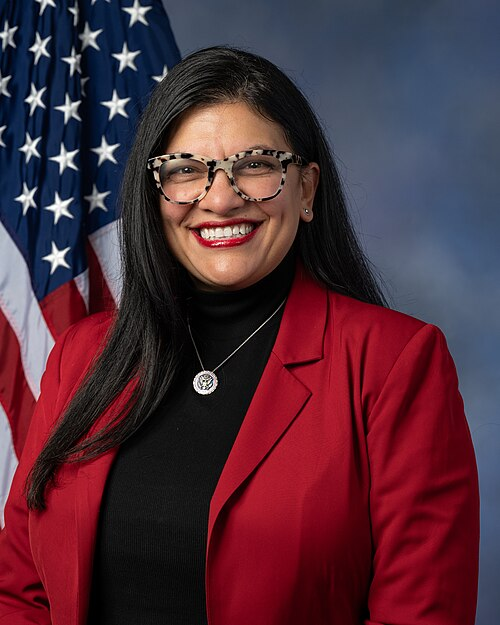
Co-Sponsor
-
TrackJill N. Tokuda
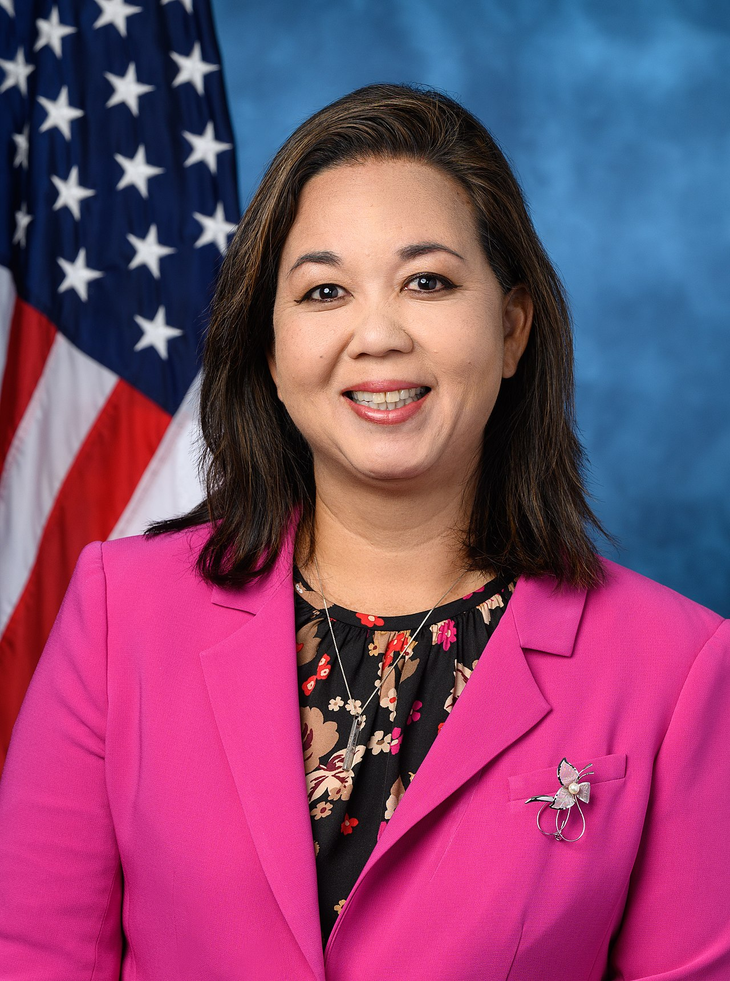
Co-Sponsor
-
TrackNydia M. Velázquez
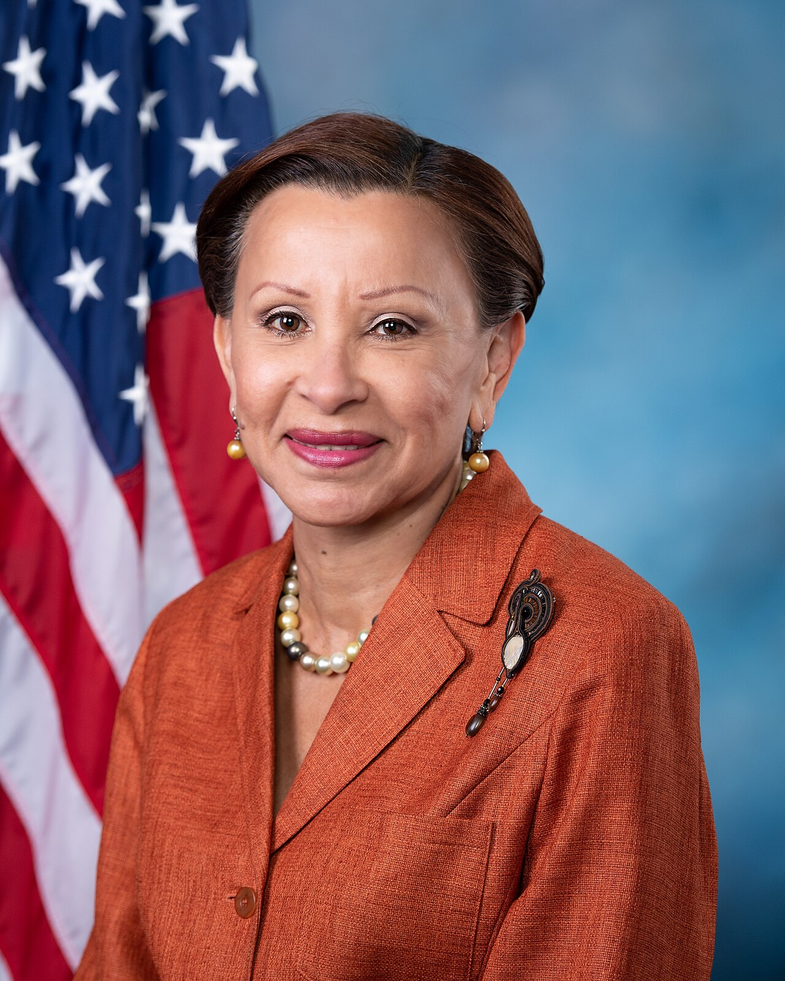
Co-Sponsor
-
TrackMaxine Waters
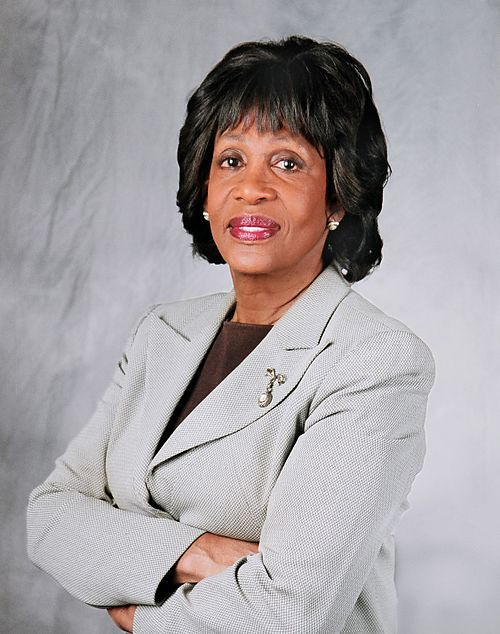
Co-Sponsor
-
TrackBonnie Watson Coleman
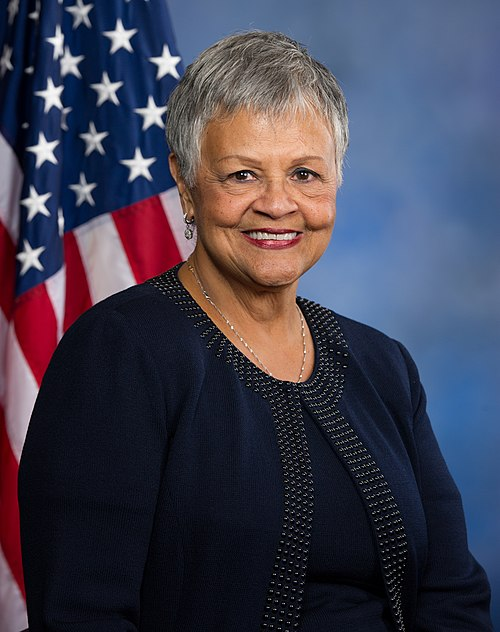
Co-Sponsor
-
Tracknan

Co-Sponsor
-
Tracknan

Co-Sponsor
Actions
2 actions
| Date | Action |
|---|---|
| Mar. 25, 2026 | Introduced in House |
| Mar. 25, 2026 | Referred to the House Committee on Ways and Means. |
Corporate Lobbying
0 companies lobbying
None found.
* Note that there can be significant delays in lobbying disclosures, and our data may be incomplete.
Potentially Relevant Congressional Stock Trades
No relevant congressional stock trades found.