H.R. 8021: American Petroleum First Act
Summary of the American Petroleum First Act
The American Petroleum First Act aims to modify certain legal requirements for vessels that transport crude oil and petroleum products in the United States. Here are the main components of the bill:
1. Exemption from Coastwise Requirements
The bill proposes an exemption from specific coastwise endorsement requirements for vessels exclusively involved in transporting crude oil and petroleum products. This means that eligible vessels can operate without having to comply with certain restrictions typically enforced under U.S. maritime law.
2. Certificate of Documentation
Under the proposed amendment, vessels transporting crude oil and petroleum products can receive a certificate of documentation, which allows them greater flexibility in their operations. This certificate is crucial for vessels as it defines their legality to operate under U.S. law.
3. Eligibility Requirements
While the bill opens up opportunities for many vessels, it does set out certain exclusions. Specifically, vessels will not qualify for this exemption if:
- They are owned, wholly or partially, by a Russian national or the Government of Russia.
- They are Russian-flagged vessels.
- Any member of their crew is a Russian national.
- They are owned, wholly or partially, by a Chinese national or the Government of China.
- They are Chinese-flagged vessels.
- Any member of their crew is a Chinese national.
4. Revision of Coastwise Endorsement Language
The bill also amends existing language regarding coastwise endorsements to explicitly include vessels that transport crude oil and petroleum products. This is a technical change designed to clarify the inclusion of such vessels under the relevant laws.
Overall, the American Petroleum First Act seeks to streamline the operational capabilities of vessels involved in transporting crude oil and petroleum products while placing restrictions on foreign ownership or crew nationality related to certain countries.
Relevant Companies
- XOM - Exxon Mobil Corporation: As a major player in the oil industry, changes in transportation regulations could impact their logistics and shipping practices.
- CVX - Chevron Corporation: Similar to Exxon, Chevron may see changes in how their crude oil is transported within the U.S.
- SLB - Schlumberger Limited: As a provider of services to oil companies, Schlumberger's operations may be affected by shifts in shipping regulations.
- HP - Helmerich & Payne, Inc.: This company's operations could be influenced if shipping costs change as a result of this bill.
This is an AI-generated summary of the bill text. There may be mistakes.
Sponsors
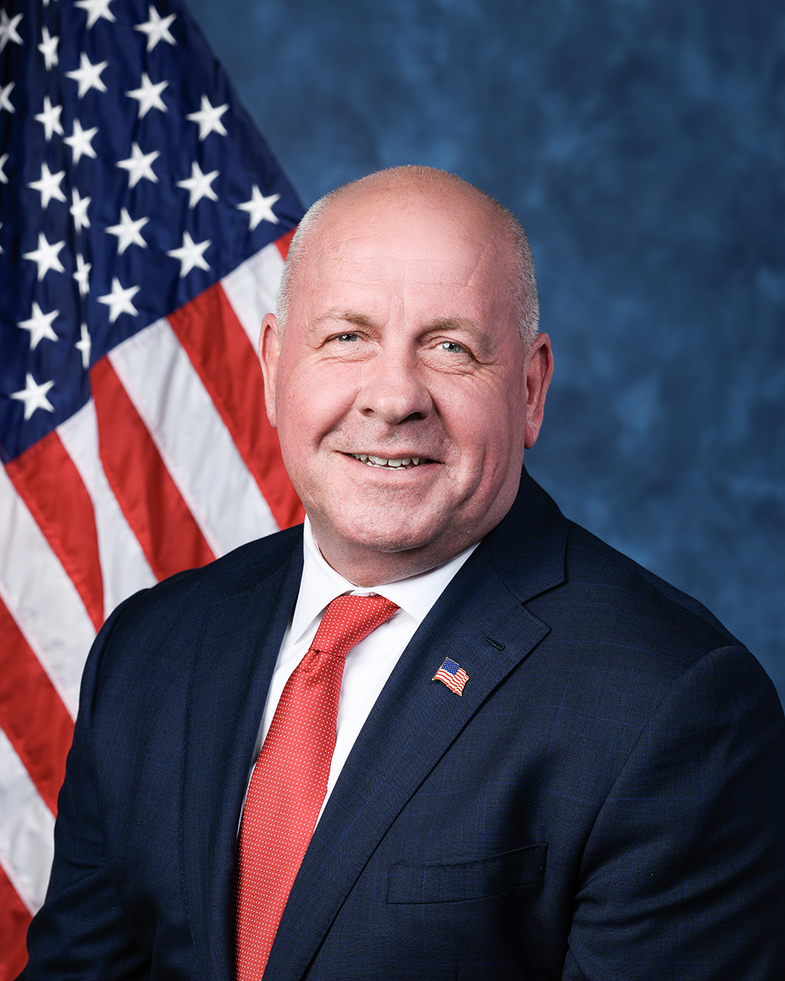
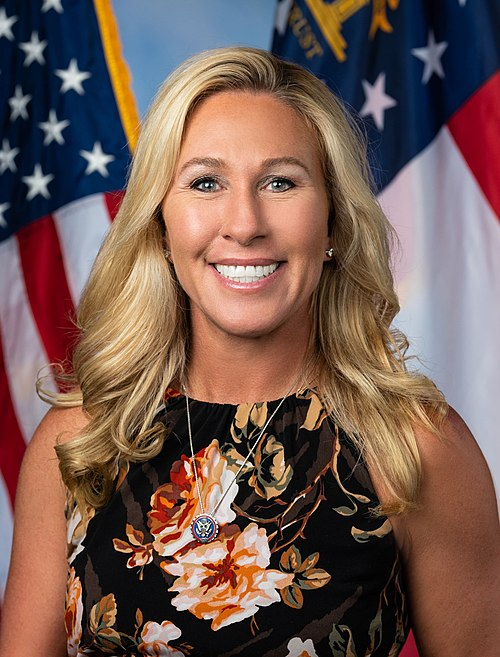
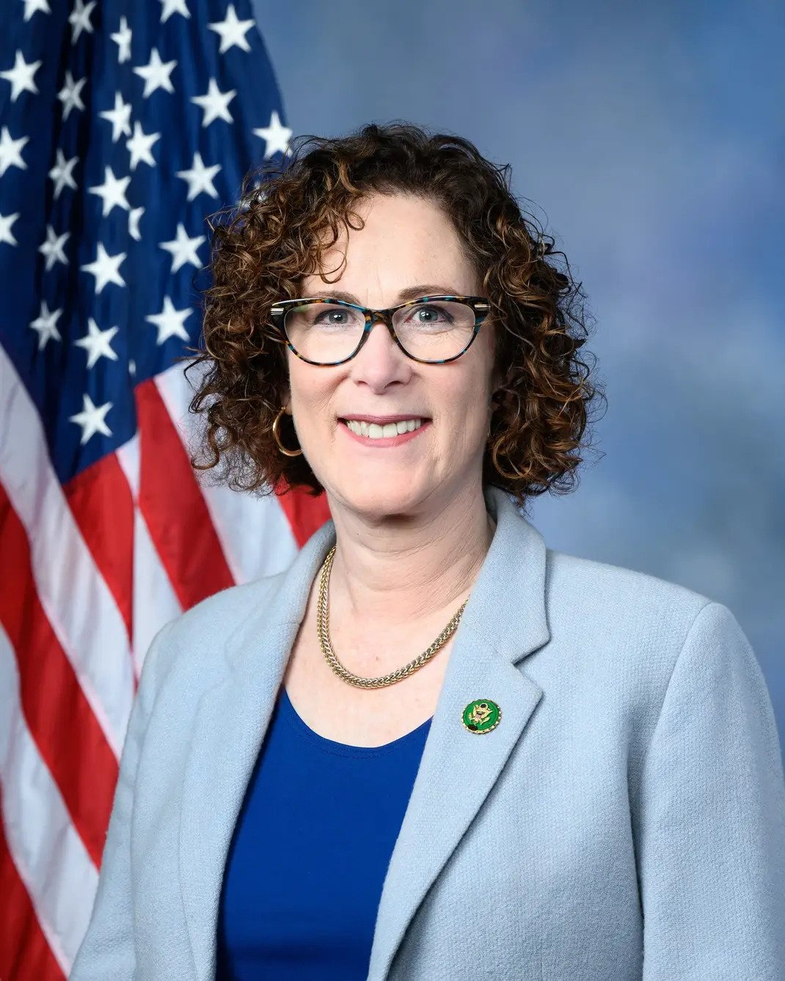
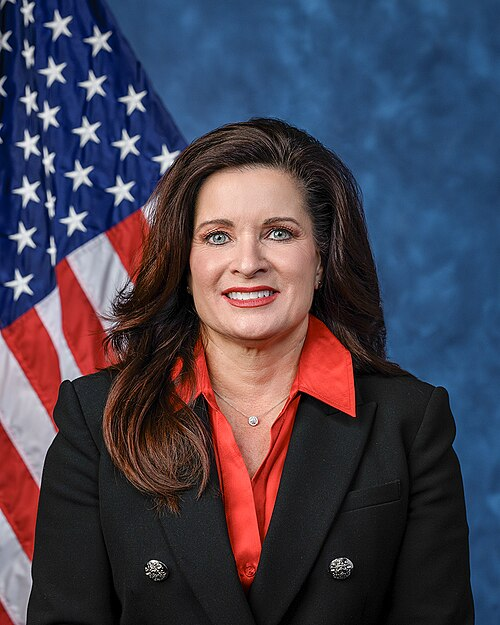
5 bill sponsors





Actions
2 actions
| Date | Action |
|---|---|
| Mar. 19, 2026 | Introduced in House |
| Mar. 19, 2026 | Referred to the House Committee on Transportation and Infrastructure. |
Corporate Lobbying
0 companies lobbying
None found.
* Note that there can be significant delays in lobbying disclosures, and our data may be incomplete.