H.R. 7997: Research and Oversight of AI in Courts Act of 2026
This bill, known as the Research and Oversight of AI in Courts Act of 2026, aims to examine and manage the implications of using artificial intelligence (AI) technologies, specifically speech-to-text technology and automatic speech recognition technology, within the U.S. judicial system. Here is a detailed overview of its key components:
Purpose
The bill's primary objectives are to provide Congress with:
- An analysis of the issues and benefits regarding the integration of AI speech-to-text and automatic speech recognition technologies in courts.
- A review of how these technologies are currently utilized within the judicial system.
- Recommendations based on the analysis and review conducted.
Task Force Establishment
The Attorney General, through the Director of the National Institute of Justice, is required to create a task force titled the AI Research and Oversight in Courts Task Force within 60 days of the bill’s enactment. This task force will evaluate:
- The feasibility and accuracy of AI technologies used for speech-to-text in courts.
- Privacy implications and civil liberties concerns related to their use.
Task Force Responsibilities
The task force's duties include:
- Assessing policy, regulatory, and legal findings concerning the deployment of AI speech-to-text and automatic speech recognition technologies in the judicial context.
- Providing Congress, judicial and executive branches with reform recommendations to ensure that such technologies do not violate constitutional rights or compromise the integrity of official court records.
Composition of the Task Force
The task force will consist of 15 members:
- 4 members from the Federal Government, including personnel from the National Institute of Justice and other judicial offices.
- 11 non-government members, including experts in official recordkeeping and civil liberties. Importantly, these appointments must avoid conflicts of interest, meaning members cannot be affiliated with AI technology companies.
Final Reporting Obligations
The task force is tasked with producing a final report within 18 months, focusing on various aspects such as:
- The accuracy and effects of AI-driven records on the quality of court transcripts.
- Cost implications for litigants arising from using these technologies.
- Potential cybersecurity risks associated with their use.
- Integrity and evidentiary concerns relating to court records modified by AI.
- Recommendations for improving judicial processes through AI while ensuring rights and quality standards.
Interim Status Updates
The task force is also required to submit status reports every four months, keeping Congress informed about their progress and compliance with the established deadlines for the final report.
Definitions
The bill provides specific definitions for:
- AI Speech-to-Text Technology: Refers to systems employing artificial intelligence to convert speech into text, enabling real-time transcription.
- Automatic Speech Recognition Technology: Involves technology that processes speech into text without AI elements.
- United States Judicial System: Encompasses all state and federal courts in the U.S. and its territories.
Termination of Task Force
The task force will cease its operations and the bill will become ineffective once the final report is submitted.
Relevant Companies
None found
This is an AI-generated summary of the bill text. There may be mistakes.
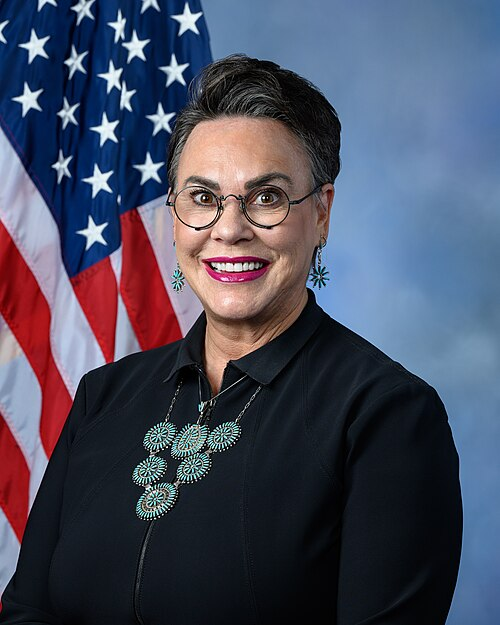
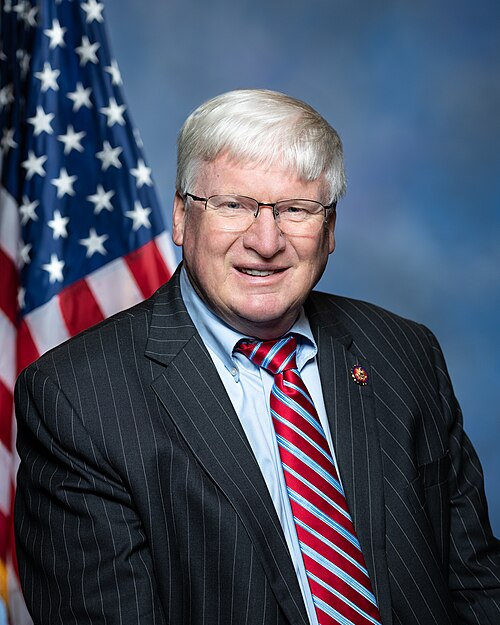
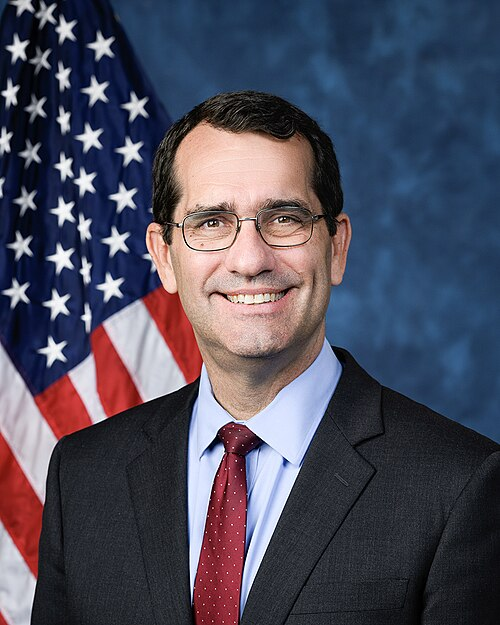
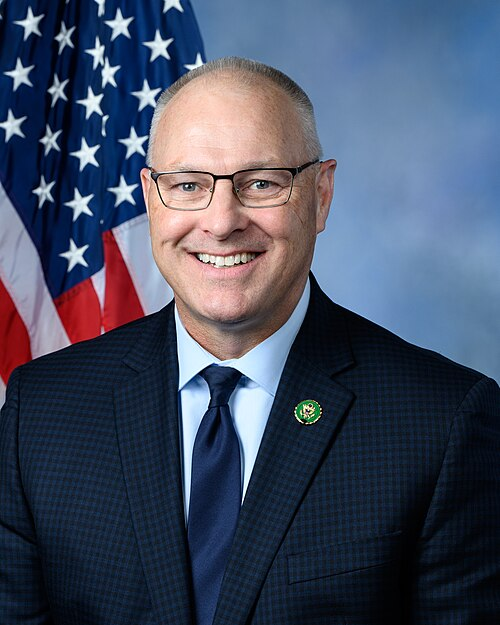
Sponsors
5 bill sponsors

Actions
2 actions
| Date | Action |
|---|---|
| Mar. 19, 2026 | Introduced in House |
| Mar. 19, 2026 | Referred to the House Committee on the Judiciary. |
Corporate Lobbying
0 companies lobbying
None found.
* Note that there can be significant delays in lobbying disclosures, and our data may be incomplete.
Potentially Relevant Congressional Stock Trades
No relevant congressional stock trades found.