
H.R. 7989: All Children are Equal Act
This bill, titled the "All Children are Equal Act," aims to modify how federal educational grants are distributed to local educational agencies (LEAs) under the Elementary and Secondary Education Act of 1965, focusing particularly on reducing inequalities in funding based on student poverty levels.
Key Changes Proposed
The bill addresses the allocation of targeted grants and education finance incentive grants. Here are the main changes it proposes:
- Revising Grant Formulas: The bill seeks to change the way funds are allocated to schools, emphasizing the percentage of economically disadvantaged students. It aims to give more money per student to schools that serve a higher proportion of low-income children.
- Minimizing the Impact of Large Agencies: Currently, the formula that calculates funding includes two weighting systems: one based on the percentage of eligible students and another based on the absolute number of eligible students. The bill proposes to reduce the influence of the number weighting system, which often favors larger school districts, thus disadvantaging smaller districts that may have a high percentage of disadvantaged students but a low total student population.
- Equitable Distribution of Funds: The intention is to ensure that as more students qualify as economically disadvantaged, the funding for those schools increases proportionately. This aims to correct any funding disparities that have arisen from the current dual weighting system.
Findings and Rationale
The bill outlines several findings that justify these changes, including:
- Current funding formulas do not adequately prioritize schools with significant numbers of disadvantaged students.
- The dual weighting system unfairly advantages larger districts over smaller ones, regardless of poverty levels.
- Data indicates that smaller districts lose out on funding as larger ones increase their share based on overall numbers, rather than the percentage of disadvantaged youth.
Effect on Future Funding Years
For the fiscal year 2026 and onwards, the bill establishes that the weighted child count for determining grants will strictly follow the revised percentage weighting method. This change is intended to create a more equitable funding landscape where high-poverty districts can better receive the resources they need.
Implementation Timeline
The proposed changes would be gradually implemented, aiming for a complete transition to the new system by 2026. This allows for local educational agencies to adapt to the changes in how they receive funding.
Relevant Companies
None found.
This is an AI-generated summary of the bill text. There may be mistakes.
Sponsors
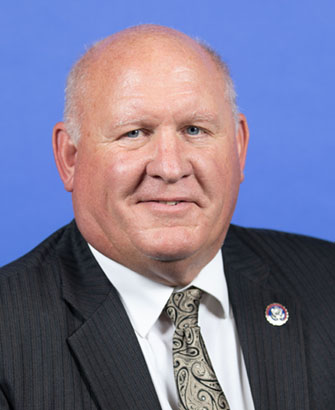
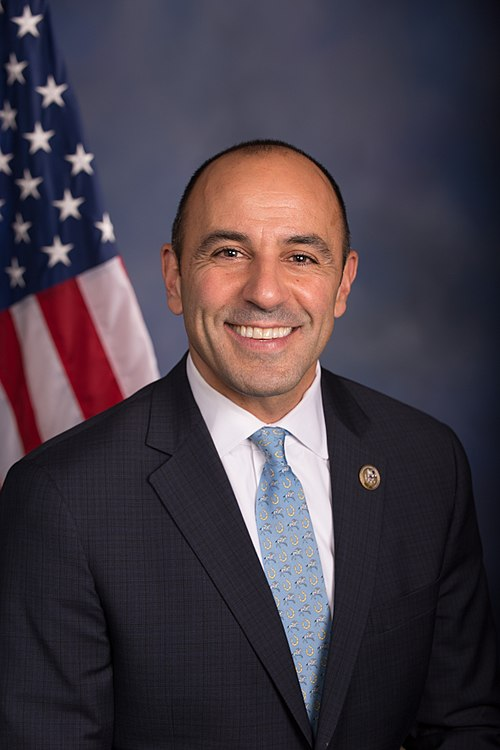
2 bill sponsors
Actions
2 actions
| Date | Action |
|---|---|
| Mar. 18, 2026 | Introduced in House |
| Mar. 18, 2026 | Referred to the House Committee on Education and Workforce. |
Corporate Lobbying
0 companies lobbying
None found.
* Note that there can be significant delays in lobbying disclosures, and our data may be incomplete.
Potentially Relevant Congressional Stock Trades
No relevant congressional stock trades found.