H.R. 7890: Science of Reading Act of 2026
The Science of Reading Act of 2026 aims to revise how literacy instruction is supported and implemented in schools, particularly under the Elementary and Secondary Education Act of 1965. Here are the key components of the bill:
1. Focus on Evidence-Based Reading Instruction
The bill emphasizes using reading instruction methods that are based on scientific evidence, known as the "science of reading." This includes:
- Teaching young readers critical skills such as phonemic awareness, phonics, vocabulary, fluency, and comprehension.
- Highlighting the importance of background knowledge and oral language in reading development.
- Integrating reading and writing instruction and addressing the challenges some students face in learning to read and write.
2. Restrictions on Certain Instructional Approaches
The bill specifies that certain instructional models, particularly the "three-cueing model," should not be included in comprehensive literacy instruction. The three-cueing model focuses primarily on using context, pictures, or syntax for word recognition, rather than a robust phonics-based approach.
3. Adjustments to Grant Processes
Several sections related to grant allocations will be amended to ensure that:
- States must describe how their literacy plans align with the science of reading when applying for comprehensive literacy development grants.
- Grant funding priorities will favor instructional approaches that are consistent with the science of reading.
- Subgrants to support literacy initiatives will be targeted toward programs that adhere to the science of reading methodology in early childhood education through grade 12.
4. Applicability and Compliance
The provisions of this bill will apply to all funds distributed under the Elementary and Secondary Education Act after the enactment of this legislation. However, it assures that the rights and protections under relevant disability education laws remain intact and that the federal government will not dictate instructional content to states or localities.
5. Exclusions of Other Educational Approaches
The bill clarifies that it does not authorize any federal control over state or local instructional content or academic standards outside this framework.
Relevant Companies
- EDU (New Oriental Education & Technology Group): As a provider of educational services, changes in literacy instruction approaches could influence their curriculum offerings and methods.
- RLI (Renaissance Learning): Their literacy assessment and instructional products may need to adapt to align with the new focus on evidence-based reading instruction.
This is an AI-generated summary of the bill text. There may be mistakes.
Sponsors
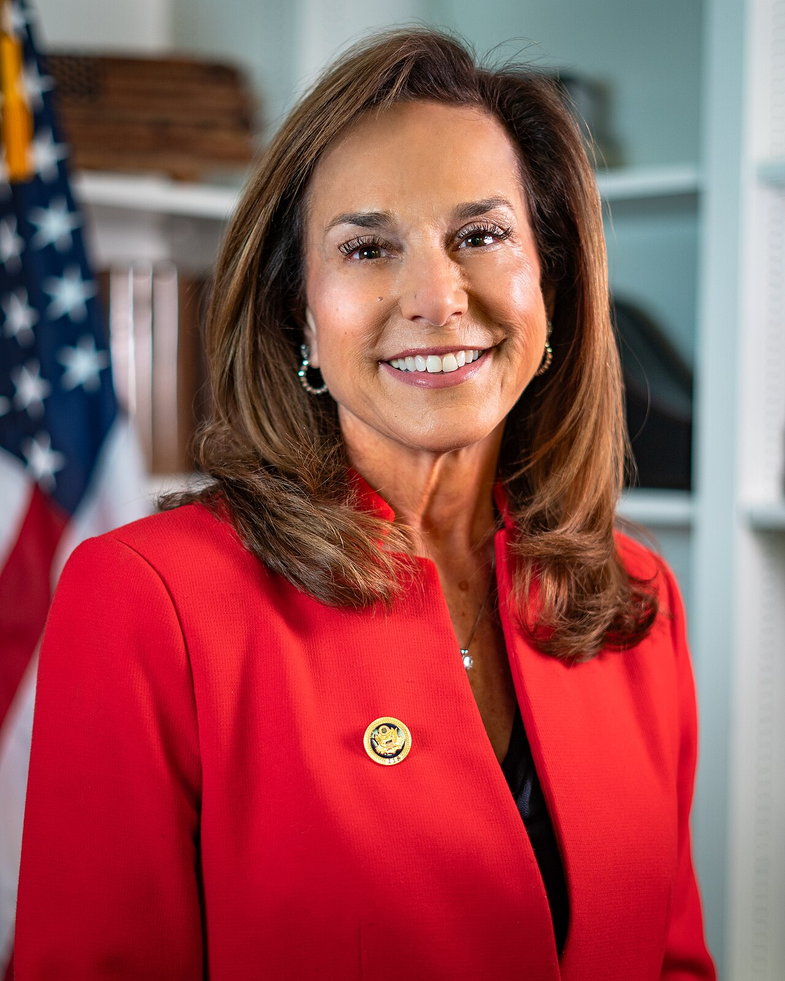
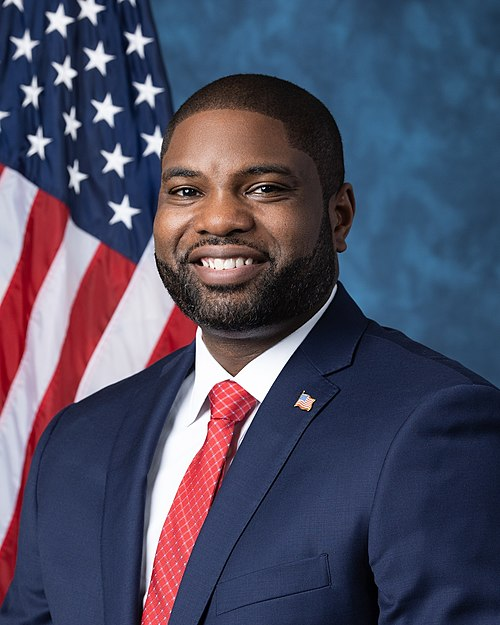
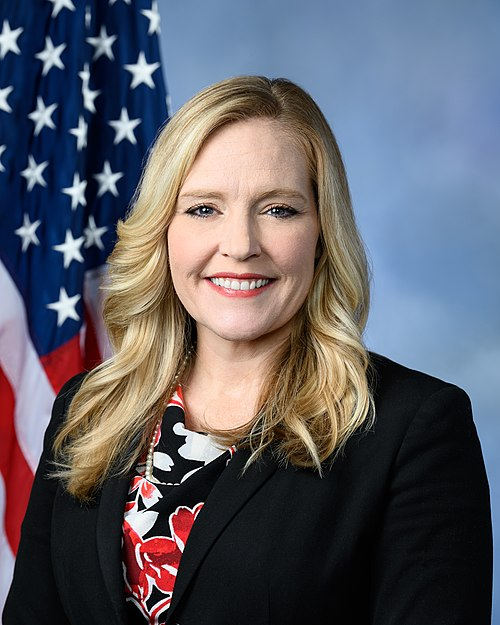
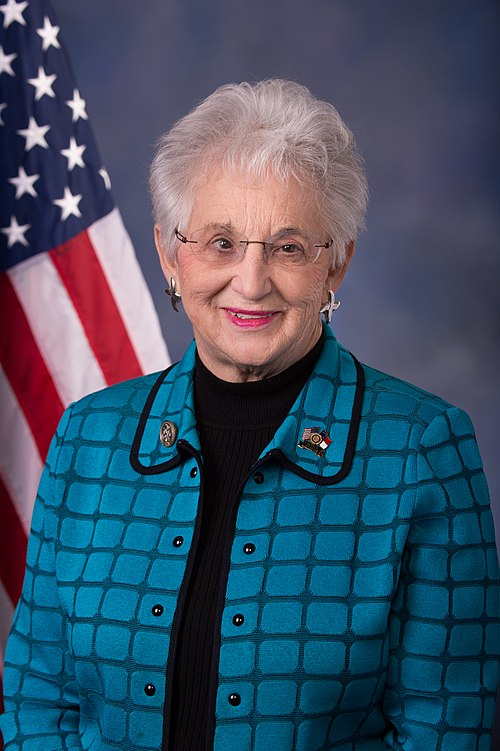
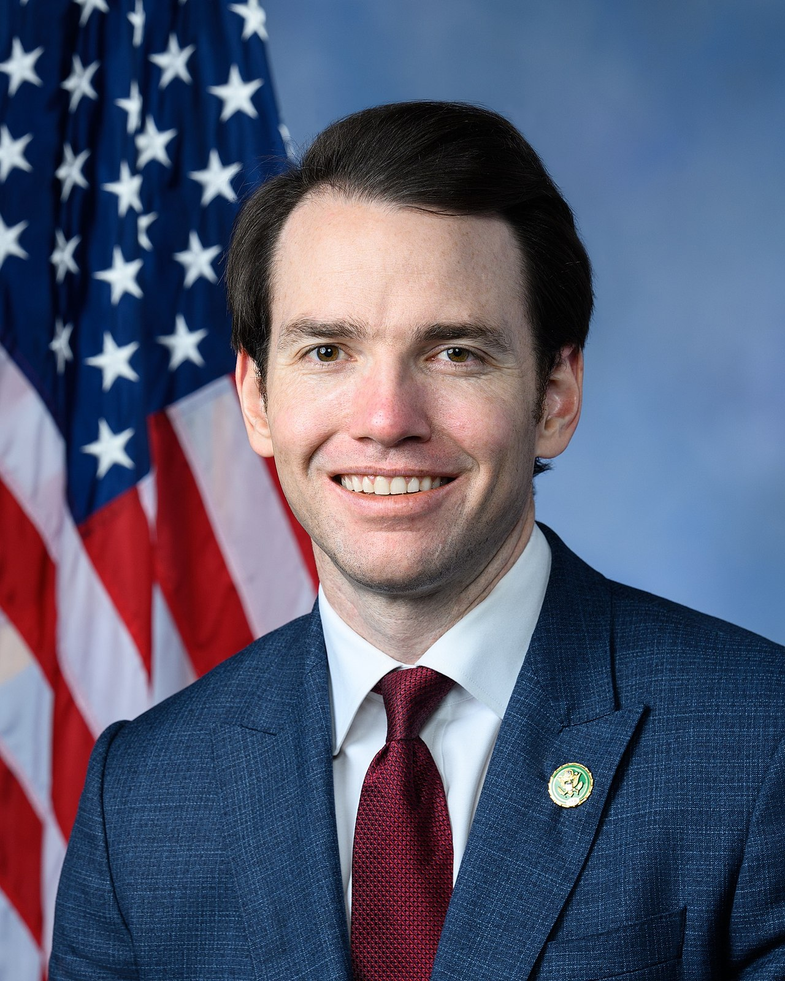
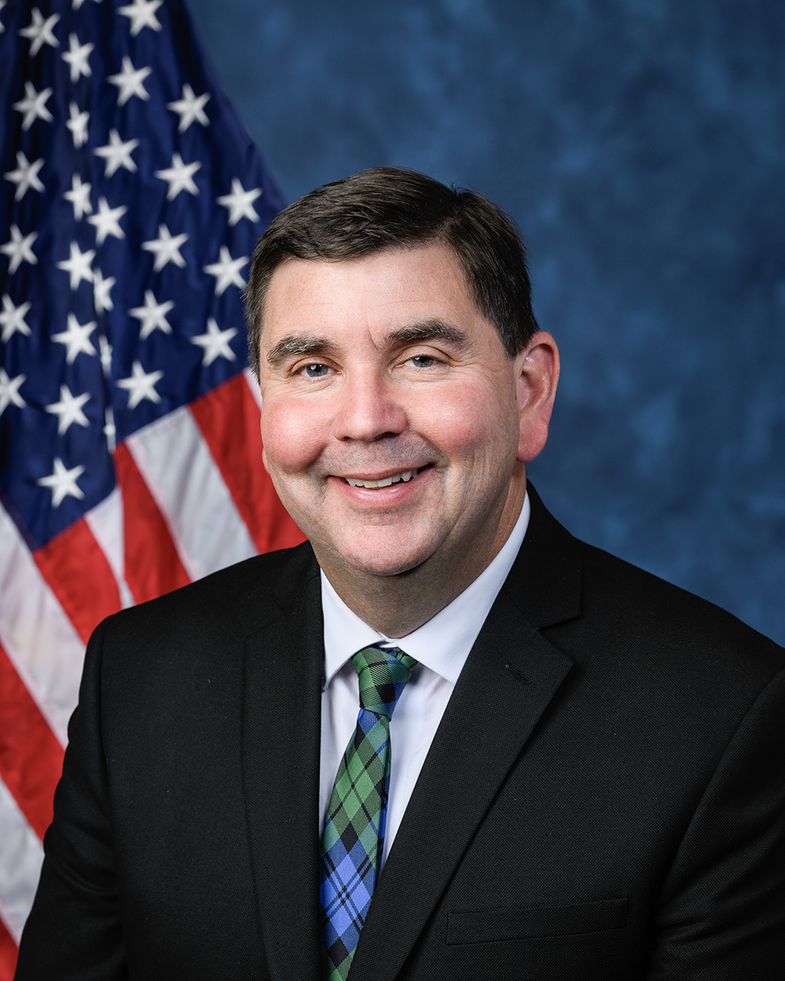
4 bill sponsors
Actions
13 actions
| Date | Action |
|---|---|
| Sep. 17, 2026 | Received in the Senate and Read twice and referred to the Committee on Health, Education, Labor, and Pensions. |
| Sep. 16, 2026 | Considered under suspension of the rules. (consideration: CR H5911-5913) |
| Sep. 16, 2026 | DEBATE - The House proceeded with forty minutes of debate on H.R. 7890. |
| Sep. 16, 2026 | Motion to reconsider laid on the table Agreed to without objection. |
| Sep. 16, 2026 | Mr. Walberg moved to suspend the rules and pass the bill, as amended. |
| Sep. 16, 2026 | On motion to suspend the rules and pass the bill, as amended Agreed to by voice vote. (text: CR H5911) |
| Sep. 16, 2026 | Passed/agreed to in House: On motion to suspend the rules and pass the bill, as amended Agreed to by voice vote. |
| Jun. 29, 2026 | Placed on the Union Calendar, Calendar No. 623. |
| Jun. 29, 2026 | Reported (Amended) by the Committee on Education and Workforce. H. Rept. 119-717. |
| Mar. 17, 2026 | Committee Consideration and Mark-up Session Held |
| Mar. 17, 2026 | Ordered to be Reported (Amended) by the Yeas and Nays: 33 - 0. |
| Mar. 12, 2026 | Introduced in House |
| Mar. 12, 2026 | Referred to the House Committee on Education and Workforce. |
Corporate Lobbying
0 companies lobbying
None found.
* Note that there can be significant delays in lobbying disclosures, and our data may be incomplete.