H.R. 7866: American Lending Fairness Act of 2026
This bill, known as the American Lending Fairness Act of 2026, aims to clarify the ability of states to regulate interest rates charged by their own banks and credit unions. Here are the key components of the bill:
State Regulation of Interest Rates
The bill allows states to adopt laws or have voters approve measures that state explicitly that certain federal immigration laws do not apply to loans made by financial institutions chartered by that state. This means:
- If a state chooses to opt out of certain federal interest rate regulations, it can do so for loans issued by banks and credit unions it has chartered.
- This change is aimed at giving states more control over the interest rates that local financial institutions can charge, potentially allowing them to set rates that differ from federal guidelines.
Federal Interest Rate Exportation
The bill modifies an existing federal regulation regarding interest rate exportation, which allows banks to charge higher interest rates based on the laws of their home state, even if those rates exceed what is typical or legal in the states where the loans are issued. With the bill’s passage, states can choose not to allow federal regulation of interest rates to apply to loans made by their own companies.
Repeal of Existing Legislation
The bill also repeals a section of past legislation (the Depository Institutions Deregulation and Monetary Control Act of 1980) that may have constrained states' abilities to manage these aspects of lending. This means:
- States would no longer be bound by specific federal guidelines that limit their discretion in regulating the interest rates charged by their chartered institutions.
- The amendments will affect state laws or certifications made prior to the enactment of this bill.
Implications
The bill intends to enhance the autonomy of state-chartered financial institutions in setting their lending terms and conditions, particularly regarding interest rates. This change could lead to a more competitive lending environment within states, where local banks and credit unions have more flexibility in terms of the rates they offer to consumers.
Relevant Companies
- JPM (JPMorgan Chase & Co.): As one of the largest banks, JPMorgan could be affected by shifts in state regulations that allow for varying interest rates, particularly in states where it operates.
- BAC (Bank of America Corporation): Similar to JPM, Bank of America may also experience impacts from state laws regarding interest rates, affecting its competitive stance in those markets.
- WFC (Wells Fargo & Company): Wells Fargo could face changes in compliance requirements based on state-chartered regulations for lending practices.
This is an AI-generated summary of the bill text. There may be mistakes.
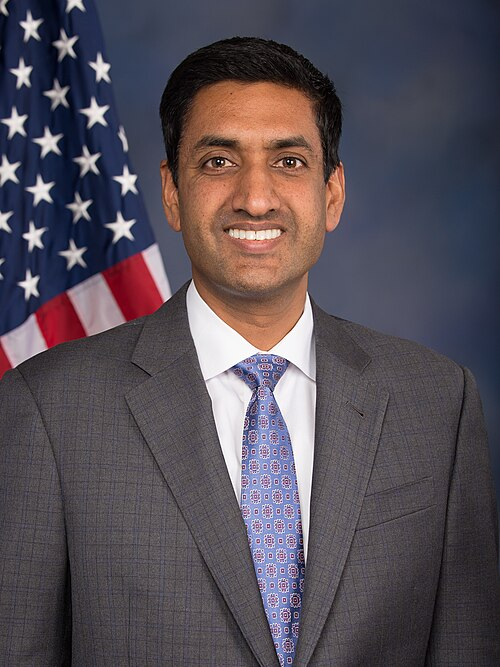
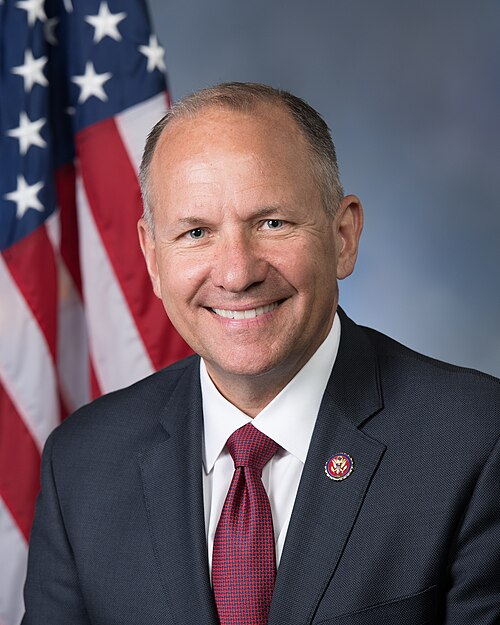
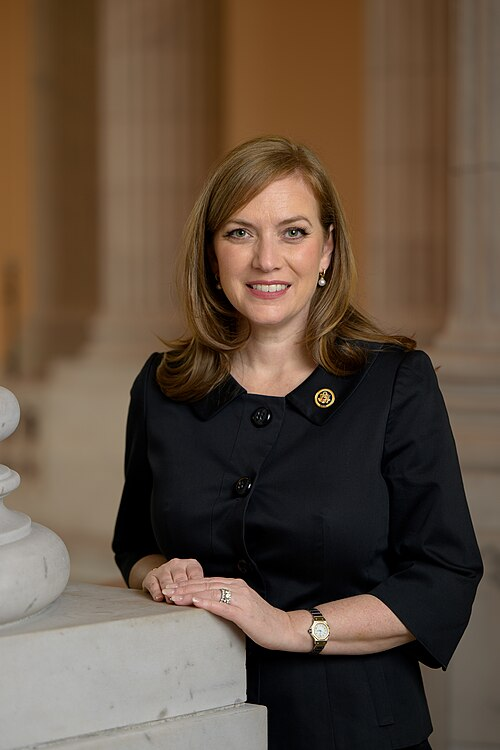
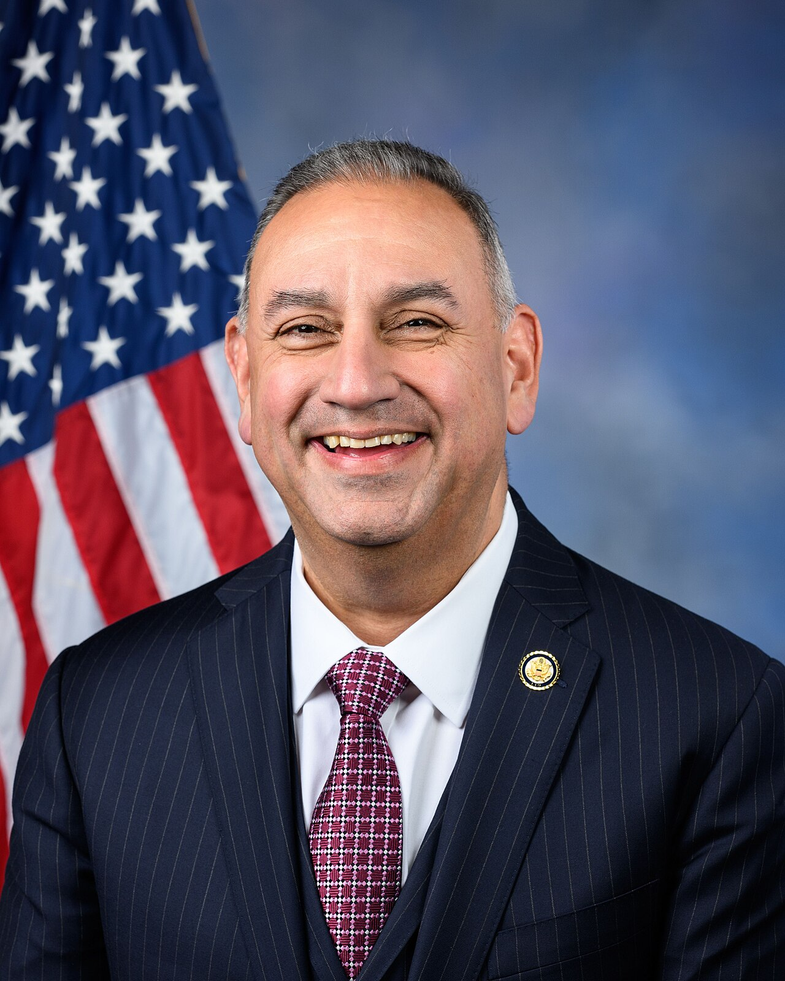
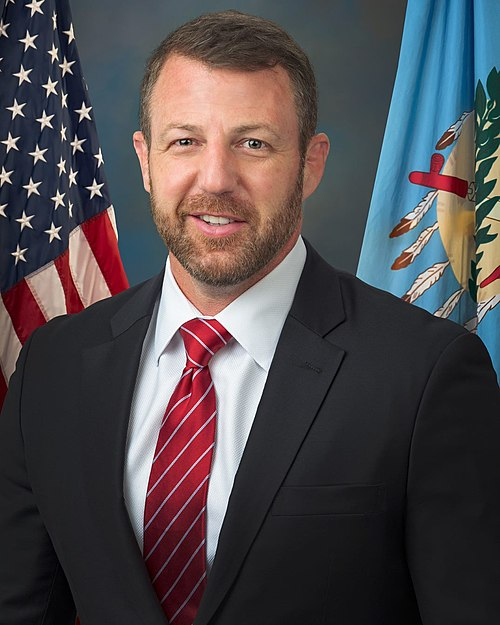
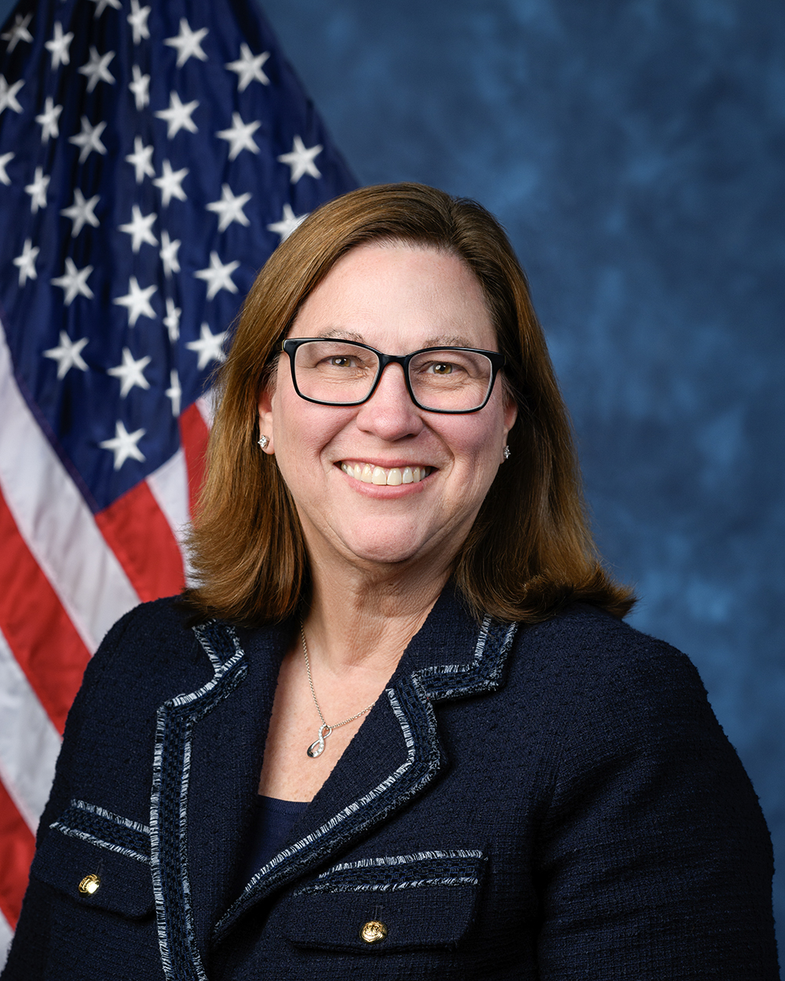
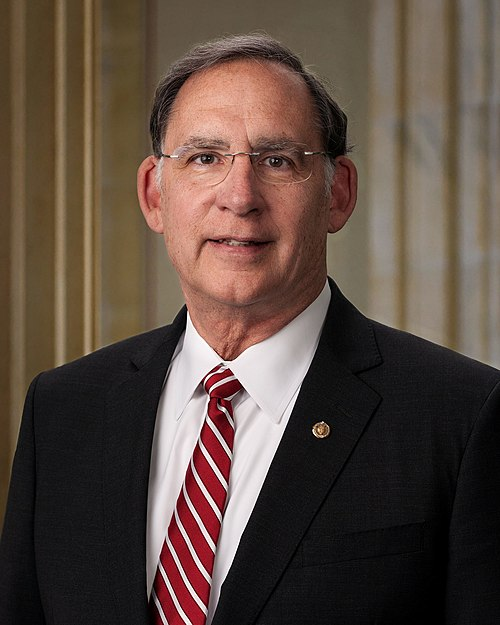
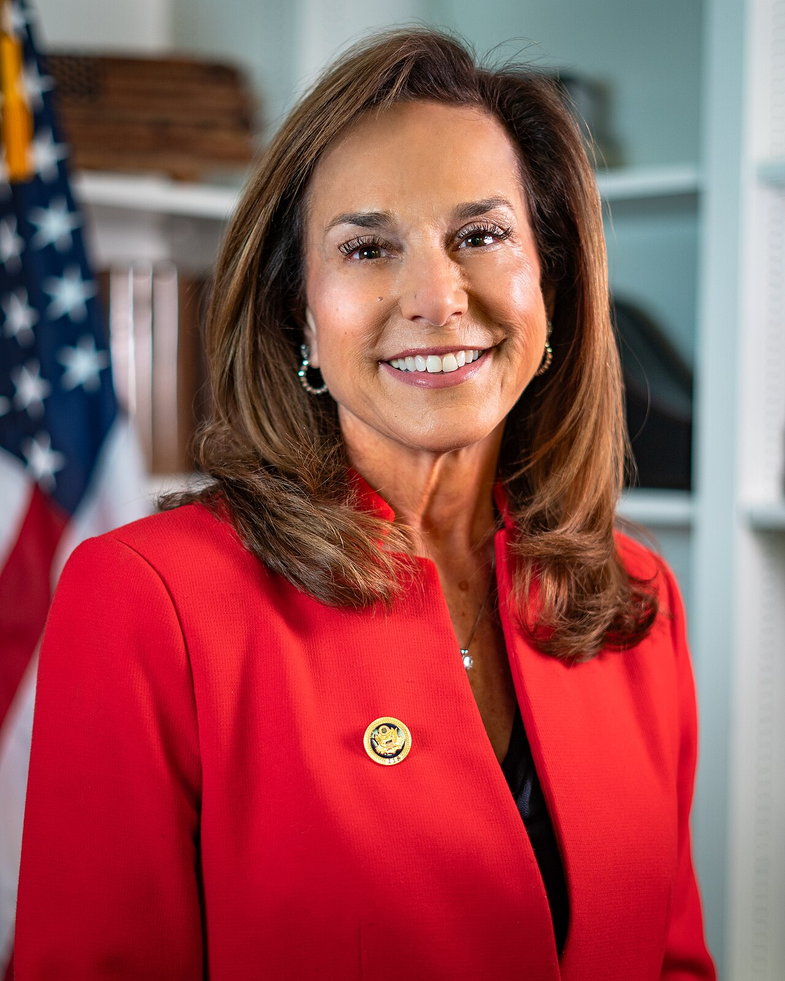
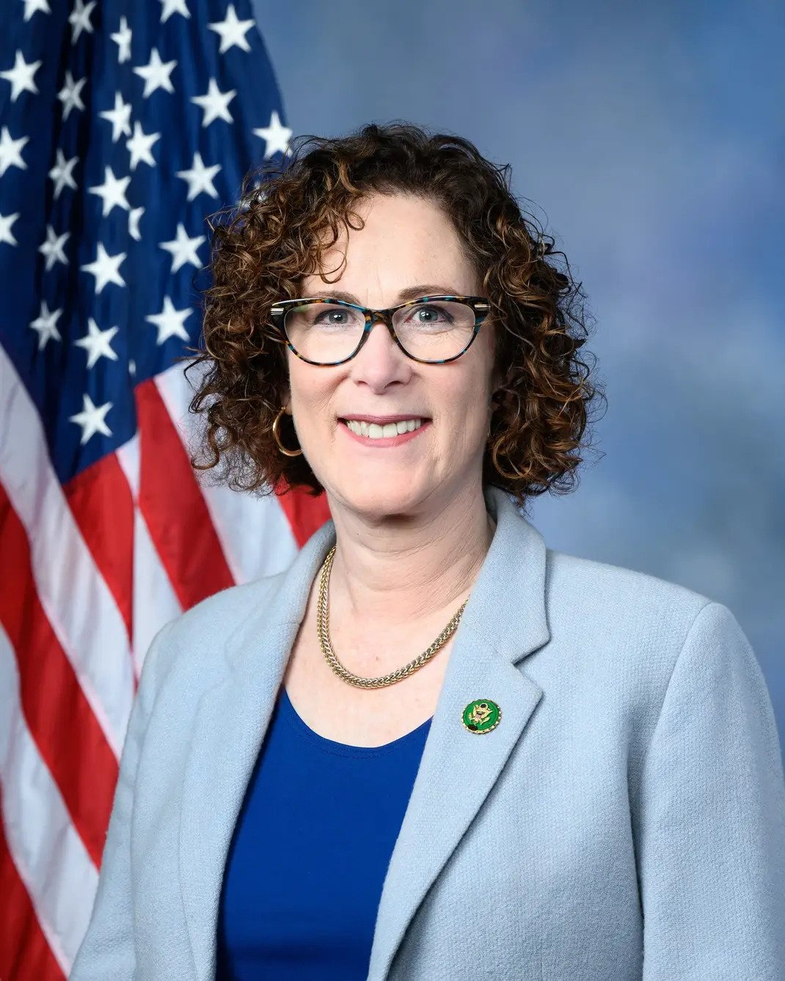
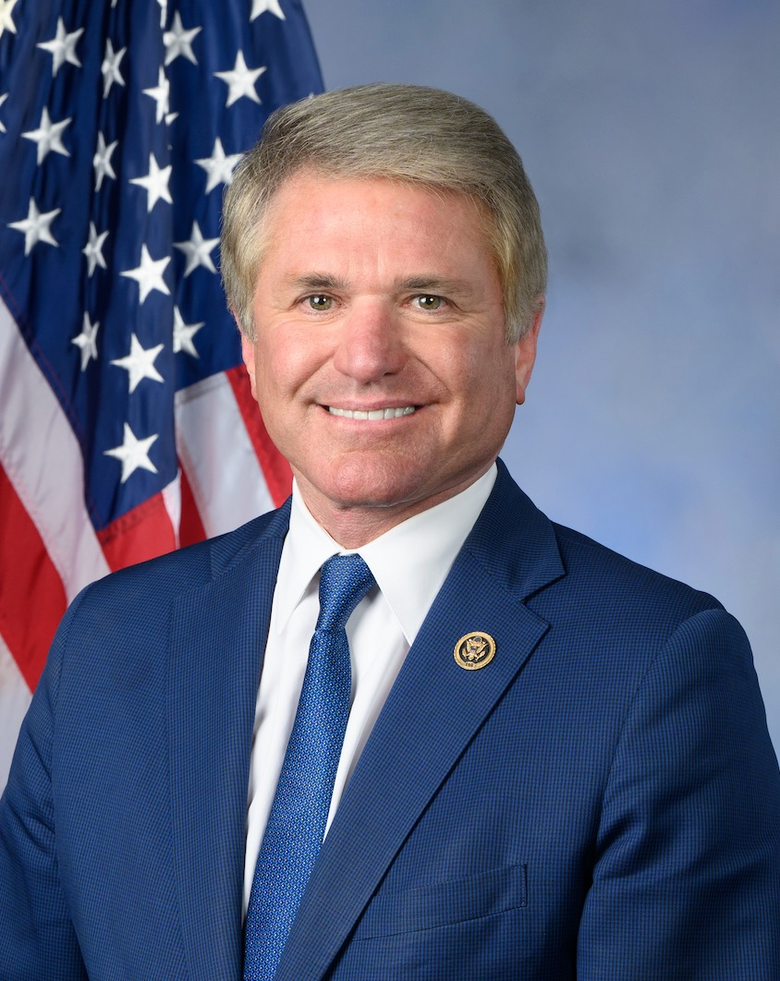
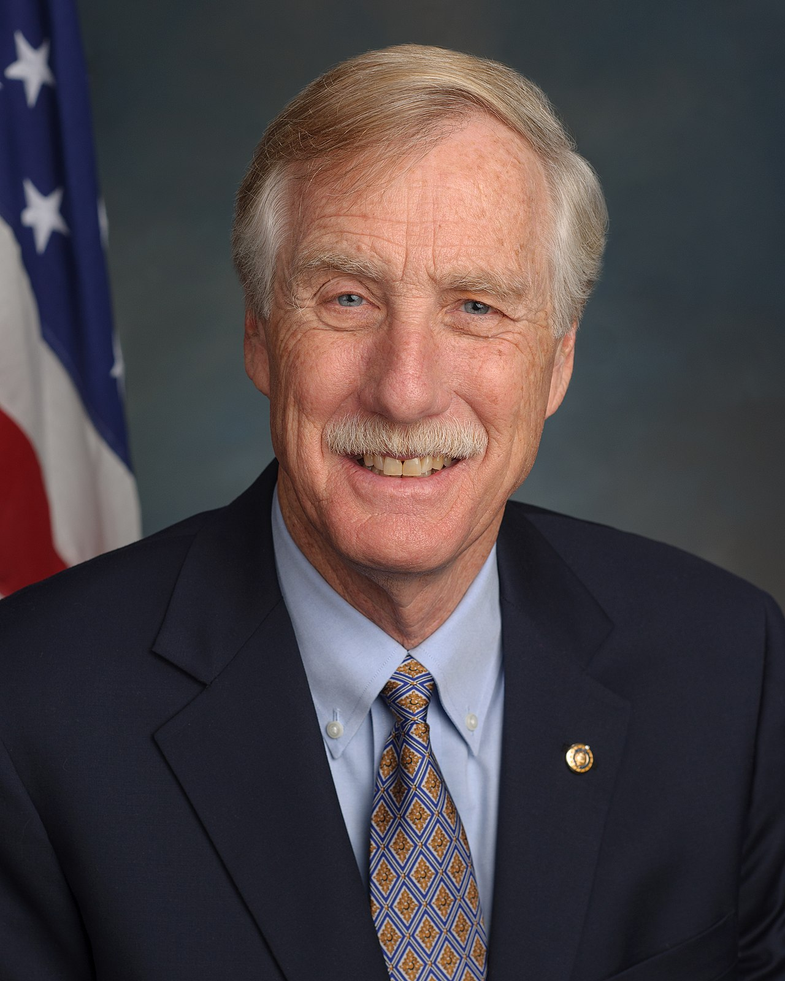
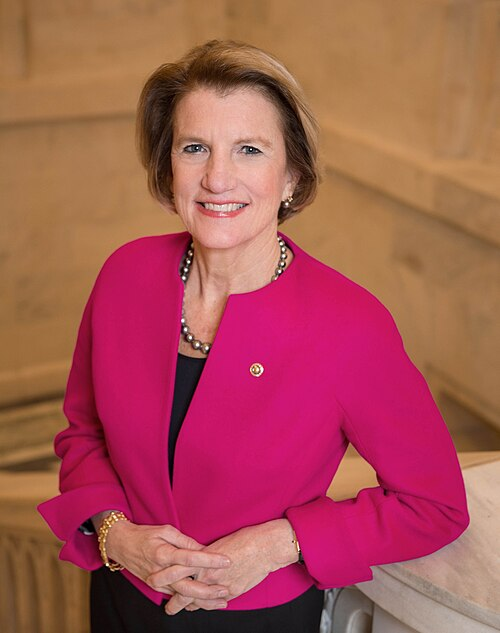
Sponsors
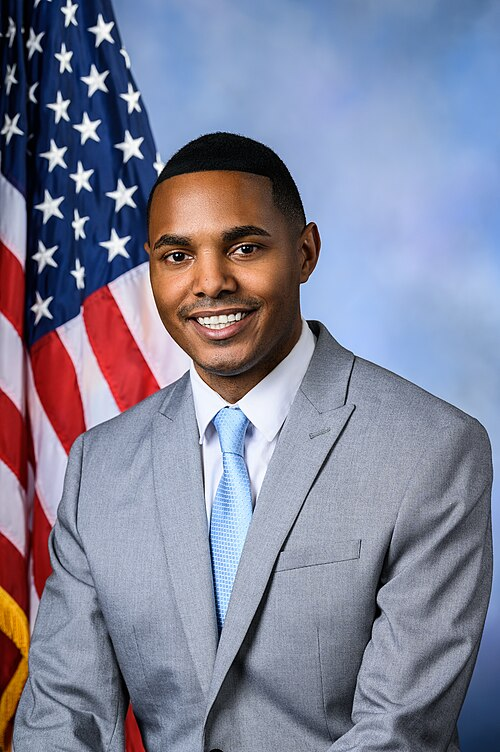
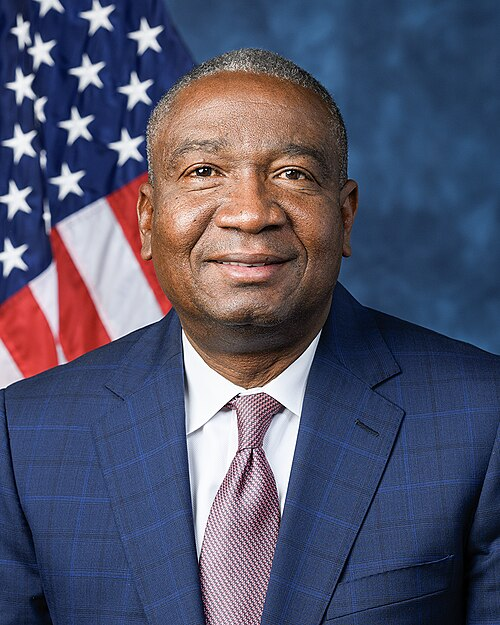
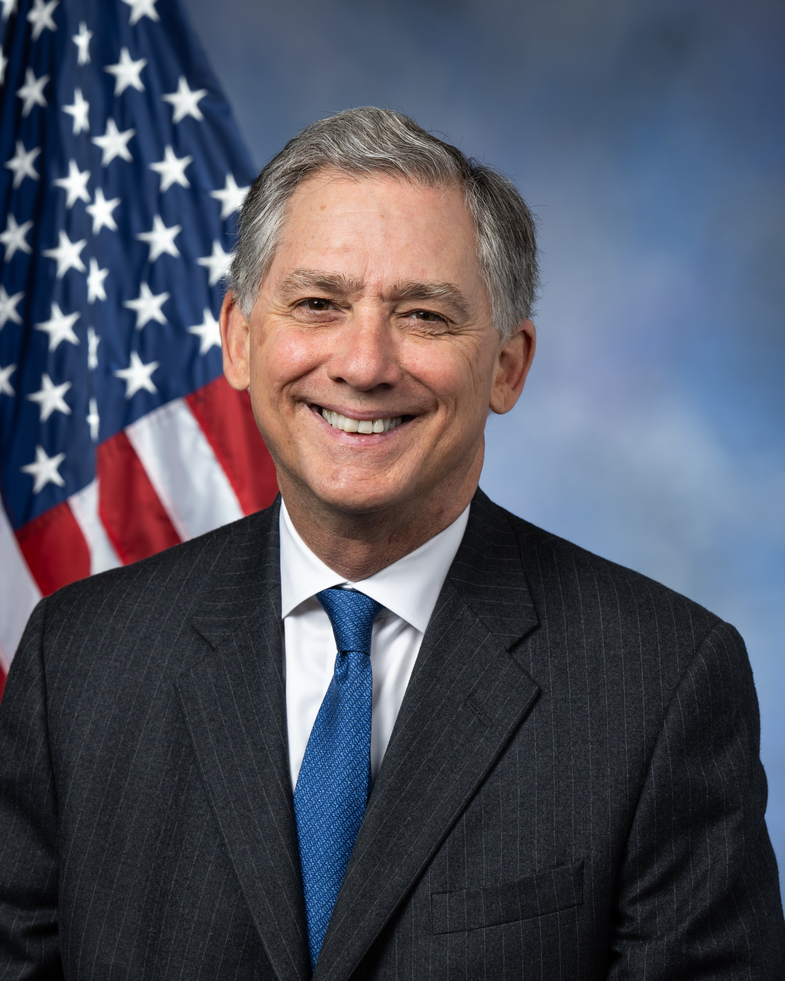
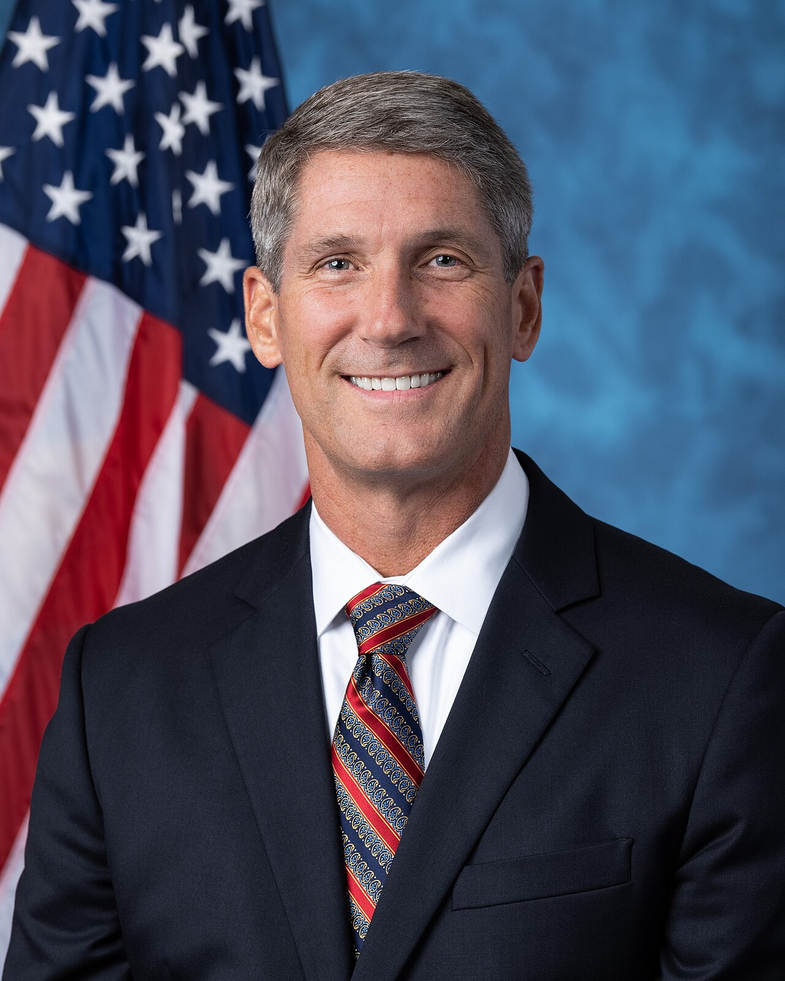
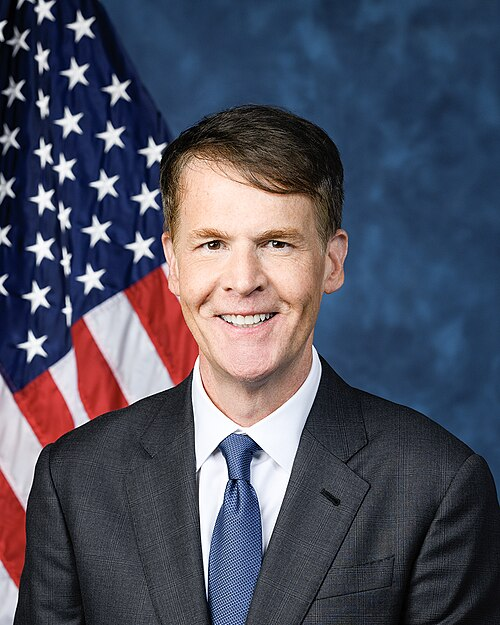
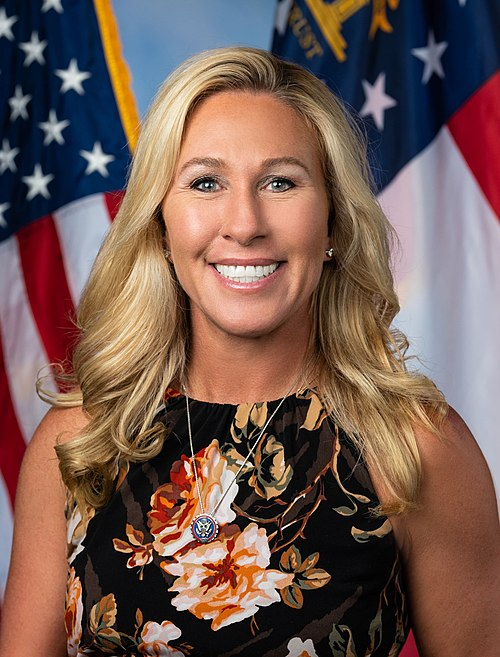
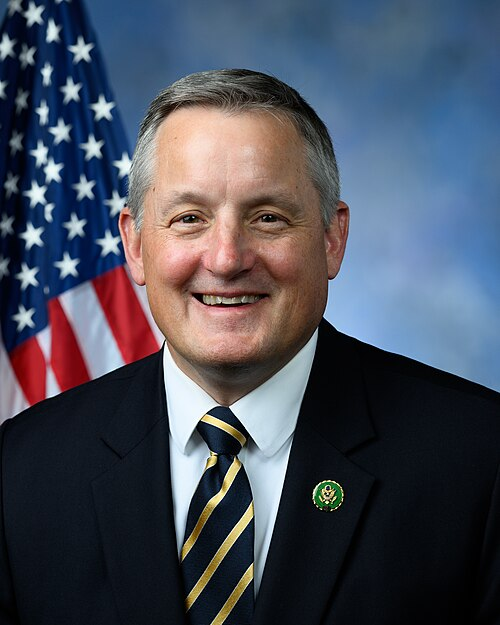
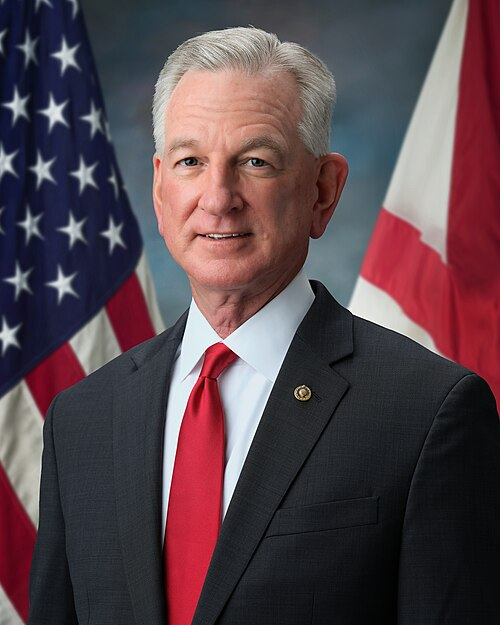
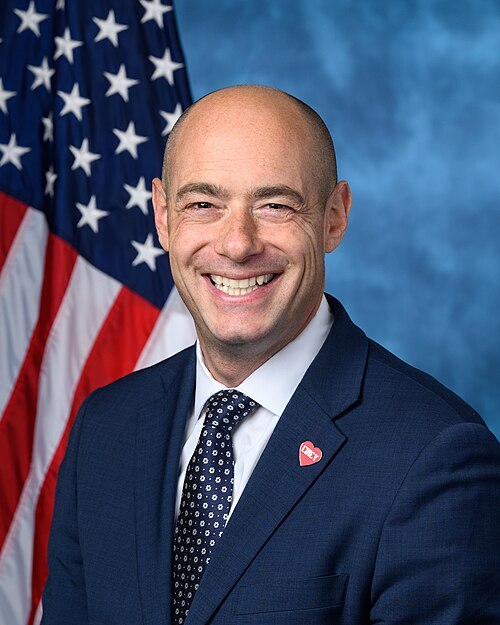
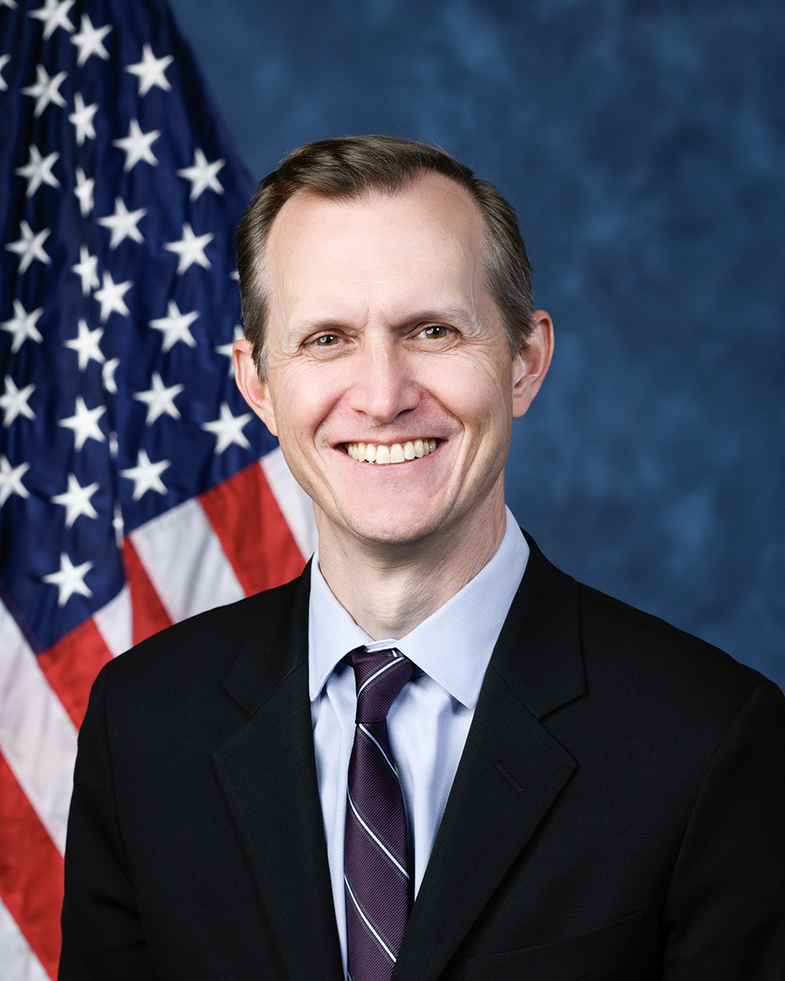
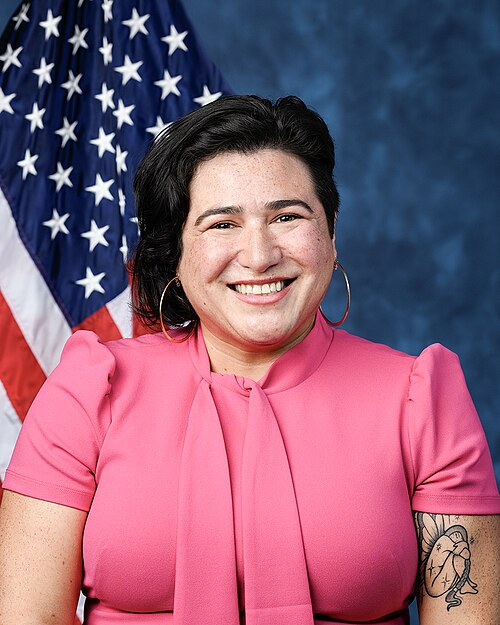
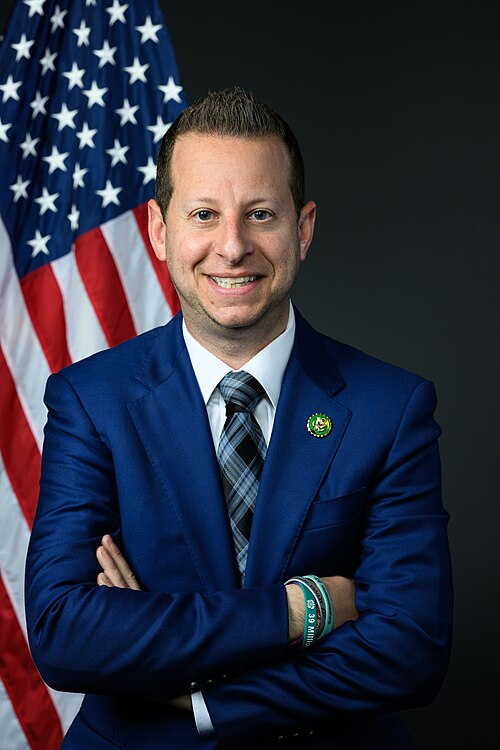
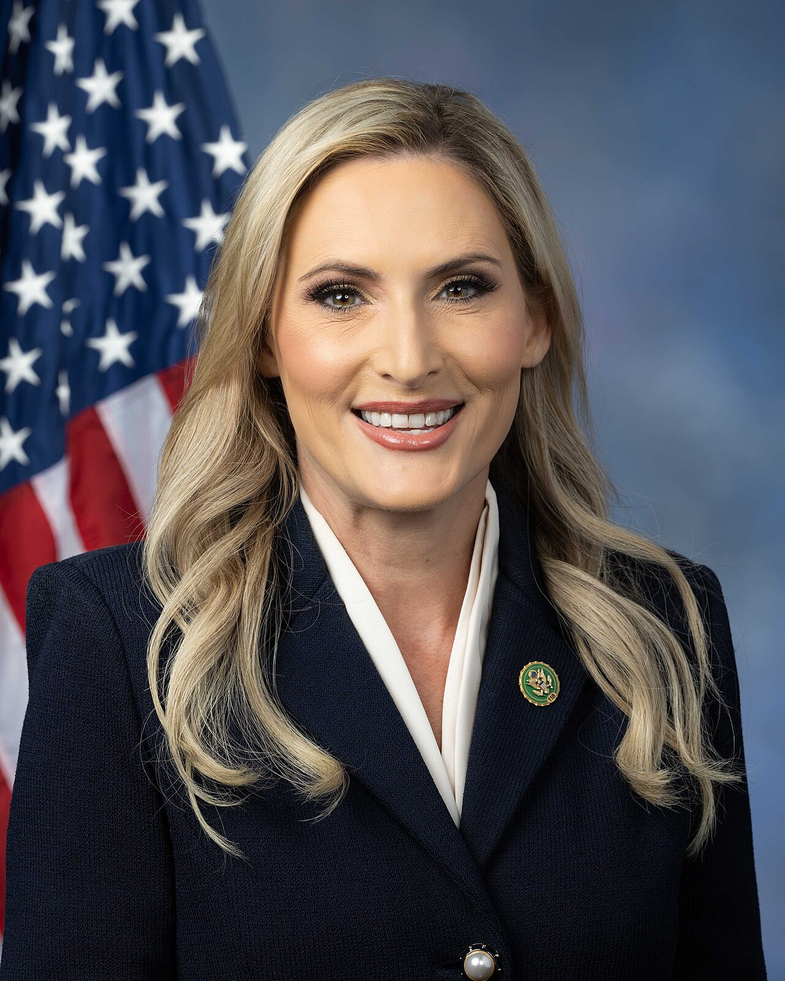
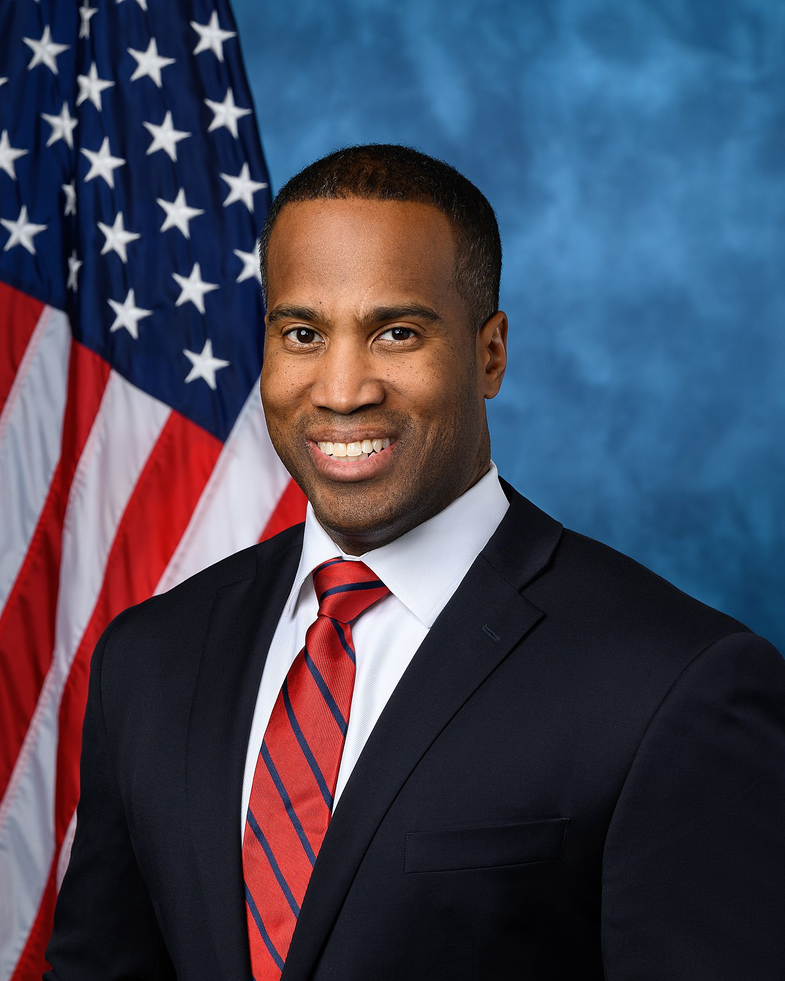
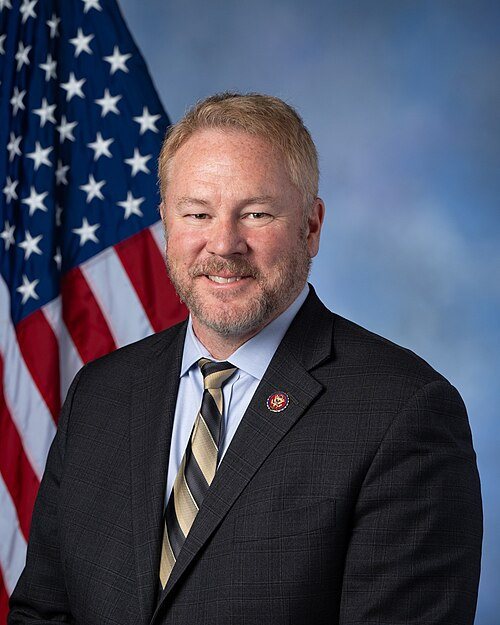
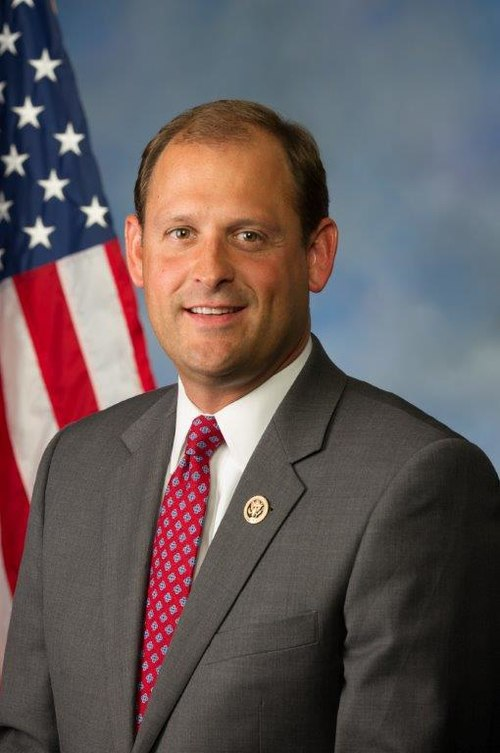
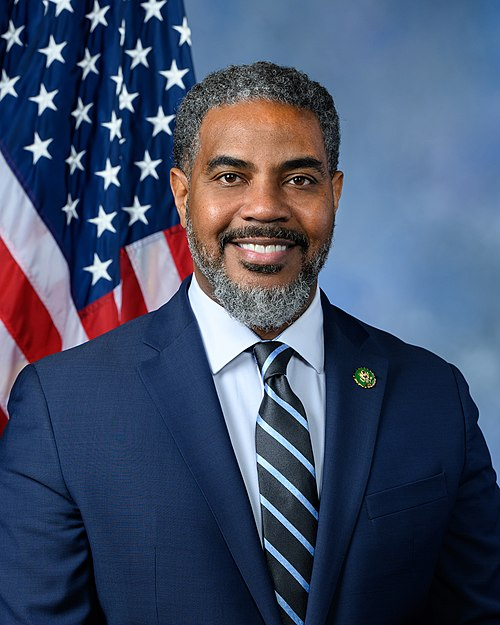
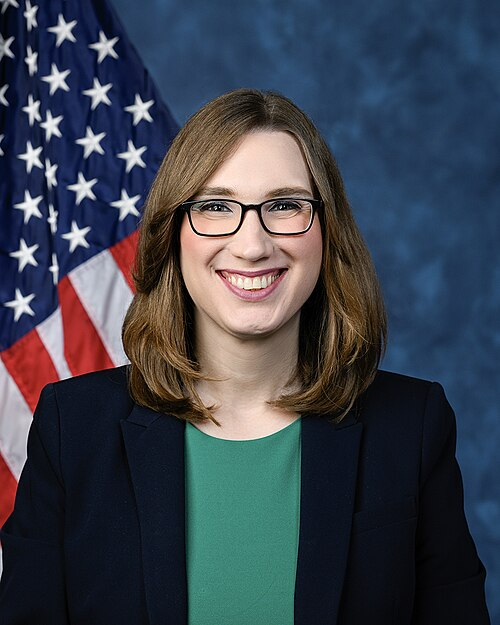
4 bill sponsors
Actions
2 actions
| Date | Action |
|---|---|
| Mar. 09, 2026 | Introduced in House |
| Mar. 09, 2026 | Referred to the House Committee on Financial Services. |
Corporate Lobbying
0 companies lobbying
None found.
* Note that there can be significant delays in lobbying disclosures, and our data may be incomplete.