H.R. 7822: Tariff Relief for Consumers Act
The bill known as the Tariff Relief for Consumers Act aims to provide financial relief to consumers affected by tariffs that were imposed under the International Emergency Economic Powers Act (IEEPA) by the previous administration, and which have been deemed invalid by the Supreme Court. Here are the key aspects of the bill:
Findings
The bill asserts several key findings, including:
- Previous tariffs imposed under the IEEPA led to increased prices for consumers and additional costs for businesses.
- Research indicates that consumers bore a significant portion of the tariff costs, with companies passing these costs onto consumers through higher prices.
- Due to a Supreme Court ruling declaring the tariffs unlawful, it is important that refunds for these tariffs directly benefit consumers, rather than just large corporations.
Tariff Refund Program
Establishment
The Secretary of the Treasury is required to create regulations to establish a refund program for importers who paid tariffs that have been invalidated. This program must be established within 30 days of the bill's enactment.
Application Requirements
- Outline how they will reduce prices for customers proportionate to the amount of the tariff refund.
- Show that the price reductions target essential consumer goods or indicate other mechanisms to provide rebates to customers.
Prioritization
Refunds will be prioritized for importers who:
- Demonstrate that they have lowered prices for essential consumer goods in anticipation of receiving refunds.
- Provide a mechanism for former consumers to receive rebates based on the refunded amounts.
Prohibition on Financial Practices
Importers who apply for refunds will not be allowed to engage in stock buybacks or dividend distributions unless they certify that they have taken the necessary steps to reduce consumer prices.
Deadline for Refunds
The Secretary must ensure that all refunds are processed within 180 days of the bill's enactment, provided importers meet the program's requirements.
Definitions
The bill provides definitions for key terms:
- Covered importer: An entity that paid $5 million or more in such tariffs, excluding those whose parent company had less than $10 million in revenue in the prior year.
- Essential consumer goods: These include items like infant formula, diapers, hygiene products, and basic clothing.
Relevant Companies
- PG (Procter & Gamble): As a major consumer goods company, any tariffs affecting their products could influence pricing strategies after potential refunds.
- KO (Coca-Cola): If tariffs were previously applied to their products, they may need to adjust prices based on the outcome of this bill.
- PEP (PepsiCo): Similar to Coca-Cola, this company could be affected by pricing adjustments relating to consumer goods previously subject to tariffs.
This is an AI-generated summary of the bill text. There may be mistakes.
Sponsors
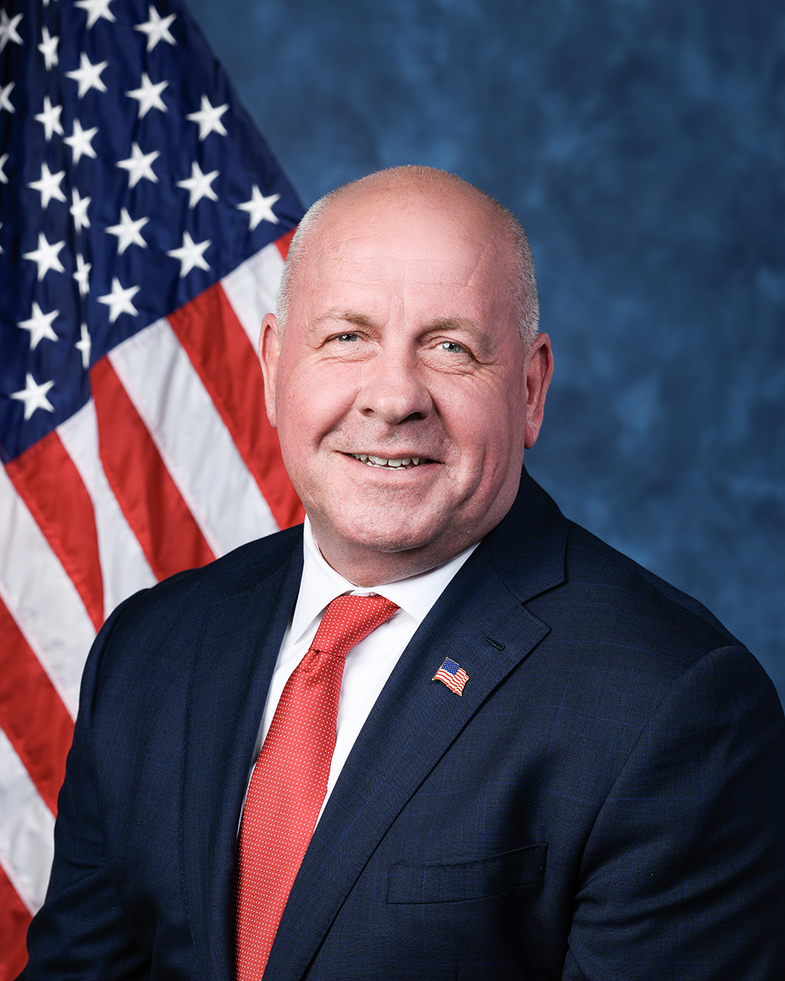
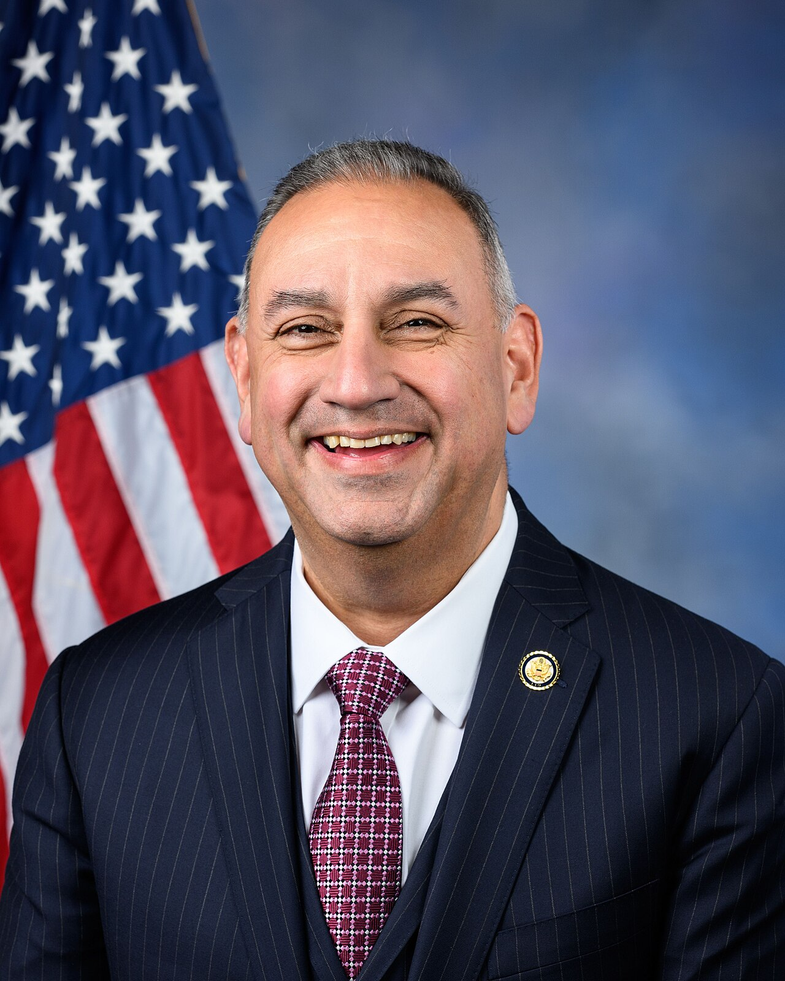
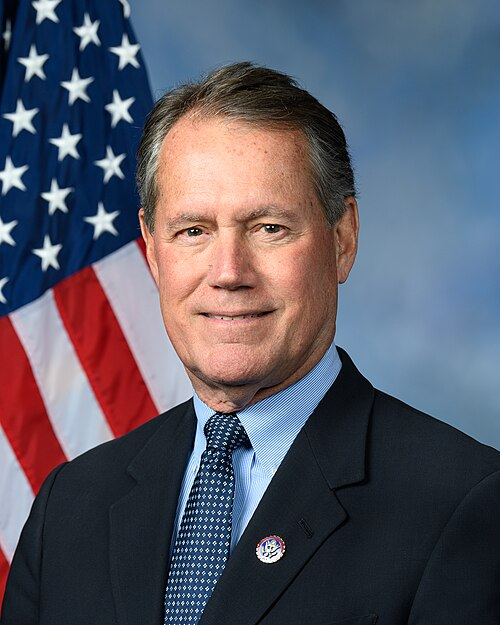
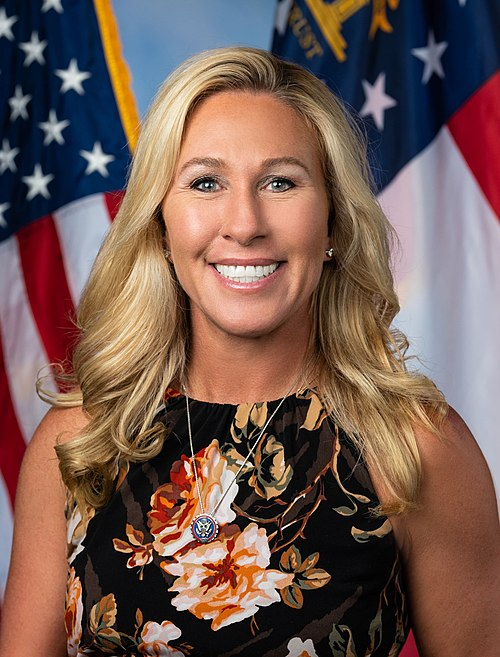
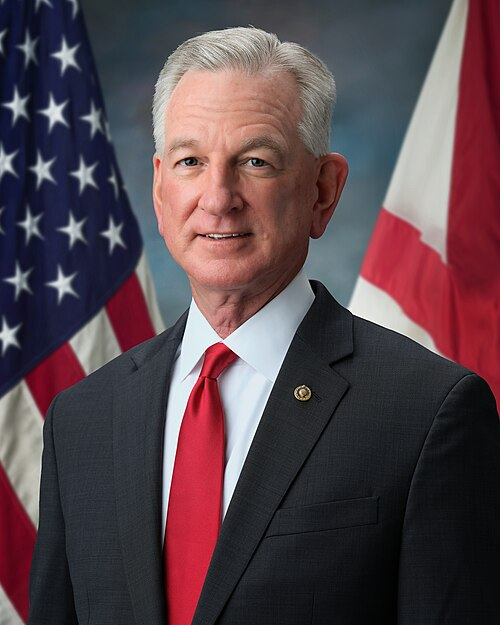
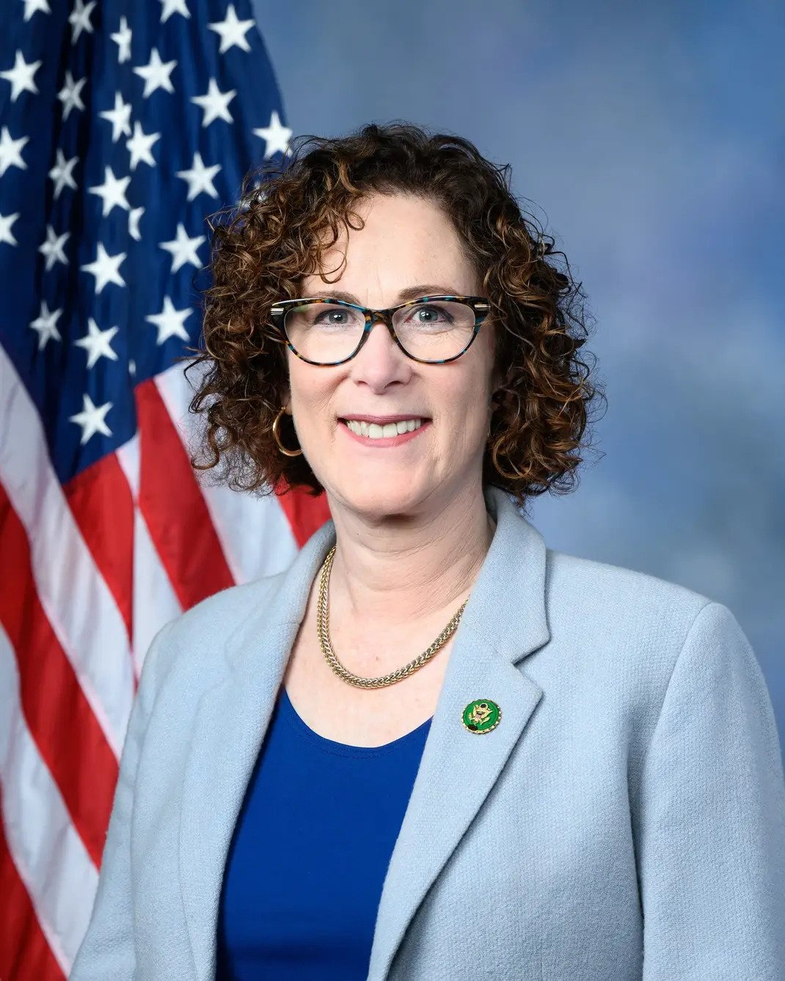
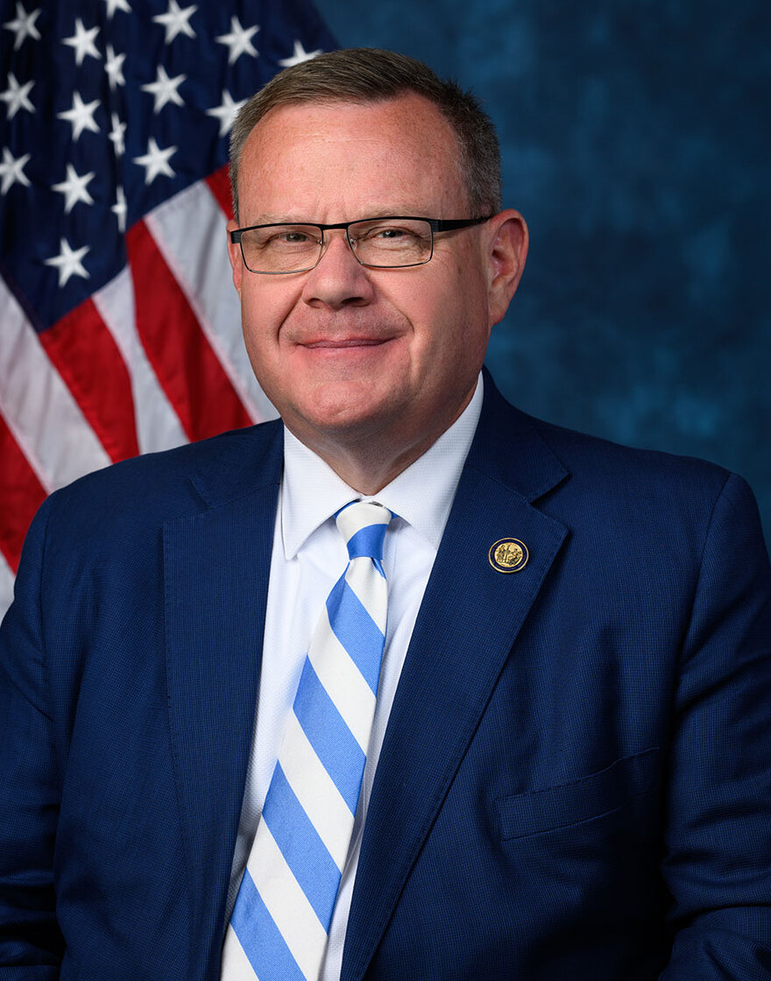
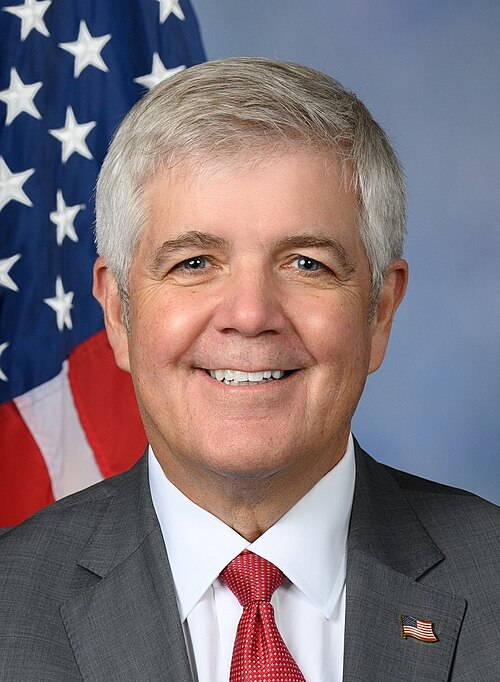
3 bill sponsors



Actions
2 actions
| Date | Action |
|---|---|
| Mar. 05, 2026 | Introduced in House |
| Mar. 05, 2026 | Referred to the House Committee on Ways and Means. |
Corporate Lobbying
0 companies lobbying
None found.
* Note that there can be significant delays in lobbying disclosures, and our data may be incomplete.