
H.R. 7709: Full-Body Restraint Prohibition Act
This bill, known as the Full-Body Restraint Prohibition Act, is designed to amend the Homeland Security Act of 2002 by introducing specific prohibitions regarding the use of full-body restraints by the Department of Homeland Security (DHS). Here are the key components of the bill:
Prohibitions on Use of Full-Body Restraints
The bill prohibits the Secretary of Homeland Security from:
- Obligating or spending federal funds to acquire full-body restraints.
- Utilizing full-body restraints in any capacity.
Exceptions
The prohibition against spending federal funds does not apply to any contracts or agreements that were entered into before the date this law is enacted.
Disciplinary Measures
If an officer or employee of the DHS violates the prohibition of this bill, they may face disciplinary actions, including removal from federal service. Additionally, any attempts to deceive Congress or department leadership about such violations are also subject to similar disciplinary measures.
Reporting Requirements
The Secretary of Homeland Security is required to submit reports on departmental compliance with these prohibitions. These reports must include:
- Information about how the DHS is adhering to the prohibitions outlined in the bill.
- An inventory of any full-body restraints currently in the possession of the department.
Furthermore, if there are violations of the prohibition on utilization, the reports must identify:
- The individual upon whom the restraint was used.
- The reasons for the use of such restraints.
- Demographic information of the individuals involved, such as age, sex, race, and ethnicity.
- The duration of the restraint's application.
- The citizen or immigration status of the individual restrained.
- Any injuries sustained as a result of the restraint.
- The department component responsible for the use of the restraint.
- The location and circumstances under which the restraint was applied.
- Available language access services provided to the individual prior to and during the restraint.
- The officer or employee responsible for employing the restraint.
- Qualifications of any medical professionals involved in the decision to use the restraint.
Definition of Full-Body Restraints
The bill defines "full-body restraints" as four-point and five-point restraints that completely immobilize an individual.
Clerical Amendment
The bill also calls for a clerical amendment to include the new section regarding prohibitions on full-body restraints in the table of contents of the Homeland Security Act of 2002.
Relevant Companies
None found
This is an AI-generated summary of the bill text. There may be mistakes.
Sponsors
16 bill sponsors
-
TrackDelia C. Ramirez
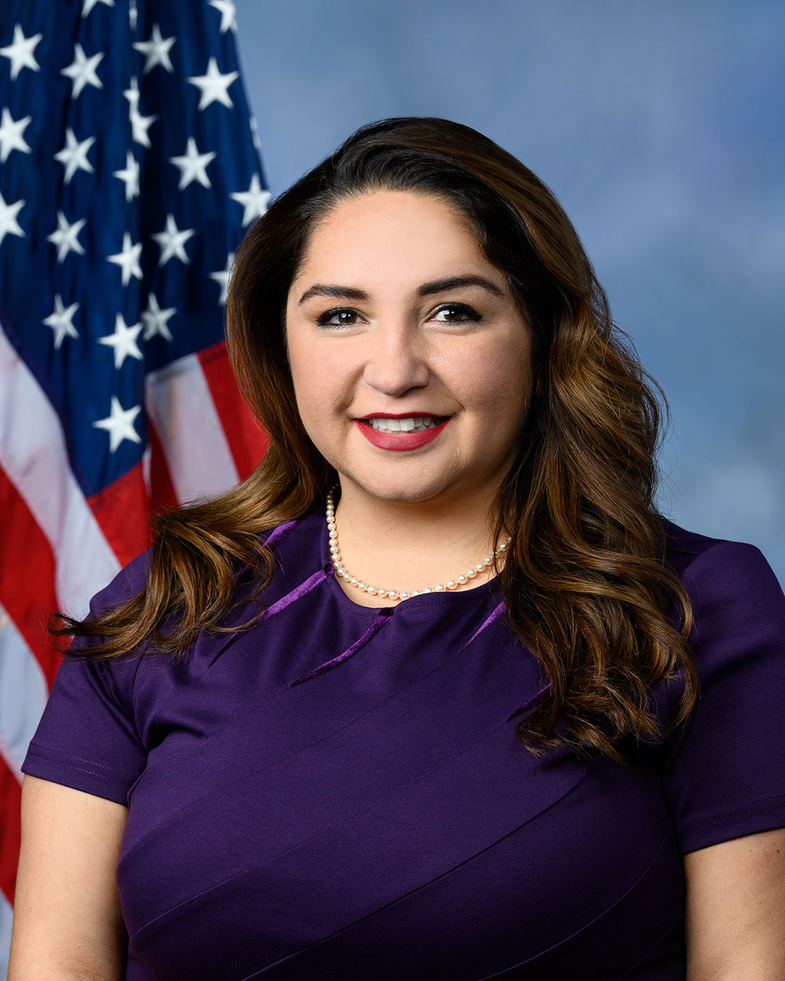
Sponsor
-
TrackDanny K. Davis
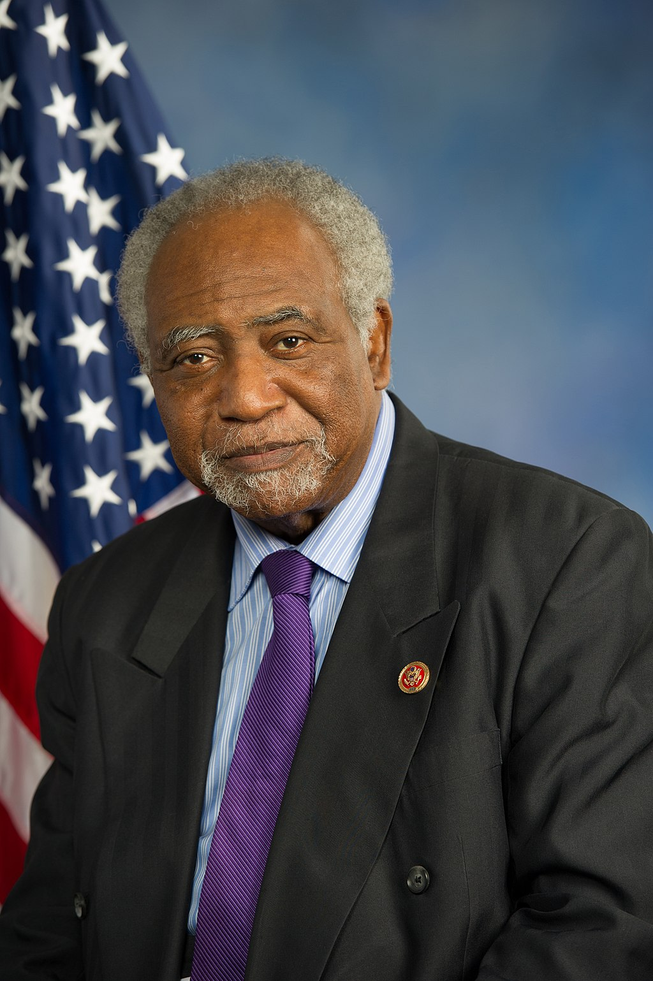
Co-Sponsor
-
TrackAdriano Espaillat
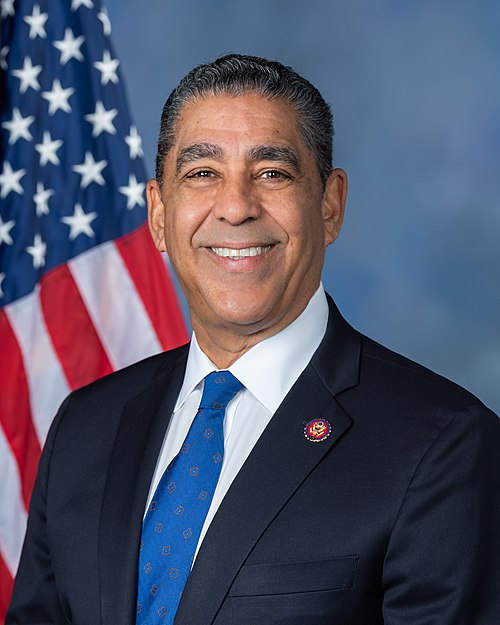
Co-Sponsor
-
TrackDwight Evans
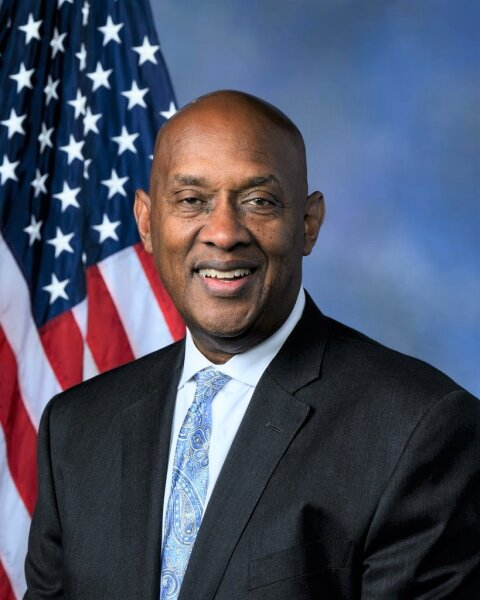
Co-Sponsor
-
TrackMaxwell Frost
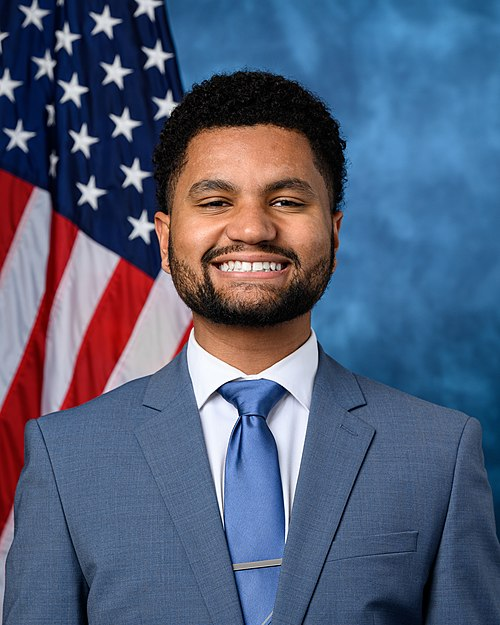
Co-Sponsor
-
TrackDaniel S. Goldman
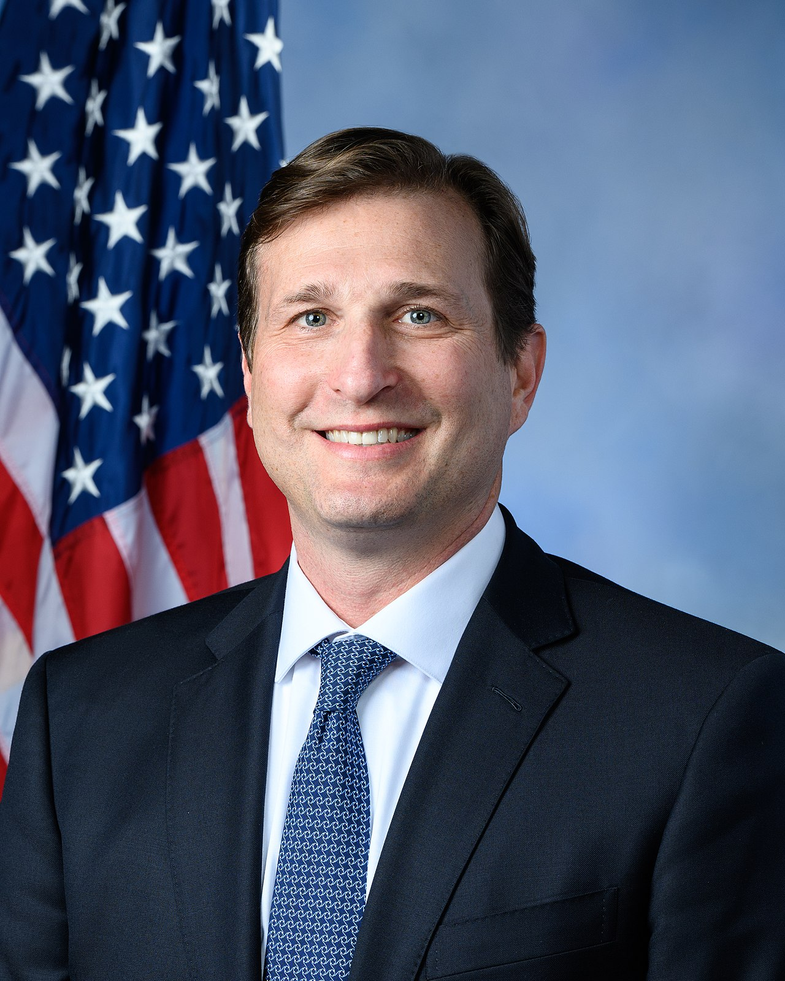
Co-Sponsor
-
TrackHenry C. "Hank" Johnson, Jr.
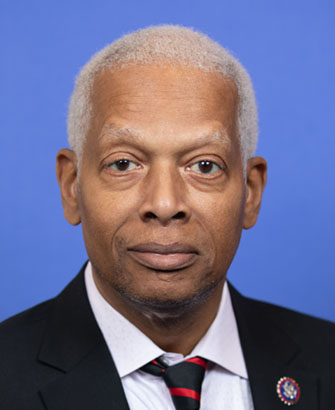
Co-Sponsor
-
TrackSummer L. Lee
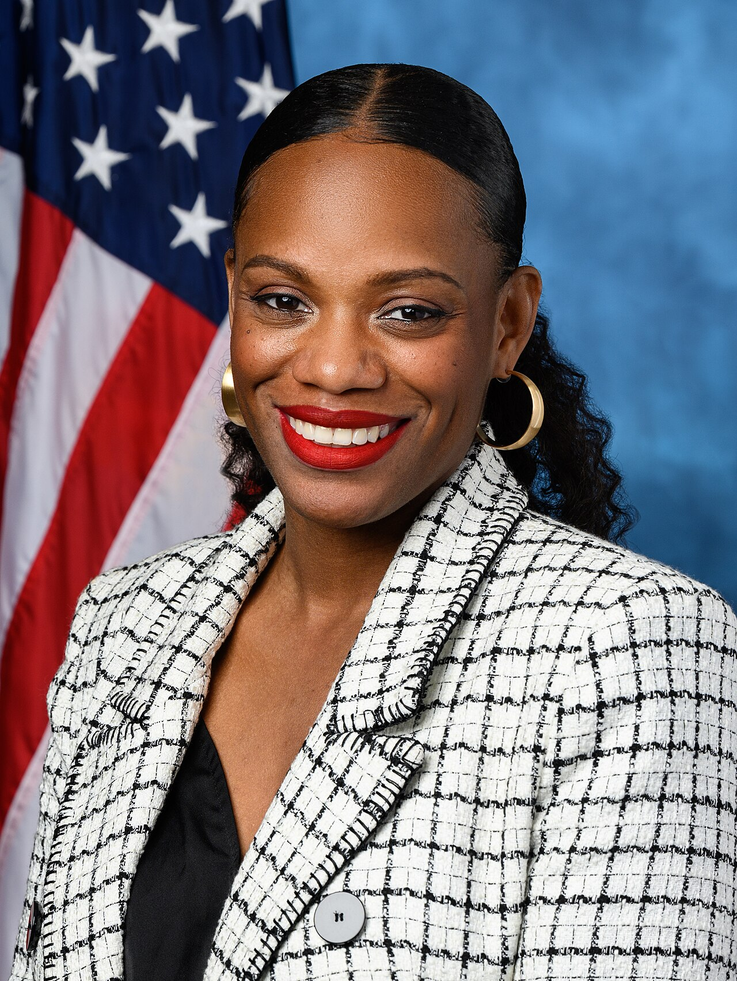
Co-Sponsor
-
TrackZoe Lofgren
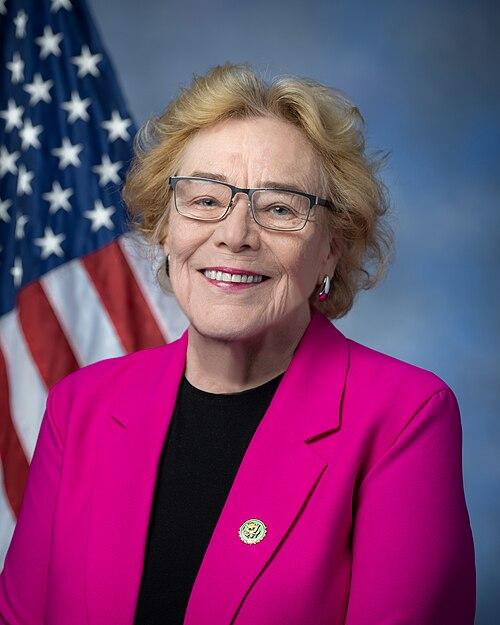
Co-Sponsor
-
TrackApril McClain Delaney
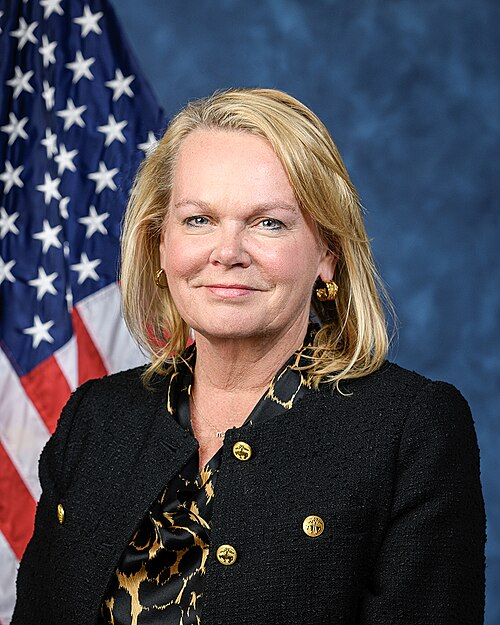
Co-Sponsor
-
TrackKevin Mullin
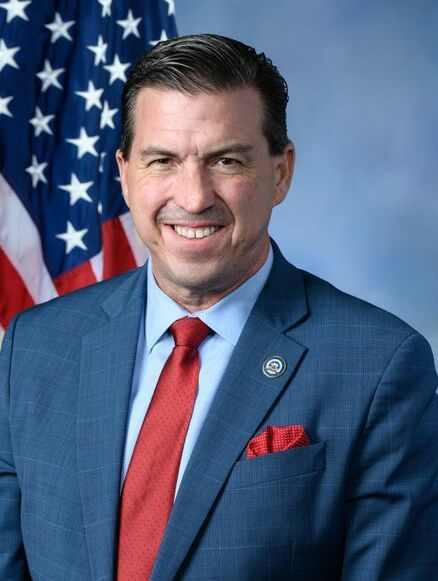
Co-Sponsor
-
TrackEleanor Holmes Norton

Co-Sponsor
-
TrackEmily Randall
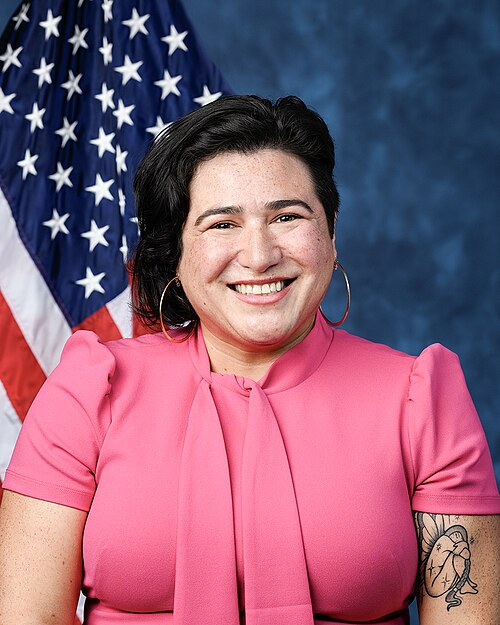
Co-Sponsor
-
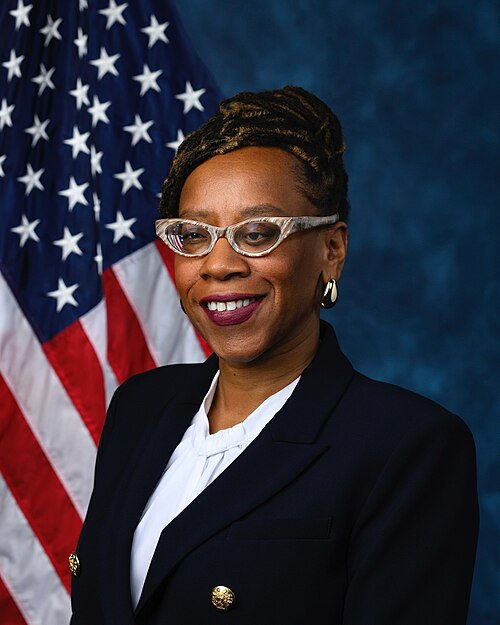
TrackLateefah Simon
Co-Sponsor
-
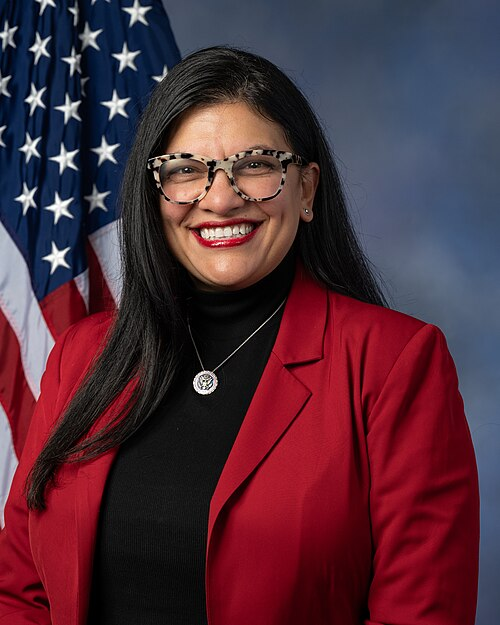
TrackRashida Tlaib
Co-Sponsor
-
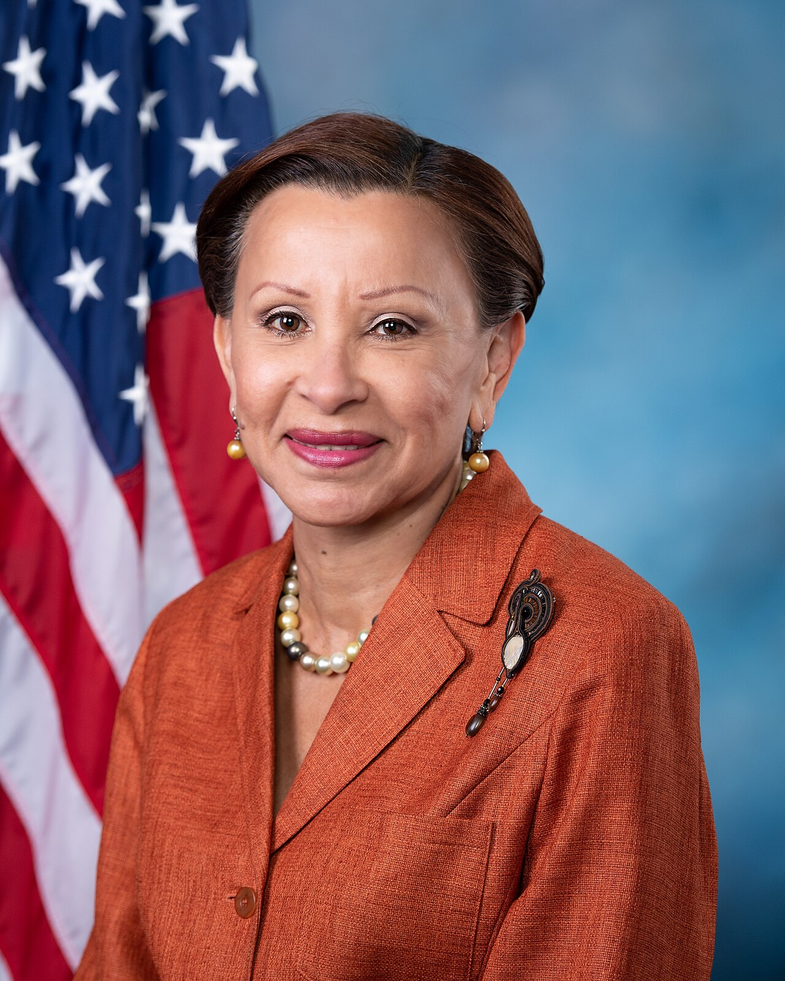
TrackNydia M. Velázquez
Co-Sponsor
Actions
3 actions
| Date | Action |
|---|---|
| Feb. 26, 2026 | Referred to the Subcommittee on Oversight, Investigations, and Accountability. |
| Feb. 25, 2026 | Introduced in House |
| Feb. 25, 2026 | Referred to the House Committee on Homeland Security. |
Corporate Lobbying
0 companies lobbying
None found.
* Note that there can be significant delays in lobbying disclosures, and our data may be incomplete.
Potentially Relevant Congressional Stock Trades
No relevant congressional stock trades found.