H.R. 7704: VA Call Center Multi-Factor Authentication Act
This bill, titled the VA Call Center Multi-Factor Authentication Act, proposes changes to the way identity verification is conducted at call centers operated by the Department of Veterans Affairs (VA). The main objective of the bill is to enhance security measures during the interaction between veterans or beneficiaries and VA representatives, particularly when it comes to high-impact actions that could significantly affect those individuals.
Key Provisions
- Multi-Factor Authentication Requirement: The bill mandates that VA call centers implement multi-factor authentication processes to verify the identity of callers. This means that instead of relying on just one piece of information, such as a password or an account number, the call centers would require additional verification steps to confirm that the person on the other end of the line is who they say they are.
- Definition of High-Impact Actions: The bill specifies what constitutes a "high-impact" action, which involves situations where a caller could cause serious and lasting harm to veterans or beneficiaries. Examples of high-impact actions include diverting funds, manipulating access to accounts, or disclosing sensitive personal information.
- Regulatory Changes: The bill seeks to amend Section 5722 of Title 38 of the United States Code to include these new requirements. This would create a legal obligation for the VA to adopt these security measures at their call centers.
Purpose of the Bill
The purpose of this legislation is to improve the security of the communication process for veterans and beneficiaries engaging with the VA. By utilizing multi-factor authentication, the intent is to protect sensitive information and prevent fraudulent activities that might arise from identity theft or impersonation.
Expected Impact
Should this bill be enacted, it would lead to changes in the operational procedures of VA call centers. These centers would need to develop and implement new systems and processes for handling calls, which would likely involve increased training for personnel and potential investments in technology to support multi-factor authentication efforts.
Implementation Challenges
While the enhanced security measures aim to provide better protection for veterans and beneficiaries, there may also be challenges associated with the implementation. These could include technical hurdles in developing secure systems, the complexity of managing multiple verification methods, and ensuring that the process does not become a barrier for veterans seeking assistance.
Relevant Companies
None found.
This is an AI-generated summary of the bill text. There may be mistakes.
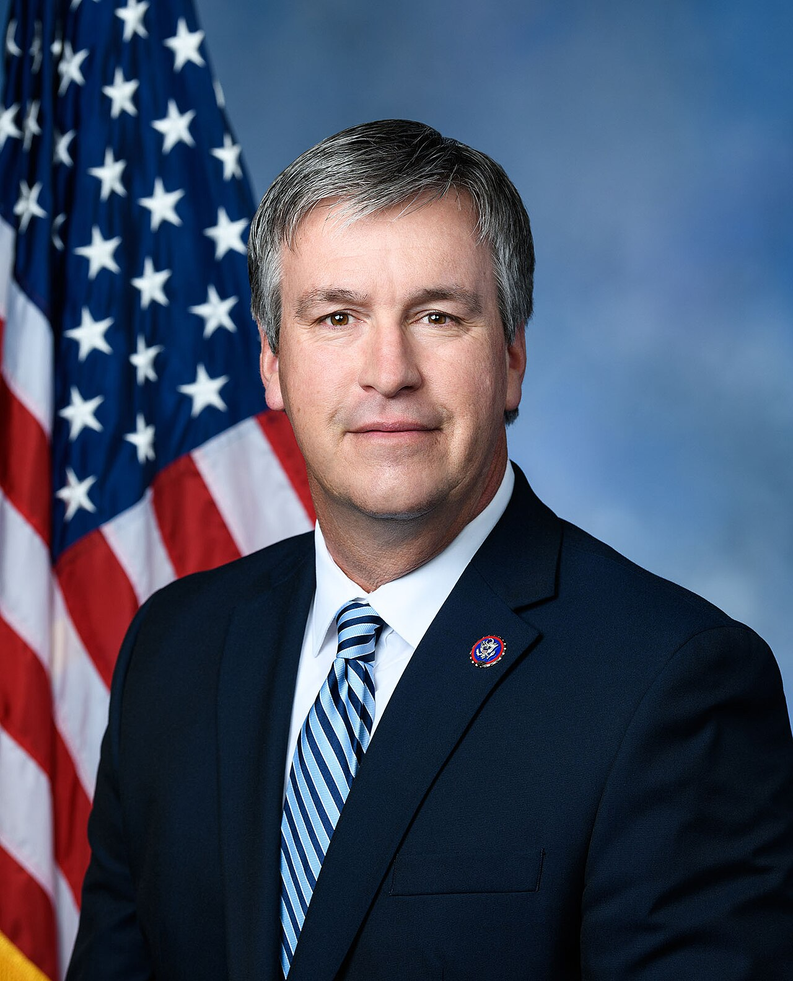
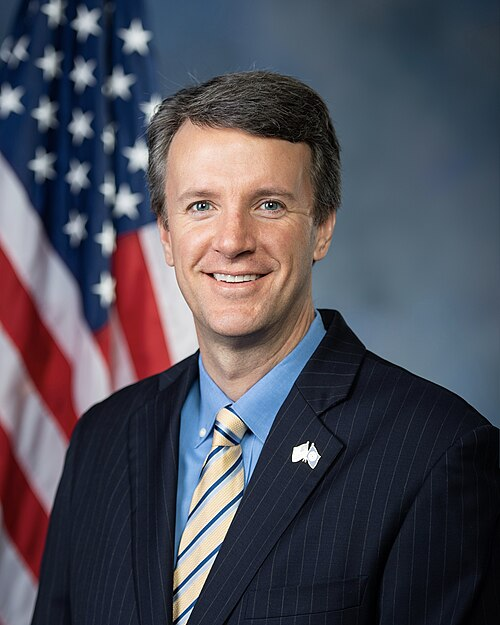
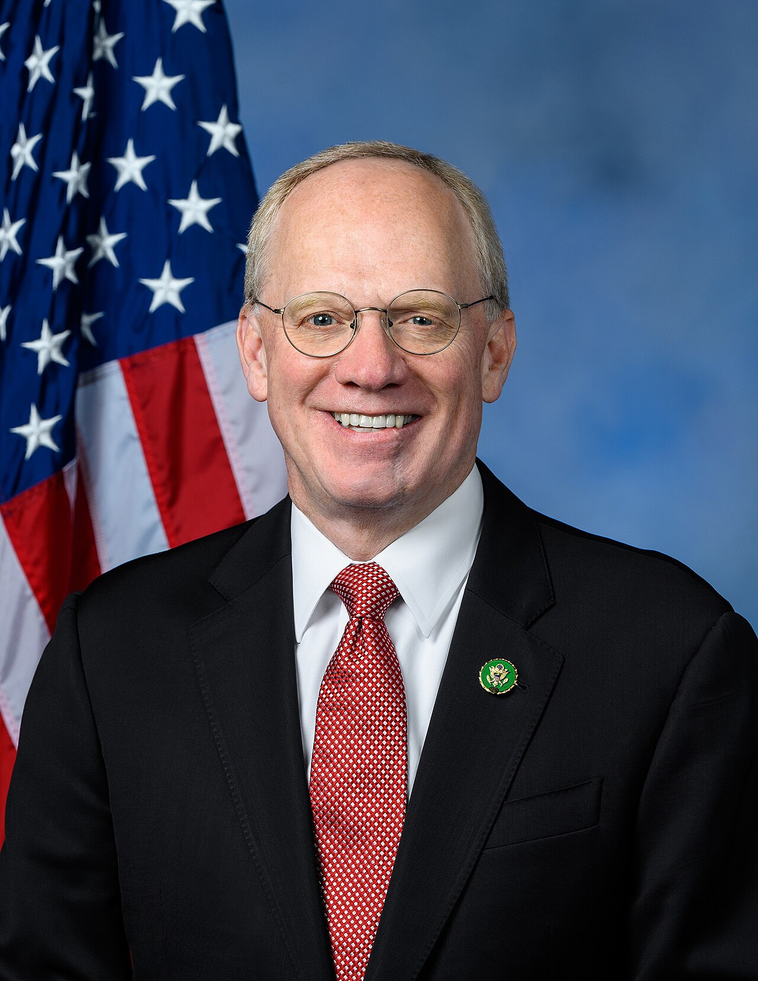
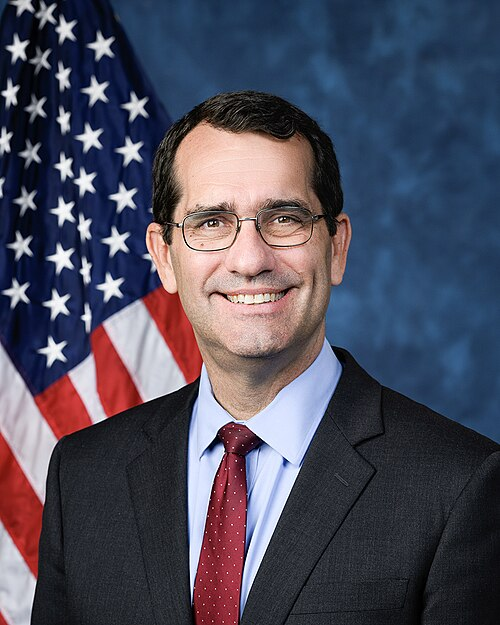
Sponsors
5 bill sponsors

Actions
2 actions
| Date | Action |
|---|---|
| Feb. 25, 2026 | Introduced in House |
| Feb. 25, 2026 | Referred to the House Committee on Veterans' Affairs. |
Corporate Lobbying
0 companies lobbying
None found.
* Note that there can be significant delays in lobbying disclosures, and our data may be incomplete.
Potentially Relevant Congressional Stock Trades
No relevant congressional stock trades found.