
H.R. 7692: Supreme Court Ethics and Investigations Act
The "Supreme Court Ethics and Investigations Act" is a piece of legislation aimed at establishing two new offices within the Supreme Court of the United States: the Office of Ethics Counsel and the Office of Investigative Counsel.
Office of Ethics Counsel
The Office of Ethics Counsel will focus on providing advice and guidance on judicial ethics to Supreme Court justices and their spouses. Key aspects include:
- The Chief Justice will create this office, which will include one Chief Ethics Counsel and supporting staff.
- The Chief Ethics Counsel will be responsible for advising justices on matters such as:
- Financial disclosure requirements
- Acceptance of gifts
- Political activity
- Conflicts of interest and recusal
- Unauthorized disclosures of official documents
- Training sessions on judicial ethics will be held biannually for justices.
- The office will report annually to Congress about the advice provided, including the topics covered and any recommendations made.
Office of Investigative Counsel
The Office of Investigative Counsel will be tasked with reviewing and investigating complaints regarding ethical violations by justices. Key features include:
- This office will comprise a Chief Investigative Counsel and at least two additional counsels.
- It will handle ethics complaints from specified congressional leaders and will look into actions of justices and their family members.
- The Chief Investigative Counsel will have the authority to issue subpoenas for evidence and witness testimony related to its investigations.
- Investigations must be initiated within specified time frames once a complaint is filed, with findings and recommendations reported to the Chief Justice.
Qualifications and Staffing
Both offices will have specific requirements for their staff:
- Counsels must be licensed attorneys with a certain number of years of legal experience and be appointed from outside the court system.
- Compensation for the Chief Ethics Counsel and Chief Investigative Counsel is set at a minimum of $225,000 per year.
- Other counsels have a starting salary of at least $180,000 and are appointed through their respective leaders.
Miscellaneous Provisions
The bill includes measures for terminability of staff by the Chief Justice for cause, as well as provisions for confidentiality and public disclosure of their reports. If any part of the Act is found unconstitutional, the remaining provisions will continue to be in effect.
Relevant Companies
None found.
This is an AI-generated summary of the bill text. There may be mistakes.
Sponsors
11 bill sponsors
-
TrackDaniel S. Goldman

Sponsor
-
TrackSylvia R. Garcia
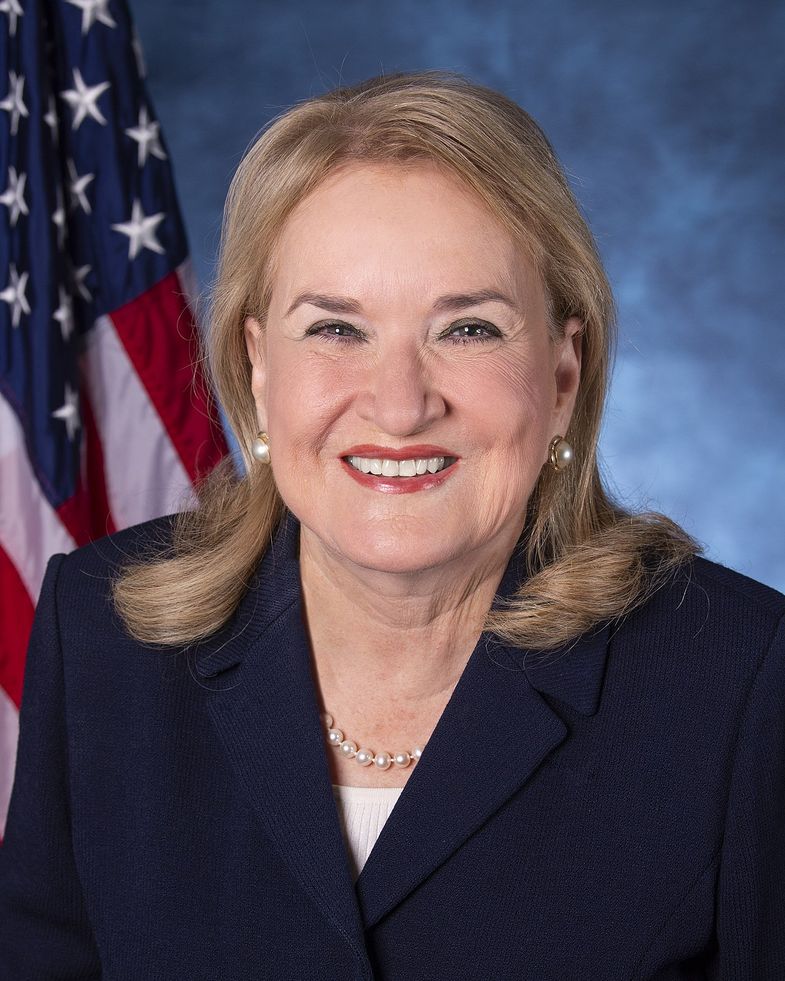
Co-Sponsor
-
TrackGlenn Ivey
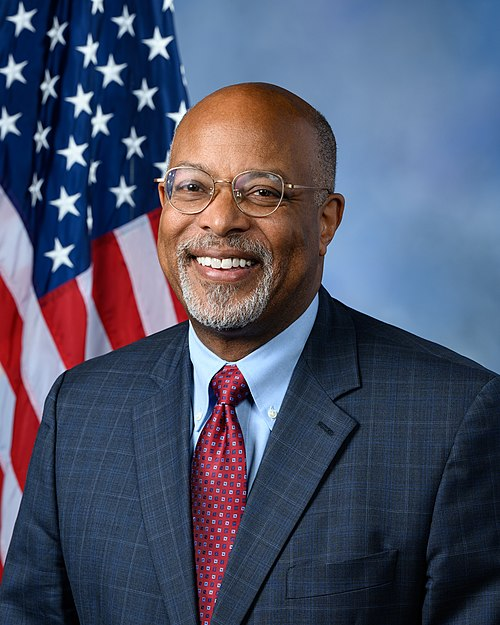
Co-Sponsor
-
TrackHenry C. "Hank" Johnson, Jr.

Co-Sponsor
-
TrackRaja Krishnamoorthi

Co-Sponsor
-
TrackGreg Landsman
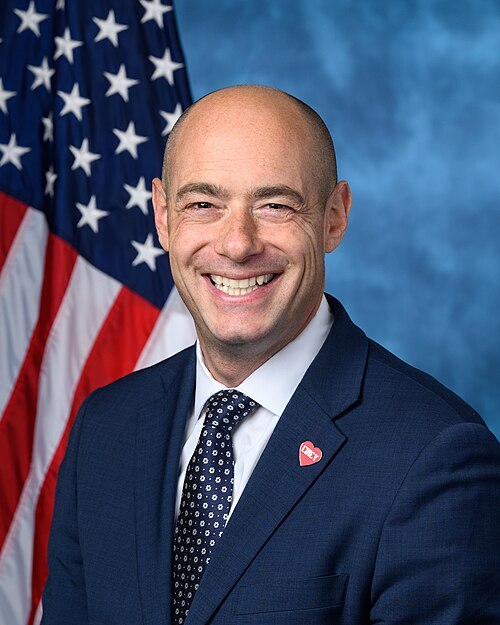
Co-Sponsor
-
TrackJerrold Nadler
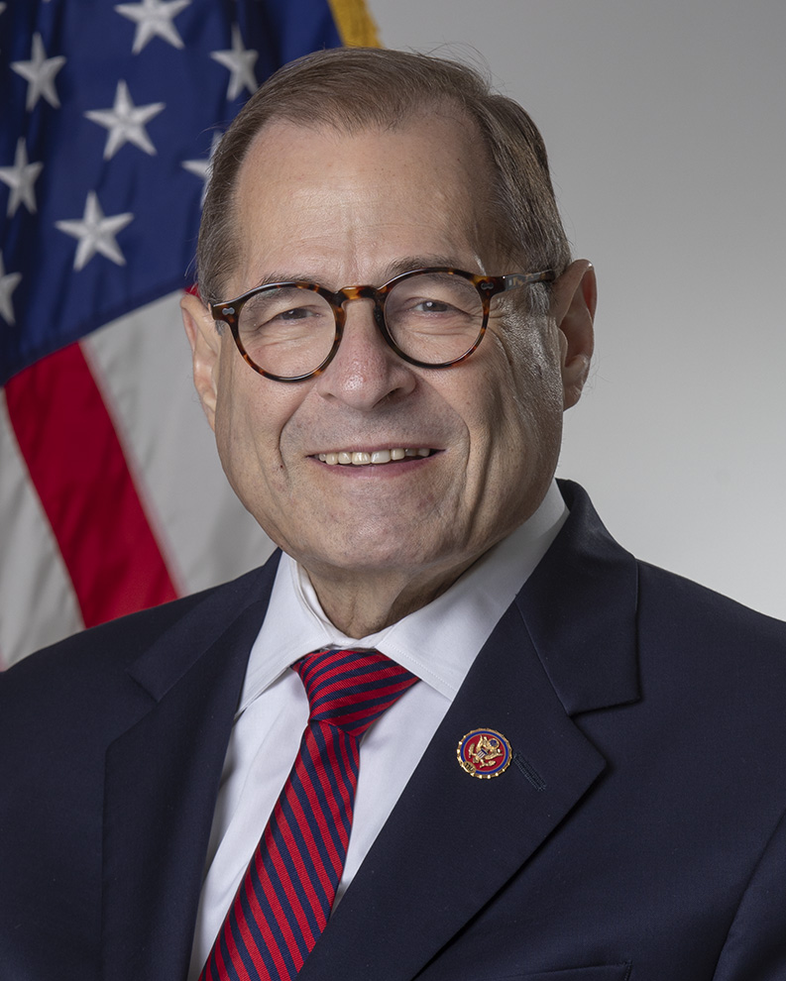
Co-Sponsor
-
TrackEleanor Holmes Norton

Co-Sponsor
-
TrackShri Thanedar
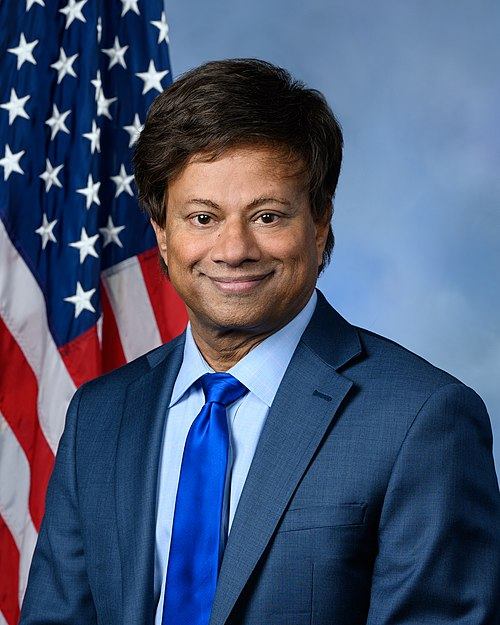
Co-Sponsor
-
TrackPaul Tonko
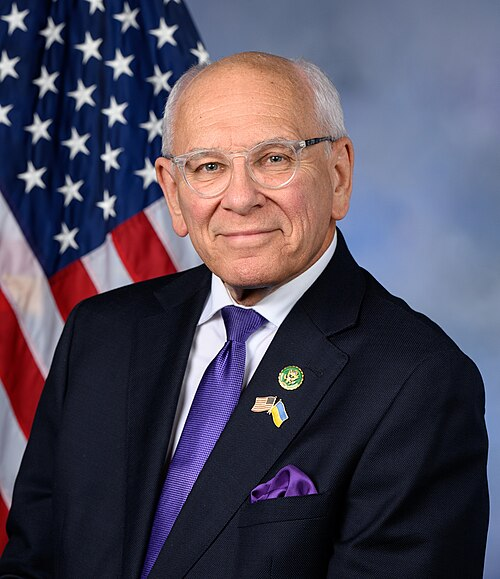
Co-Sponsor
-
TrackGeorge Whitesides

Co-Sponsor
Actions
2 actions
| Date | Action |
|---|---|
| Feb. 25, 2026 | Introduced in House |
| Feb. 25, 2026 | Referred to the House Committee on the Judiciary. |
Corporate Lobbying
0 companies lobbying
None found.
* Note that there can be significant delays in lobbying disclosures, and our data may be incomplete.
Potentially Relevant Congressional Stock Trades
No relevant congressional stock trades found.