H.R. 769: All Aboard Act
This bill, known as the All Aboard Act, aims to introduce new regulations to enhance the accountability of Amtrak, the national passenger rail service. The key elements of the bill include:
Refunds for Canceled or Delayed Transportation
The bill requires the Secretary of Transportation to establish regulations that ensure passengers receive refunds from Amtrak if their train service is canceled or delayed significantly. Specifically:
- Passengers are entitled to a refund equal to the ticket price if their travel is canceled due to a failure of Amtrak.
- Passengers are eligible for a refund if their transportation is delayed by more than three hours compared to the expected completion time at the time of purchase.
Exceptions to Refund Eligibility
Exemptions to receiving a refund include instances where cancellations or delays are due to events or circumstances beyond Amtrak's control. To clarify eligibility, the Secretary will issue regulations that provide:
- Guidelines for determining whether a cancellation or delay falls under the refund criteria.
- Procedures for Amtrak to contest whether a cancellation or delay qualifies for refunds.
Refund Process and Timing
The bill outlines specific timelines for when refunds should be issued:
- If Amtrak does not contest the cancellation or delay, refunds must be processed within seven days for credit-based purchases, or as soon as feasible for cash purchases.
- If Amtrak disputes the duty to refund, the obligation to issue a refund will be upon a final determination of the matter.
Refunds are to be issued in the same form as the original payment made by the passengers.
Reimbursement to Other Rail Carriers
Should Amtrak issue refunds directly, it is required to reimburse other rail carriers for any refunds they provide related to Amtrak service disruptions.
Compliance and Federal Funding
The bill includes provisions for compliance: if Amtrak fails to adhere to the refund requirements, it may lose eligibility for federal funding during periods of noncompliance. This requirement is applicable in any fiscal year that Amtrak receives federal funds.
Asset Maintenance Strategy
The bill further directs Amtrak to enhance its maintenance practices:
- Amtrak must identify and report on better maintenance strategies within six months of the bill's enactment.
- Amtrak is prohibited from using a "run-to-fail" maintenance model, which means it cannot wait until equipment fails before retiring it. This change will take effect two years after the enactment of the bill.
Finally, Amtrak is required to implement the newly identified maintenance strategies within that two-year timeframe.
Definition of Terms
For clarity, the bill defines "covered rail passenger transportation" as:
- Rail passenger transportation provided directly by Amtrak, or
- Commuter rail passenger transportation operating over Amtrak-owned tracks, irrespective of the provider.
Overall Objectives
The overall aim of the All Aboard Act is to provide clearer regulations for passenger refunds, improve accountability for service disruptions, and enhance the maintenance strategies of Amtrak to ensure safer, more reliable rail service for passengers.
Relevant Companies
None found
This is an AI-generated summary of the bill text. There may be mistakes.
Sponsors
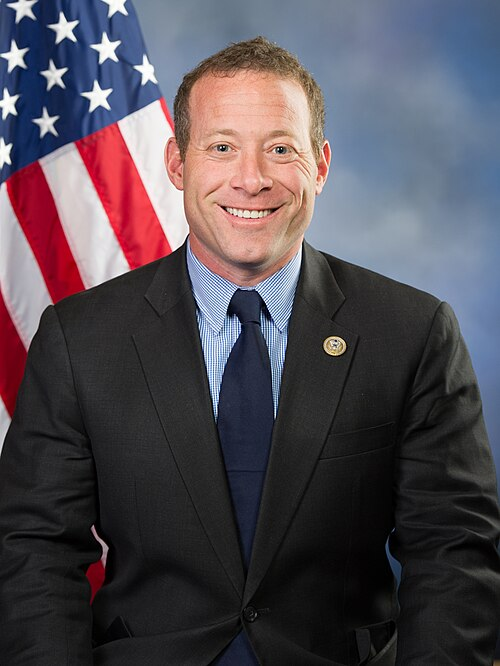
3 bill sponsors


Actions
3 actions
| Date | Action |
|---|---|
| Jan. 29, 2025 | Referred to the Subcommittee on Railroads, Pipelines, and Hazardous Materials. |
| Jan. 28, 2025 | Introduced in House |
| Jan. 28, 2025 | Referred to the House Committee on Transportation and Infrastructure. |
Corporate Lobbying
0 companies lobbying
None found.
* Note that there can be significant delays in lobbying disclosures, and our data may be incomplete.
Potentially Relevant Congressional Stock Trades
No relevant congressional stock trades found.