
H.R. 7686: Rural and Underserved Health Care Staffing Act
This bill, officially titled the Rural and Underserved Health Care Staffing Act, seeks to address the role of locum tenens physicians and advanced care practitioners in the healthcare system, especially in rural and underserved areas. Here are the main provisions of the bill:
1. Federal Recognition of Locum Tenens Roles
The bill allows locum tenens physicians and advanced care practitioners to be categorized differently under federal laws and programs. Specifically:
- They will not be defined as employees of the healthcare facility or agency that they work for when providing temporary services.
- The facility or agency will also not be considered their employer.
- Any payment made for their services will be recognized as remuneration for independent contractor work.
There is an exception to this classification if there is a written agreement establishing an employer-employee relationship for specific services.
2. Applicable Federal Laws and Programs
The provisions apply to several federal laws and programs including but not limited to:
- The Fair Labor Standards Act
- The National Labor Relations Act
- Title VII of the Civil Rights Act of 1964
- The Americans with Disabilities Act
- The Family and Medical Leave Act
- The Employee Retirement Income Security Act
- The Public Health Service Act
- Various health programs administered by the Department of Health and Human Services
3. Definitions
The bill outlines what constitutes a "qualified locum tenens physician or advanced care practitioner," which includes individuals who:
- Provide temporary medical services for a period not exceeding one year.
- Are legally authorized professionals such as doctors, nurses, or certain medical practitioners.
- Enter into a written agreement with a healthcare facility.
4. Legal and Tax Implications
The act specifies that it does not alter any existing state laws regarding professional licensure, impact tax calculations or obligations, or change definitions related to wages and self-employment income. It explicitly states that it does not affect eligibility for federal or state unemployment compensation or health program reimbursement.
5. Implementation and Effective Date
The act empowers specific federal departments to implement its provisions, particularly in relation to the healthcare programs mentioned. The provisions will apply only to services performed after the bill is enacted.
6. Severability Clause
If any part of the bill is declared unconstitutional, the rest of the bill remains intact and enforceable.
Relevant Companies
- None found
This is an AI-generated summary of the bill text. There may be mistakes.
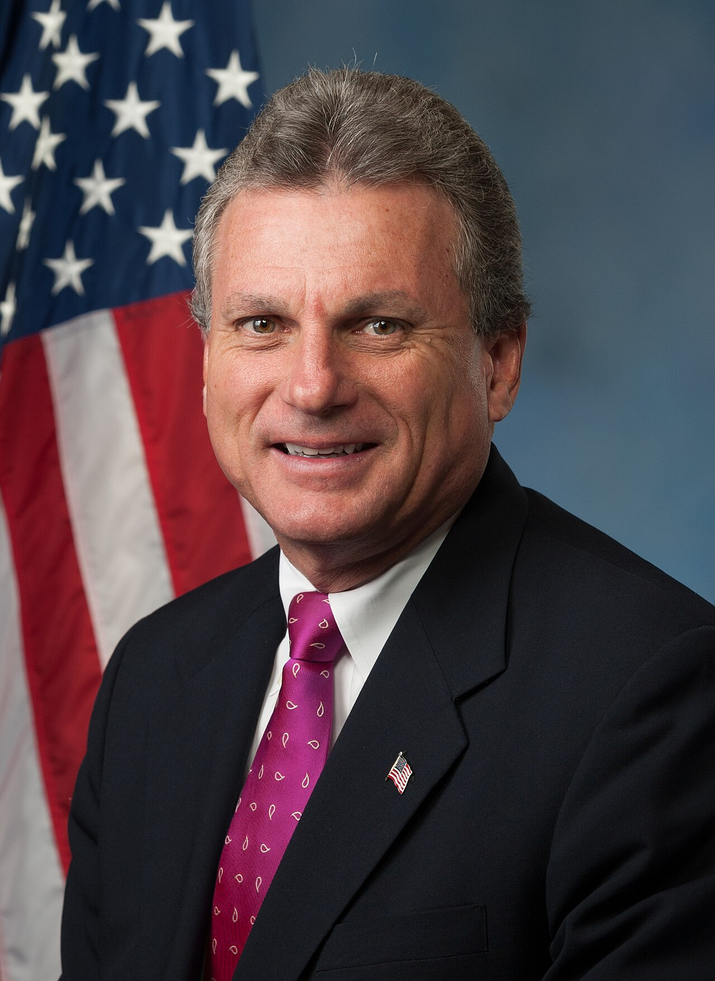
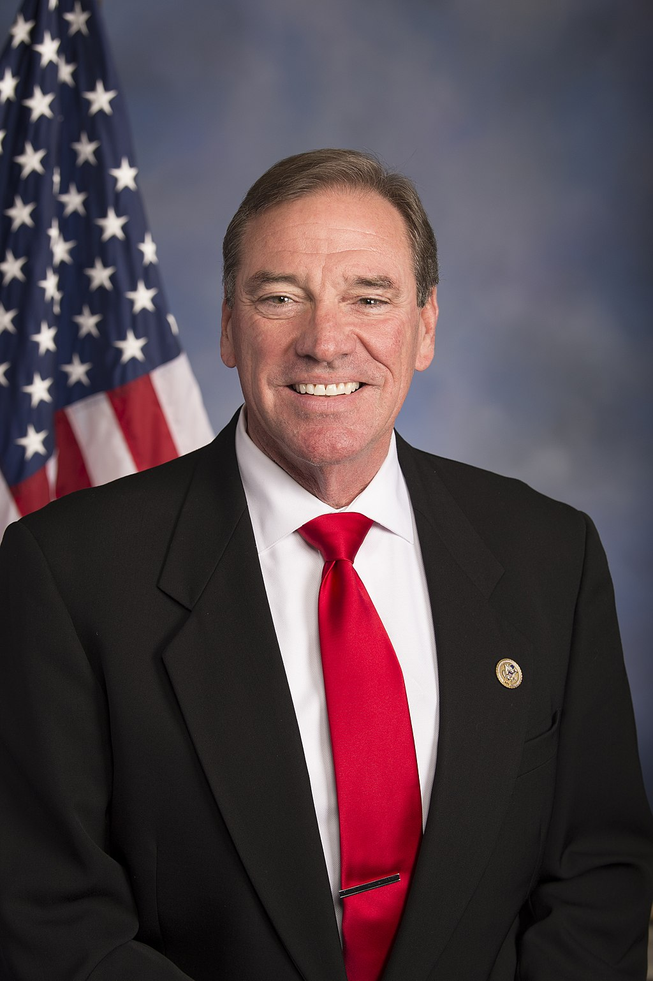
Sponsors
2 bill sponsors
Actions
2 actions
| Date | Action |
|---|---|
| Feb. 25, 2026 | Introduced in House |
| Feb. 25, 2026 | Referred to the Committee on Education and Workforce, and in addition to the Committees on Energy and Commerce, Oversight and Government Reform, and House Administration, for a period to be subsequently determined by the Speaker, in each case for consideration of such provisions as fall within the jurisdiction of the committee concerned. |
Corporate Lobbying
0 companies lobbying
None found.
* Note that there can be significant delays in lobbying disclosures, and our data may be incomplete.
Potentially Relevant Congressional Stock Trades
No relevant congressional stock trades found.