H.R. 7682: Closing the Workforce Gap Act of 2026
This bill, known as the Closing the Workforce Gap Act of 2026, aims to amend existing laws related to the H–2B visa program, which allows employers in the United States to hire foreign workers for temporary non-agricultural jobs. Here is a summary of the key provisions of the bill:
Numerical Limitations for H–2B Nonimmigrants
The bill proposes to adjust the annual cap on H–2B nonimmigrant workers based on economic needs. Specifically:
- The number of H–2B workers allowed will be limited to the number of positions certified by the Department of Labor from the previous fiscal year.
- For employers in rural and seasonal areas, there will be exemptions from this numerical limitation, allowing for greater flexibility in hiring.
Increased Sanctions
The bill increases penalties for employers who misrepresent information or fail to comply with requirements when petitioning for H–2B workers. The following changes are noted:
- Increased fines from $150 to $350 for certain violations.
- Mandatory civil monetary penalties of $1,000 to $10,000 for ongoing violations.
Workplace Safety Requirements
Employers will be required to maintain a written worksite safety and compliance plan aimed at minimizing worker injuries and illnesses. This plan must:
- Be available in English and any relevant languages for workers.
- Be posted conspicuously at the worksite.
- Include measures to protect against harassment and violence.
Prohibitions on Fees for Workers
The bill includes measures to protect workers financially by prohibiting employers from charging H–2B workers any fees related to their employment process, such as attorney's fees or application costs. Employers must also:
- Disclose information about any foreign recruiters they use.
- Ensure that their recruiters do not charge workers fees.
Program Integrity Measures
The Secretary of Labor will have enhanced authority to enforce compliance with the law, including the ability to impose penalties and establish a complaint process for workers to report violations. Key features include:
- A process for workers to report any non-compliance by employers.
- Protection for employees against retaliation for reporting violations.
- Interagency communication practices to ensure better compliance and oversight.
Program Eligibility Criteria
The bill modifies the eligibility criteria for H–2B workers by specifying that only nationals from countries designated as participating by the Secretary of Homeland Security may be granted visas for nonimmigrant status under the H–2B program. Factors for this designation include:
- The fraud rate of petition submissions and visa applications.
- The denial rate of visa applications.
- Overstay rates for workers admitted under the H–2B visas.
Employer Notification Requirement
Employers must notify the Secretary of Homeland Security electronically within three business days of significant changes regarding their H–2B workers, such as:
- A worker's failure to report for work.
- Completion of labor earlier than stated in the petition.
- Termination of a worker before their contract ends.
Definitions
The bill also includes definitions for key terms used throughout the legislation to ensure clarity and enforceability, including:
- Defining H–2B workers and job orders.
- Clarifying what constitutes a "United States worker."
Effective Date
The provisions of this bill will take effect at the beginning of the first fiscal year following enactment.
Relevant Companies
- CSCO - Cisco Systems, Inc.: Potentially affected as they may rely on temporary workers for various projects.
- AMZN - Amazon.com, Inc.: Likely to utilize H–2B workers for logistics and seasonal operations.
- NKE - Nike, Inc.: May impact factories or distribution centers that require temporary workers for specific periods.
This is an AI-generated summary of the bill text. There may be mistakes.
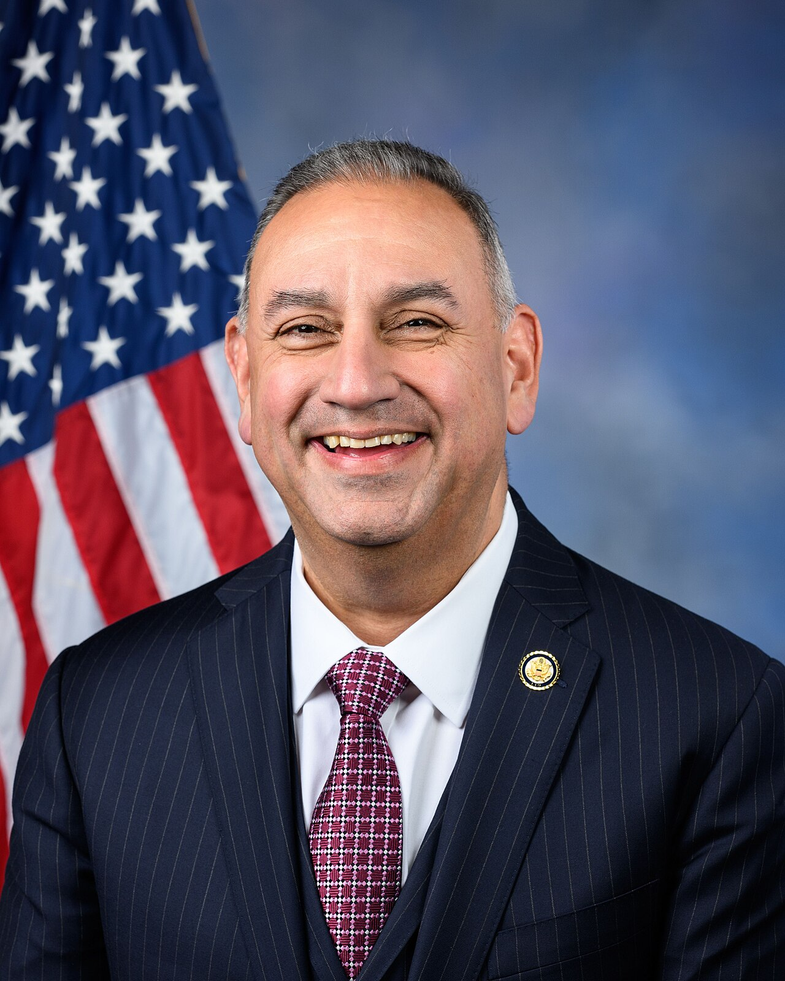
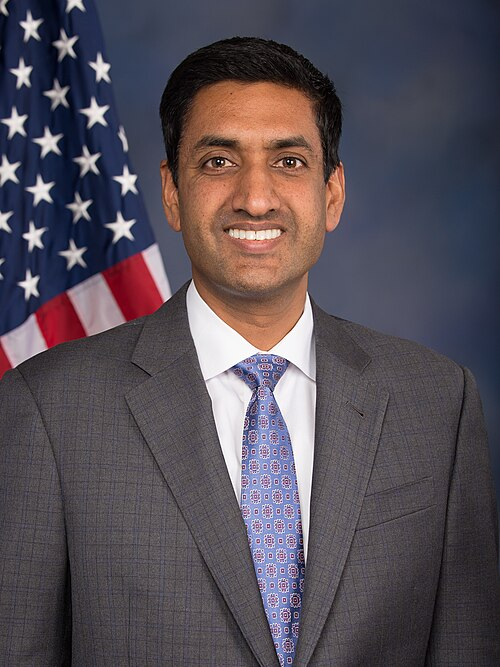
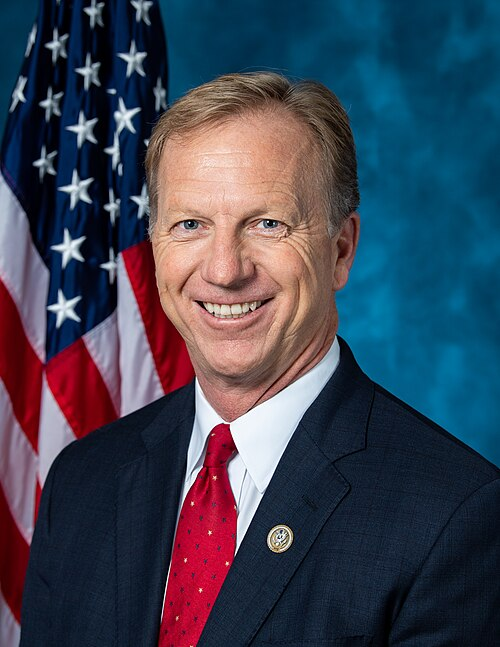
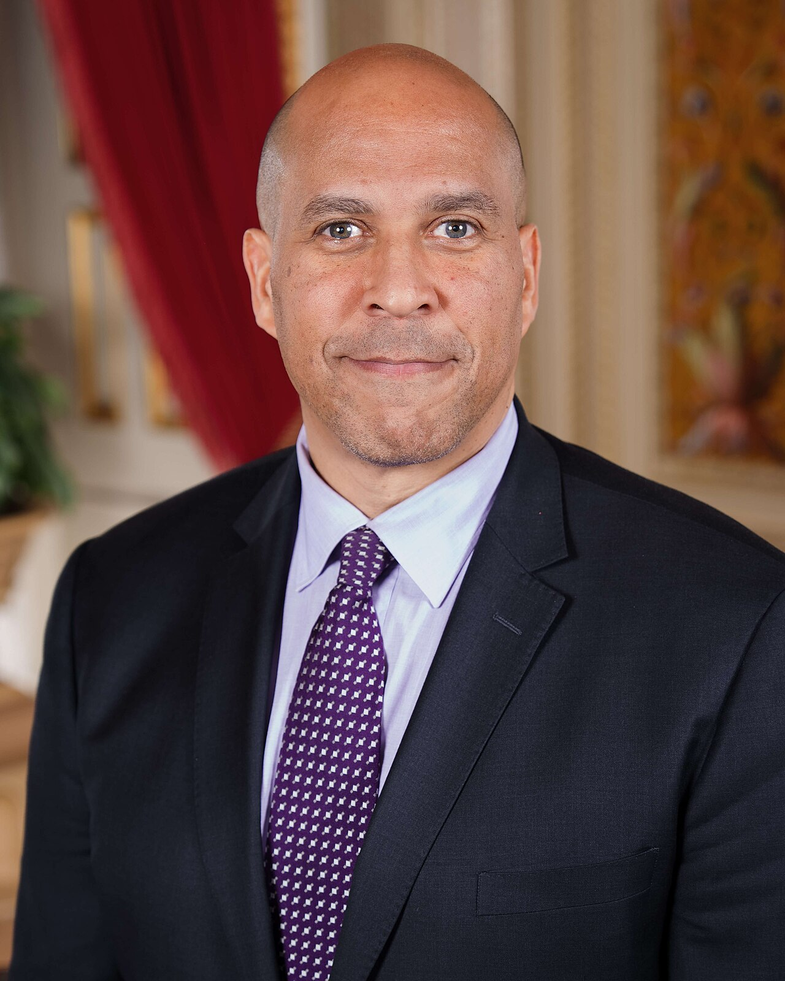
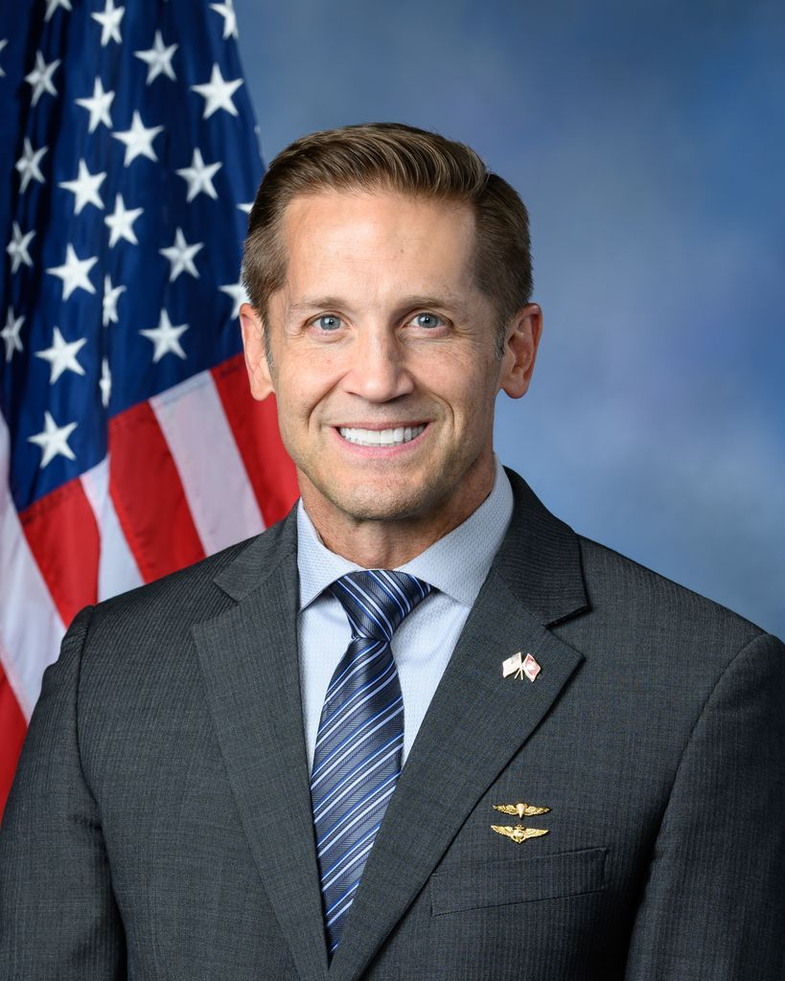
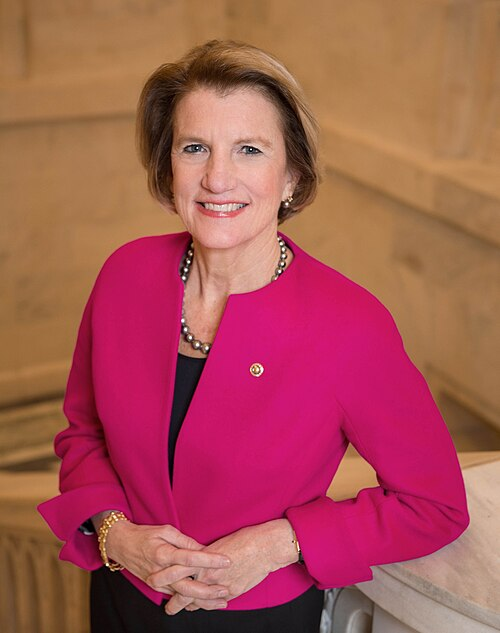
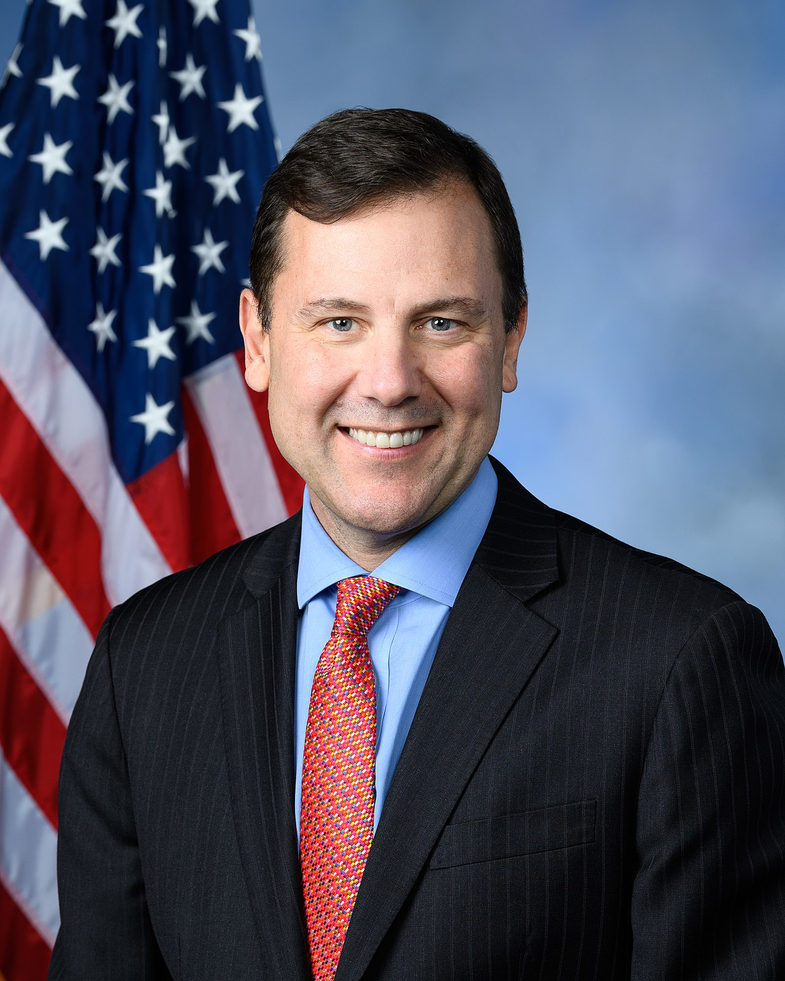
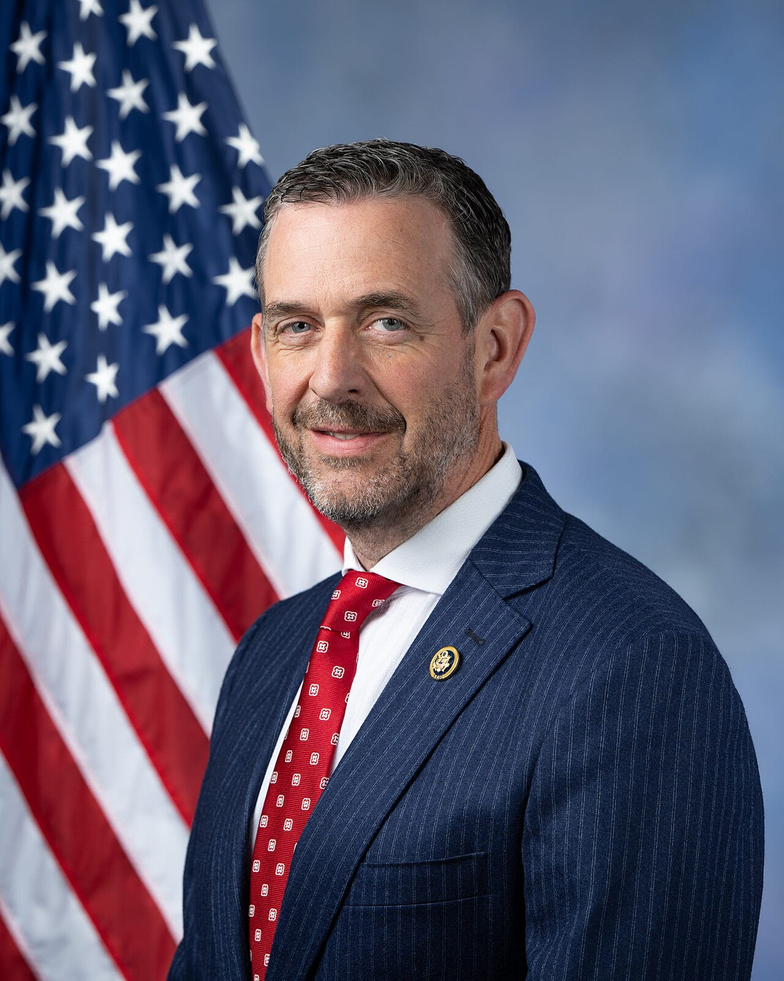
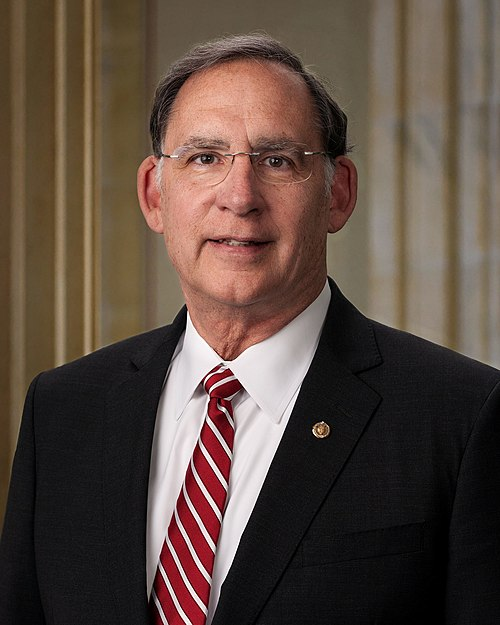
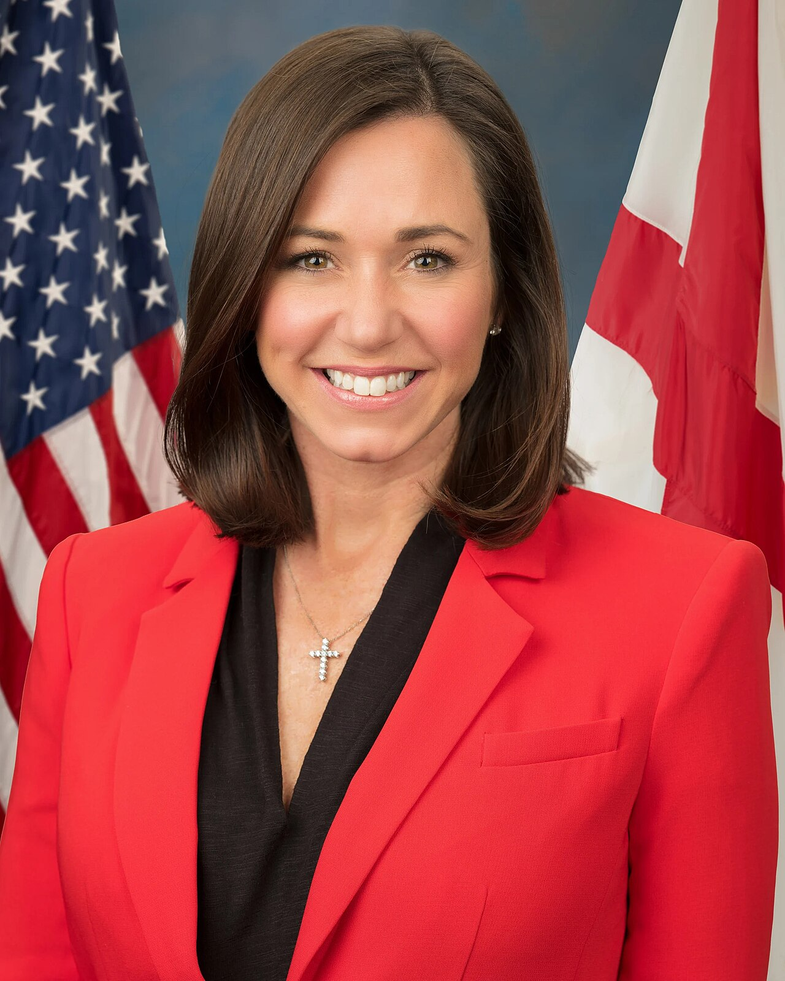
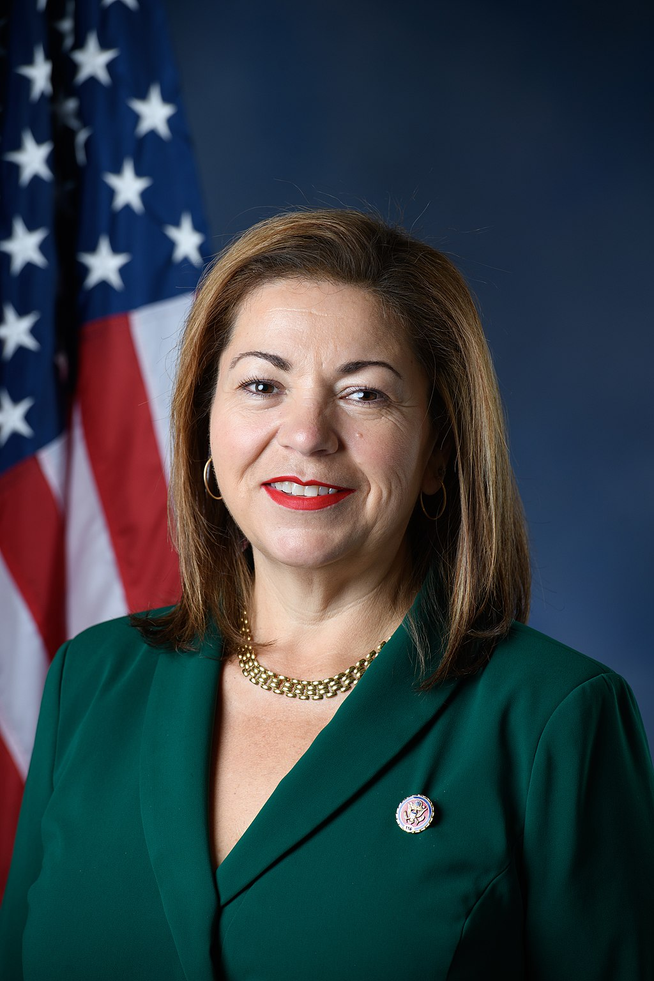
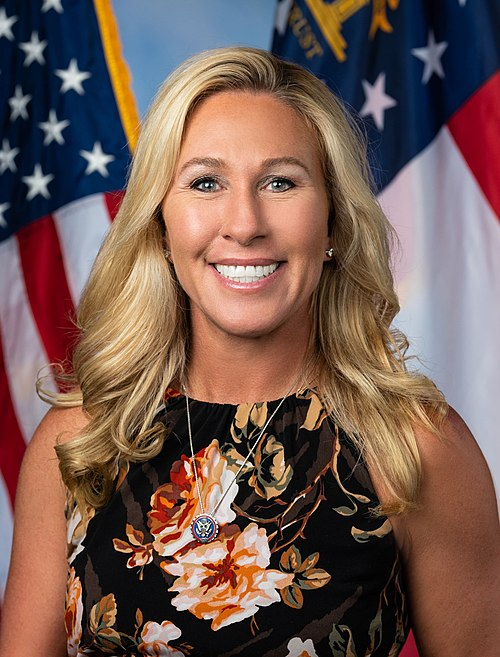
Sponsors
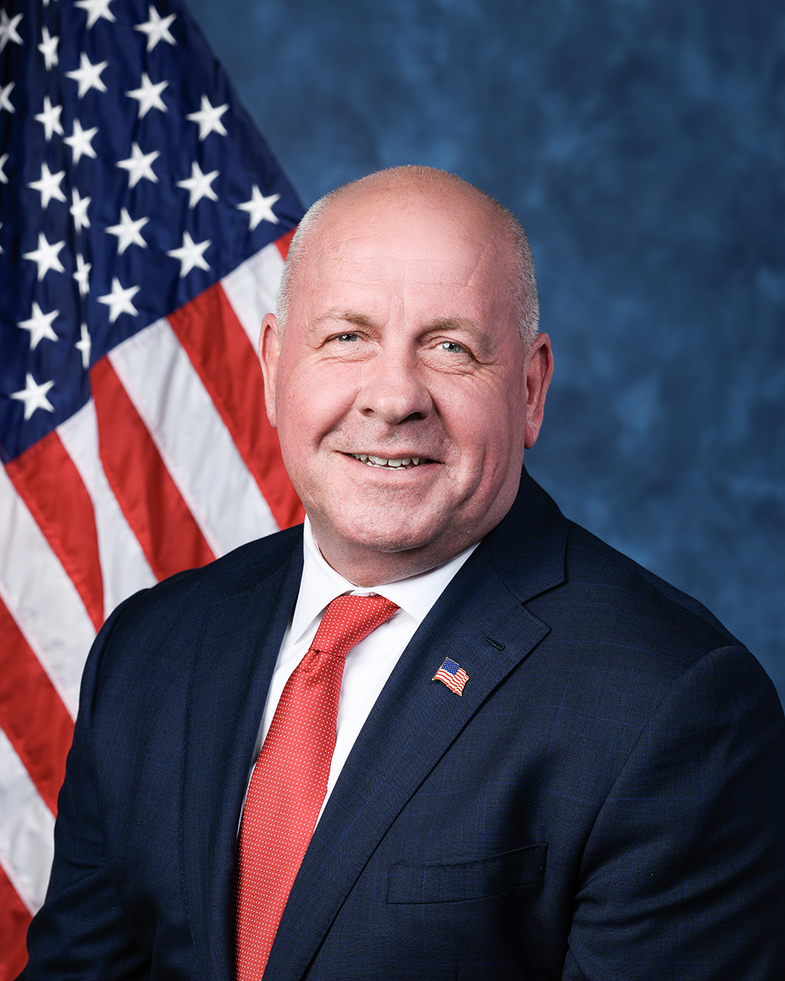
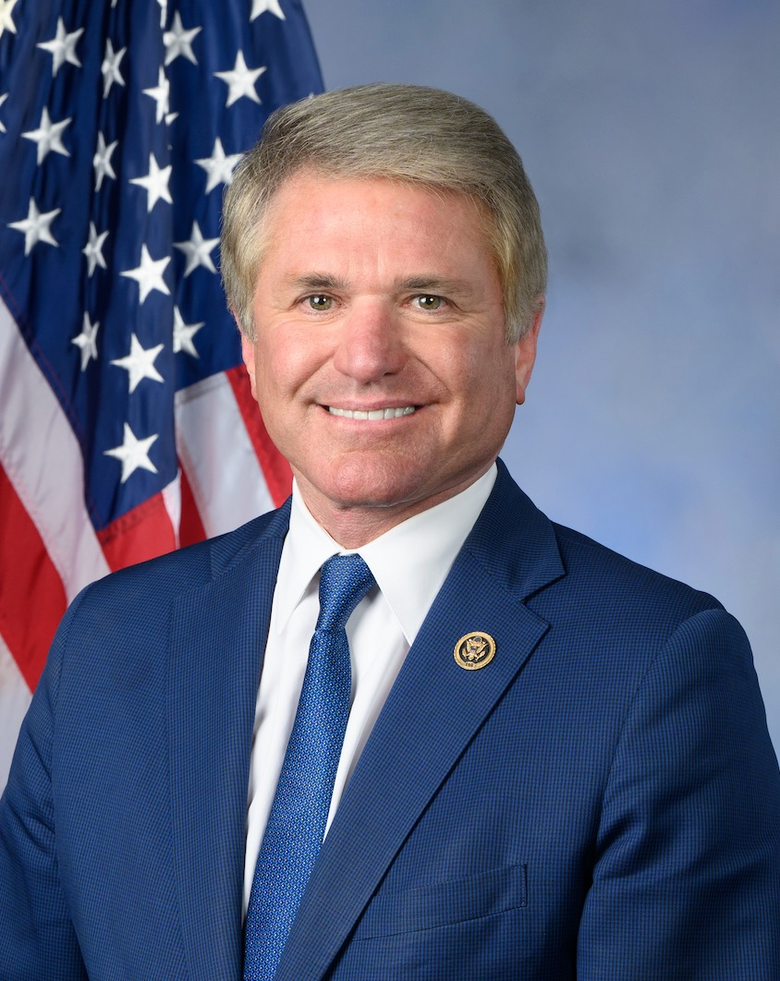
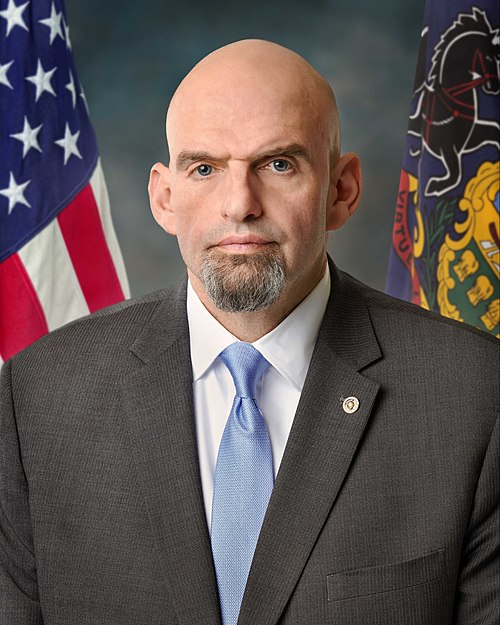
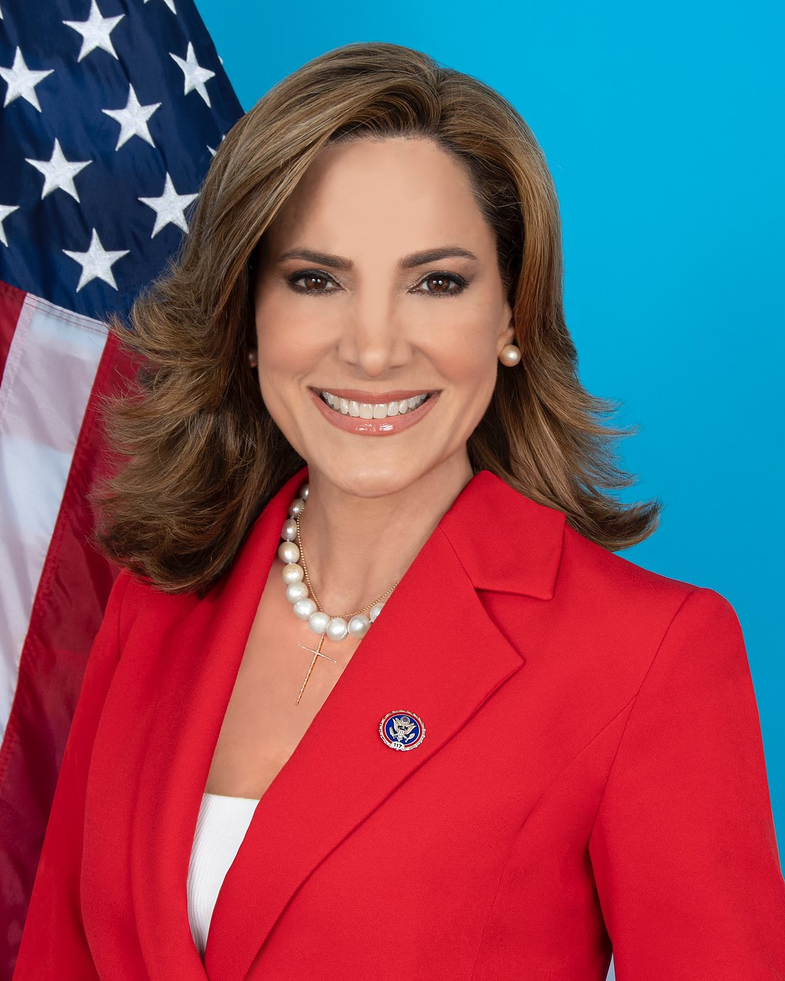
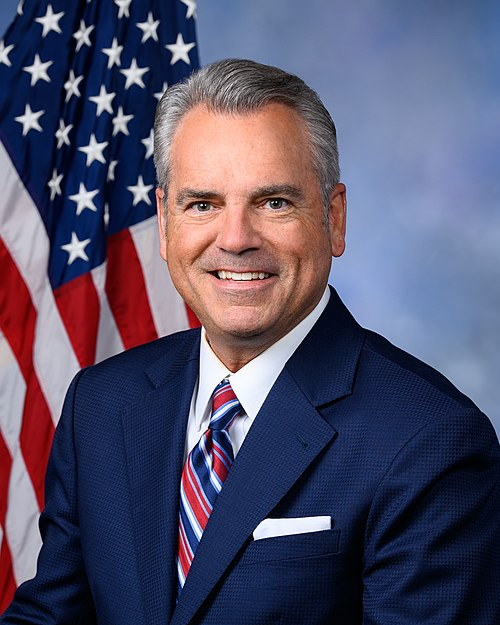
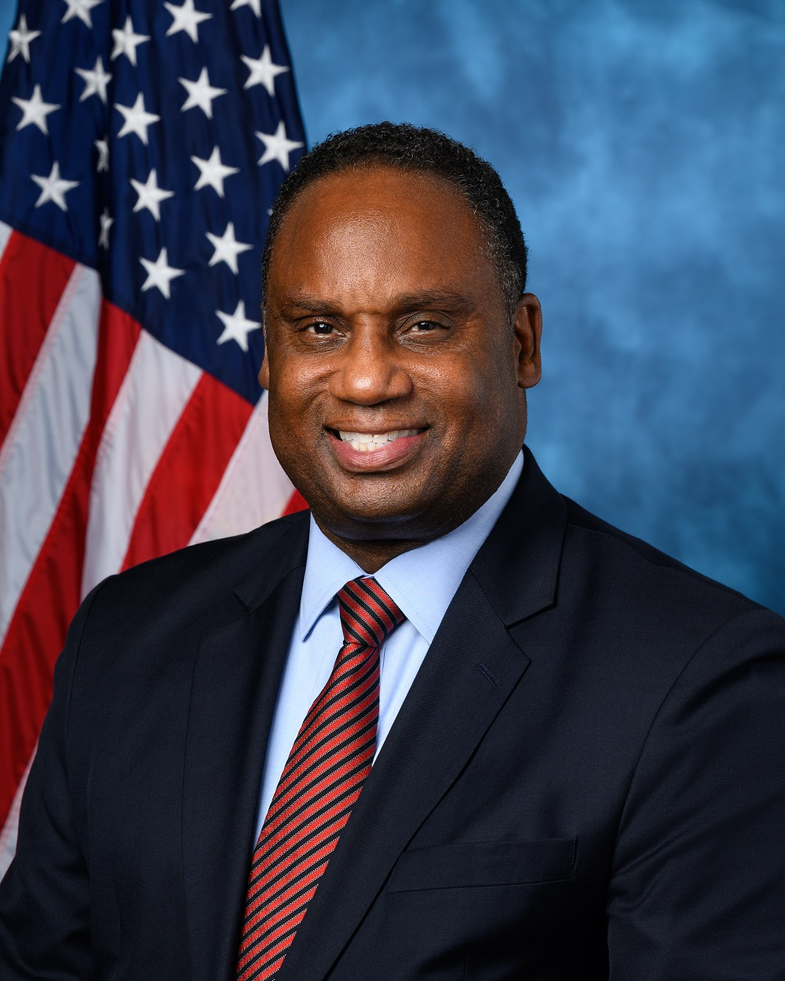
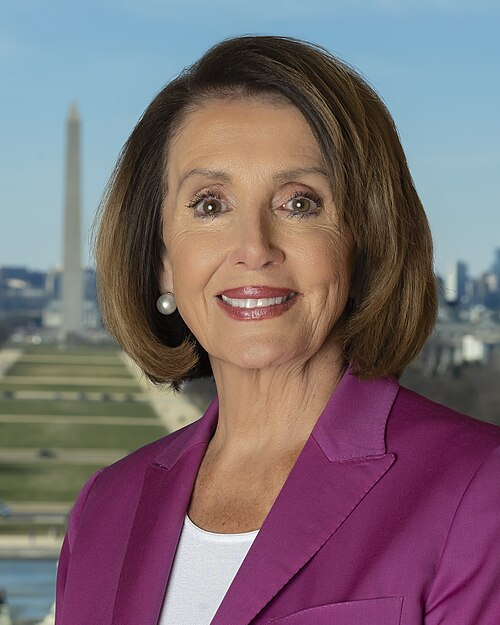
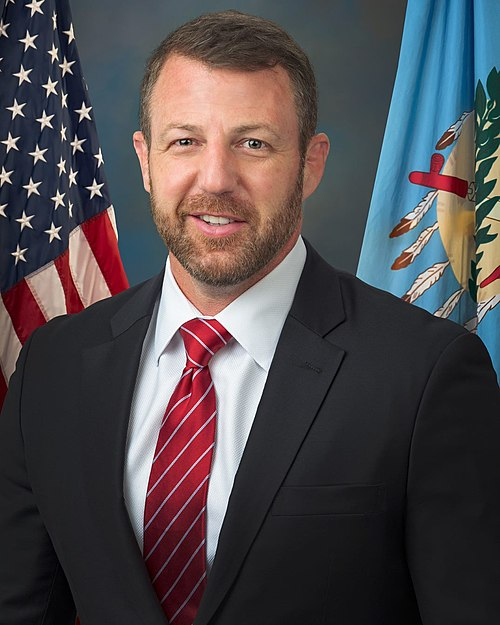
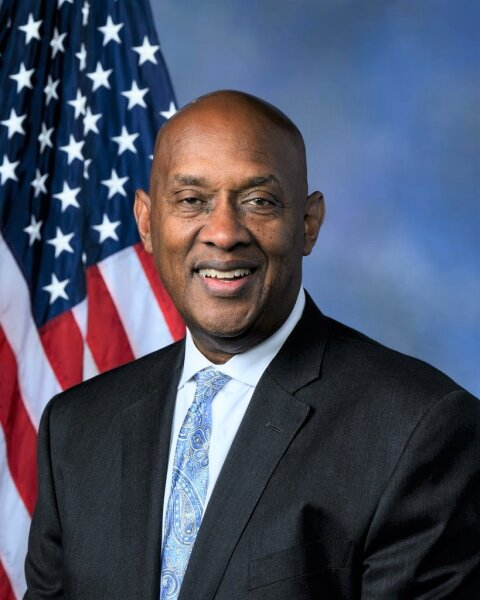
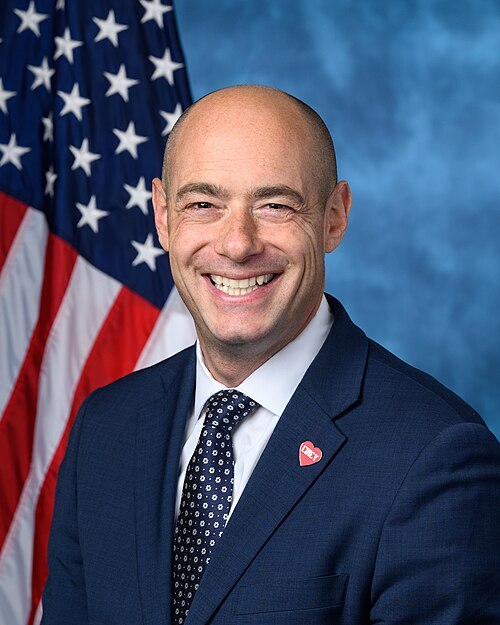
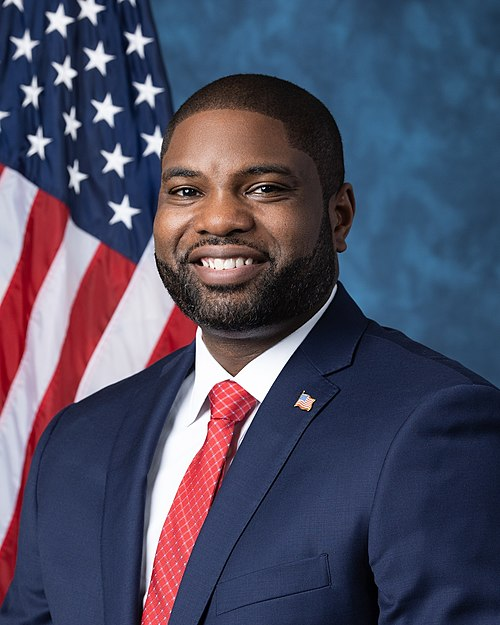
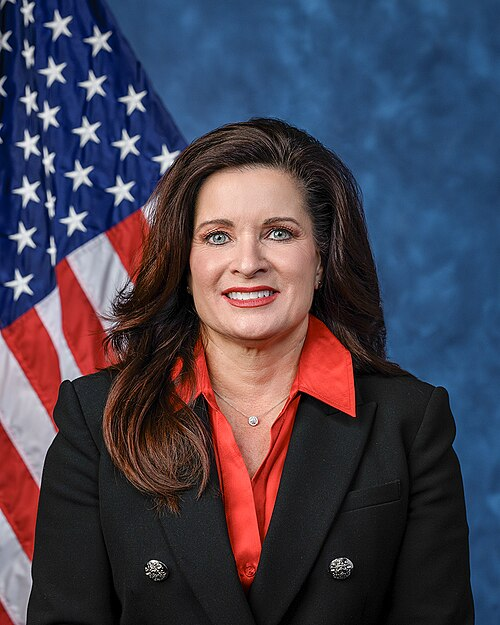
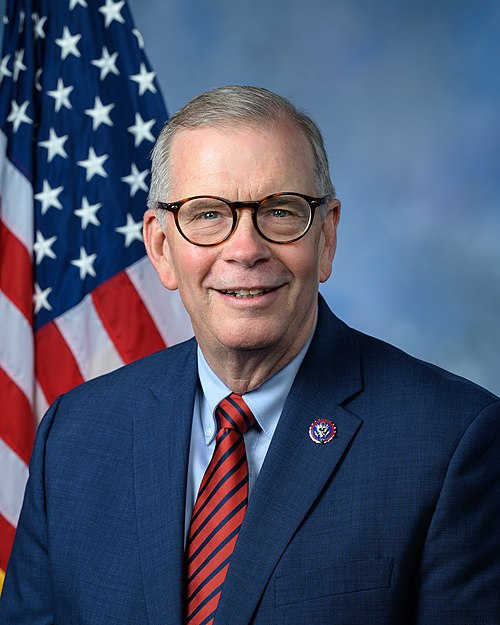
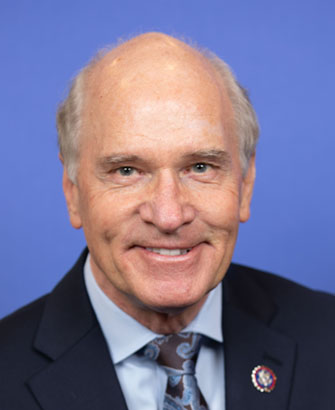
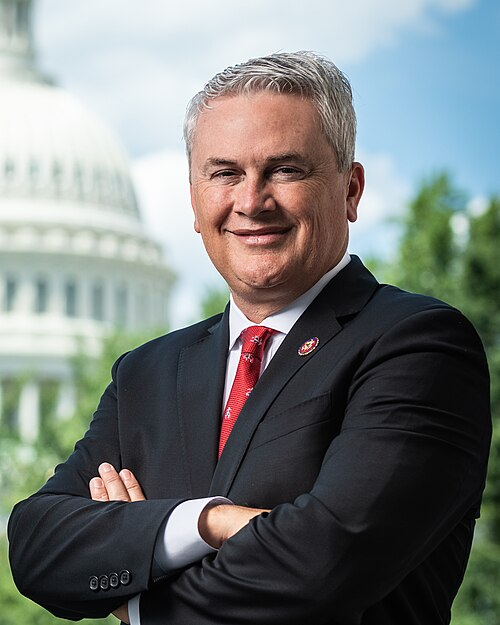
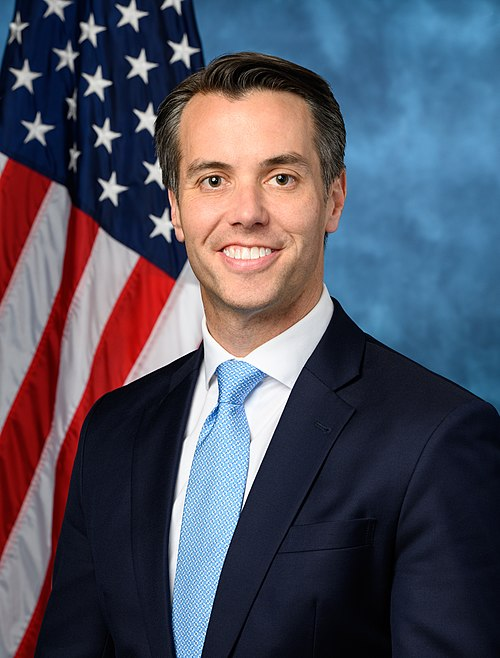
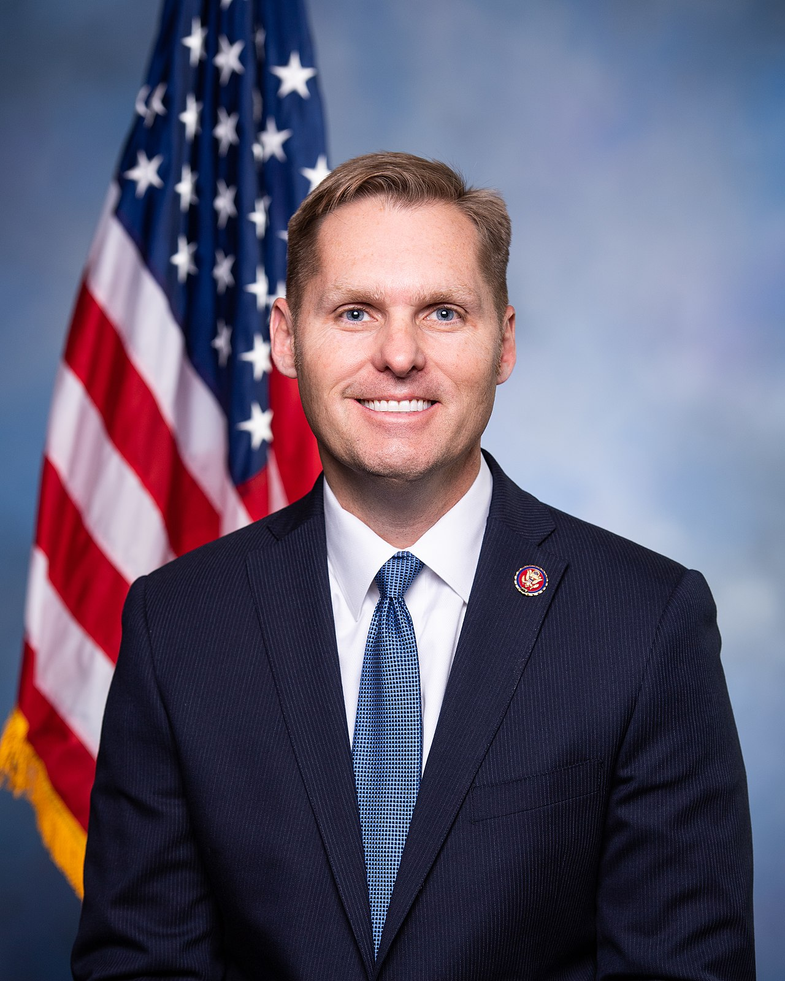
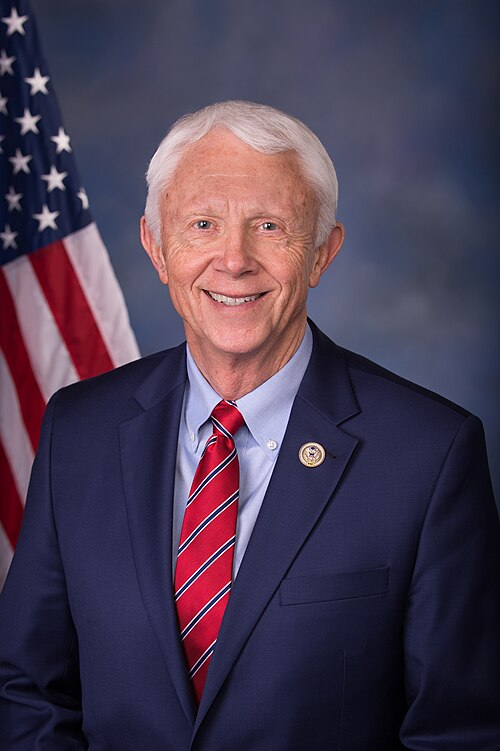
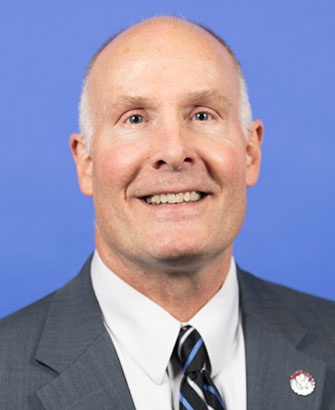
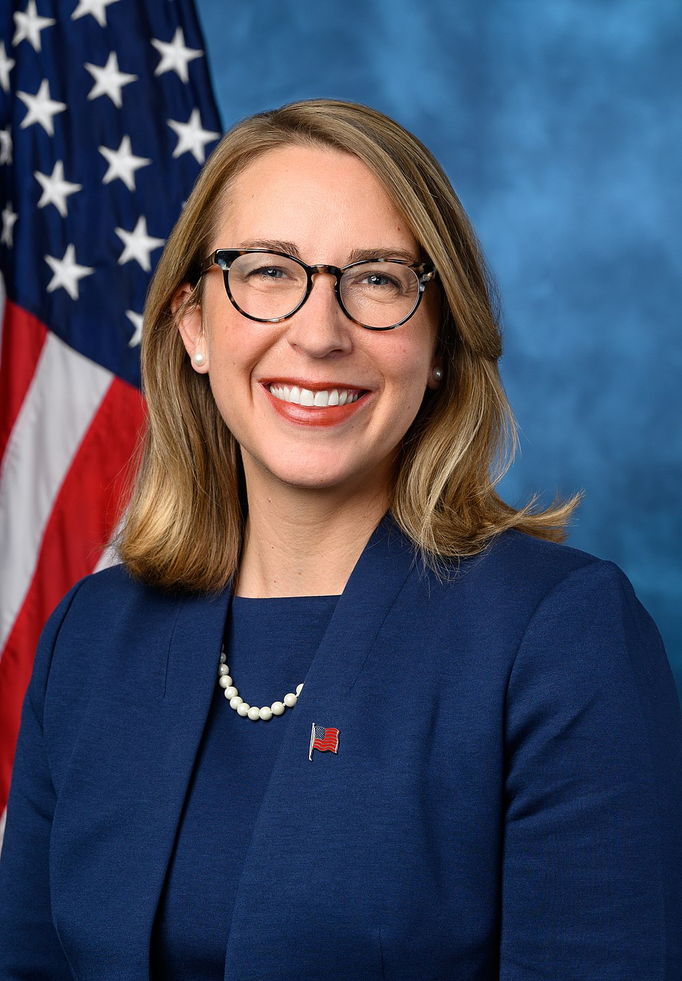
3 bill sponsors
Actions
2 actions
| Date | Action |
|---|---|
| Feb. 25, 2026 | Introduced in House |
| Feb. 25, 2026 | Referred to the Committee on the Judiciary, and in addition to the Committee on Education and Workforce, for a period to be subsequently determined by the Speaker, in each case for consideration of such provisions as fall within the jurisdiction of the committee concerned. |
Corporate Lobbying
0 companies lobbying
None found.
* Note that there can be significant delays in lobbying disclosures, and our data may be incomplete.