H.R. 7638: Fifth Amendment Integrity Restoration Act of 2026
The Fifth Amendment Integrity Restoration Act of 2026 (FAIR Act) proposes changes to the current civil forfeiture laws in the United States to strengthen protections for property owners. Here are the key components:
Restrictions on Nonjudicial Forfeiture
The bill seeks to eliminate nonjudicial forfeitures, which allow federal agencies to seize property without a court order. Instead, all forfeiture actions must go through judicial processes, ensuring that property can only be forfeited through a court judgment.
Changes to Burden of Proof
It proposes to raise the standard of proof required for the government to forfeit property. For example, in cases where the government claims property was used in a crime, they will need to prove this by "clear and convincing evidence," rather than the lower standard of “preponderance of the evidence.”
Immediate Notification Requirements
The bill establishes a requirement for the government to identify and notify interested parties within 7 days of seizing property, ensuring transparency and timely communication with affected individuals.
Legal Representation
The FAIR Act allows courts to appoint legal counsel for individuals contesting a forfeiture if they are financially unable to afford representation, helping to ensure that everyone has legal support during these proceedings.
Innocent Owner Defenses
It also strengthens the defenses available for individuals claiming ownership of seized property. If the government argues that an owner is not innocent, it must prove its case by a preponderance of the evidence. This aims to protect people who may be unaware that their property was involved in illegal activities.
Timelines for Forfeiture Proceedings
The bill stipulates that any forfeiture proceedings must commence within a set time frame after the entry of a court order, ensuring that cases are addressed in a timely manner.
Disposition of Forfeited Property
Furthermore, the act addresses how forfeited property is handled, requiring that forfeited items, including cash, be directed to the General Fund of the Treasury instead of being distributed to law enforcement agencies to avoid potential conflicts of interest.
Reporting Requirements
The legislation introduces enhanced reporting requirements that mandate details on different types of forfeitures and where the funds derived from these actions are deposited.
Applicability
All amendments made by this act would apply to any civil forfeiture proceedings that are either pending or initiated after the act’s enactment date, as well as to funds obtained from property forfeiture actions taken thereafter.
Relevant Companies
- JPMorgan Chase & Co. (JPM) - As a major financial institution, changes in forfeiture laws could influence their compliance operations, affecting how they handle seized assets and client interactions.
- American Express Company (AXP) - Similar to JPM, American Express might need to adjust their policies regarding users whose assets could be seized and the handling of transaction disputes resulting from government actions, thus impacting their customer service frameworks.
- Capital One Financial Corporation (COF) - Changes could require Capital One to revise its protocols for dealing with account holders involved in forfeiture actions, affecting risk management strategies and operational procedures.
This is an AI-generated summary of the bill text. There may be mistakes.
Sponsors
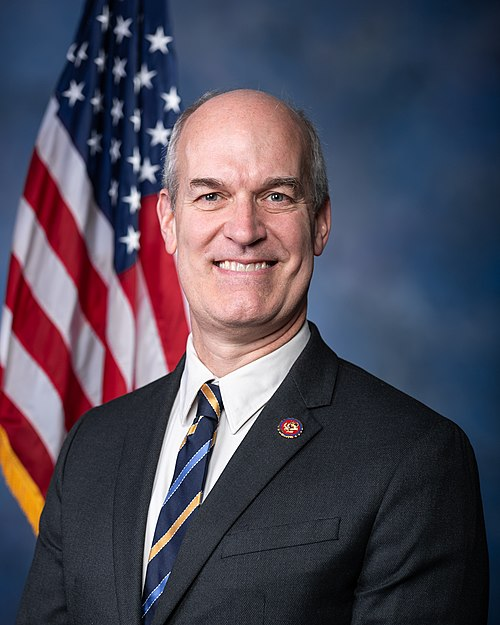
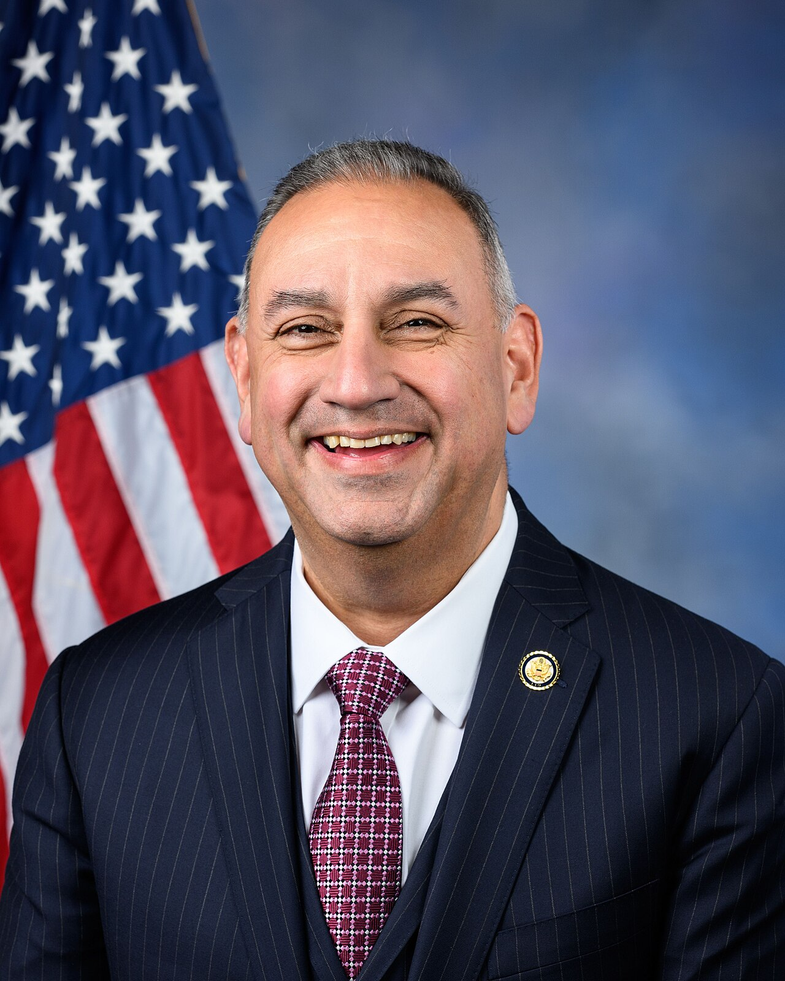
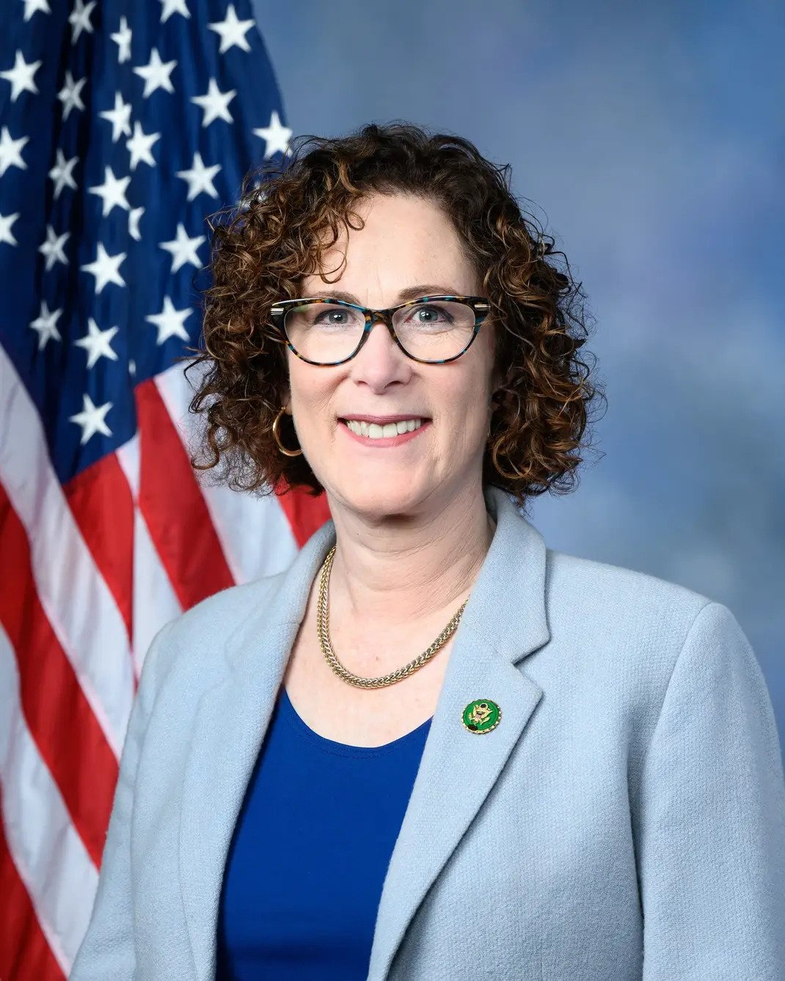
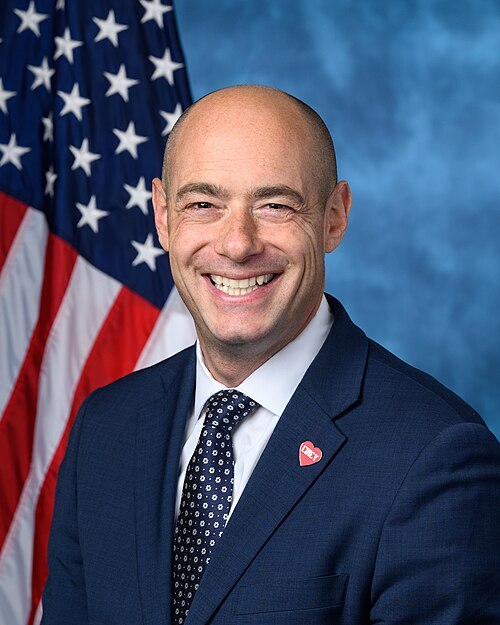
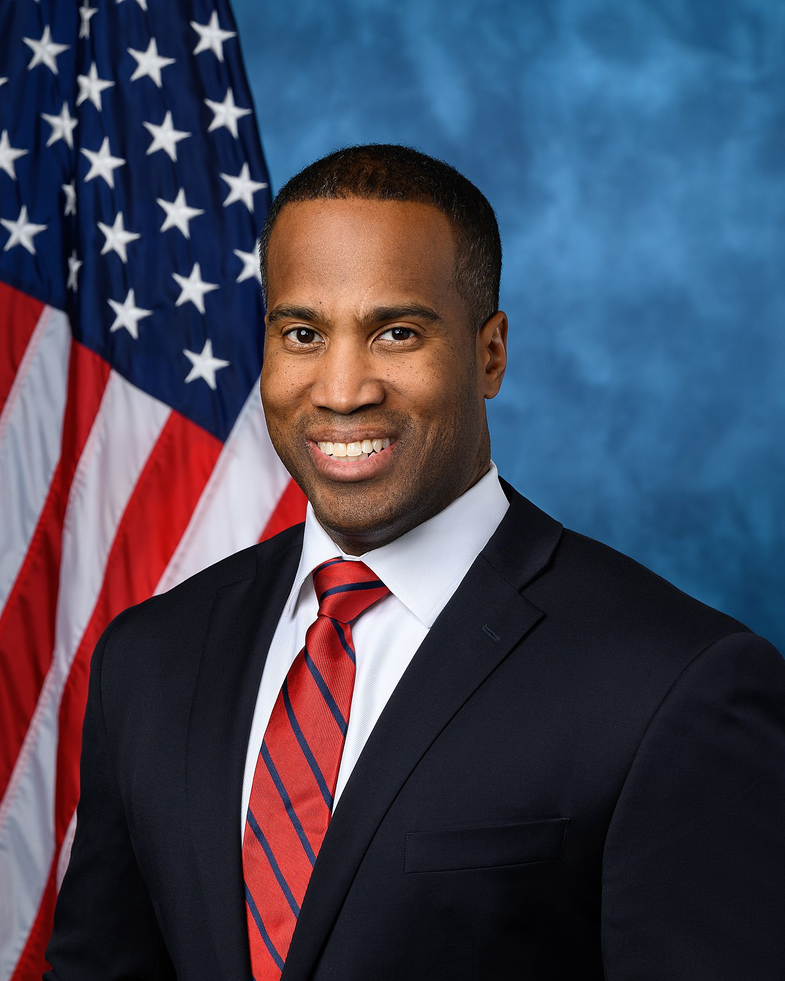
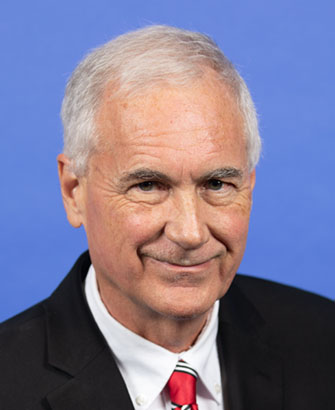
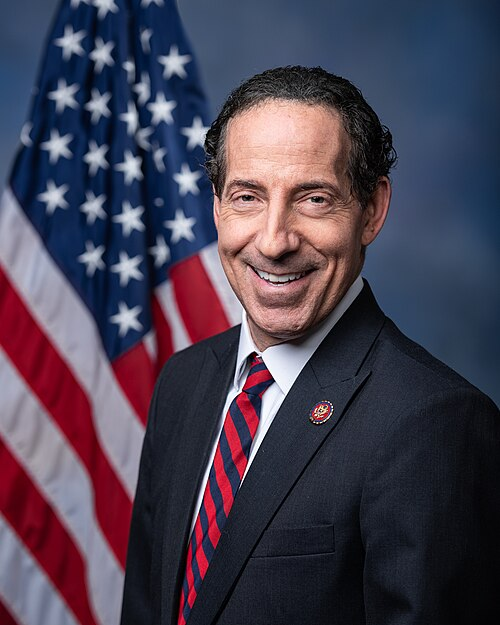
4 bill sponsors


Actions
2 actions
| Date | Action |
|---|---|
| Feb. 20, 2026 | Introduced in House |
| Feb. 20, 2026 | Referred to the Committee on the Judiciary, and in addition to the Committees on Energy and Commerce, Ways and Means, and Financial Services, for a period to be subsequently determined by the Speaker, in each case for consideration of such provisions as fall within the jurisdiction of the committee concerned. |
Corporate Lobbying
0 companies lobbying
None found.
* Note that there can be significant delays in lobbying disclosures, and our data may be incomplete.