H.R. 7606: Powering Productivity Act
The Powering Productivity Act aims to enhance the measurement and performance of energy use in the United States by focusing on energy productivity. Here’s a breakdown of the bill’s key components:
Purpose
The Act seeks to modernize how the U.S. measures energy productivity, which is defined as the relationship between energy inputs and the economic value derived from those inputs. It aims to improve transparency and decision-making in energy resource management across different levels, such as national, regional, and sectoral.
Energy Productivity Assessments
- National Energy Productivity Baseline: Within 18 months of the bill's enactment, the Secretary of Energy must publish a baseline assessment of energy productivity in the U.S. This assessment will include a framework for measuring energy productivity, current performance evaluations, identification of barriers to improvements, and opportunities for advancements.
- Quarterly Reports: Following the baseline assessment, the Energy Information Administration will produce quarterly reports titled “Energy Productivity Indicators Quarterly” to track energy productivity changes at various economic levels, using comparable methods to those employed in labor productivity statistics.
- Comprehensive Assessment: Within 18 months and every three years thereafter, the Secretary of Energy will conduct a comprehensive review of energy productivity, including economic, environmental, and societal impacts, as well as policy pathways to enhance competitiveness and reduce energy costs.
Task Force Development
The bill establishes the Energy Productivity Task Force within 180 days of enactment, led by the Secretary of Energy. The Task Force will include representatives from:
- Federal agencies such as the Department of Energy, Department of Commerce, and Environmental Protection Agency.
- Independent experts and stakeholders from various sectors, including electric power, renewable and nonrenewable energy, consumer advocacy groups, and academia.
The Task Force will focus on evaluating energy productivity and providing recommendations for improvements in policy and research to enhance energy efficiency and productivity.
Considerations for Assessments
When conducting assessments, the Secretary of Energy is expected to consider several lifecycle factors, including:
- Water resources and their management
- Public health outcomes related to pollution
- Material use and waste generation
- Environmental impacts that affect economic or societal outcomes
- Overall economic impacts, such as employment and costs
Definitions
The bill defines “energy productivity” as a measure of how effectively economic activities use energy to create economic value. It also introduces the term “Task Force” referring to the Energy Productivity Task Force established by the bill.
Relevant Companies
None found.
This is an AI-generated summary of the bill text. There may be mistakes.
Sponsors
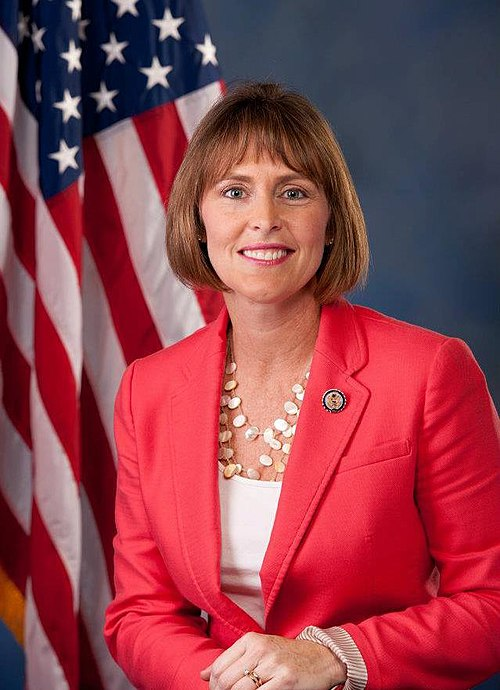
3 bill sponsors


Actions
2 actions
| Date | Action |
|---|---|
| Feb. 20, 2026 | Introduced in House |
| Feb. 20, 2026 | Referred to the House Committee on Energy and Commerce. |
Corporate Lobbying
0 companies lobbying
None found.
* Note that there can be significant delays in lobbying disclosures, and our data may be incomplete.
Potentially Relevant Congressional Stock Trades
No relevant congressional stock trades found.