H.R. 7601: No Immunity for Glyphosate Act
This bill, titled the "No Immunity for Glyphosate Act," aims to make specific changes regarding the use of federal funds and the legal liabilities of glyphosate manufacturers. Below is a summary of its key components:
Prohibition of Federal Funds
Section 2 of the bill states that no federal funds can be used to implement, administer, or enforce an Executive order called "Promoting the National Defense by Ensuring an Adequate Supply of Elemental Phosphorus and Glyphosate-Based Herbicides," which was issued on February 18, 2026. This means that any federal efforts or initiatives related to glyphosate-based herbicides that would normally be funded will not be able to proceed with federal money if this bill passes.
Legal Actions Against Glyphosate Manufacturers
Section 3 establishes a legal framework that allows individuals who have suffered harm from exposure to glyphosate or elemental phosphorus to seek compensation through civil lawsuits. The following points outline this framework:
- Cause of Action: Individuals, or their representatives, who have experienced physical injury, illness, disease, or death as a result of exposure to glyphosate can file a civil lawsuit against manufacturers, distributors, or sellers.
- Covered Entities: This includes anyone involved in the manufacturing, distribution, or sale of glyphosate-based herbicides or elemental phosphorus.
- Jurisdiction: District courts in the United States will have the authority to hear these cases regardless of the amount of money involved or the citizenship status of the parties.
- Relief Options: Victims can seek various forms of relief including:
- Compensatory damages for medical expenses, lost income, pain and suffering, or wrongful death.
- Punitive damages to penalize the manufacturers.
- Equitable relief that might include court orders to address the harm or clarify legal rights.
- Coverage for attorney’s fees and costs related to the legal action.
Immunity and Liability Waiver
Under this bill, the immunity that manufacturers may typically claim under federal laws will not protect them from lawsuits related to injuries caused by glyphosate or elemental phosphorus. This includes:
- Nullification of Immunity: Manufacturers will not be able to argue that they cannot be sued because their products were made in compliance with any federal orders or regulations.
- No Federal Contractor Defense: They cannot use the defense that they were following government contracts or directives as a basis to avoid liability.
Preservation of Existing Claims
The bill also clarifies that it does not interfere with any existing or pending legal claims related to glyphosate exposure, ensuring that individuals can continue to pursue justice without limitations imposed by this new legislation.
Applicability and State Law
This bill applies to claims that arise before, on, or after its enactment, ensuring broad coverage of legal actions. Additionally, it specifies that nothing in the Act should impact existing state laws that provide rights or remedies related to glyphosate exposure.
Relevant Companies
- Bayer AG (BAYRY) - Bayer, the parent company of Monsanto, has significant involvement with glyphosate-based products and could face increased liability and lawsuits if the bill passes.
- Dow Inc. (DOW) - Dow produces various herbicides that include glyphosate and could also be impacted by increased legal challenges.
- Sysco Corporation (SYY) - While Sysco is primarily a food distribution company, it could be indirectly affected if glyphosate is part of any of its included products or supplier agreements.
This is an AI-generated summary of the bill text. There may be mistakes.
Sponsors
17 bill sponsors
-
TrackThomas Massie

Sponsor
-
TrackYassamin Ansari
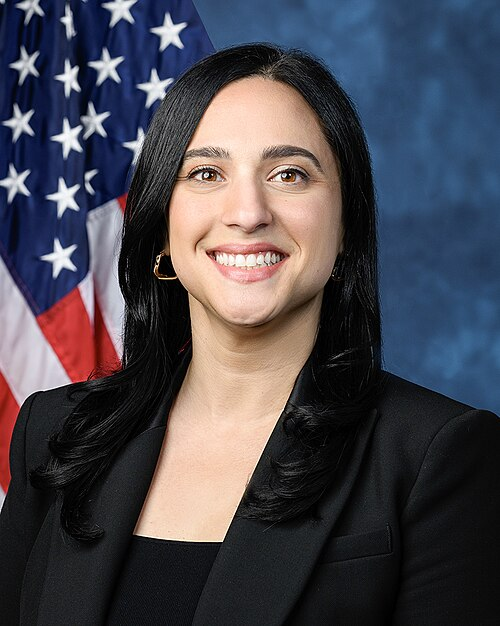
Co-Sponsor
-
TrackLauren Boebert
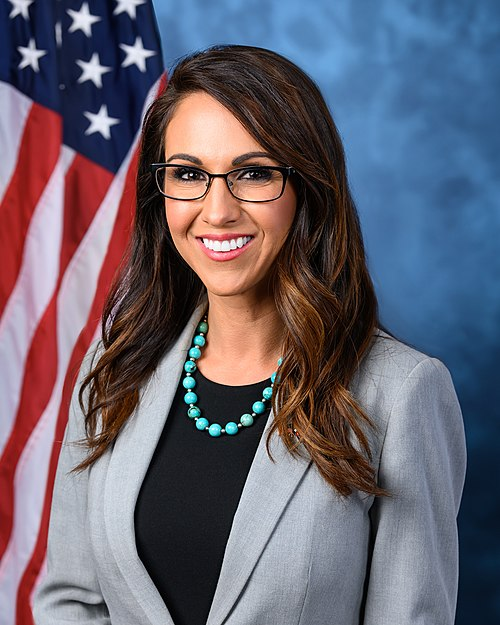
Co-Sponsor
-
TrackJudy Chu
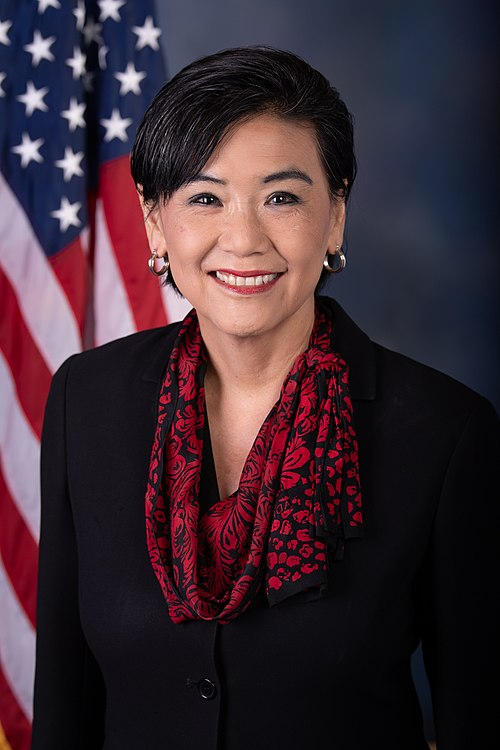
Co-Sponsor
-
TrackSteve Cohen
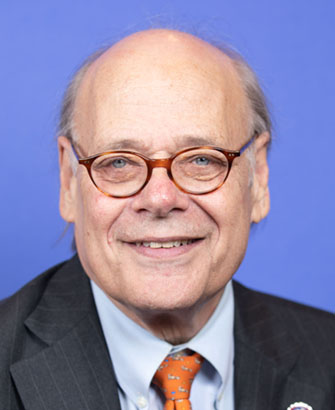
Co-Sponsor
-
TrackJoe Courtney
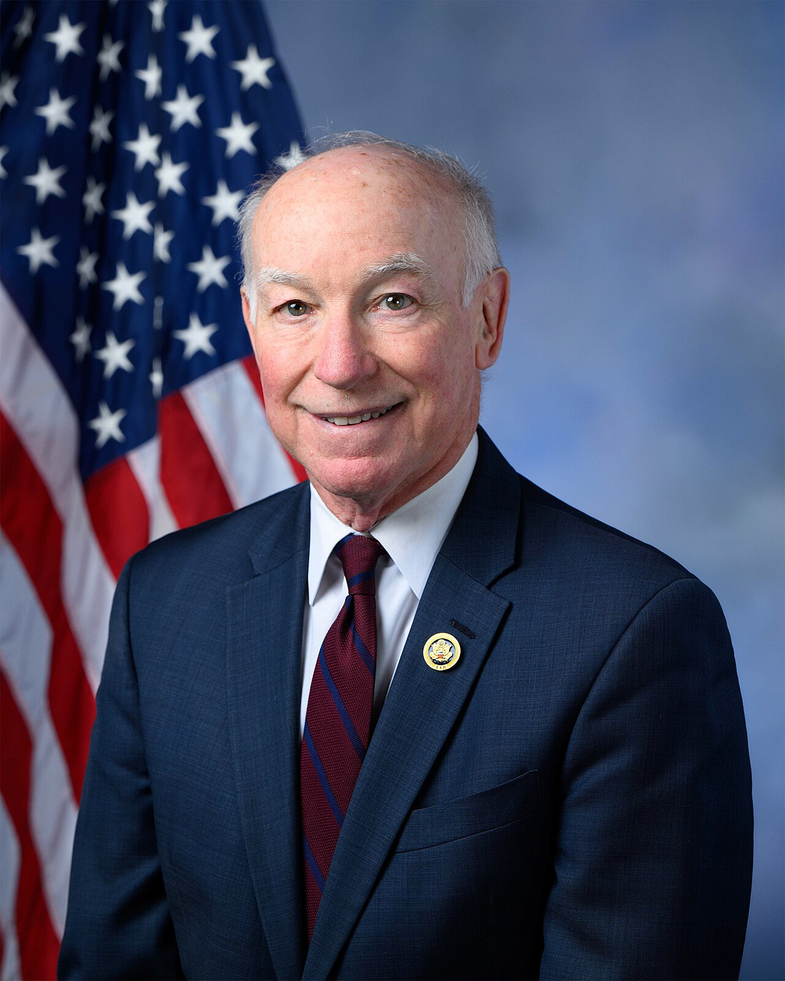
Co-Sponsor
-
TrackElijah Crane
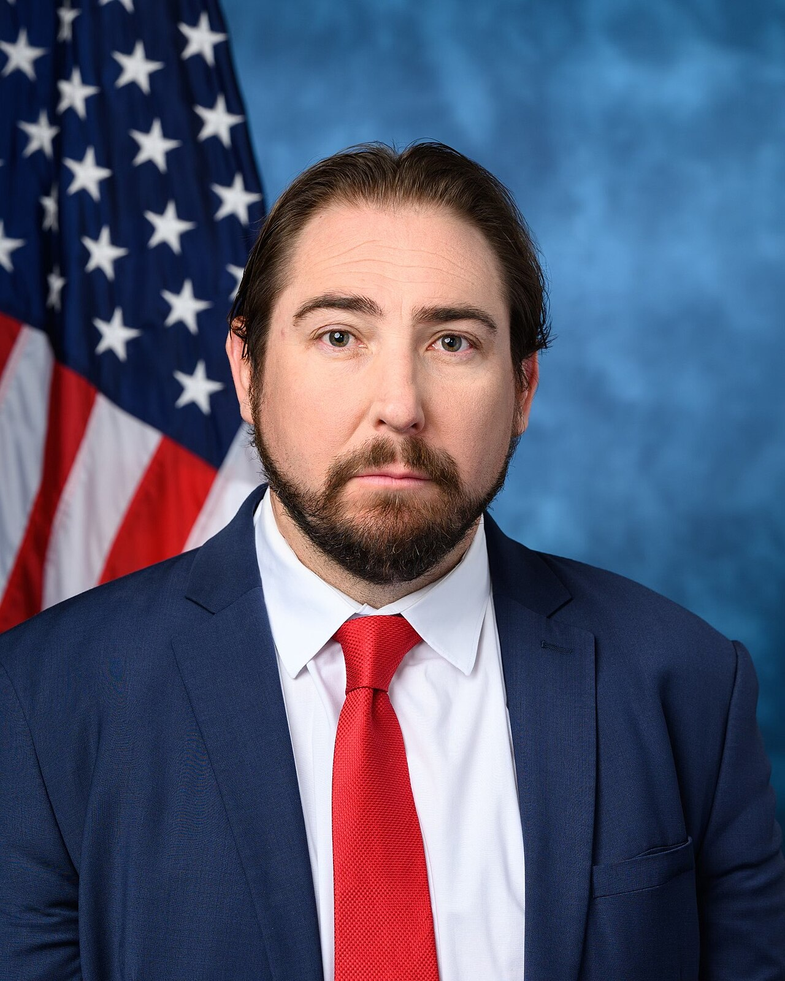
Co-Sponsor
-
TrackHenry C. "Hank" Johnson, Jr.

Co-Sponsor
-
TrackRo Khanna

Co-Sponsor
-
TrackMike Levin
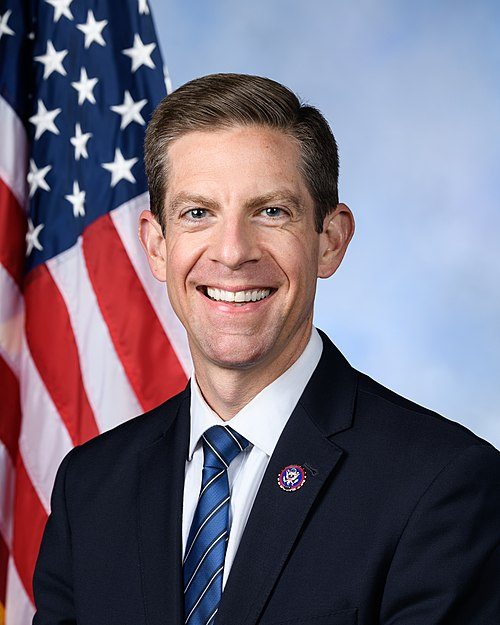
Co-Sponsor
-
TrackAnna Paulina Luna
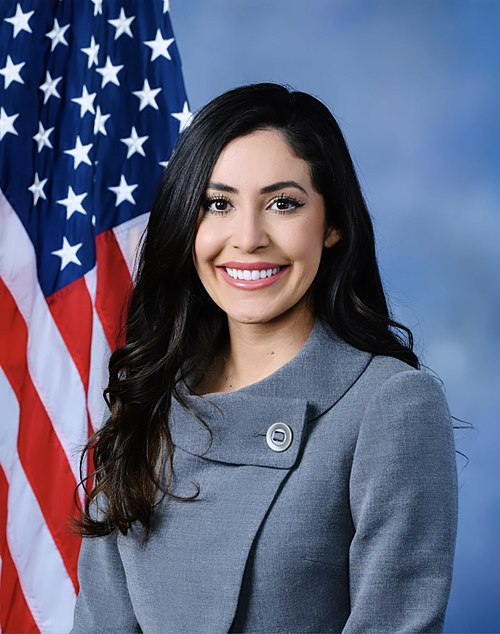
Co-Sponsor
-
TrackNancy Mace
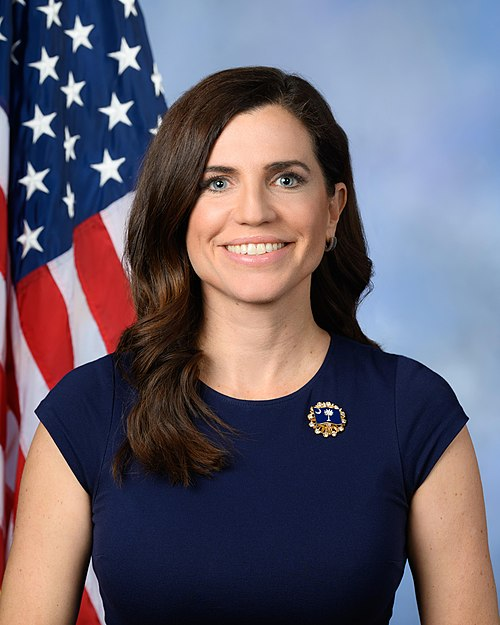
Co-Sponsor
-
TrackEleanor Holmes Norton

Co-Sponsor
-
TrackAlexandria Ocasio-Cortez
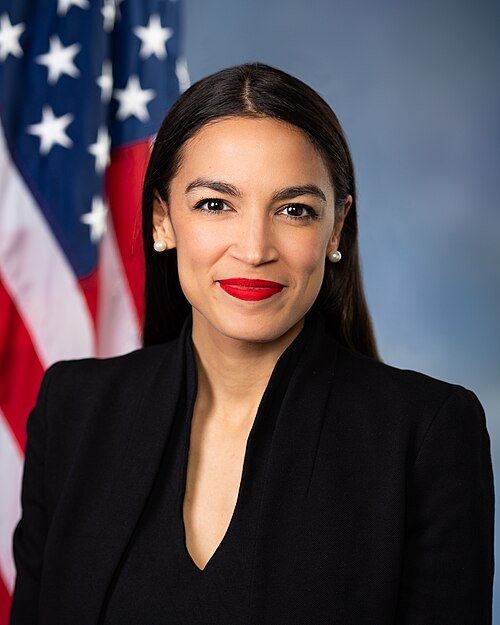
Co-Sponsor
-
TrackChellie Pingree

Co-Sponsor
-
TrackMark Pocan
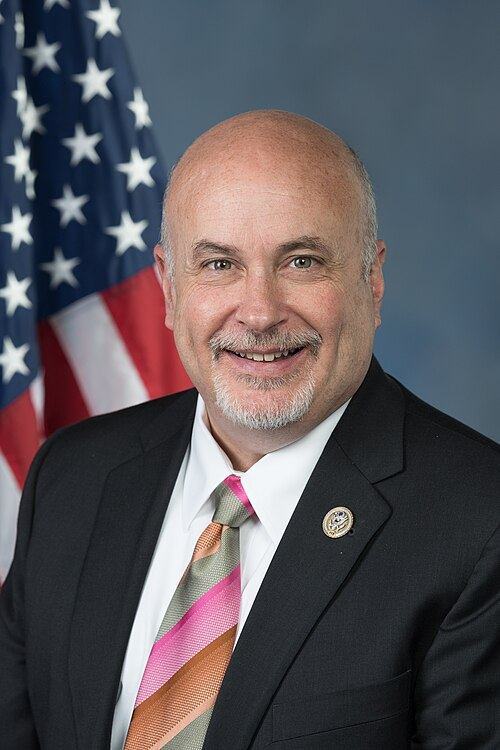
Co-Sponsor
-
TrackEmily Randall
Co-Sponsor
Actions
2 actions
| Date | Action |
|---|---|
| Feb. 20, 2026 | Introduced in House |
| Feb. 20, 2026 | Referred to the House Committee on the Judiciary. |
Corporate Lobbying
0 companies lobbying
None found.
* Note that there can be significant delays in lobbying disclosures, and our data may be incomplete.