H.R. 7592: Zero-Based Regulatory Budgeting to Unleash American Energy Act of 2026
This bill, known as the "Zero-Based Regulatory Budgeting to Unleash American Energy Act of 2026", aims to implement significant changes to how certain regulations are managed by specific government agencies. The key points of the bill are summarized below:
Covered Agencies
The bill identifies several “covered agencies” responsible for regulating energy and natural resources, which include:
- The Department of Energy;
- The Bureau of Land Management;
- The Bureau of Ocean Energy Management;
- The Bureau of Safety and Environmental Enforcement;
- The Office of Surface Mining Reclamation and Enforcement;
- The Federal Energy Regulatory Commission.
Definition of Covered Regulations
“Covered regulations” are defined as rules that fall under the authority of the covered agencies and pertain to specific energy-related laws. These regulations include but are not limited to those enacted under the Atomic Energy Act of 1954, various Energy Policy Acts, and other laws relevant to energy and natural resources.
Sunset Provision for Existing Regulations
The bill mandates that all existing covered regulations will automatically expire one year after the bill is enacted unless they are amended to include an extension.
Sunset Provision for New Regulations
For any new regulations established after the bill’s enactment, they will have a maximum lifespan of five years. However, the head of the covered agency may extend this period under certain conditions:
- If the regulation is determined to have a net deregulatory effect, they may waive the sunset requirement.
- Public comments must be solicited before any extension beyond five years can be granted.
Enforcement of Expired Regulations
If a covered regulation expires and is not extended, it will cease to have any legal effect, and the applicable agency will no longer enforce it. They will also be required to remove such expired regulations from the official Code of Federal Regulations promptly.
Administrative Provisions
The bill clarifies that it does not diminish the authority granted to any executive department or agency. Moreover, it specifies that no part of the bill creates new rights or benefits that can be enforced against the U.S. government or its agencies.
Severability Clause
If any part of the bill is found to be unconstitutional, it will not affect the validity of the remaining provisions.
Relevant Companies
- XOM (Exxon Mobil Corp): As a major energy company, changes in regulations surrounding energy production could affect their operational flexibility and costs.
- CVX (Chevron Corporation): Similar to Exxon, Chevron would be impacted by any changes in the regulatory environment governing oil and gas exploration and production.
- SLB (Schlumberger Limited): This oilfield services company may experience changes in demand for its services depending on how regulatory changes impact exploration activities allowed under the new regulations.
This is an AI-generated summary of the bill text. There may be mistakes.
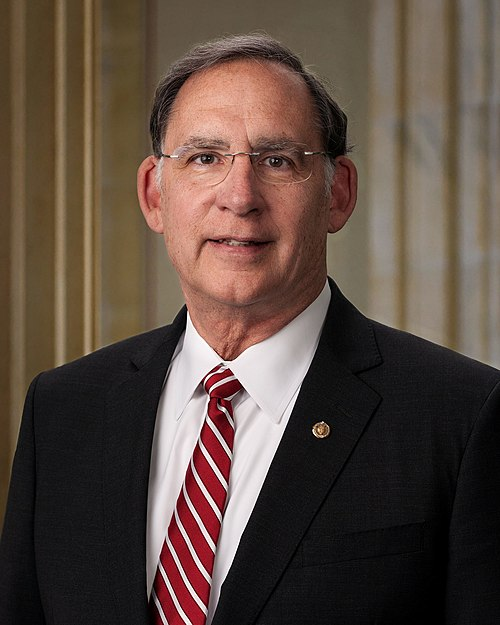
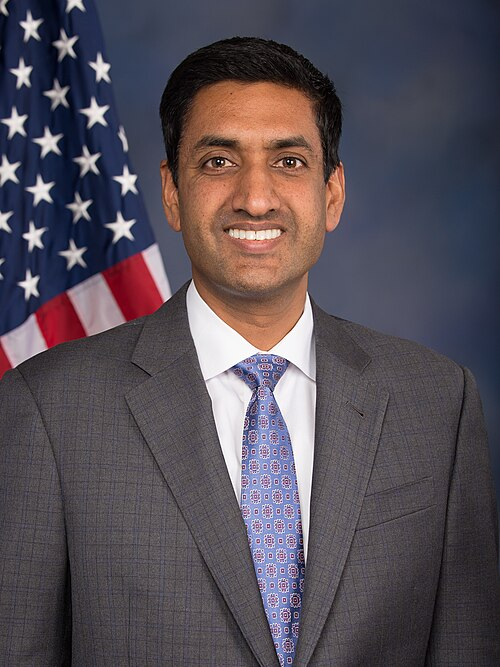
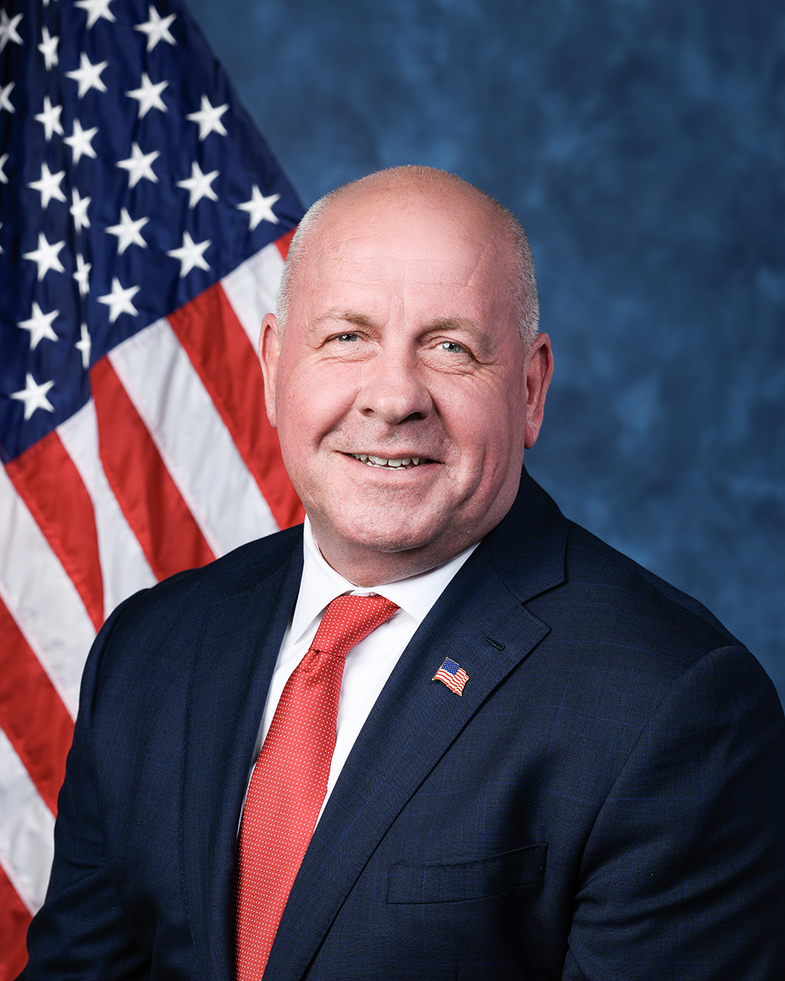
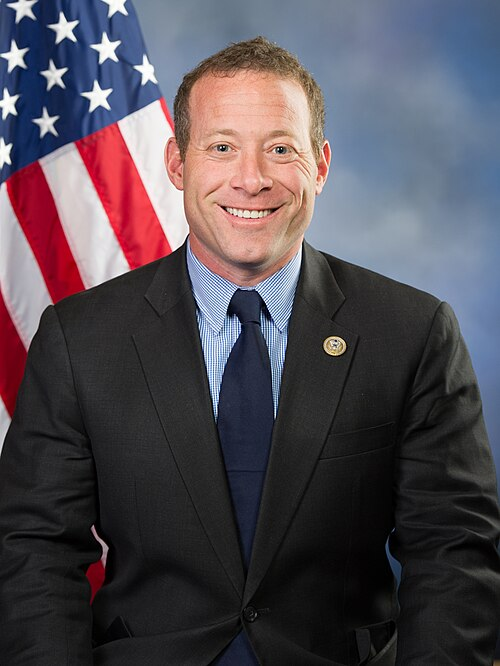
Sponsors
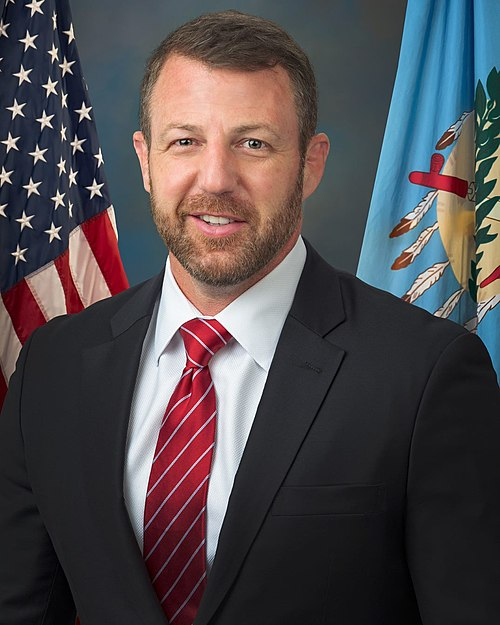
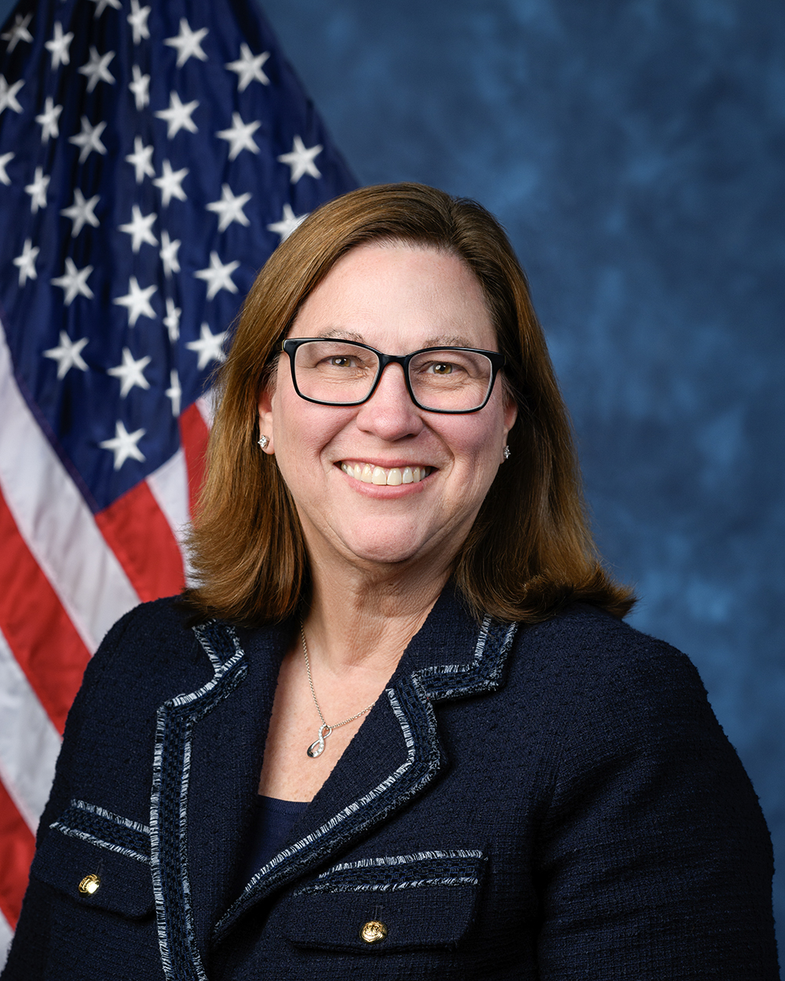
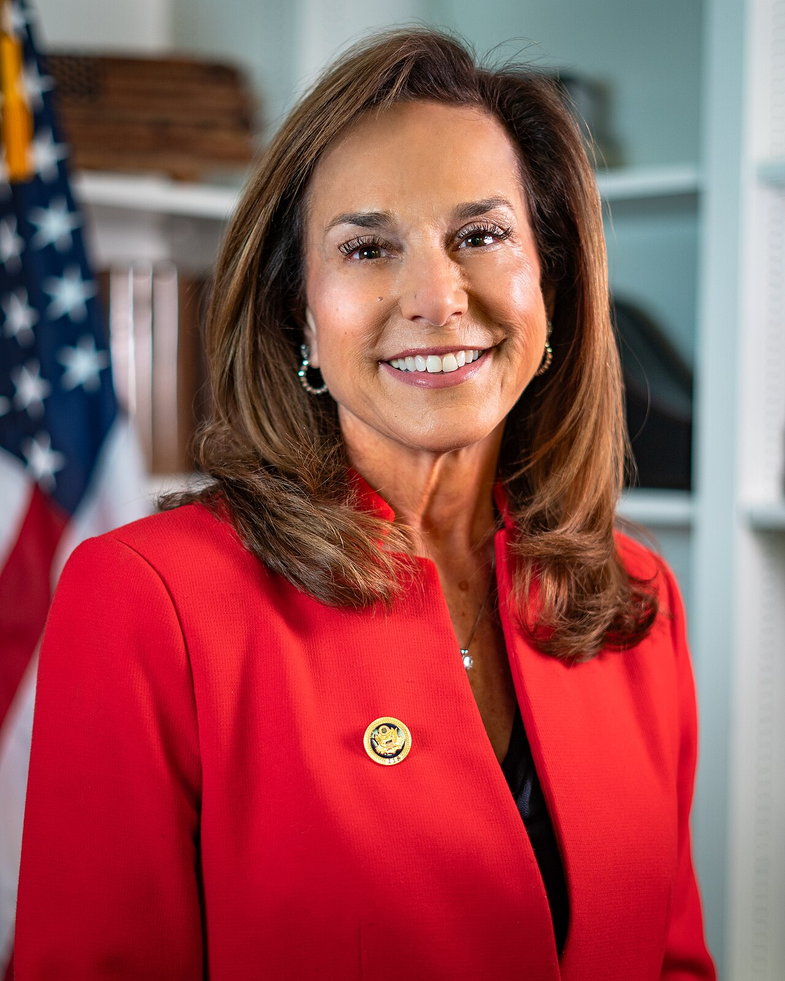
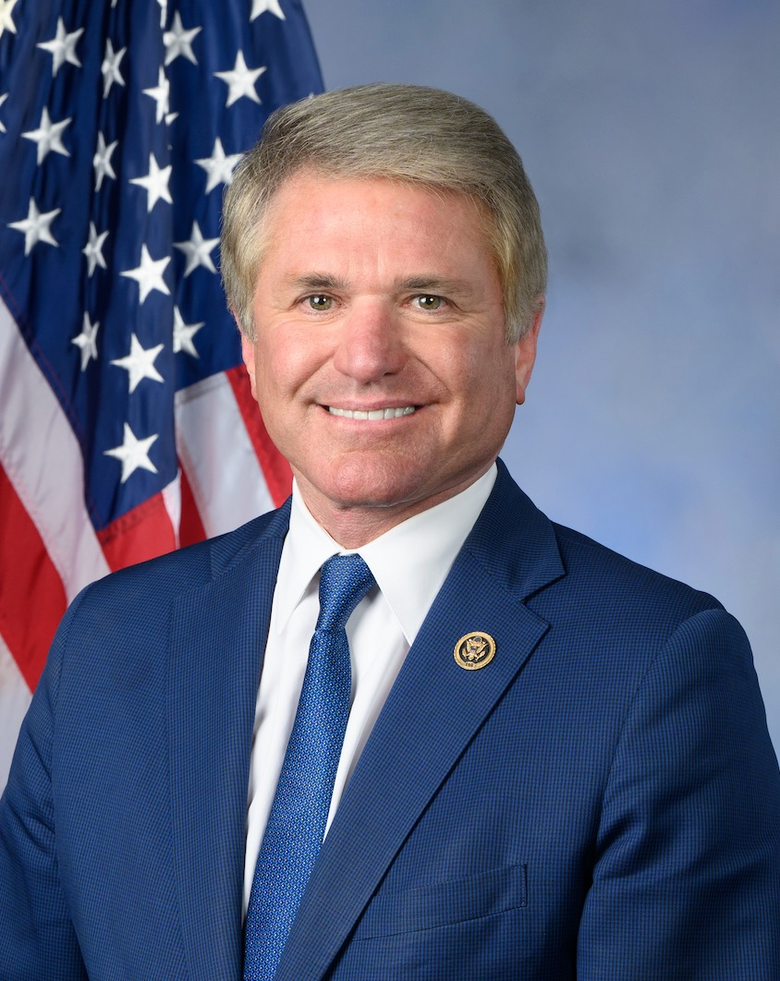
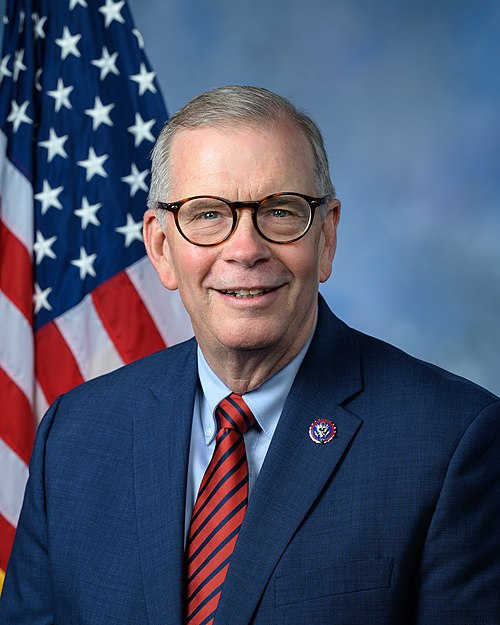
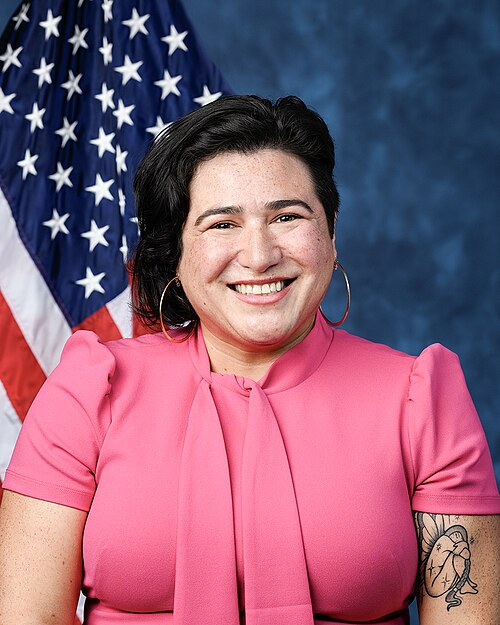
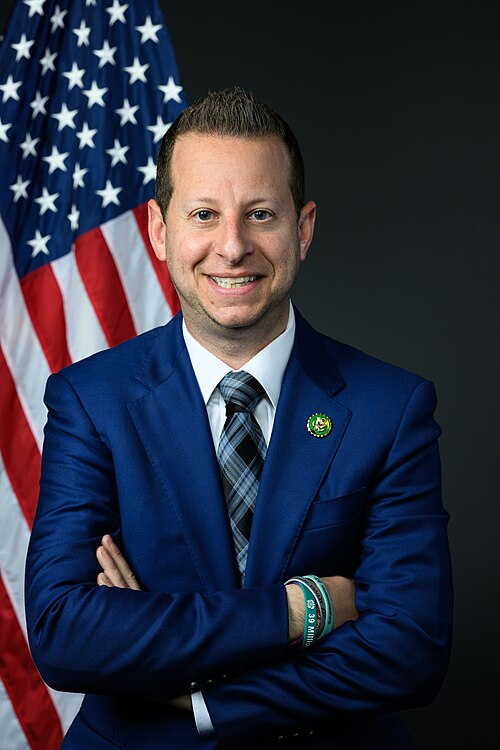
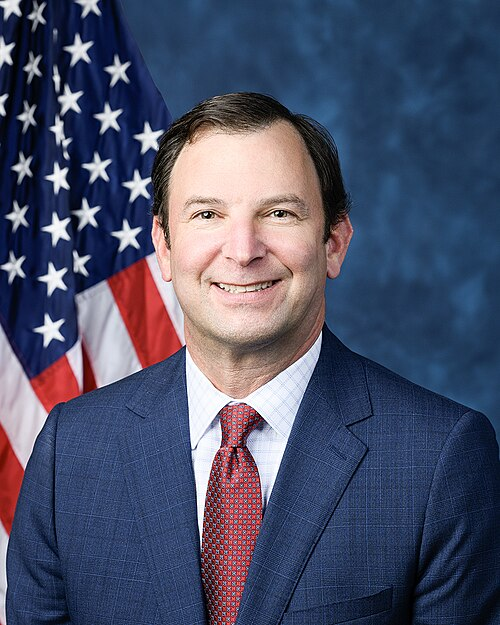
9 bill sponsors

Actions
2 actions
| Date | Action |
|---|---|
| Feb. 17, 2026 | Introduced in House |
| Feb. 17, 2026 | Referred to the Committee on Energy and Commerce, and in addition to the Committee on Natural Resources, for a period to be subsequently determined by the Speaker, in each case for consideration of such provisions as fall within the jurisdiction of the committee concerned. |
Corporate Lobbying
0 companies lobbying
None found.
* Note that there can be significant delays in lobbying disclosures, and our data may be incomplete.