
H.R. 7583: Bringing an End to Harassment by Enhancing Accountability and Rejecting Discrimination in the Workplace Act
The "Bringing an End to Harassment by Enhancing Accountability and Rejecting Discrimination in the Workplace Act" is a legislative proposal aimed at strengthening protections against workplace discrimination and harassment. Its key objectives include enhancing worker rights, promoting accountability among employers, and improving access to justice for employees facing discrimination in the workplace.
Expanded Protections Against Discrimination
This bill introduces amendments to the Civil Rights Act of 1964 and other related laws, specifically focusing on:
- Expanding protections against workplace discrimination and harassment based on sex, which includes sexual orientation and gender identity.
- Clarifying claims and legal standards to make it easier for individuals to assert their rights regarding workplace harassment.
Establishing Discrimination Claims
Under this legislation, claimants can establish grounds for discrimination by demonstrating that a protected characteristic (like sex or gender identity) was a motivating factor in an employment decision or practice. Notably, they will not be required to prove that it was the sole cause of the adverse action. Additionally, the bill allows for various forms of evidence to be used when making discrimination claims.
Extended Time Limits for Filing Complaints
The bill also revises the time limits for filing complaints related to unlawful employment practices to four years and 120 days. This change affects multiple federal laws, including the Age Discrimination in Employment Act, and aims to give employees more time to seek justice for discriminatory practices.
Arbitration Clauses and Workers' Rights
This legislation includes important provisions concerning arbitration agreements. Specifically, it states that contracts between covered entities (such as employers) and labor organizations cannot waive a worker's right to judicial enforcement of their U.S. constitutional rights, state constitutions, or pertinent laws. To implement this change, amendments to Title 9 of the U.S. Code will introduce new arbitration protocols effective upon the bill's enactment.
State Compliance and Advocacy Systems
Furthermore, the bill mandates that states maintain an effective advocacy system for workers' rights in order to be eligible for federal funding. These funds are designated for supporting such advocacy systems, remain available if unspent, and must be managed by independent nonprofit entities that adhere to strict representation and accountability standards.
Relevant Companies
- None found
This is an AI-generated summary of the bill text. There may be mistakes.
Sponsors
22 bill sponsors
-
TrackAyanna Pressley
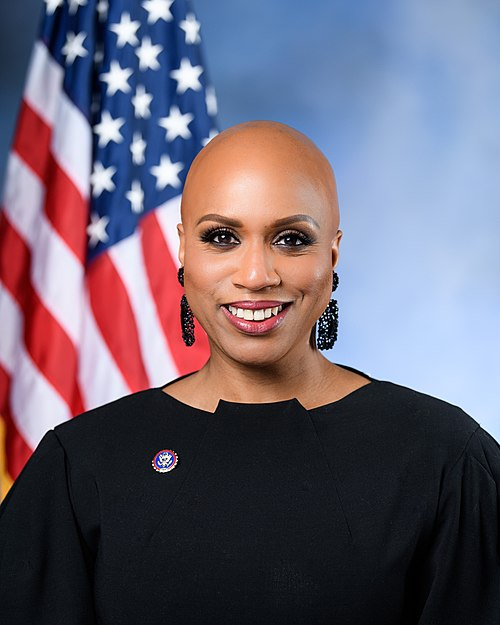
Sponsor
-
TrackNanette Diaz Barragán

Co-Sponsor
-
TrackJulia Brownley
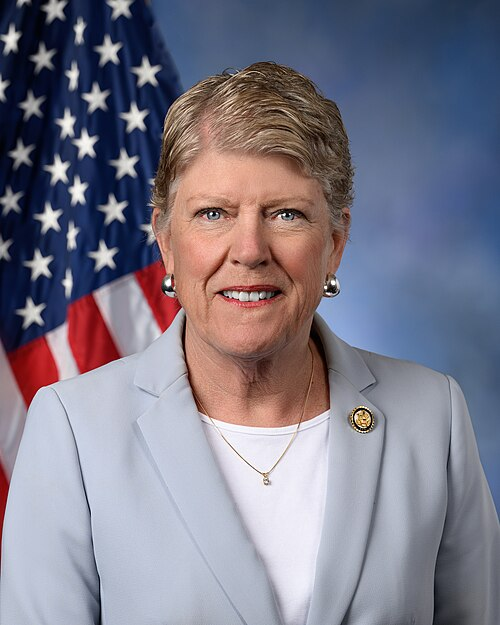
Co-Sponsor
-
TrackAndré Carson
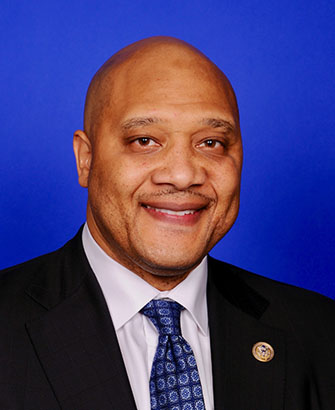
Co-Sponsor
-
TrackJudy Chu
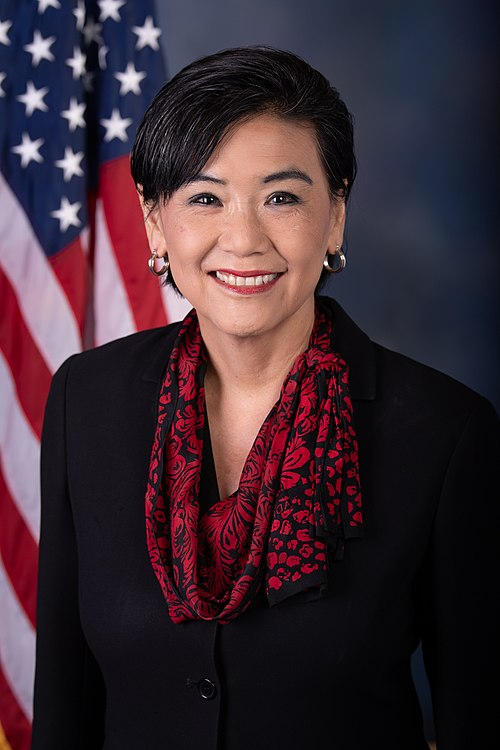
Co-Sponsor
-
TrackYvette D. Clarke
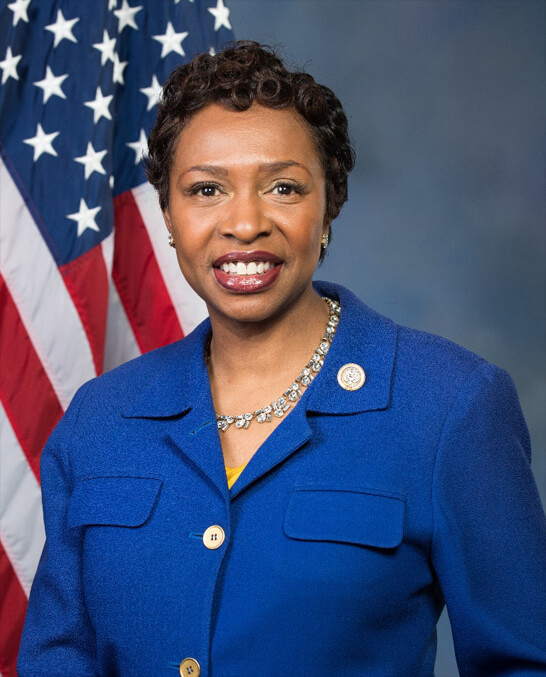
Co-Sponsor
-
TrackMark DeSaulnier
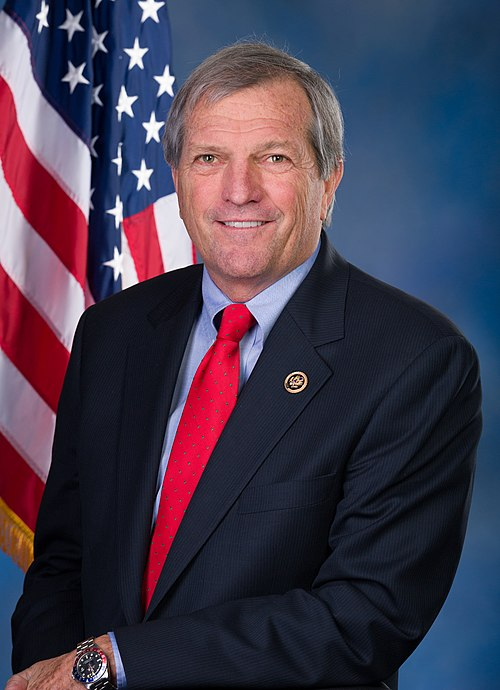
Co-Sponsor
-
TrackSylvia R. Garcia
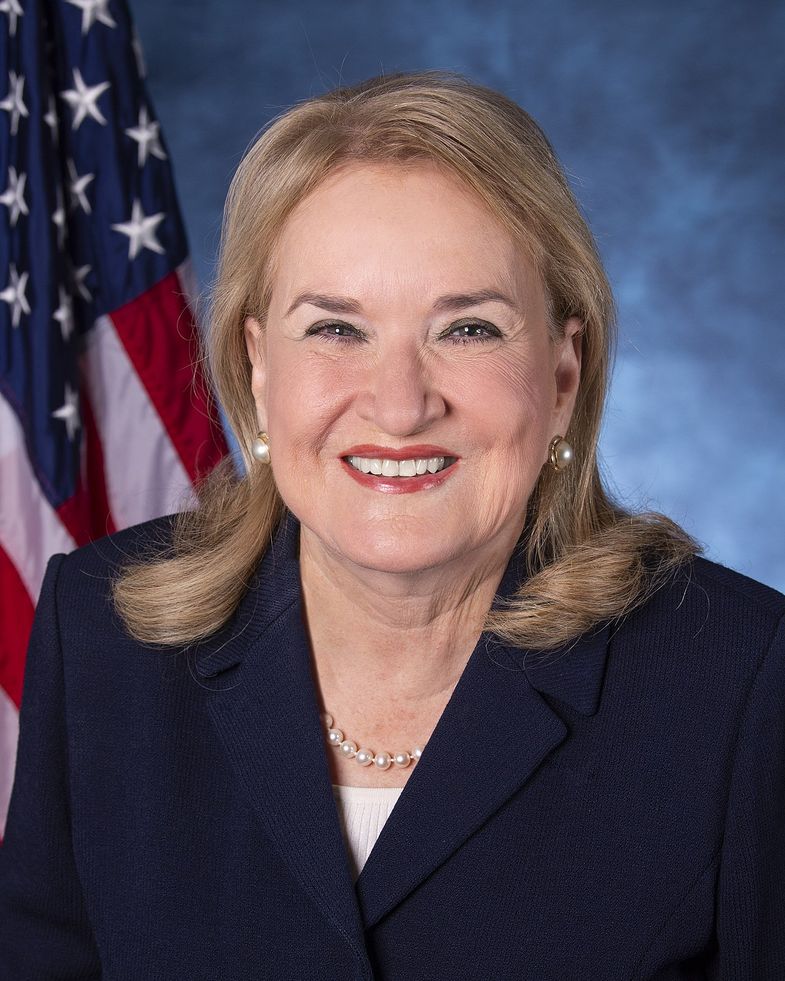
Co-Sponsor
-
TrackHenry C. "Hank" Johnson, Jr.

Co-Sponsor
-
TrackSummer L. Lee

Co-Sponsor
-
TrackJames P. McGovern
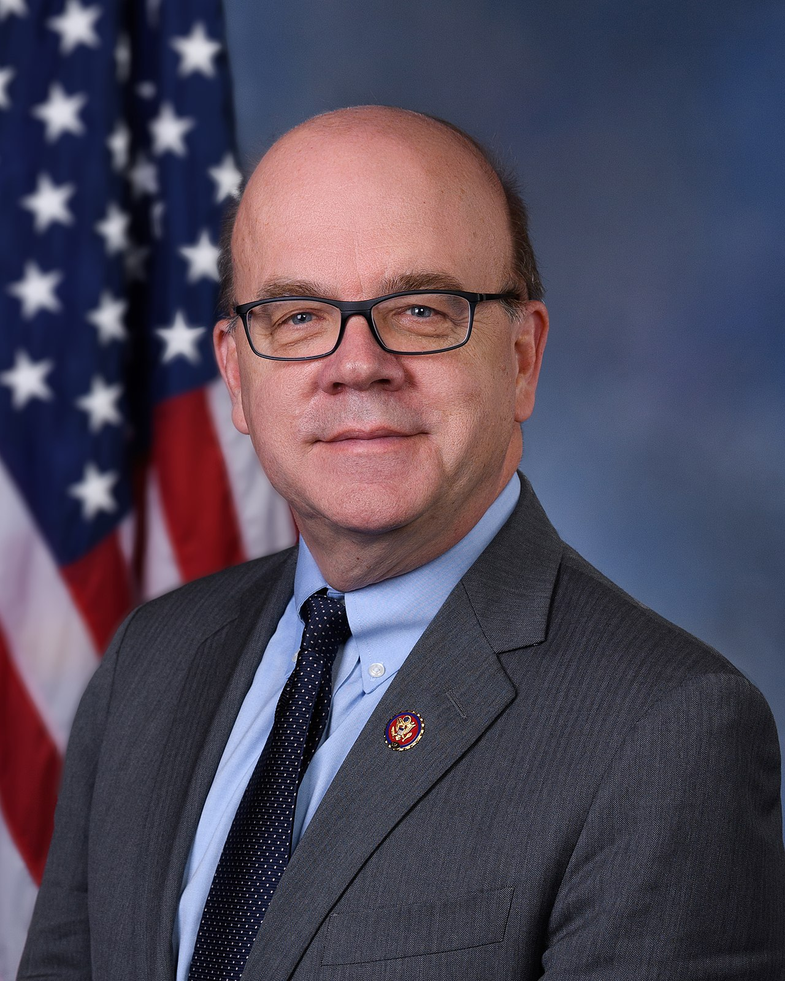
Co-Sponsor
-
TrackEleanor Holmes Norton

Co-Sponsor
-
TrackIlhan Omar

Co-Sponsor
-
TrackChellie Pingree

Co-Sponsor
-
TrackDelia C. Ramirez

Co-Sponsor
-
TrackMary Gay Scanlon

Co-Sponsor
-
TrackJanice D. Schakowsky

Co-Sponsor
-
TrackLateefah Simon

Co-Sponsor
-
TrackMarilyn Strickland
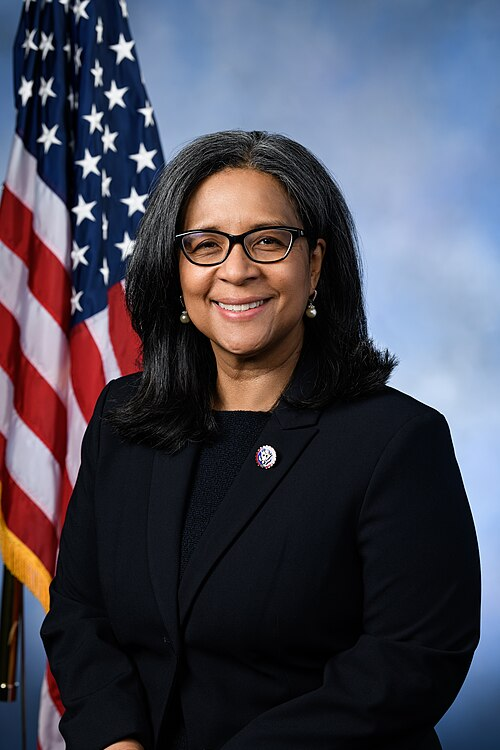
Co-Sponsor
-
TrackShri Thanedar
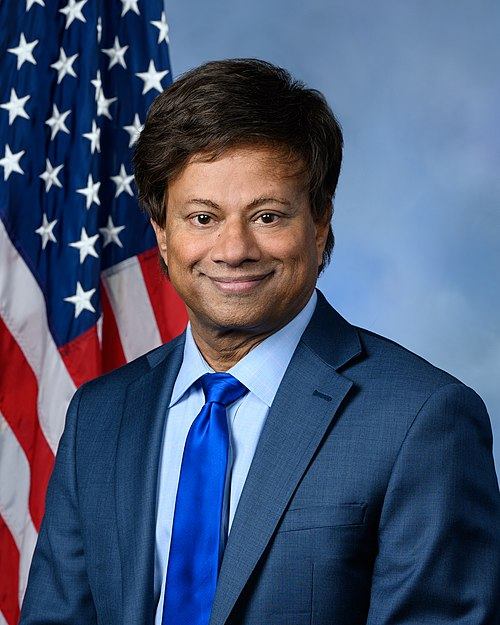
Co-Sponsor
-
TrackRashida Tlaib
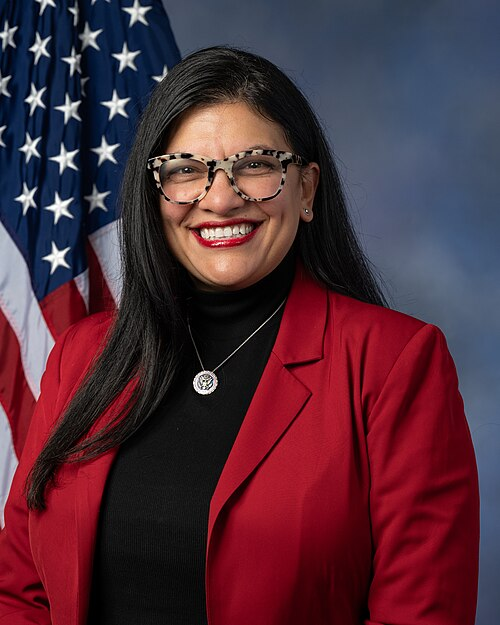
Co-Sponsor
-
TrackDebbie Wasserman Schultz
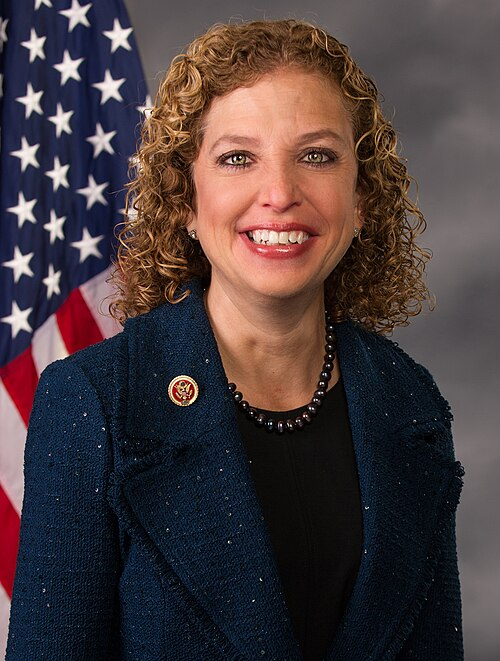
Co-Sponsor
Actions
2 actions
| Date | Action |
|---|---|
| Feb. 13, 2026 | Introduced in House |
| Feb. 13, 2026 | Referred to the Committee on Education and Workforce, and in addition to the Committees on the Judiciary, House Administration, Oversight and Government Reform, and Veterans' Affairs, for a period to be subsequently determined by the Speaker, in each case for consideration of such provisions as fall within the jurisdiction of the committee concerned. |
Corporate Lobbying
0 companies lobbying
None found.
* Note that there can be significant delays in lobbying disclosures, and our data may be incomplete.
Potentially Relevant Congressional Stock Trades
No relevant congressional stock trades found.