H.R. 7578: Targeted Operations to Remove Catastrophic Hazards Act
This bill, known as the Targeted Operations to Remove Catastrophic Hazards Act (or TORCH Act), aims to enhance forest management activities to mitigate the risk of catastrophic wildfires in the United States. It proposes several key provisions that focus on the prevention of wildfires and other hazards linked to forest management. Below is a breakdown of the main aspects of the bill:
Short Title
The Act is referred to as the "Targeted Operations to Remove Catastrophic Hazards Act" or the "TORCH Act."
Hazardous Fuel Reduction Activities
- Categorical Exclusion for Hazard Trees: The bill mandates the Secretary of Agriculture to create a categorical exclusion for high-priority hazard tree activities within one year of enactment. This allows certain forestry actions, such as removing dangerous trees, to proceed without extensive environmental assessments.
- Timber Sales for Risk Reduction: It allows the Secretary to dispose of timber on National Forest System lands in cases of extreme risk (e.g., wildfires or disease) without formal appraisals, enabling quicker action to reduce hazards.
- Utilizing Grazing: The Secretary is tasked with developing a strategy to use livestock grazing more effectively as a wildfire risk reduction method, including enhancing grazing opportunities during droughts or wildfires.
- Amendments to Existing Laws: It proposes amendments to existing laws to increase project sizes for wildfire mitigation from 3,000 acres to 10,000 acres and to modify fuel breaks to enhance wildfire resilience.
Good Neighbor Authority
The bill modifies how revenue from timber sales under good neighbor agreements (partnerships between state and federal agencies) is handled, explicitly including Indian tribes in the agreements and ensuring funds are retained for restoration services.
Electrical Utility Lines Management
- Vegetation Management: It allows greater clearance (up to 50 feet) around electric power lines for removing hazardous vegetation that could increase fire risk.
- Categorical Exclusions: Forest management activities related to electric utility lines are designated as categorically excluded from detailed environmental assessments, streamlining the process for maintenance and safety acts around these lines.
- Private Landowner Consultation: The bill also requires consultation with private landowners regarding any hazard trees identified for removal near their properties.
Reform of Administrative Requirements
- Endangered Species Act Provisions: The bill eases certain consultation requirements under the Endangered Species Act, allowing for quicker responses to new species listings or habitat designations without needing to revisit previous assessments.
- Amendments to Collaborative Projects: It expands categorical exclusions for collaborative restoration projects to allow for larger areas (up to 10,000 acres), facilitating more extensive restoration efforts.
Implementation and Administration
This legislation proposes extensive administrative changes that empower the Secretary of Agriculture and other relevant authorities to act decisively to mitigate wildfire threats. The changes aim to expedite projects by reducing some regulatory burdens associated with forest management activities while maintaining compliance with essential environmental standards.
Relevant Companies
- NEE (NextEra Energy) - As a major utility provider, NextEra Energy may be directly impacted by changes to vegetation management requirements around power lines and could face operational adjustments as a result.
- AEP (American Electric Power) - Similar to NextEra, American Electric Power could also see changes in their operations pertaining to tree removal and vegetation management due to the streamlined processes outlined in the bill.
This is an AI-generated summary of the bill text. There may be mistakes.
Sponsors
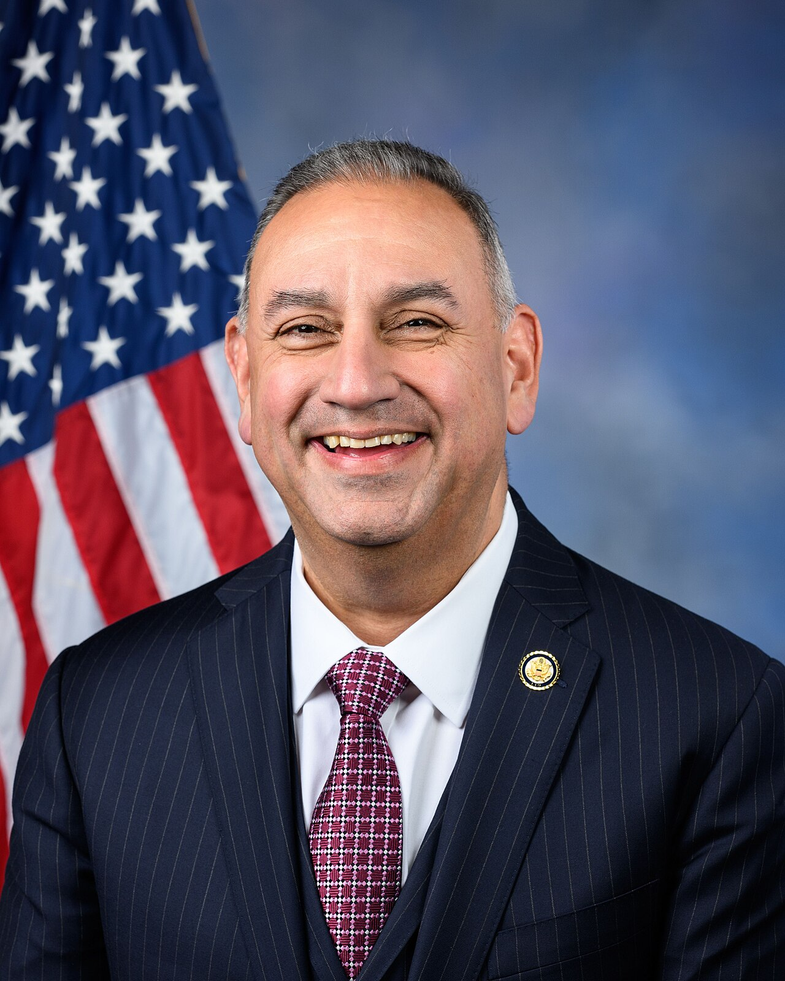
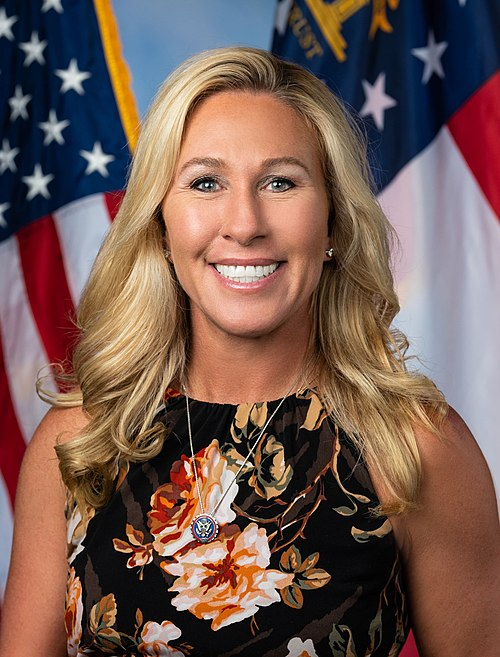
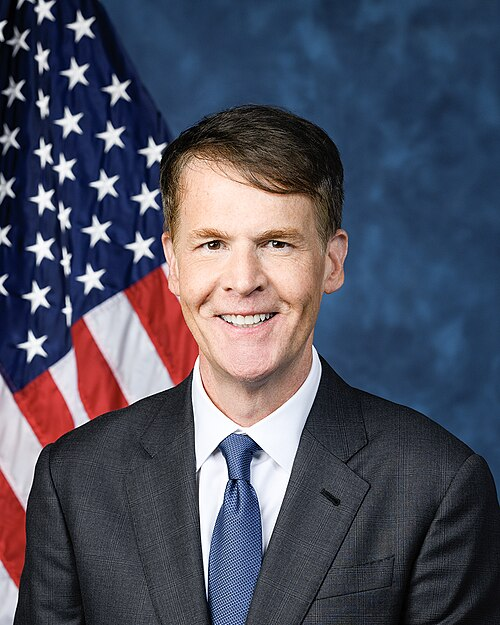
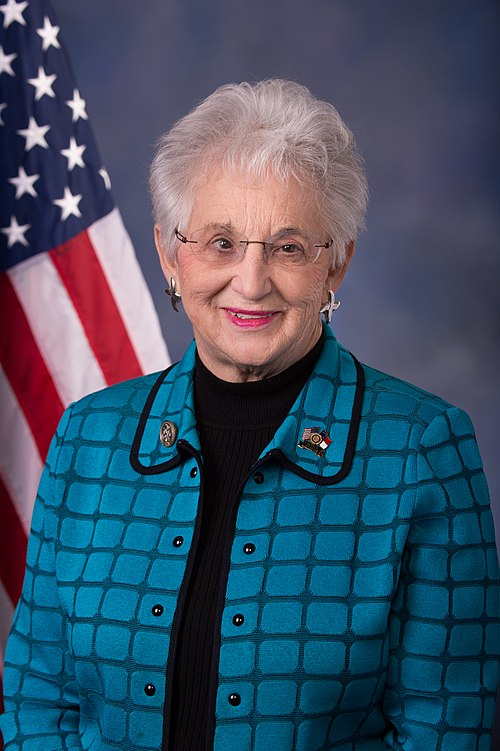
2 bill sponsors


Actions
2 actions
| Date | Action |
|---|---|
| Feb. 13, 2026 | Introduced in House |
| Feb. 13, 2026 | Referred to the Committee on Agriculture, and in addition to the Committee on Natural Resources, for a period to be subsequently determined by the Speaker, in each case for consideration of such provisions as fall within the jurisdiction of the committee concerned. |
Corporate Lobbying
0 companies lobbying
None found.
* Note that there can be significant delays in lobbying disclosures, and our data may be incomplete.