
H.R. 7552: Countering Beijing’s Weaponization of Fentanyl Act
The "Countering Beijing’s Weaponization of Fentanyl Act" proposes to amend an existing law related to the control and elimination of chemical and biological weapons. Here are the main points of what this bill entails:
Purpose of the Bill
The bill aims to expand the scope of the Chemical and Biological Weapons Control and Warfare Elimination Act of 1991. It specifically addresses actions that involve chemical or biological programs that can lead to harm for other countries.
Definitions and Key Terms
- Chemical or Biological Program: This includes programs to produce, develop, or distribute chemical or biological weapons, and specific harmful substances like fentanyl and its analogs.
- Covered Act: Actions undertaken by officials of foreign governments that could result in injury or damage to another country.
- Foreign Governmental Entity: Refers to foreign governments or agencies and organizations that are controlled by such governments.
Presidential Authority and Reporting
The bill imposes new reporting requirements on the President when credible information arises suggesting a foreign individual associated with a government entity has engaged in actions that fall under the newly defined "covered acts." The President must provide periodic reports regarding any determinations made and the sanctions applied within specific timelines.
Sanctions Against Foreign Countries
If the President finds that a covered act has occurred, the bill outlines mandatory sanctions against the country linked to the responsible individual. The sanctions include:
- Suspending scientific cooperative programs and agreements with that country.
- Prohibiting the export or transfer of specific goods classified under U.S. trade laws.
- Prohibiting procurement of goods or services from individuals or companies in the chemical or biological sectors of that country.
The President also has to assess whether the involved foreign government has satisfactorily addressed the original issue, provided necessary information, and developed measures to prevent future occurrences. If the government does not meet these criteria, additional sanctions can be imposed, including termination of U.S. assistance (aside from humanitarian aid) and further restrictions on exports.
Duration and Waivers of Sanctions
These sanctions can be maintained for one year but can be terminated if certain conditions are met. Additionally, the President can waive sanctions for national security interests for limited durations, specifically not exceeding 180 days, but this cannot be done after five years from the bill's enactment.
Relevant Companies
None found
This is an AI-generated summary of the bill text. There may be mistakes.
Sponsors
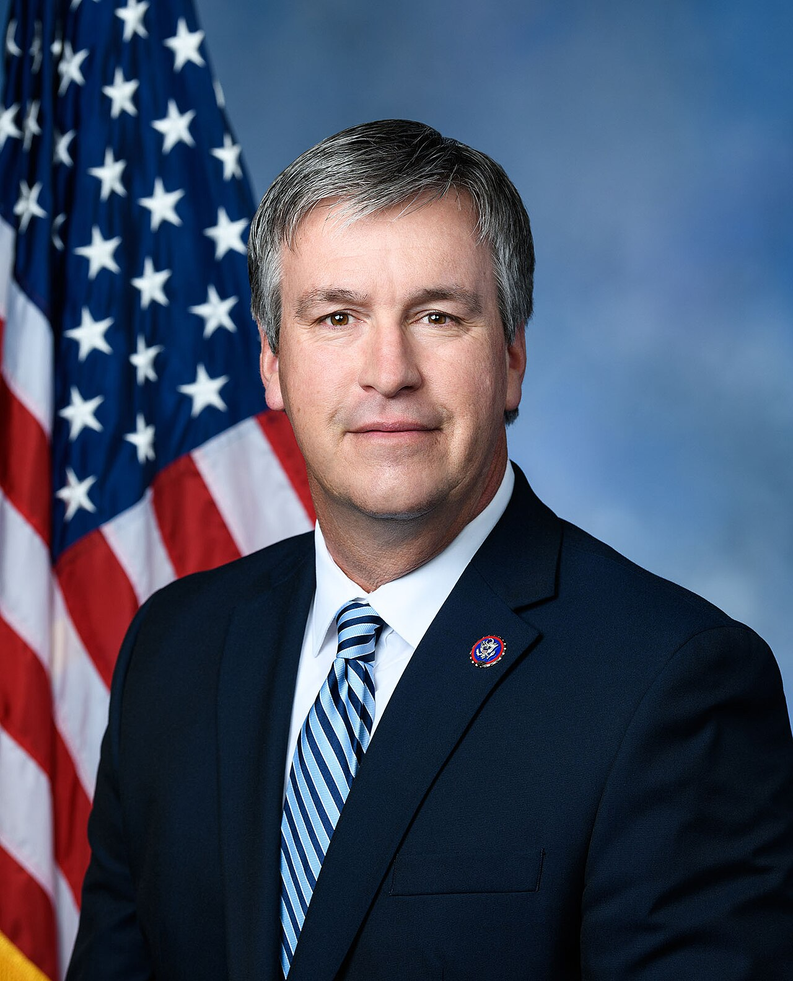
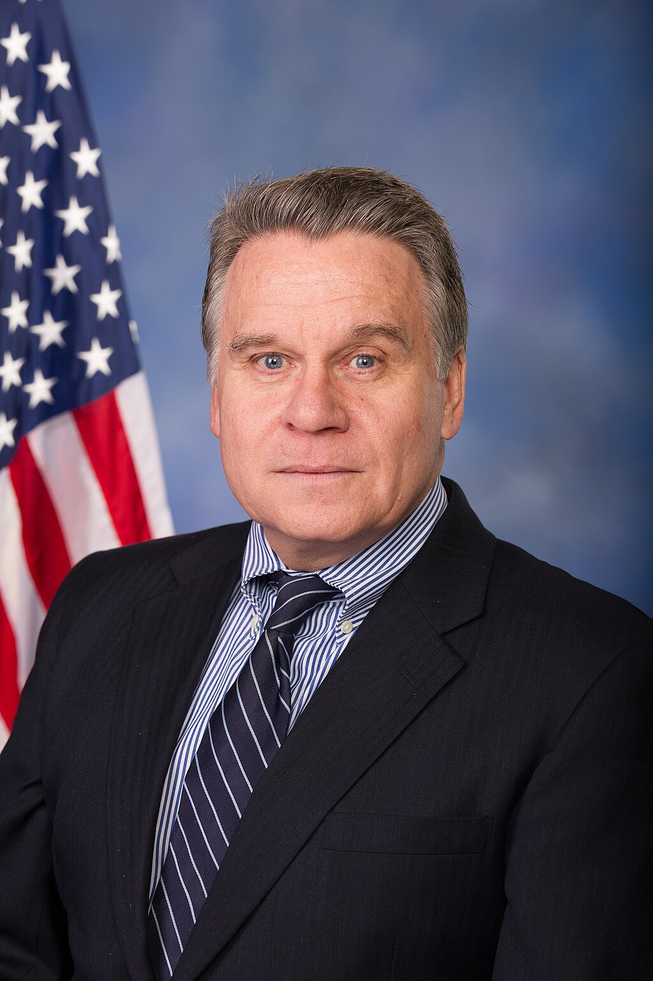
3 bill sponsors

Actions
2 actions
| Date | Action |
|---|---|
| Feb. 12, 2026 | Introduced in House |
| Feb. 12, 2026 | Referred to the Committee on Foreign Affairs, and in addition to the Committees on Financial Services, and Oversight and Government Reform, for a period to be subsequently determined by the Speaker, in each case for consideration of such provisions as fall within the jurisdiction of the committee concerned. |
Corporate Lobbying
0 companies lobbying
None found.
* Note that there can be significant delays in lobbying disclosures, and our data may be incomplete.
Potentially Relevant Congressional Stock Trades
No relevant congressional stock trades found.