H.R. 7548: Safeguarding Consumers from Advertising Misconduct Act
This bill, known as the Safeguarding Consumers from Advertising Misconduct Act (SCAM Act), aims to combat fraudulent and deceptive advertisements shown on online platforms. Here’s a detailed breakdown of its provisions and implications:
Key Findings
The bill outlines several findings that highlight the increasing prevalence of online scams, especially through social media. Key statistics reported indicate:
- A significant amount of fraud has been reported, totaling approximately $195.9 billion in losses in 2024.
- Young adults, particularly those aged 18 to 29, are often targeted through platforms, with considerable incidences of scams reported via these channels.
- Older adults are especially vulnerable, experiencing large financial losses.
- Many platforms have relaxed their advertiser verification protocols, leading to increased fraudulent activities.
Prohibitions on Advertising Fraud
Under the bill, it will be unlawful for online platforms to display ads that are fraudulent or misleading if they:
- Receive payments for those ads.
- Neglect to implement reasonable measures to prevent such ads from being shown.
Requirements for Online Platforms
The bill mandates that platforms must establish robust procedures to combat advertising fraud, including:
- Verifying the identity of advertisers by checking their legal names, locations, and obtaining government identification.
- Detecting and mitigating impersonation through established programs.
- Employing both automated and manual systems to identify fraudulent advertisements.
- Providing tools for users to report suspicious ads easily.
Investigation of Fraudulent Advertisements
If an ad is reported or identified as fraudulent, the platform is required to:
- Investigate the claim within 72 hours and notify the reporting party of the outcome within 24 hours of completing the investigation.
- Remove any ads found to be violating the standards of the Act within 24 hours of determination.
Enforcement Mechanisms
The Federal Trade Commission (FTC) will oversee enforcement, treating violations of the bill as unfair or deceptive acts under existing laws. It will have the authority to enforce compliance through various means similar to those in the Federal Trade Commission Act.
- State attorneys general will also have the authority to take action against violations that impact their residents.
- Individuals harmed by fraudulent ads may sue for damages and seek legal remedies.
Regulatory Powers
The bill requires the FTC to draft rules to implement the provisions of the Act within one year of its enactment, with subsequent annual reviews to update regulations as necessary.
Reporting and Gaps Analysis
Within nine months of its enactment, the FTC must submit a report discussing:
- Any regulatory gaps that allow scams to persist.
- Recommendations for further actions to enhance oversight of platforms regarding advertising fraud.
Definitions and Scope
The bill provides specific definitions for terms such as “online platform” and “deceptive,” clarifying its regulatory scope and ensuring clarity in enforcement.
Relevant Companies
- FB (Meta Platforms, Inc.): Likely to be significantly impacted due to its role as a major social media platform where deceptive ads can proliferate.
- GOOGL (Alphabet Inc.): As a leading online advertising platform through Google and YouTube, enhancements to ad screening may require system upgrades and adjustments to business models.
- TWTR (Twitter, Inc.): Potentially impacted as it deals with user-generated content, possibly requiring more stringent advertiser verification methods.
This is an AI-generated summary of the bill text. There may be mistakes.
Sponsors
52 bill sponsors
-
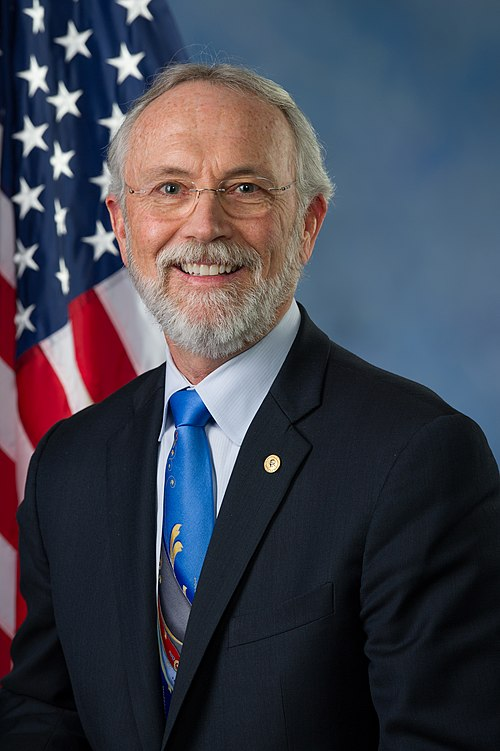
TrackDaniel Meuser
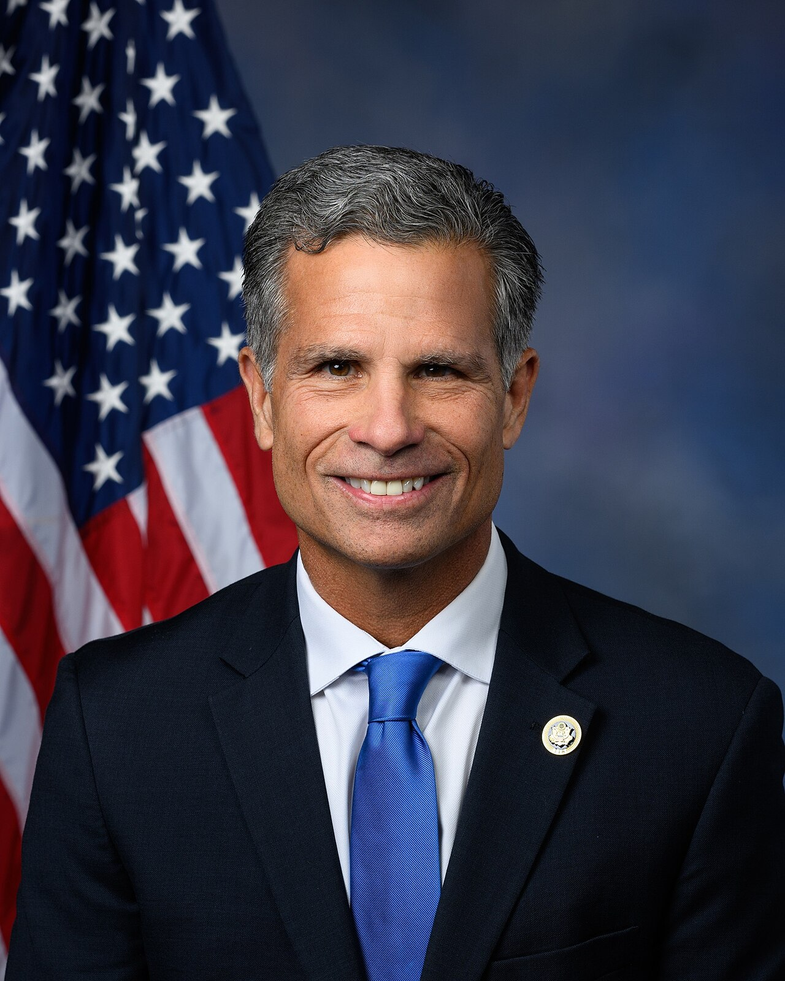
Sponsor
-
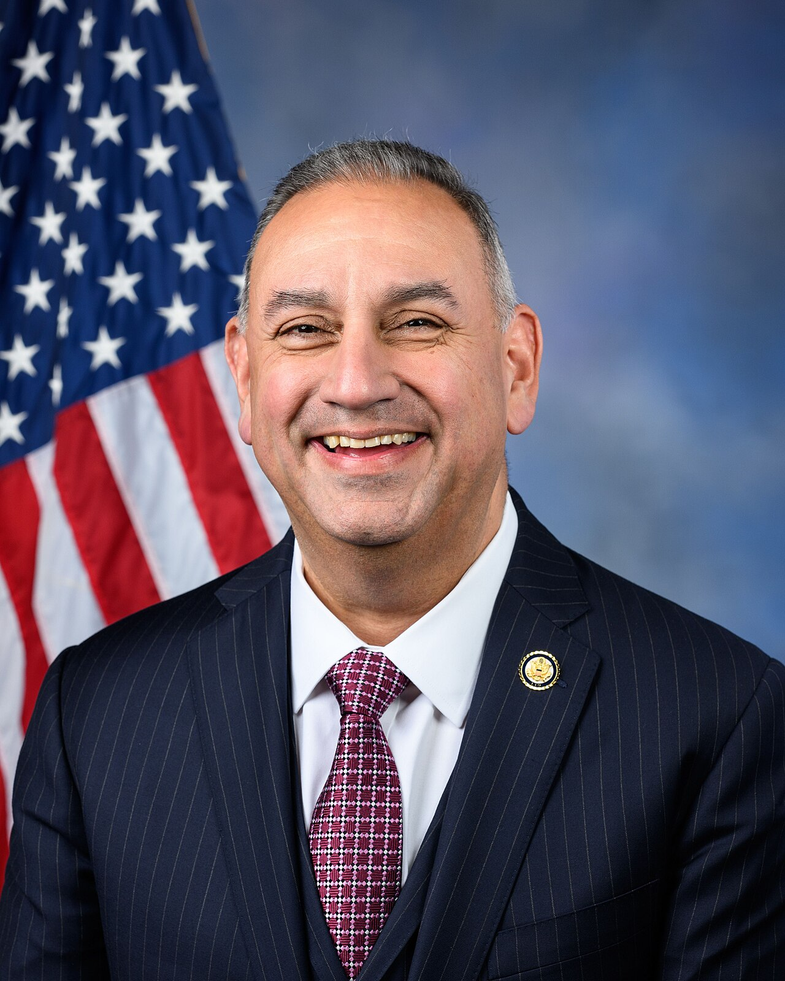
TrackGabe Amo
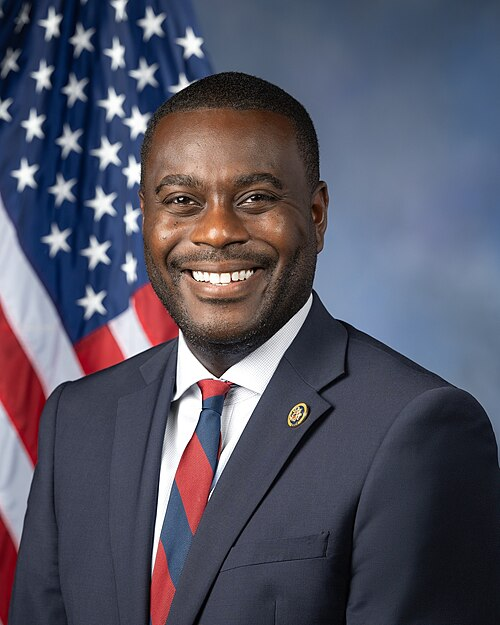
Co-Sponsor
-
TrackAndy Barr
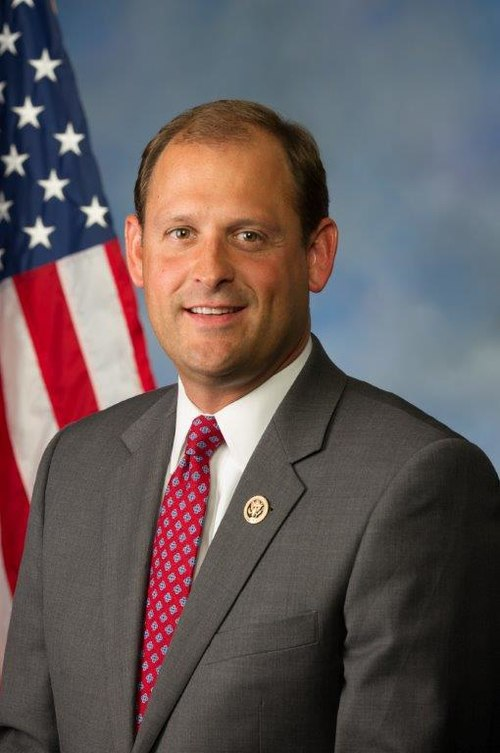
Co-Sponsor
-
TrackJack Bergman
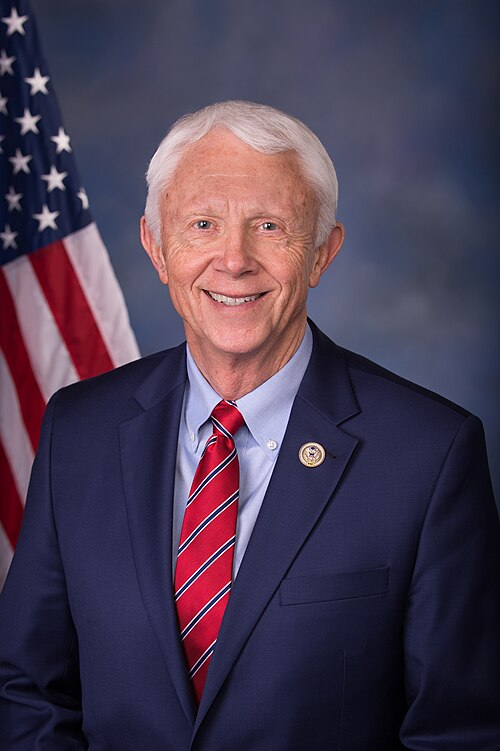
Co-Sponsor
-
TrackSalud O. Carbajal
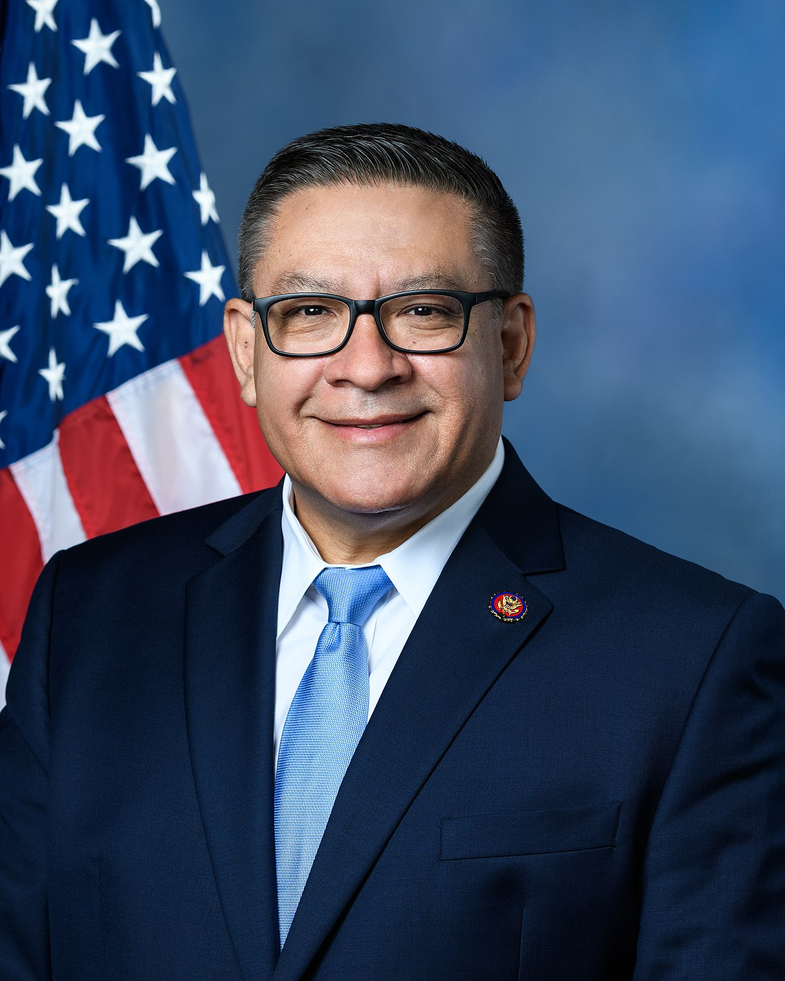
Co-Sponsor
-
TrackAndré Carson
Co-Sponsor
-
TrackJ. Luis Correa
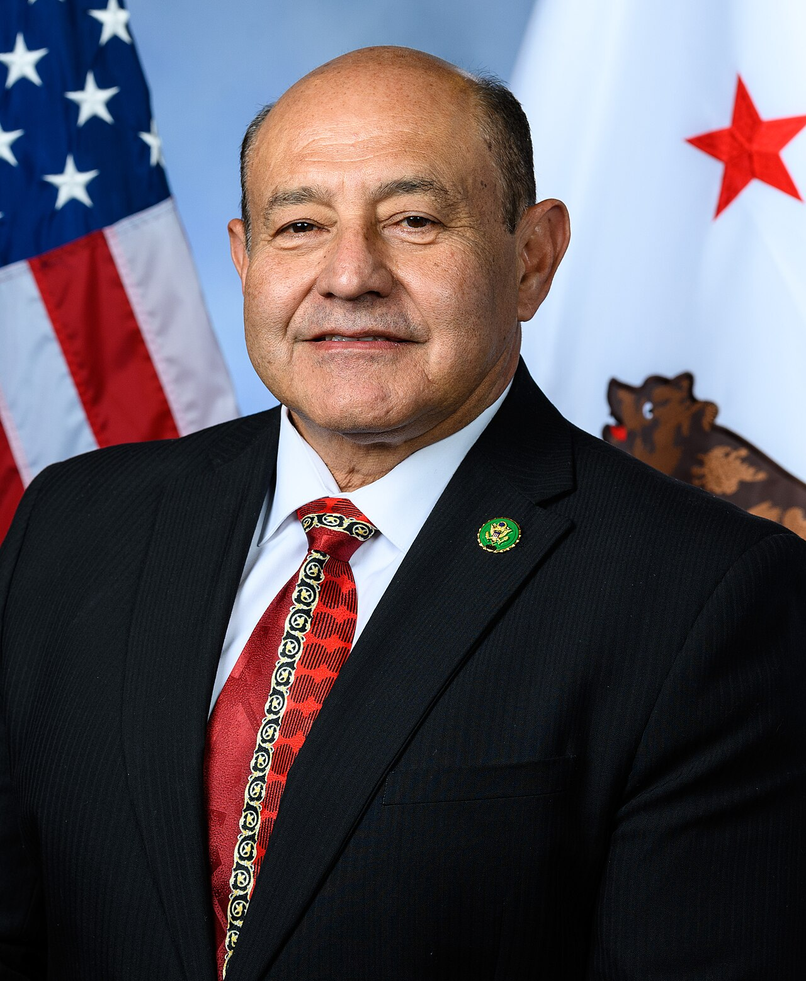
Co-Sponsor
-
TrackAngie Craig
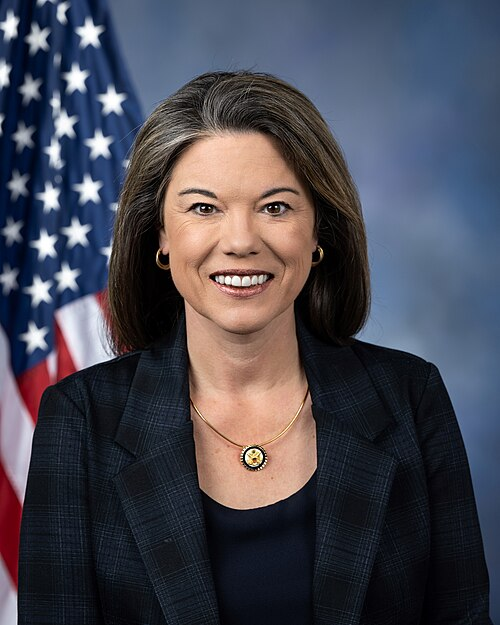
Co-Sponsor
-
TrackDonald G. Davis
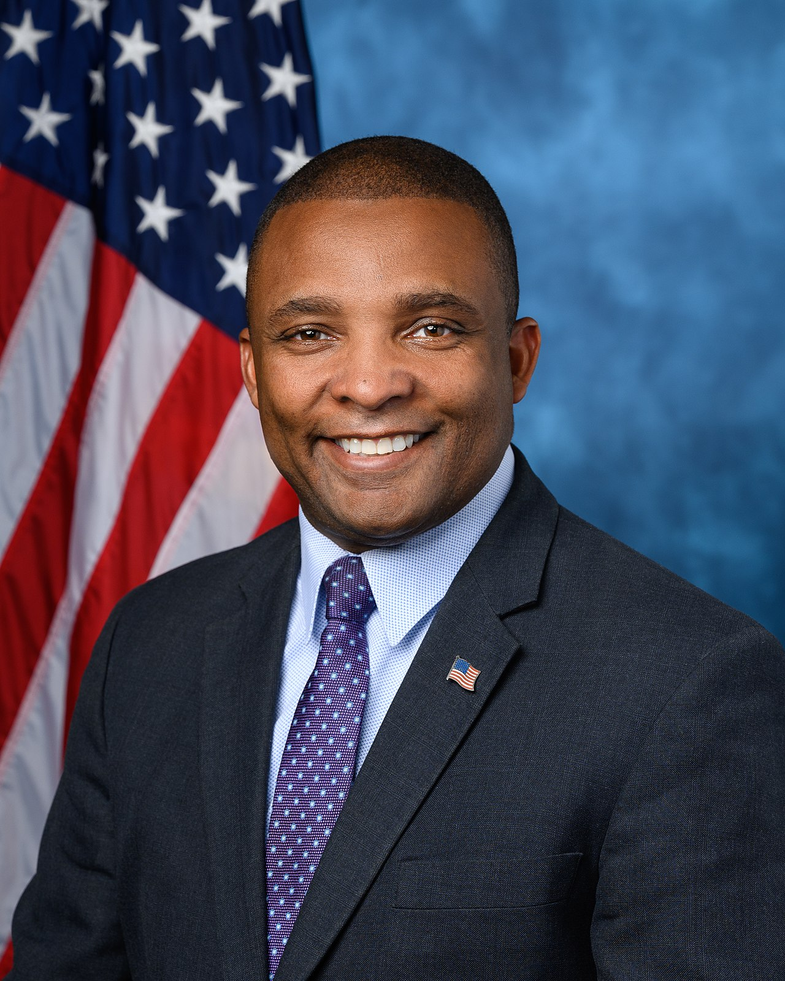
Co-Sponsor
-
TrackMonica De La Cruz
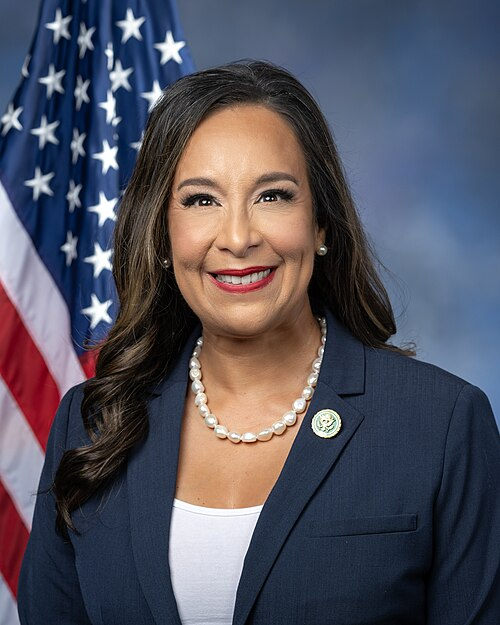
Co-Sponsor
-
TrackChristopher R. Deluzio
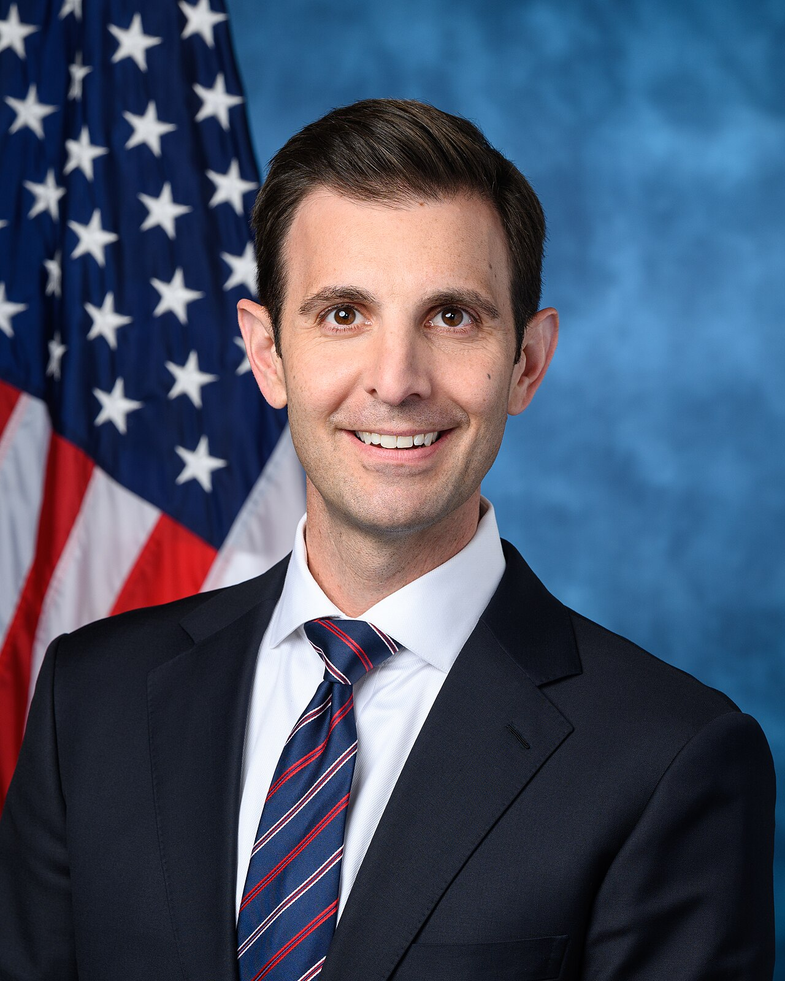
Co-Sponsor
-
TrackByron Donalds
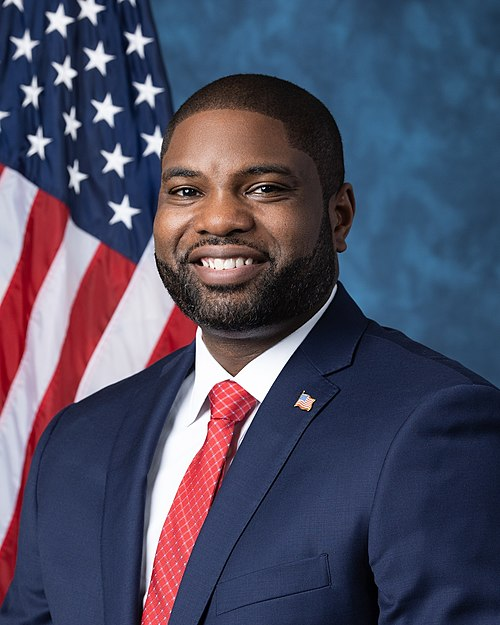
Co-Sponsor
-
TrackChuck Edwards
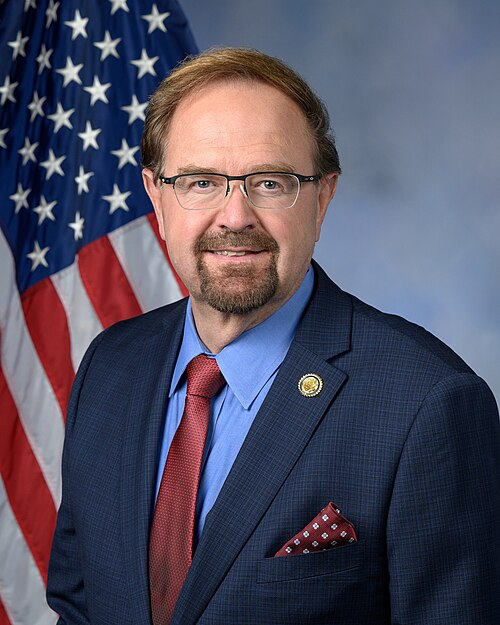
Co-Sponsor
-
TrackMike Flood
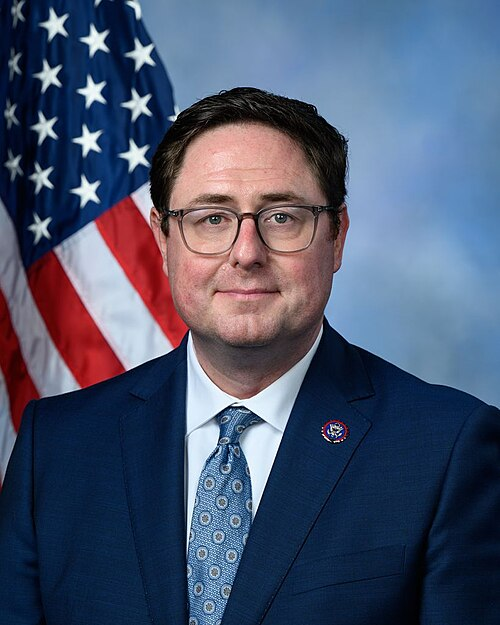
Co-Sponsor
-
TrackValerie P. Foushee
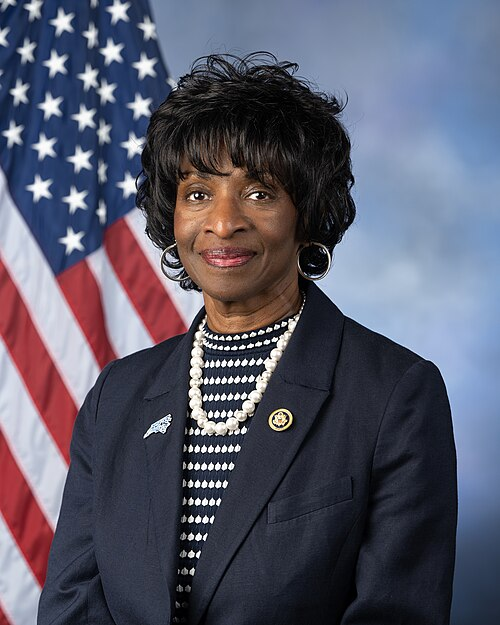
Co-Sponsor
-
TrackLois Frankel
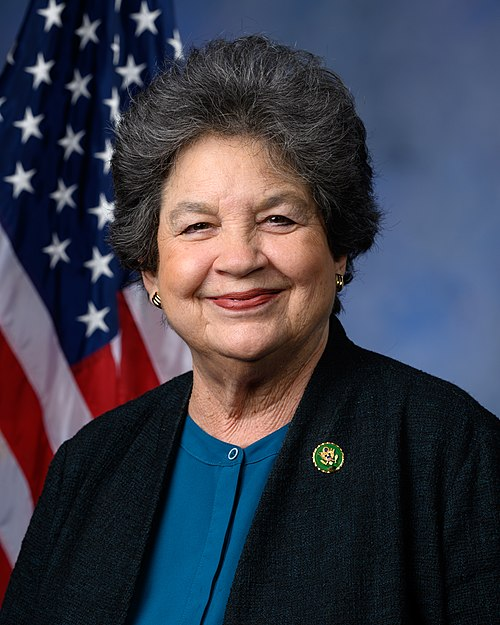
Co-Sponsor
-
TrackLaura Friedman
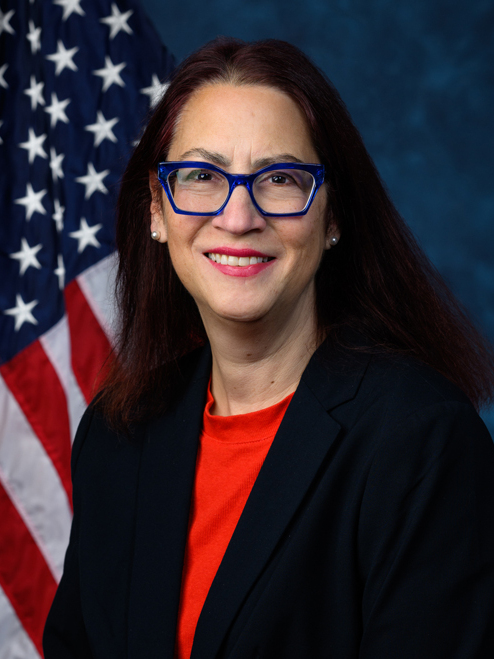
Co-Sponsor
-
TrackPat Harrigan
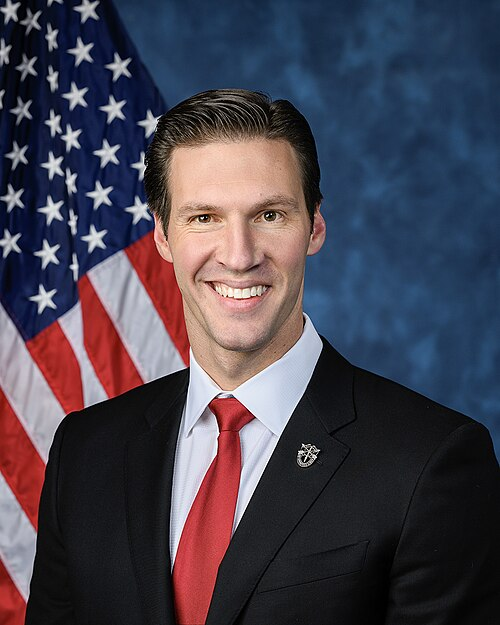
Co-Sponsor
-
TrackJahana Hayes
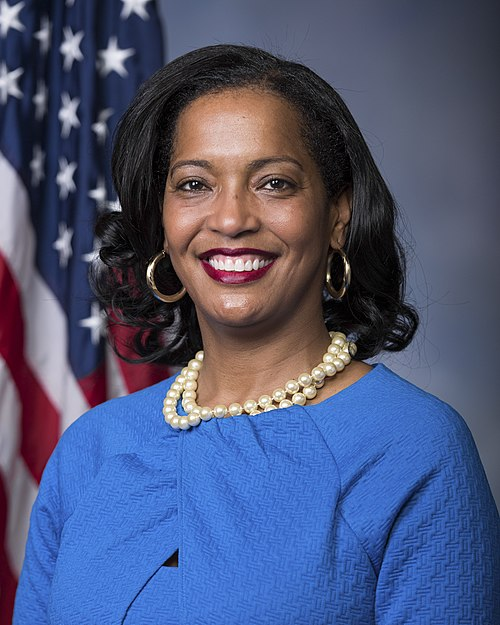
Co-Sponsor
-
TrackBill Huizenga
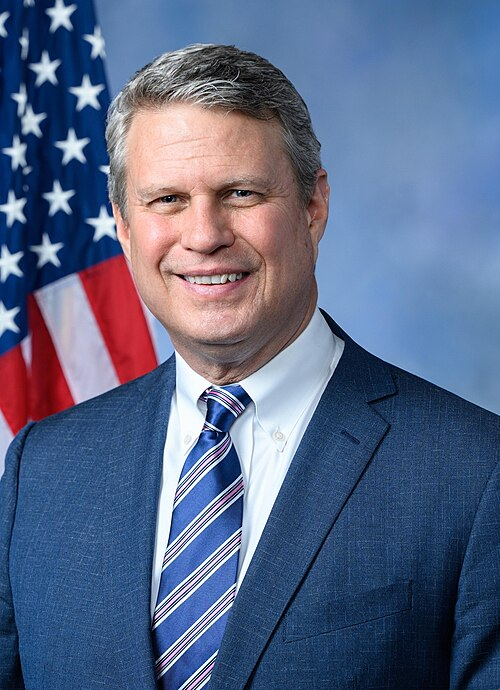
Co-Sponsor
-
TrackJulie Johnson
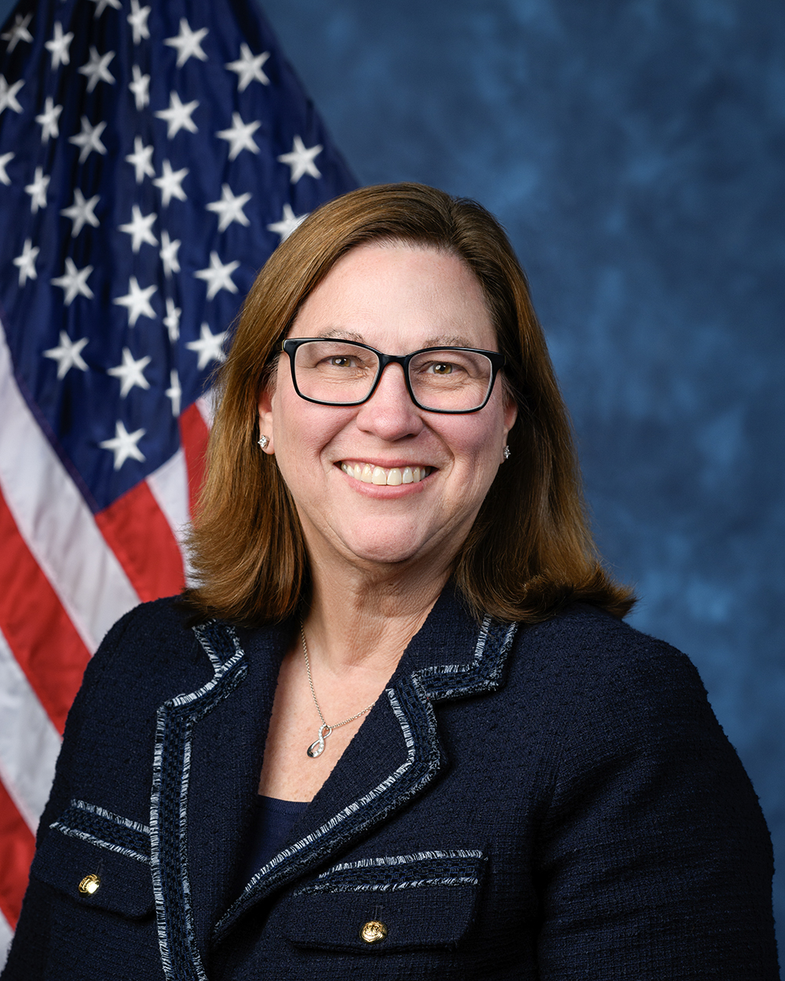
Co-Sponsor
-
TrackJennifer Kiggans
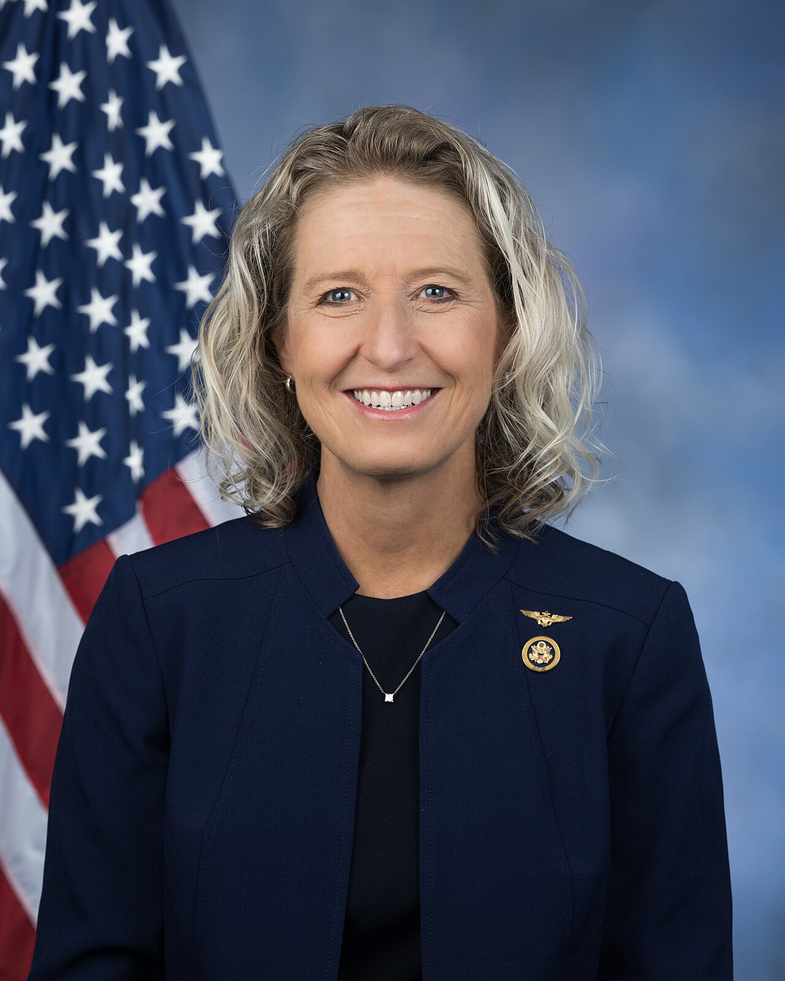
Co-Sponsor
-
TrackYoung Kim
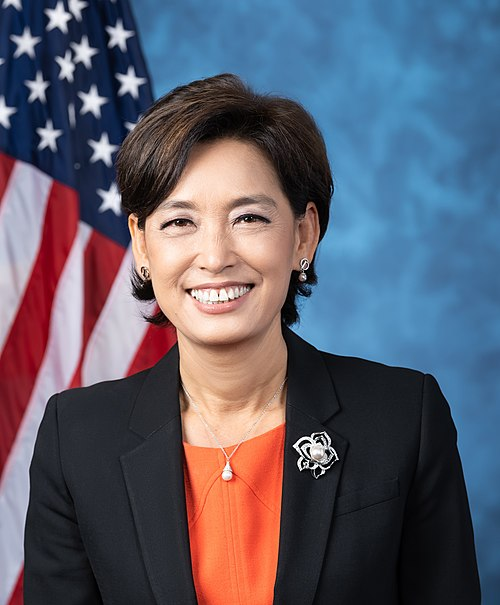
Co-Sponsor
-
TrackMichael Lawler
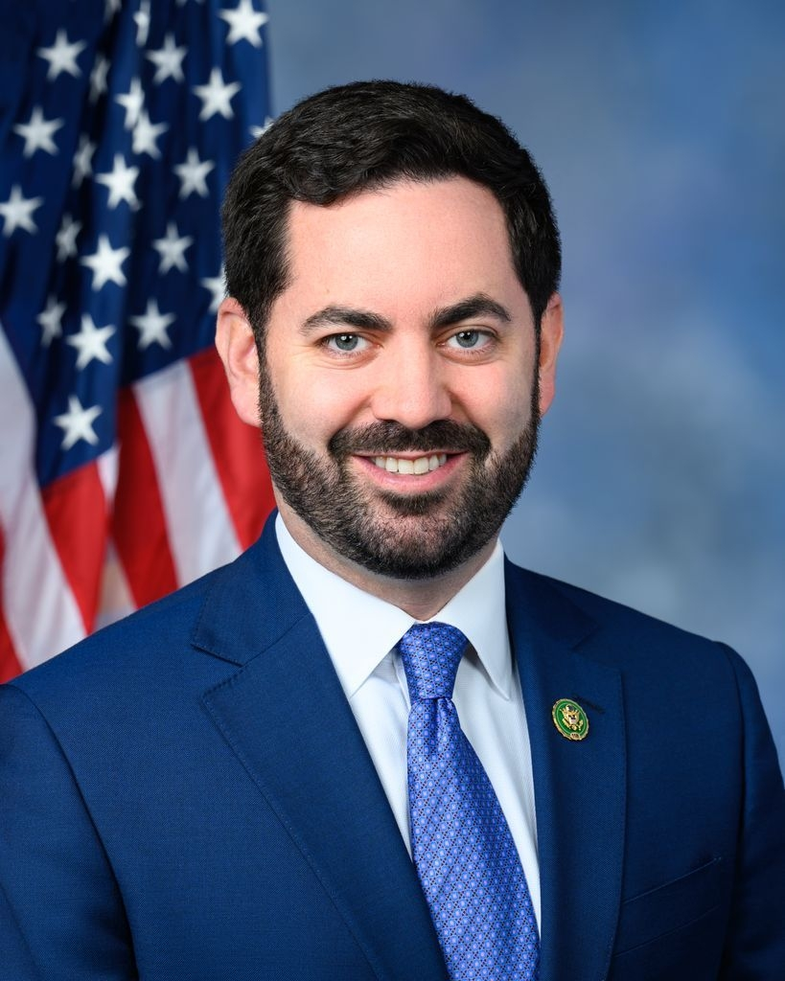
Co-Sponsor
-
TrackJulia Letlow
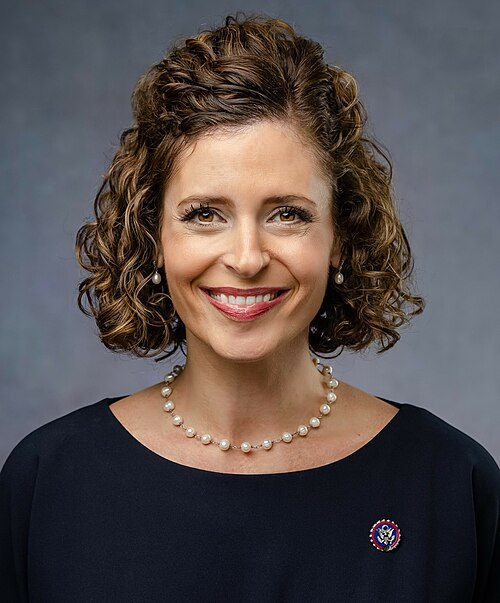
Co-Sponsor
-
TrackZoe Lofgren
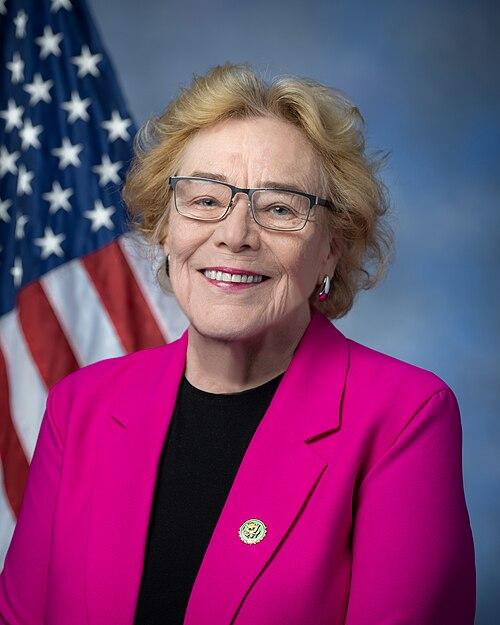
Co-Sponsor
-
TrackTracey Mann
Co-Sponsor
-
TrackSarah McBride
Co-Sponsor
-
TrackJohn R. Moolenaar
Co-Sponsor
-
TrackTim Moore
Co-Sponsor
-
TrackZachary Nunn
Co-Sponsor
-
TrackJimmy Patronis

Co-Sponsor
-
TrackScott H. Peters
Co-Sponsor
-
TrackBrittany Pettersen
Co-Sponsor
-
TrackJohn W. Rose
Co-Sponsor
-
TrackMaria Elvira Salazar
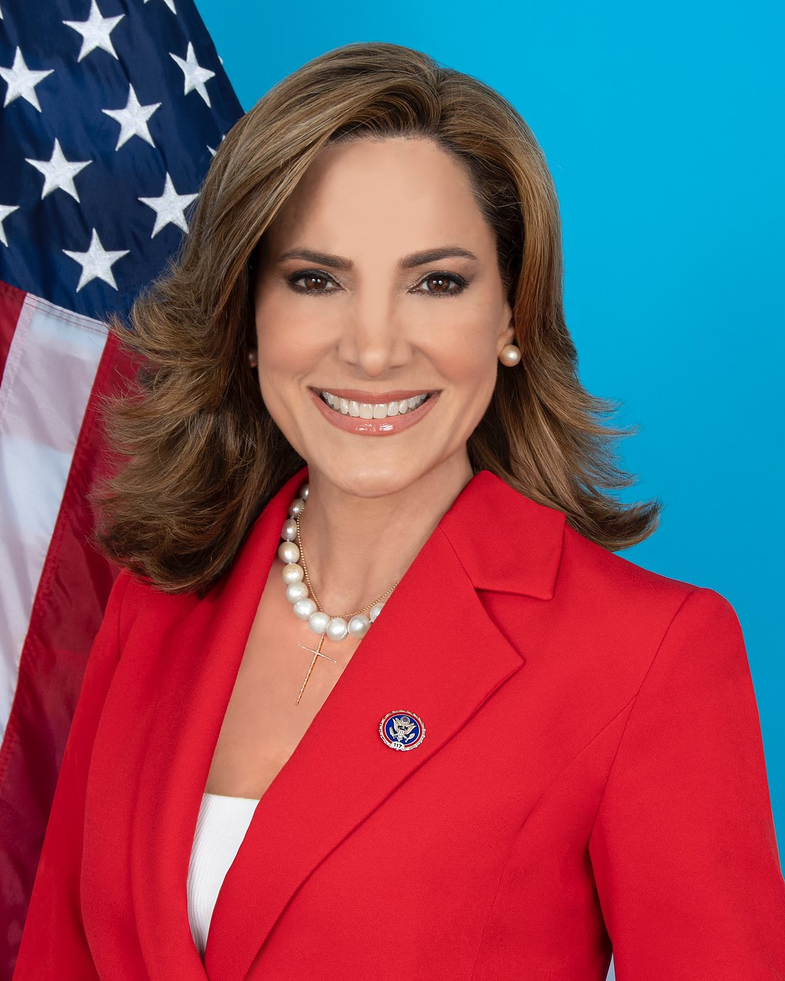
Co-Sponsor
-
TrackDerek Schmidt
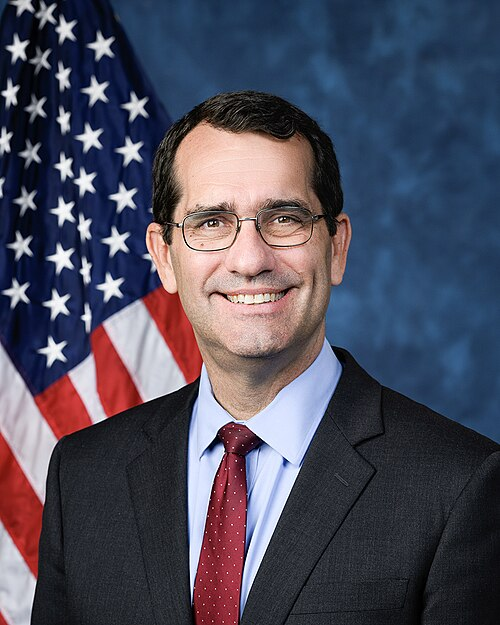
Co-Sponsor
-
TrackJefferson Shreve
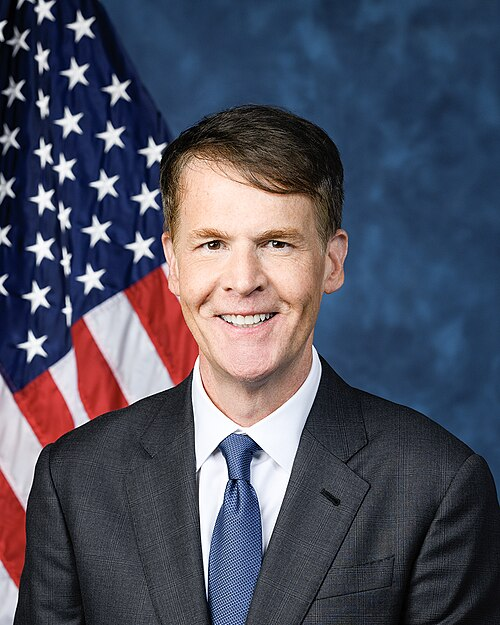
Co-Sponsor
-
TrackAdam Smith
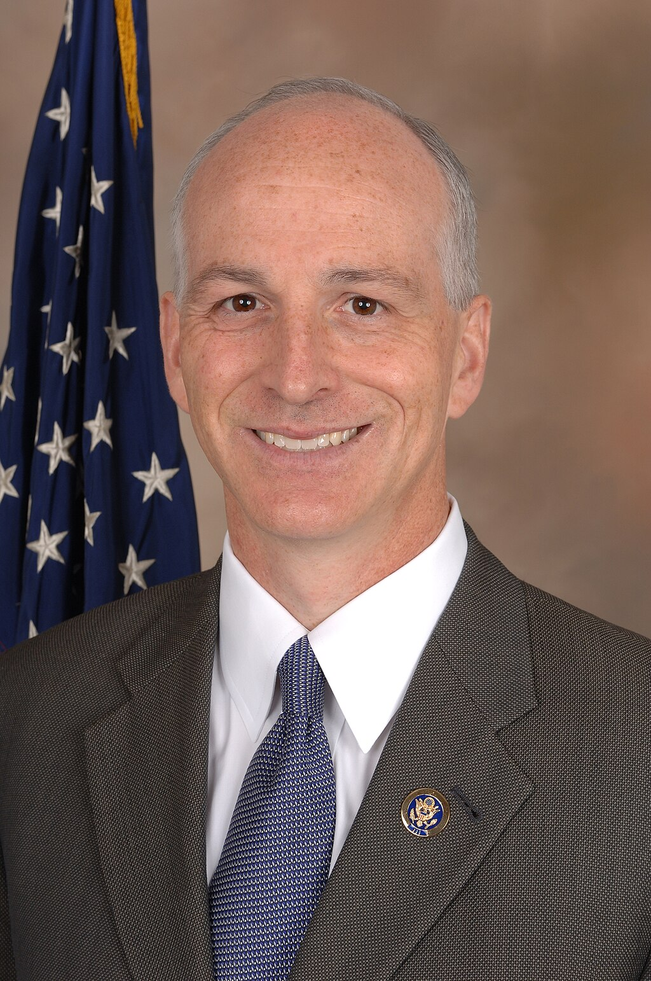
Co-Sponsor
-
TrackMelanie A. Stansbury
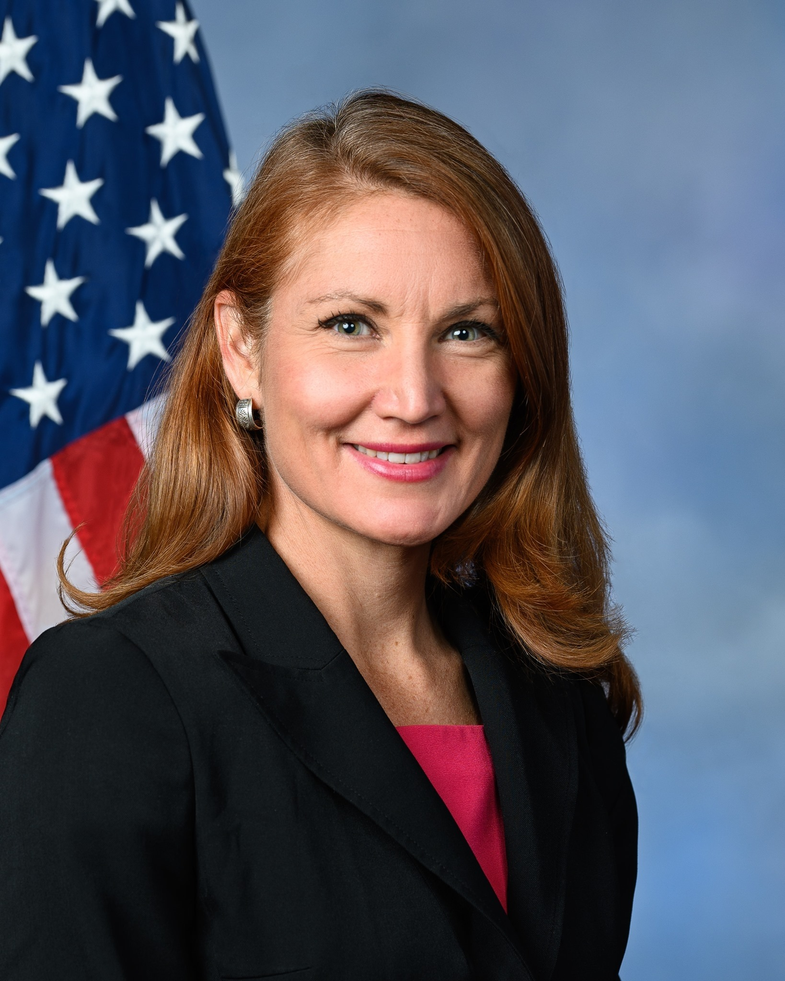
Co-Sponsor
-
TrackBryan Steil
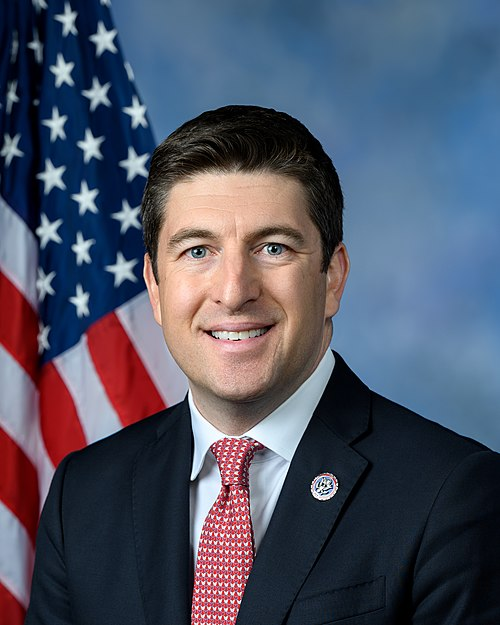
Co-Sponsor
-
TrackMarlin A. Stutzman
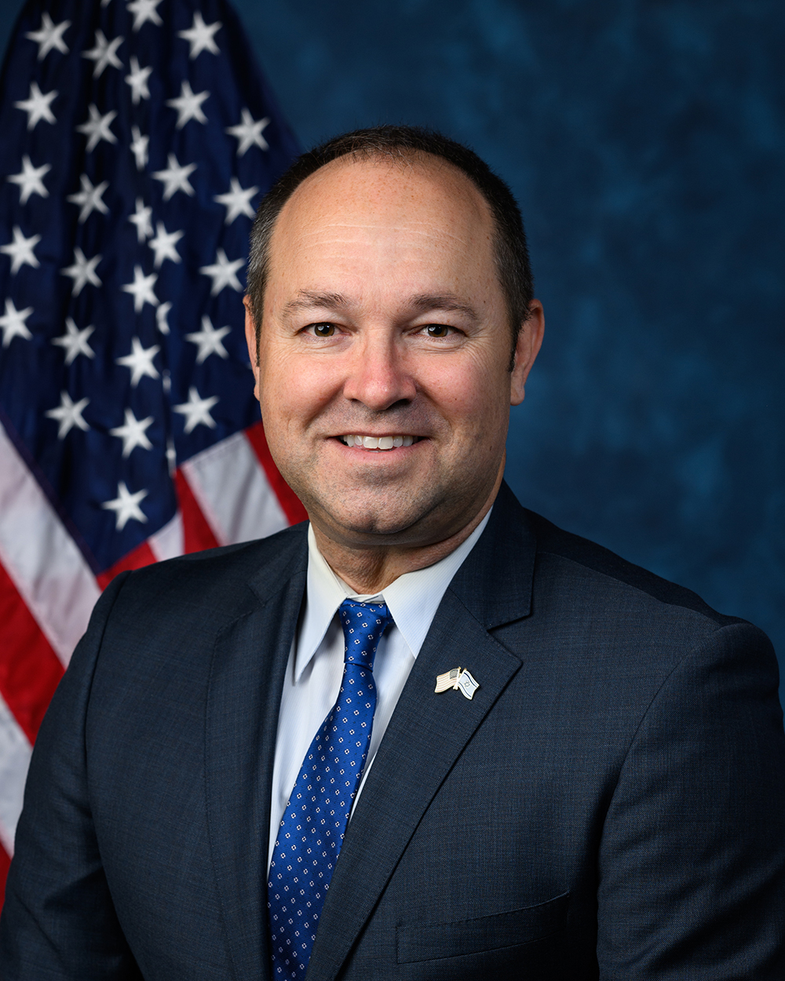
Co-Sponsor
-
TrackSuhas Subramanyam
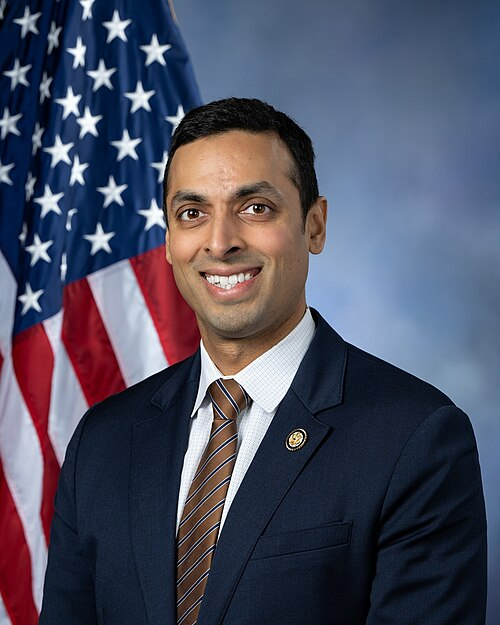
Co-Sponsor
-
TrackThomas R. Suozzi
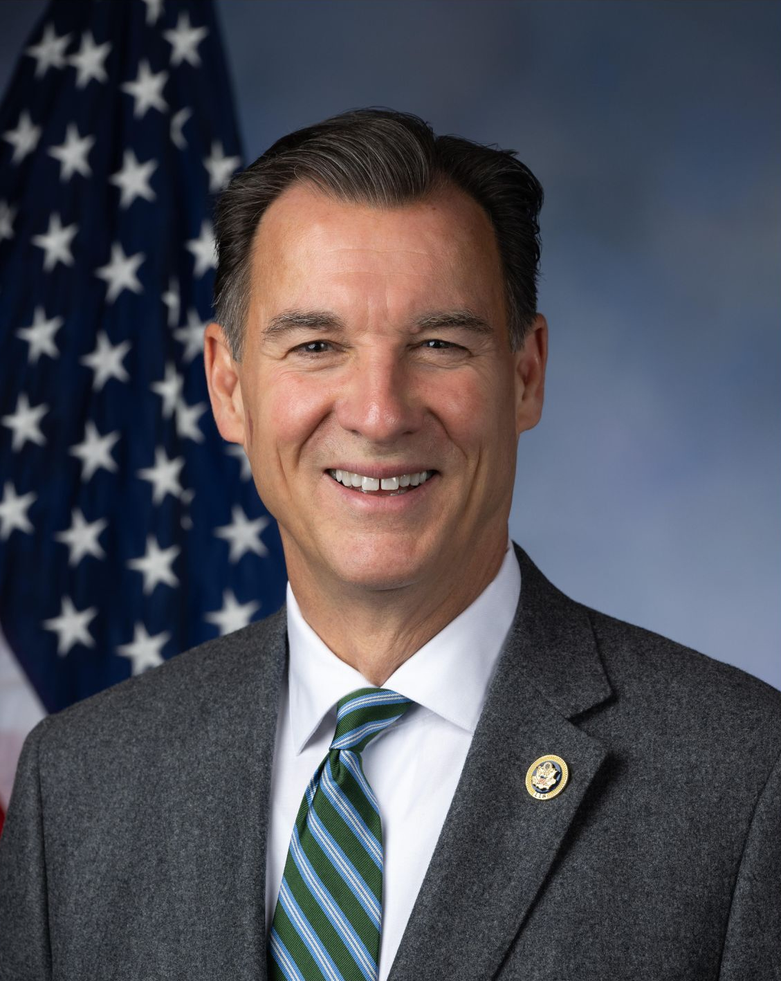
Co-Sponsor
-
TrackShri Thanedar
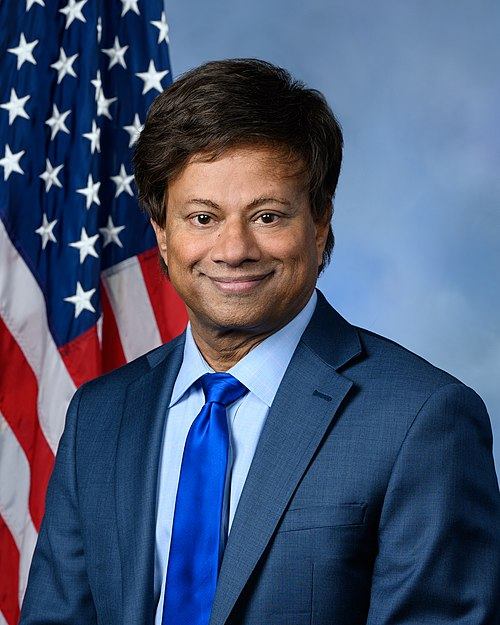
Co-Sponsor
-
TrackWilliam R. Timmons IV
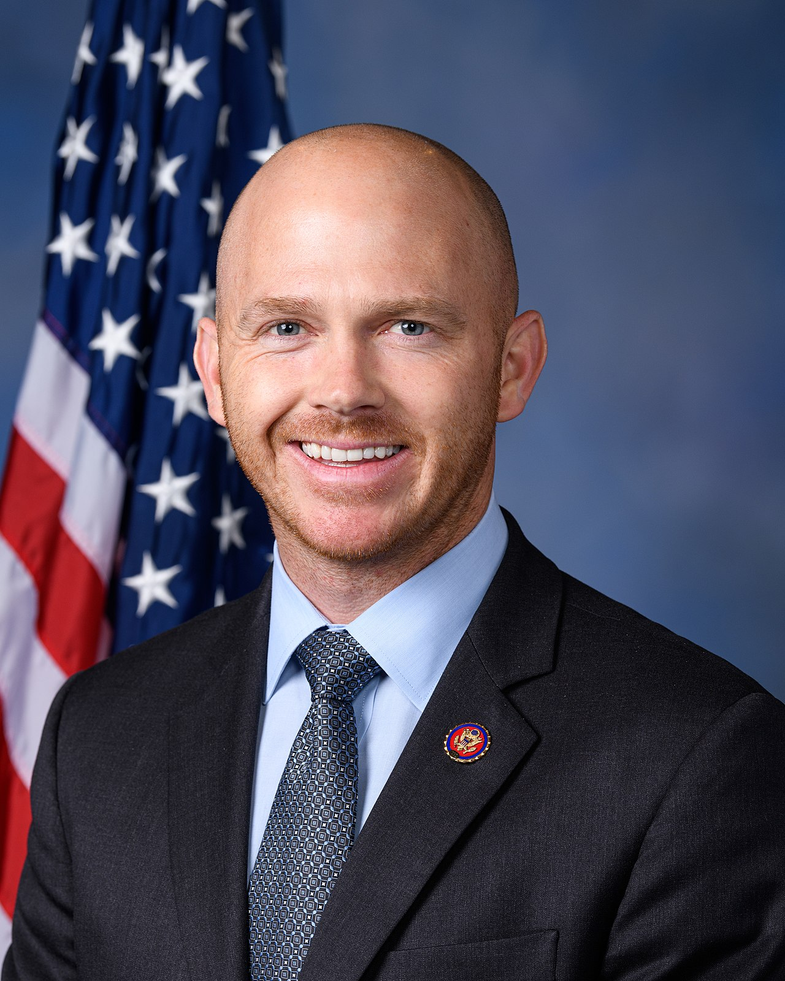
Co-Sponsor
-
TrackDina Titus
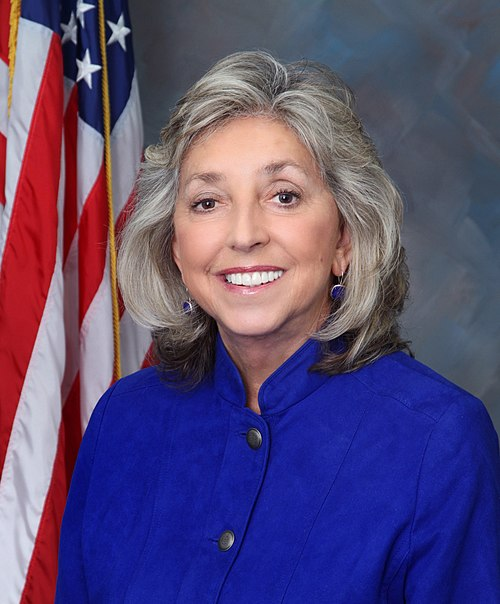
Co-Sponsor
-
TrackRashida Tlaib
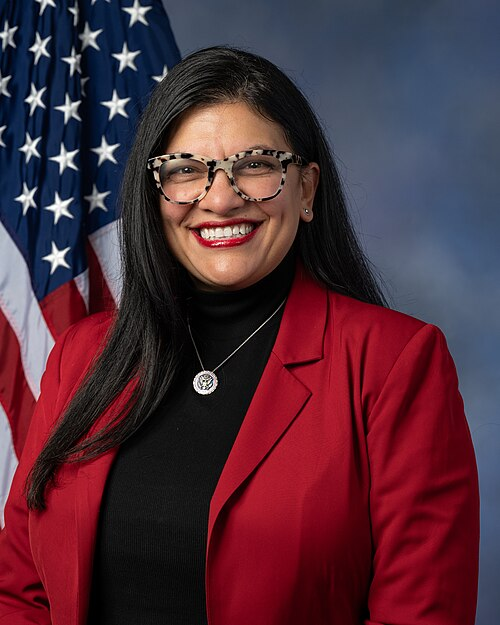
Co-Sponsor
-
TrackJefferson Van Drew
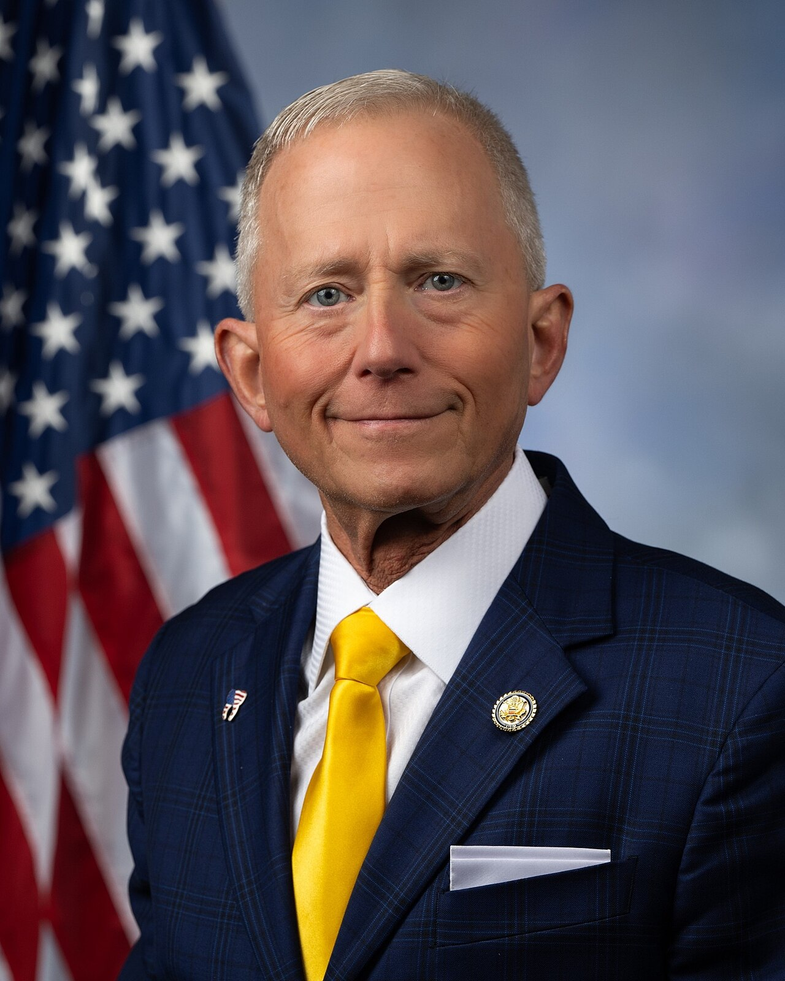
Co-Sponsor
-
TrackGabe Vasquez
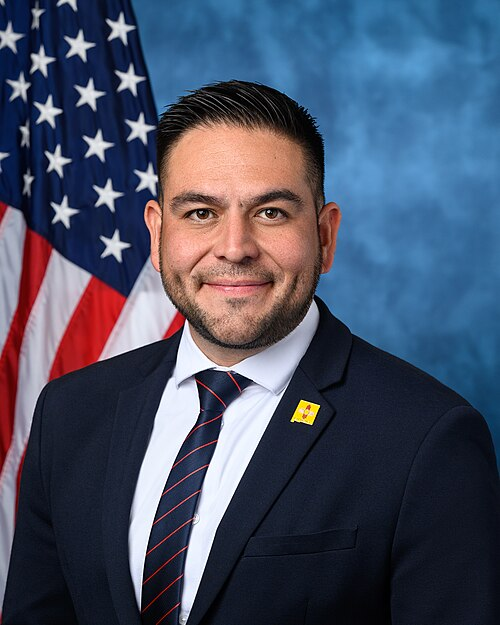
Co-Sponsor
-
TrackGeorge Whitesides
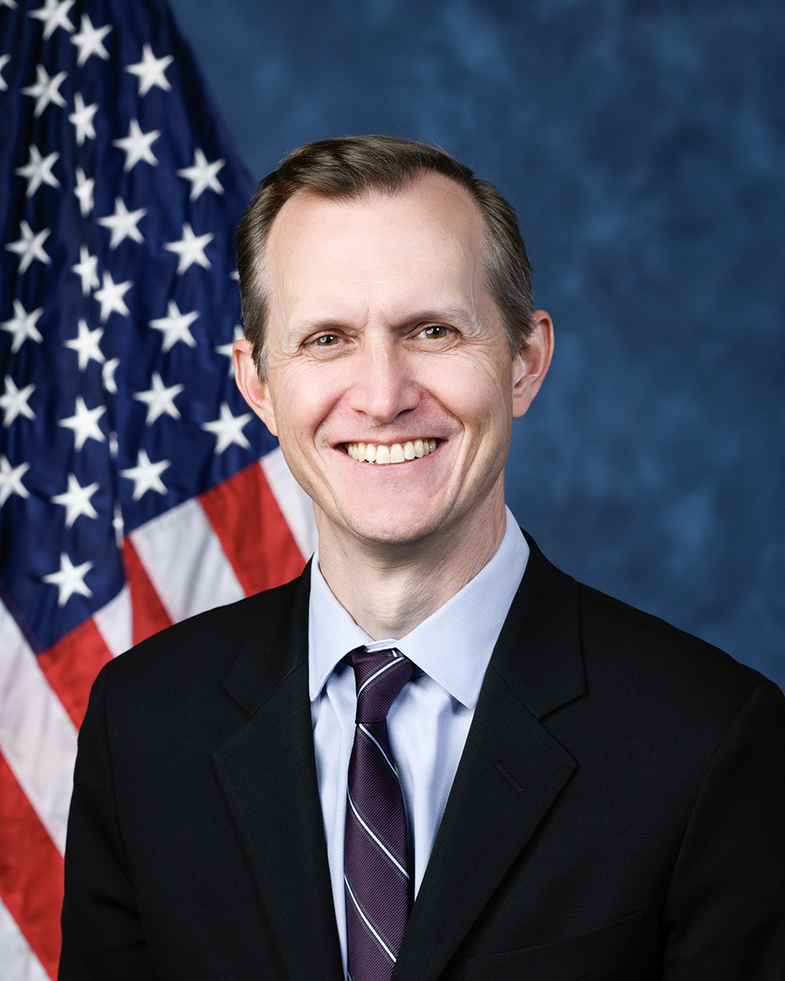
Co-Sponsor
-
TrackRoger Williams
Co-Sponsor
Actions
2 actions
| Date | Action |
|---|---|
| Feb. 12, 2026 | Introduced in House |
| Feb. 12, 2026 | Referred to the House Committee on Energy and Commerce. |
Corporate Lobbying
0 companies lobbying
None found.
* Note that there can be significant delays in lobbying disclosures, and our data may be incomplete.