H.R. 7520: Efficiency Adjustment Delay Act
This bill, titled the "Efficiency Adjustment Delay Act," proposes changes to the Medicare physician fee schedule, which is a system used to determine payment amounts for physicians under Medicare. The key actions outlined in the bill are as follows:
Delaying Efficiency Adjustments
The bill seeks to delay the implementation of a new policy related to work relative value units (RVUs) that was set to take effect on January 1, 2026. Specifically:
- The Secretary of Health and Human Services will not be allowed to implement this efficiency adjustment until January 1, 2030.
- This adjustment was outlined in a final rule published on November 5, 2025, which aimed to modify the time inputs for non-time-based services provided by physicians.
Reporting Requirement
Additionally, the Secretary is required to submit a report to several Congressional committees within two years of the bill's enactment. This report must assess the necessity of applying a one-time, across-the-board adjustment to work RVUs and provide evidence for the assessment. The report should focus on services that have not been evaluated or reviewed in the last ten years.
Conditions for Future Implementations
If the report supports the adjustment, the Secretary may implement it after January 1, 2030, but only under certain conditions:
- The Secretary must consult with affected physician specialties before implementing the adjustment.
- The adjustment cannot apply to services that have been reviewed within the previous ten years.
- The adjustment methodology must not rely solely on productivity factors related to inflation, unless specific conditions regarding consumer price index increases are met.
Adjustments to Conversion Factors
The bill also modifies the conversion factors used in the fee schedule:
- For the year 2026, the update for the qualifying Advanced Alternative Payment Model (APM) conversion factor is adjusted from 0.75 percent to 1.24 percent.
- For the year 2027 and all subsequent years, the update will be set to 0.75 percent for the qualifying APM conversion factor and 0.25 percent for the nonqualifying APM conversion factor.
Regulatory Clarification
The bill clarifies that it does not prevent the Secretary from re-evaluating services that are misvalued or assigning values to new or revised codes for services, ensuring ongoing adjustments can still be made outside the delayed efficiency adjustment.
Relevant Companies
- UNH (UnitedHealth Group) - As a major health insurer, changes in the Medicare physician fee schedule can affect UnitedHealth's reimbursement rates for services, impacting their overall financial performance.
- EVHC (Envision Healthcare) - This company could see changes in revenue and billing practices based on alterations to how Medicare compensates physicians, particularly in services they provide.
This is an AI-generated summary of the bill text. There may be mistakes.
Sponsors
15 bill sponsors
-
TrackRon Estes
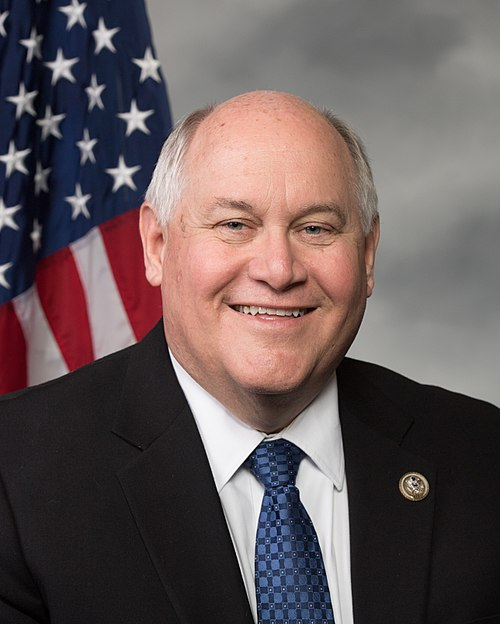
Sponsor
-
TrackAaron Bean

Co-Sponsor
-
TrackJ. Luis Correa

Co-Sponsor
-
TrackDonald G. Davis

Co-Sponsor
-
TrackChuck Edwards

Co-Sponsor
-
TrackValerie P. Foushee

Co-Sponsor
-
TrackTracey Mann
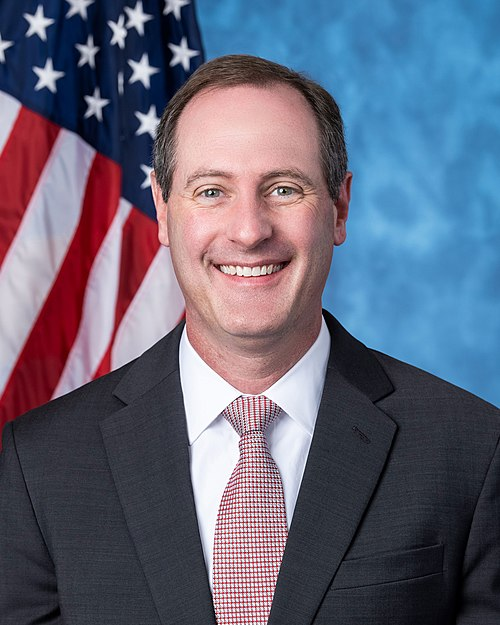
Co-Sponsor
-
TrackGregory F. Murphy
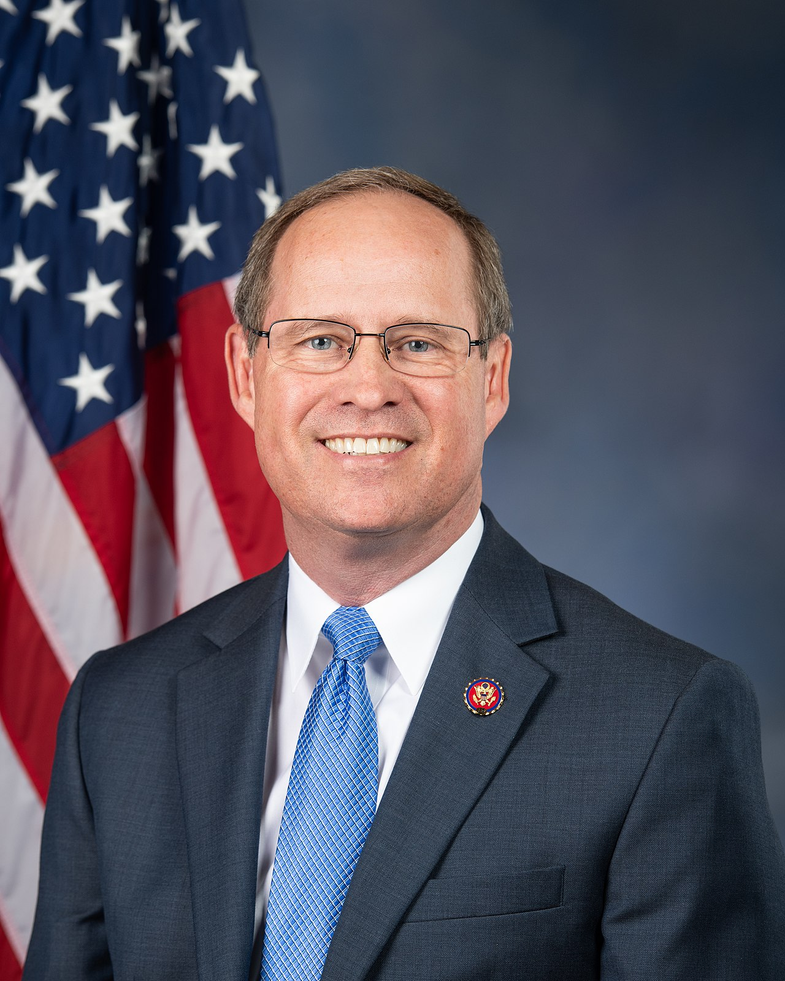
Co-Sponsor
-
TrackEleanor Holmes Norton

Co-Sponsor
-
TrackMark Pocan
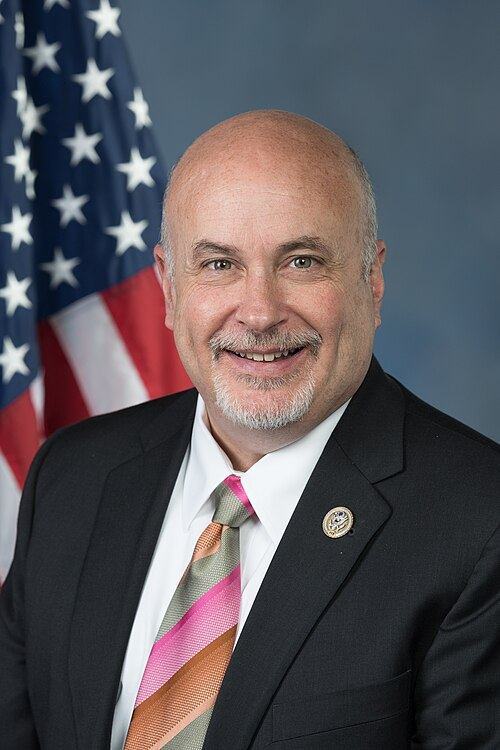
Co-Sponsor
-
TrackDavid Rouzer
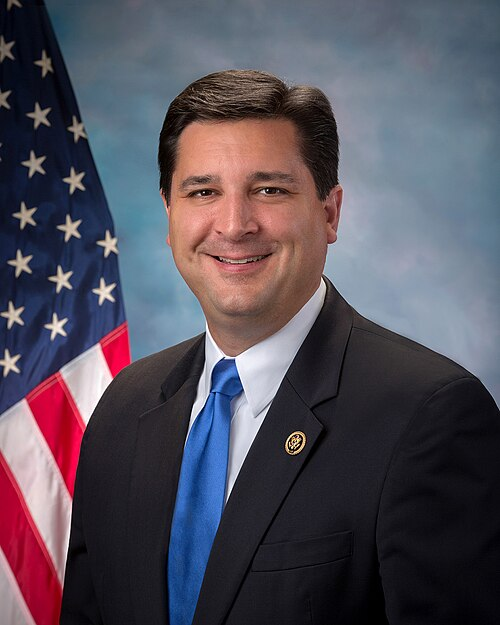
Co-Sponsor
-
TrackMaria Elvira Salazar

Co-Sponsor
-
TrackDerek Schmidt

Co-Sponsor
-
TrackThomas R. Suozzi
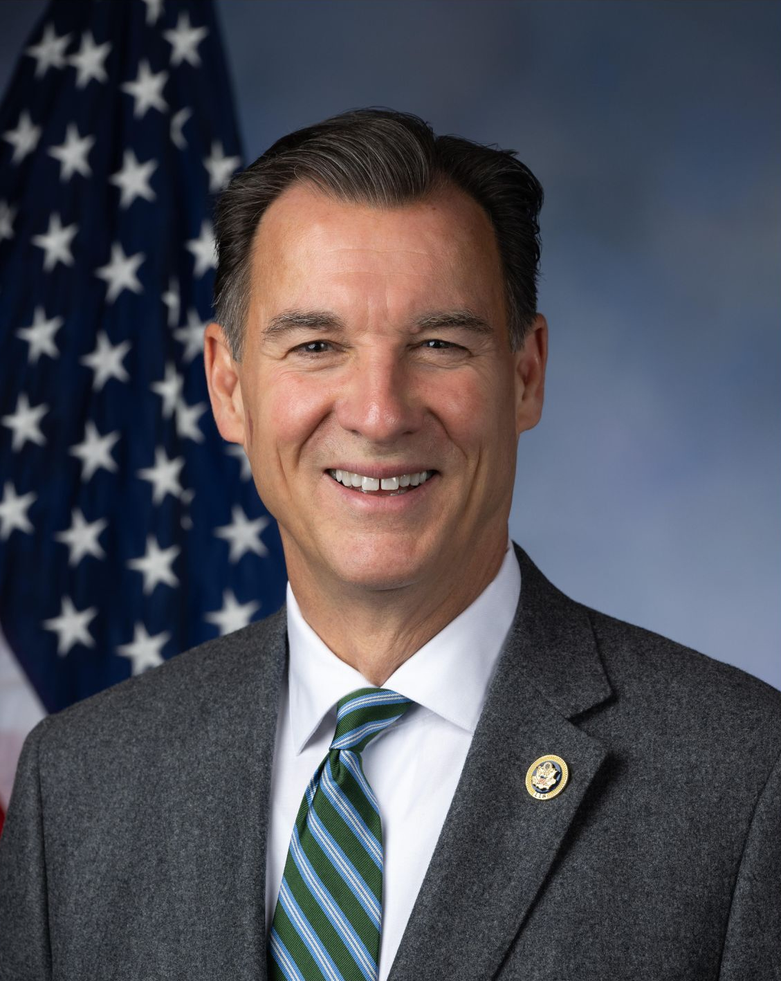
Co-Sponsor
-
TrackShri Thanedar

Co-Sponsor
Actions
2 actions
| Date | Action |
|---|---|
| Feb. 12, 2026 | Introduced in House |
| Feb. 12, 2026 | Referred to the Committee on Energy and Commerce, and in addition to the Committee on Ways and Means, for a period to be subsequently determined by the Speaker, in each case for consideration of such provisions as fall within the jurisdiction of the committee concerned. |
Corporate Lobbying
0 companies lobbying
None found.
* Note that there can be significant delays in lobbying disclosures, and our data may be incomplete.