
H.R. 7516: No Funds for Forced Labor Act
The No Funds for Forced Labor Act, introduced in the U.S. House of Representatives, aims to address the use of forced labor in international projects financed by global financial institutions. The bill requires the Secretary of the Treasury to direct U.S. representatives at these institutions to actively oppose any loans or funding for projects that either involve or pose a significant risk of employing forced labor. This directive specifically highlights projects carried out by state-owned or heavily state-influenced entities in the Xinjiang Uyghur Autonomous Region of China, which has been cited for human rights abuses, including the use of forced labor.
Key Provisions of the Bill
- Opposition to Loans: U.S. representatives at international financial institutions would be instructed to oppose loans for projects with a significant risk of forced labor. This includes projects in Xinjiang.
- Accountability Measures: The bill mandates that these institutions provide detailed explanations of how they assess and mitigate forced labor risks associated with their projects.
- Definition of Forced Labor: The bill defines forced labor consistent with existing U.S. law, incorporating elements like convict labor and indentured labor.
Reporting Requirements
Within one year of the bill’s enactment and annually for the following five years, the Secretary of the Treasury must submit a report to Congress detailing the implementation of these measures. This report will include:
- Information about projects approved where forced labor might be utilized.
- The efforts of U.S. representatives to persuade other countries to oppose such projects.
The report is intended to be made publicly available to ensure transparency regarding the effectiveness of the Act's implementation.
International Context
The bill reflects congressional findings on the extensive use of forced labor in Xinjiang, supported by reports from the International Labour Organization and the Congressional-Executive Commission on China. It signifies a U.S. commitment to combat forced labor globally by leveraging its influence within international financial institutions and fostering collaboration with allies to eliminate this practice.
Relevant Companies
None found
This is an AI-generated summary of the bill text. There may be mistakes.
Sponsors
13 bill sponsors
-
TrackSuhas Subramanyam
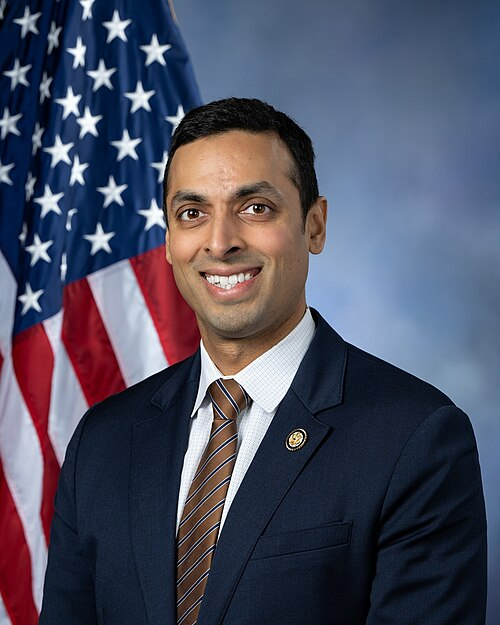
Sponsor
-
TrackDonald S. Beyer, Jr.
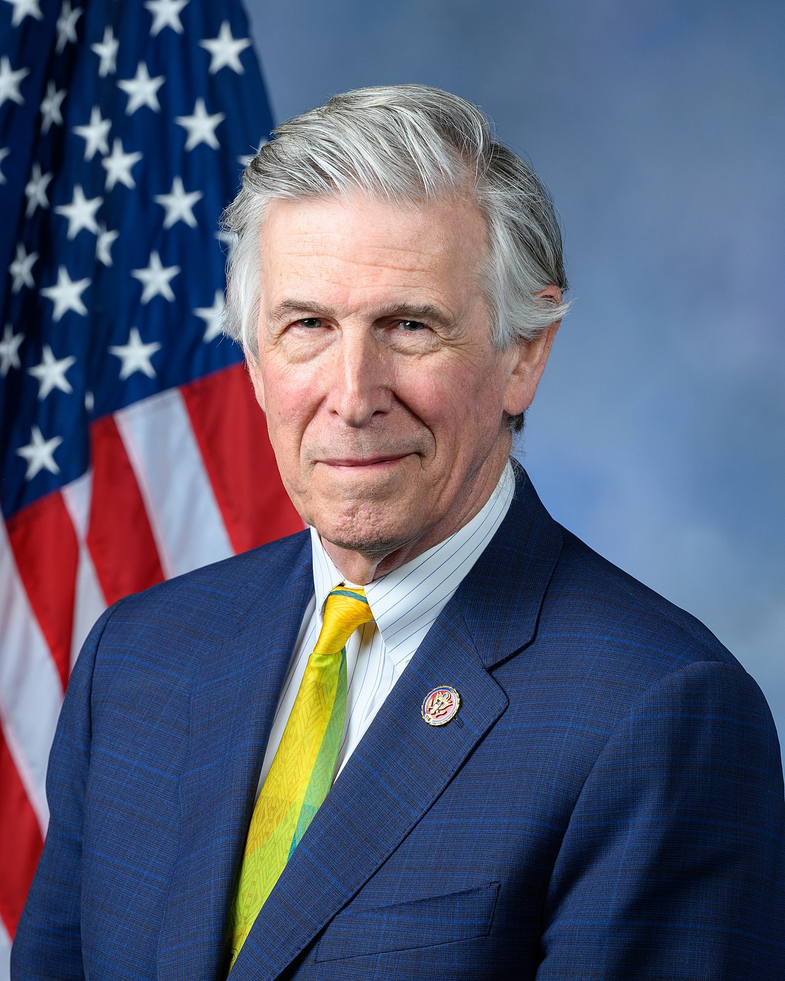
Co-Sponsor
-
TrackBrian K. Fitzpatrick
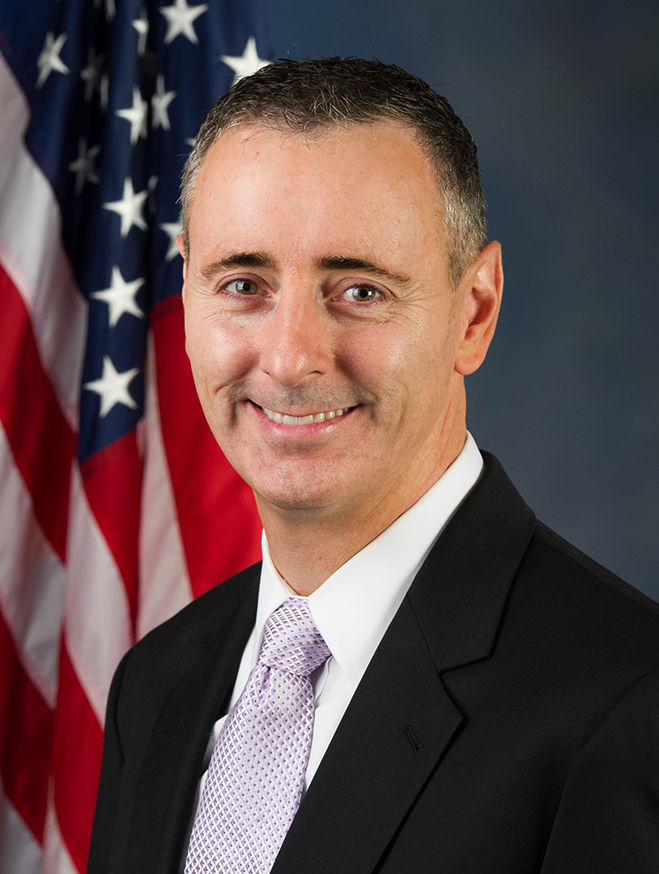
Co-Sponsor
-
TrackJosh Gottheimer
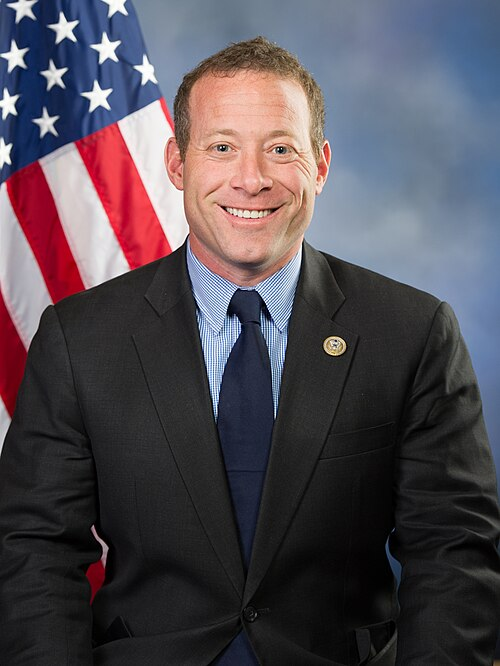
Co-Sponsor
-
TrackYoung Kim
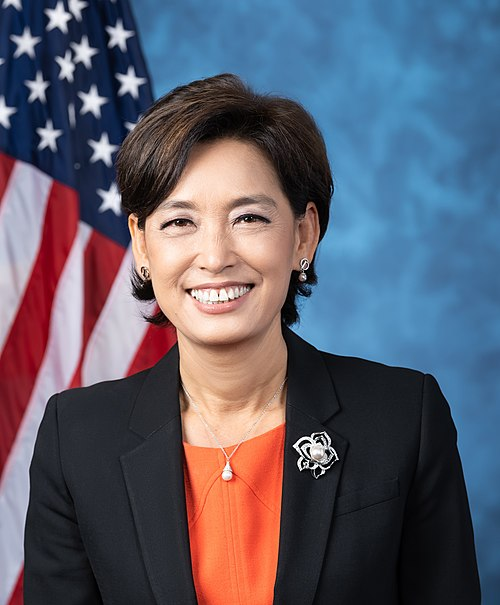
Co-Sponsor
-
TrackRaja Krishnamoorthi
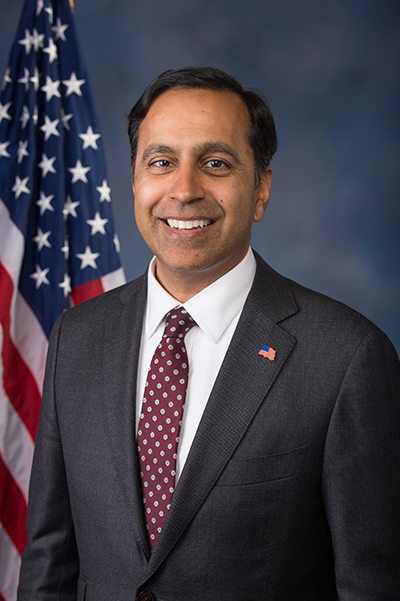
Co-Sponsor
-
TrackJames P. McGovern
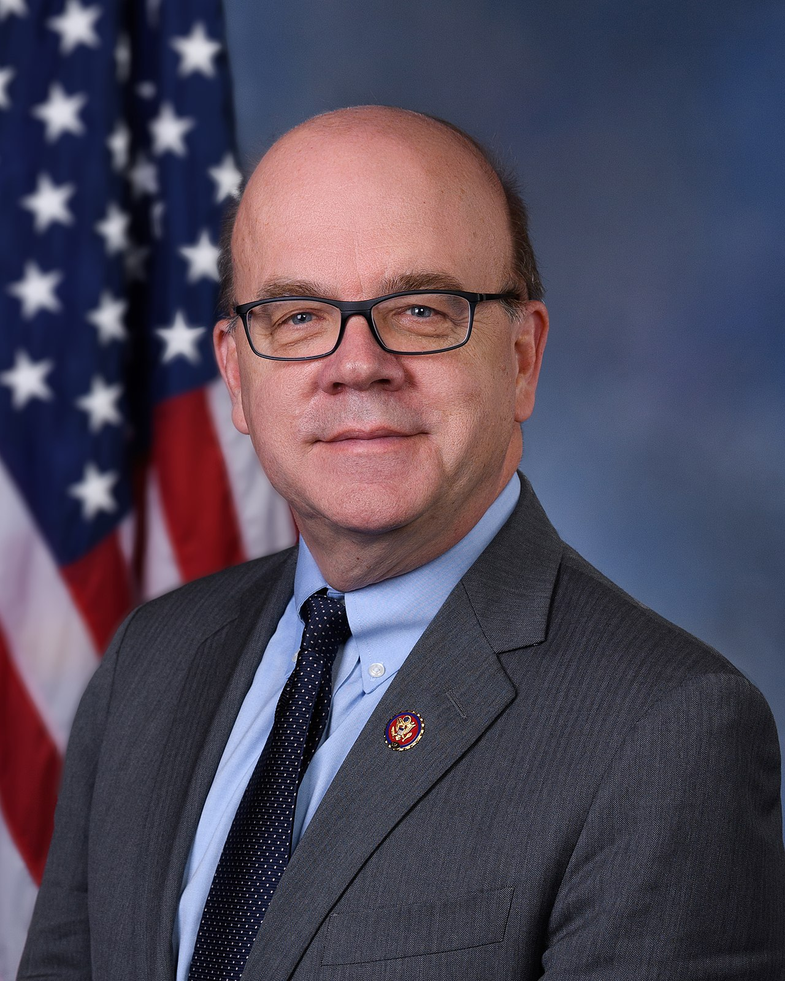
Co-Sponsor
-
TrackJohn R. Moolenaar
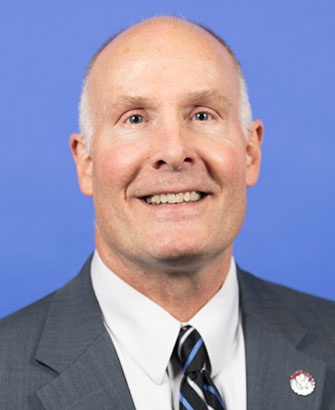
Co-Sponsor
-
TrackSeth Moulton
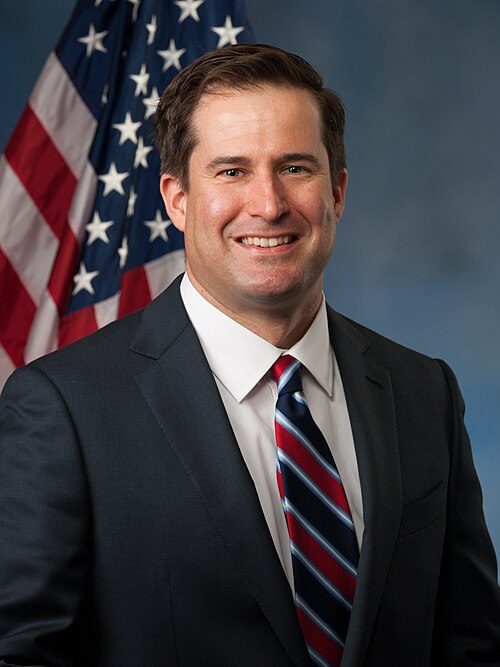
Co-Sponsor
-
TrackEleanor Holmes Norton
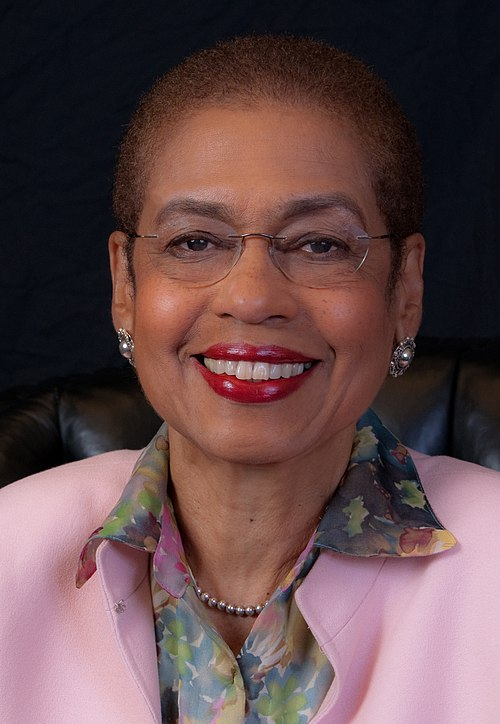
Co-Sponsor
-
TrackZachary Nunn
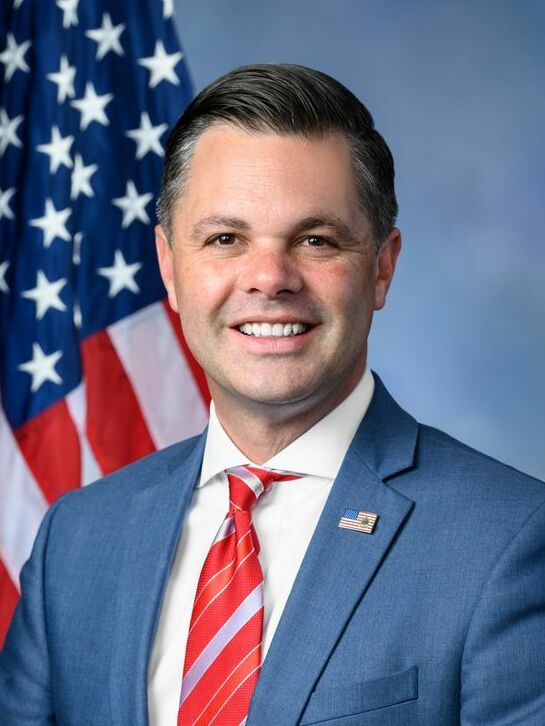
Co-Sponsor
-
TrackThomas R. Suozzi
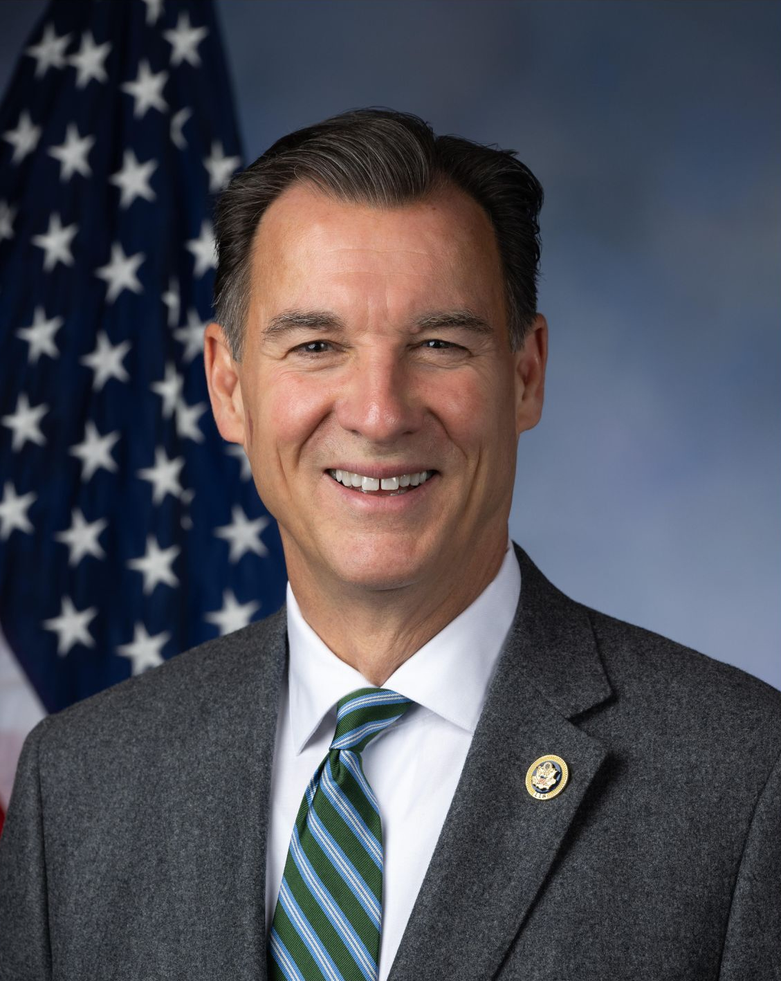
Co-Sponsor
-
TrackJames R. Walkinshaw

Co-Sponsor
Actions
2 actions
| Date | Action |
|---|---|
| Feb. 11, 2026 | Introduced in House |
| Feb. 11, 2026 | Referred to the House Committee on Financial Services. |
Corporate Lobbying
0 companies lobbying
None found.
* Note that there can be significant delays in lobbying disclosures, and our data may be incomplete.
Potentially Relevant Congressional Stock Trades
No relevant congressional stock trades found.