H.R. 7507: Fiscal Harms of Federal Firings Act
The bill titled "Fiscal Harms of Federal Firings Act" requires the Comptroller General of the United States to conduct a comprehensive study regarding the impacts of Federal reductions in force (commonly known as RIFs) on state and local governments. Here are the main components of the bill:
Purpose of the Bill
The primary aim is to assess how reductions in the federal workforce affect the budgets of state and local governments, particularly in terms of:
- Changes in expenditures related to programs like unemployment insurance, Medicaid, housing assistance, and workforce retraining.
- Impacts on tax revenues, including income, sales, and property taxes.
- Regional economic effects, such as shifts in employment and impacts on the private sector.
- Administrative challenges faced by state and local governments responding to RIFs.
- Variations in impact based on factors such as the size of the RIF and the fiscal capacity of the government bodies.
- Historical case studies of past RIFs and their effects on local economies.
- Strategies from state and local governments for mitigating these impacts.
Consultation Process
To conduct the study, the Comptroller General is instructed to consult with various stakeholders, including:
- Budget officers and governors' offices from state and local governments.
- Agencies responsible for workforce and labor.
- Relevant federal agencies, such as the Office of Personnel Management and the Department of Labor.
- Economists, labor market experts, and public finance researchers.
The study is allowed to utilize various data sources, including administrative data, surveys, and economic modeling, as well as publicly available statistics.
Reporting Requirements
Within 18 months after the enactment of the bill, the Comptroller General must submit a report to several congressional committees. This report must include:
- Findings and analysis from the study, addressing the effectiveness of RIFs and possible recommendations for changes to support displaced employees and affected governments.
- Identification of the states and localities with the most significant fiscal effects due to RIFs.
- Projected budgetary impacts on these governments in the short and long term.
- Policy options for Congress, which may include federal assistance and planning mechanisms.
This report will also be made publicly available through the Government Accountability Office's website.
Definitions
The bill defines key terms such as "reduction in force" (RIF) to mean any significant downsizing of federal civilian employees and clarifies that "state" encompasses all U.S. states, territories, and the District of Columbia.
Broader Context
The bill reflects concerns over the fiscal and social consequences that can arise when federal jobs are cut, highlighting how these cuts can ripple through local economies and government budgets. The study will seek to provide a clearer picture of these effects to inform future policy decisions.
Relevant Companies
None found.
This is an AI-generated summary of the bill text. There may be mistakes.
Sponsors
14 bill sponsors
-
TrackApril McClain Delaney
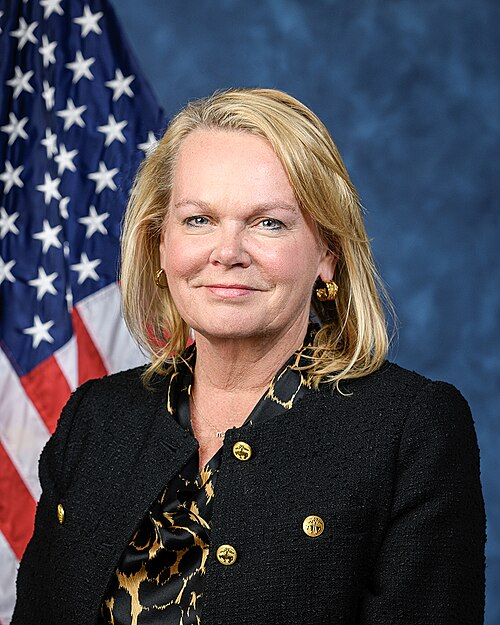
Sponsor
-
TrackDonald S. Beyer, Jr.
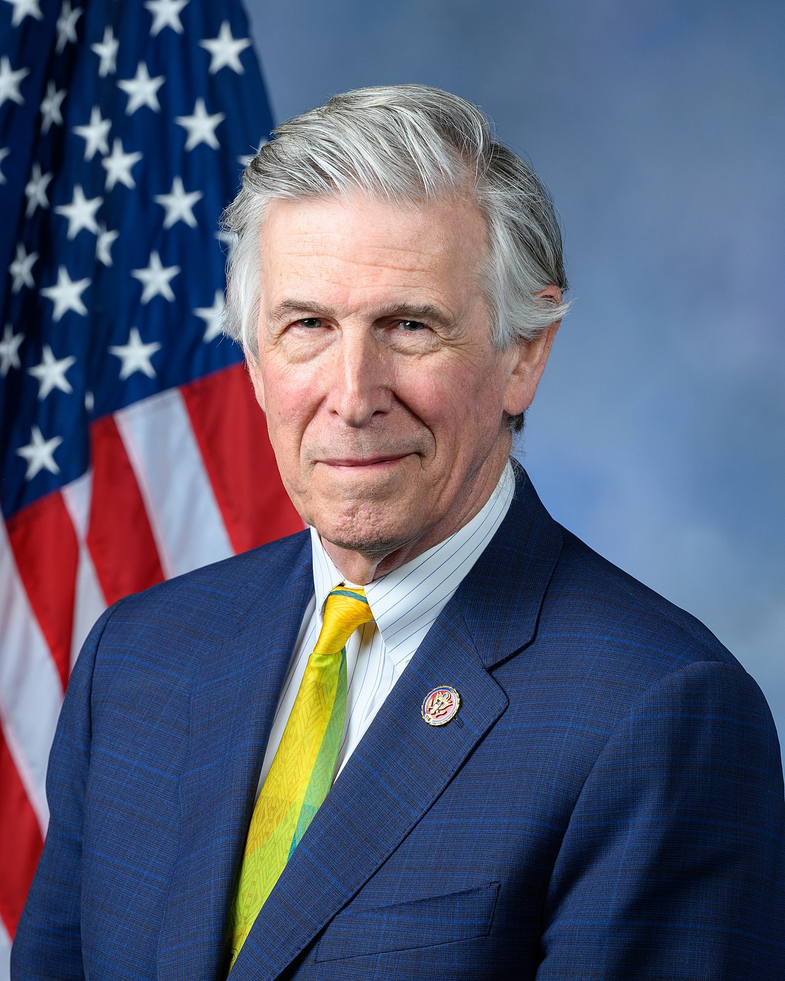
Co-Sponsor
-
TrackSarah Elfreth
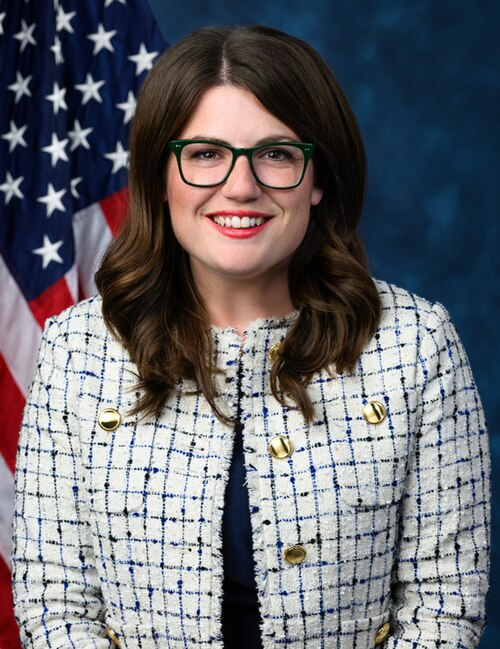
Co-Sponsor
-
TrackVal T. Hoyle
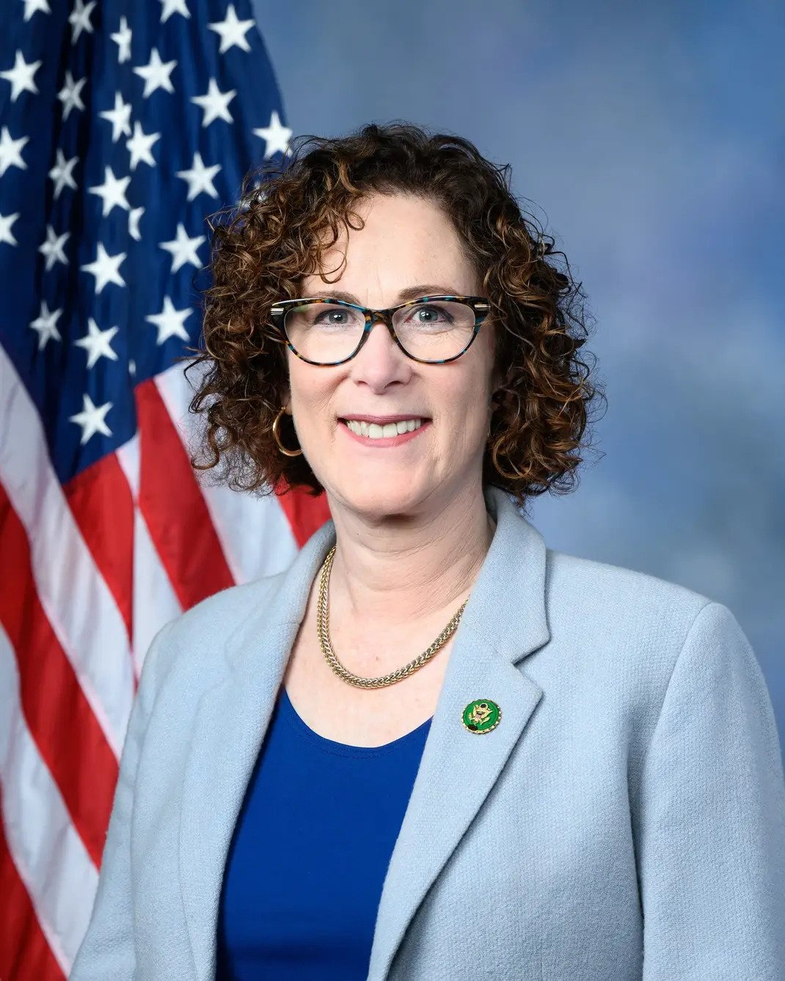
Co-Sponsor
-
TrackGlenn Ivey
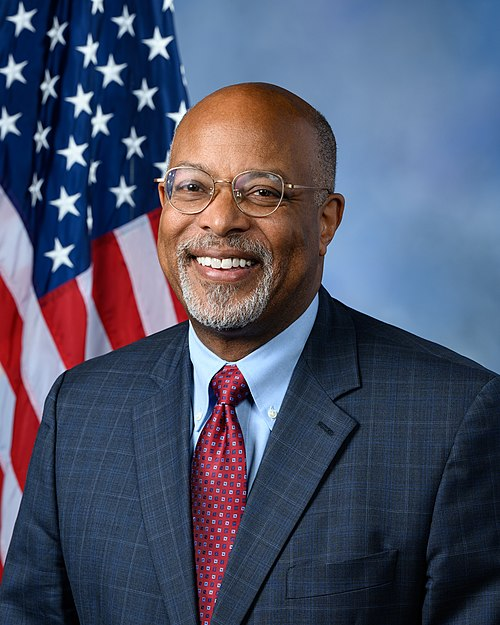
Co-Sponsor
-
TrackStephen F. Lynch
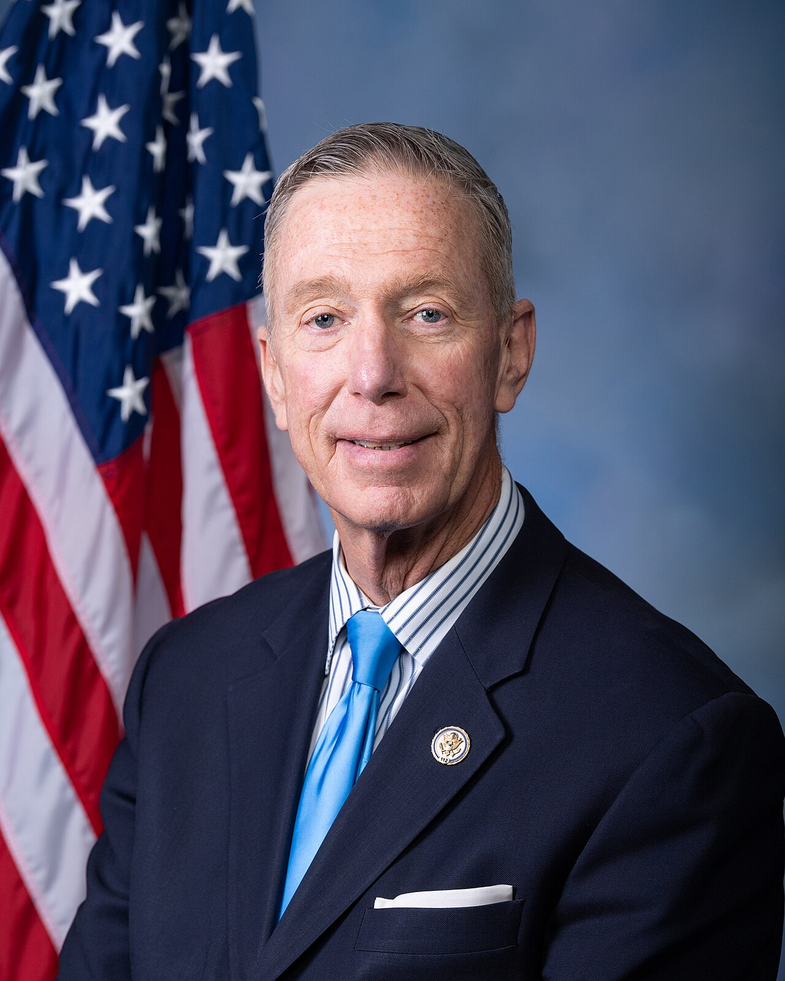
Co-Sponsor
-
TrackKweisi Mfume
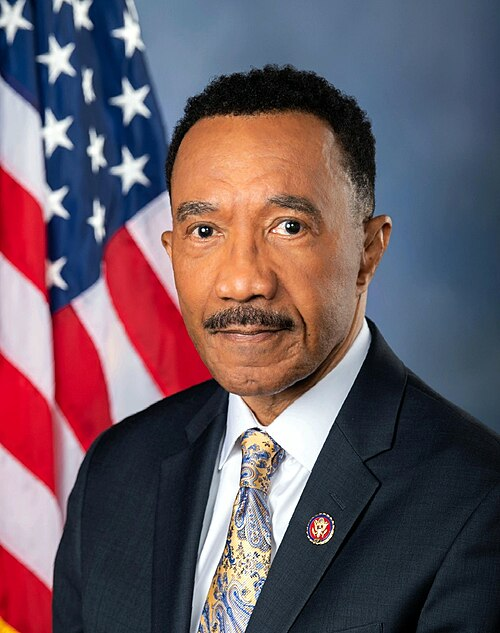
Co-Sponsor
-
TrackSeth Moulton
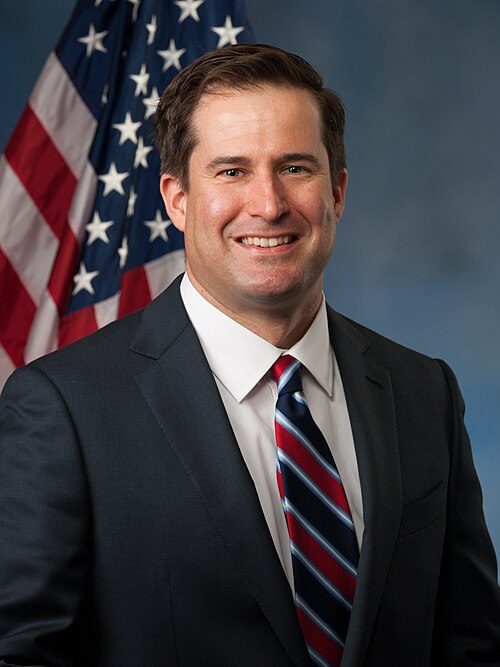
Co-Sponsor
-
TrackEleanor Holmes Norton

Co-Sponsor
-
TrackJohnny Olszewski
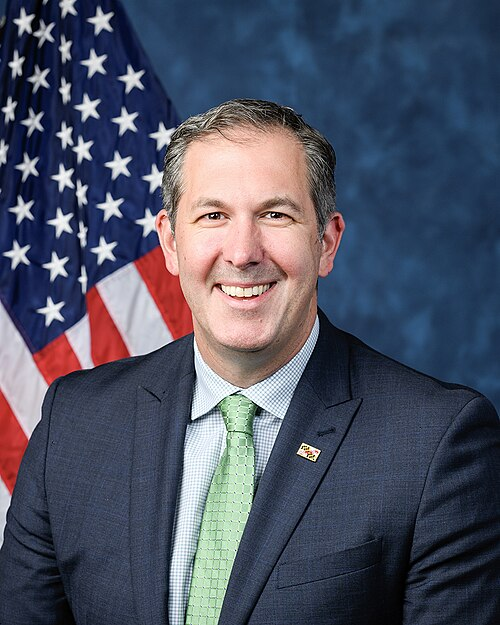
Co-Sponsor
-
TrackSuhas Subramanyam
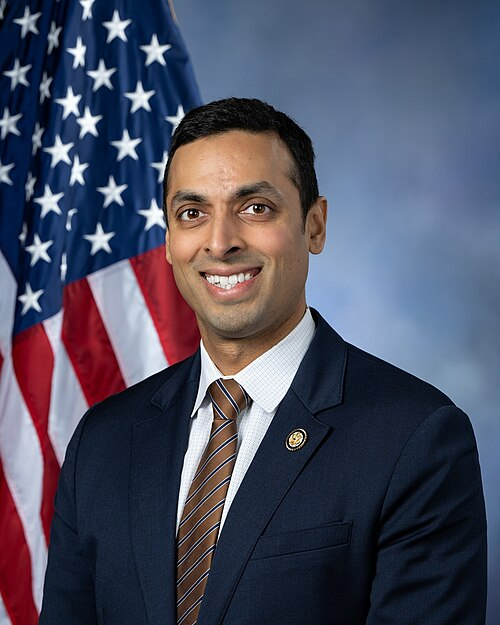
Co-Sponsor
-
TrackEugene Vindman

Co-Sponsor
-
TrackJames R. Walkinshaw

Co-Sponsor
-
Tracknan

Co-Sponsor
Actions
2 actions
| Date | Action |
|---|---|
| Feb. 11, 2026 | Introduced in House |
| Feb. 11, 2026 | Referred to the House Committee on Oversight and Government Reform. |
Corporate Lobbying
0 companies lobbying
None found.
* Note that there can be significant delays in lobbying disclosures, and our data may be incomplete.
Potentially Relevant Congressional Stock Trades
No relevant congressional stock trades found.