H.R. 7506: Decreasing Russian Oil Profits Act of 2026
The **Decreasing Russian Oil Profits Act of 2026** aims to impose sanctions on foreign individuals or entities involved in the trade of crude oil and petroleum products from Russia. Here are the primary provisions of the bill:
Imposition of Sanctions
Starting 90 days after the bill's enactment, the President is required to impose sanctions against foreign persons identified by the Secretary of the Treasury, in consultation with the Secretary of State, who:
- Are responsible for or involved in purchasing or importing Russian crude oil or petroleum products.
- Facilitate financial transactions related to these purchases.
- Provide significant support for such activities.
- Are executives or board members of entities involved in these transactions.
Types of Sanctions
The sanctions will include blocking and prohibiting transactions involving assets that belong to these foreign persons within U.S. jurisdiction.
Permissible Exceptions
The President may apply specific exceptions to the sanctions, which include:
- Exceptions for Countries Reducing Purchases: If a country shows commitment to significantly reduce its Russian oil purchases, the President can allow exceptions for those specific imports, provided certain financial conditions are met.
- Exceptions for Supporting Ukraine: If a country provides substantial military or economic support to Ukraine, exceptions can be applied for purchases of Russian oil.
- Temporary Exceptions for Specific Ports: Within 270 days of enactment, specific Russian ports may be exempted from sanctions, depending on a justification report submitted to Congress.
Additional Provisions
Sanctions will not apply if transactions are conducted at or below a price cap set by the U.S. Treasury. The bill also includes a provision for a review of these exceptions every 180 days to ensure compliance with the conditions outlined.
Duration of Sanctions
The sanctions and provisions outlined in this bill will remain in effect for five years after its enactment, with opportunities for review and renewal.
Definitions
The bill provides definitions for various terms, including:
- Agricultural commodity: Items defined within the Agricultural Trade Act.
- Defense articles: Military supplies as defined by U.S. law.
- Foreign person: Any entity or individual not classified as a United States person.
- United States person: U.S. citizens, permanent residents, and legal entities organized within the U.S.
Relevant Companies
- XOM (ExxonMobil) - Potentially affected as a major player in the oil sector and its dealings with Russian oil.
- CVX (Chevron) - Could face sanctions regarding its oil sourcing and trading activities.
- BP (BP plc) - Their European operations may be significantly involved in transactions related to Russian oil.
- RDS.A (Royal Dutch Shell) - Likely impacted due to their global oil trading, including transactions involving Russian crude.
This is an AI-generated summary of the bill text. There may be mistakes.
Sponsors
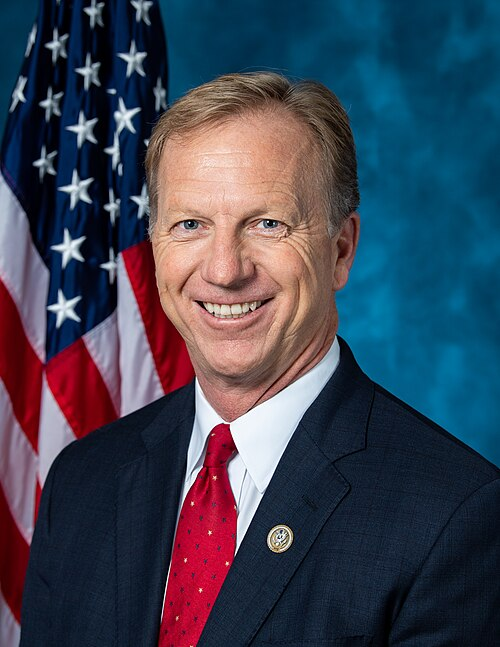
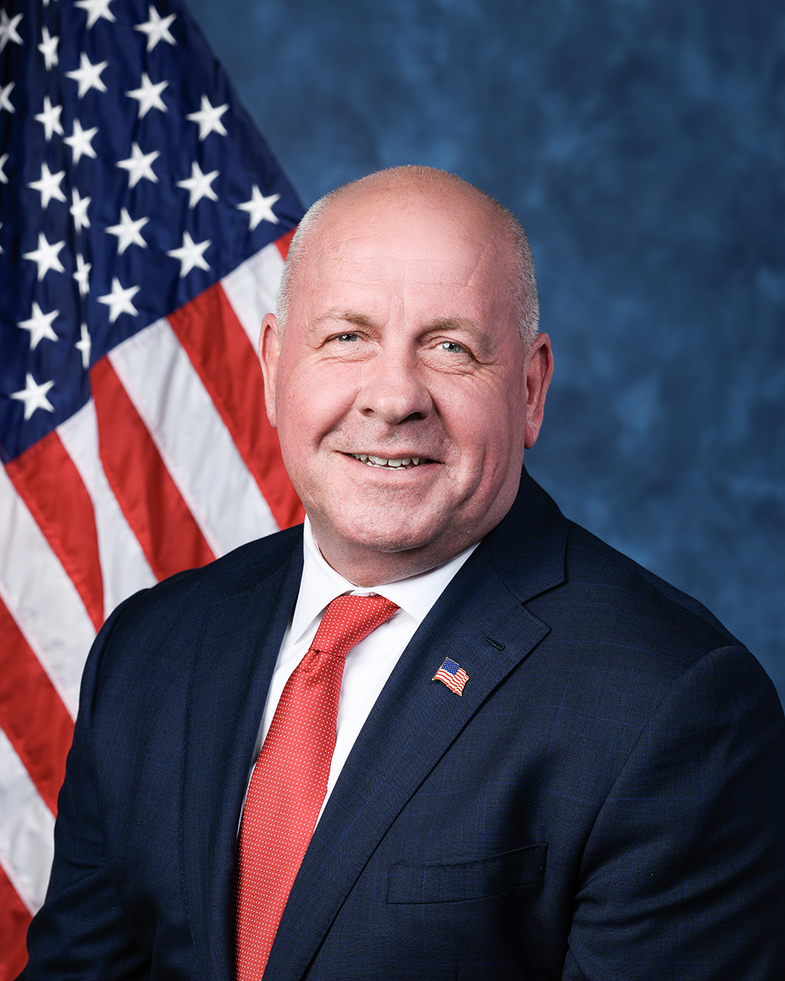
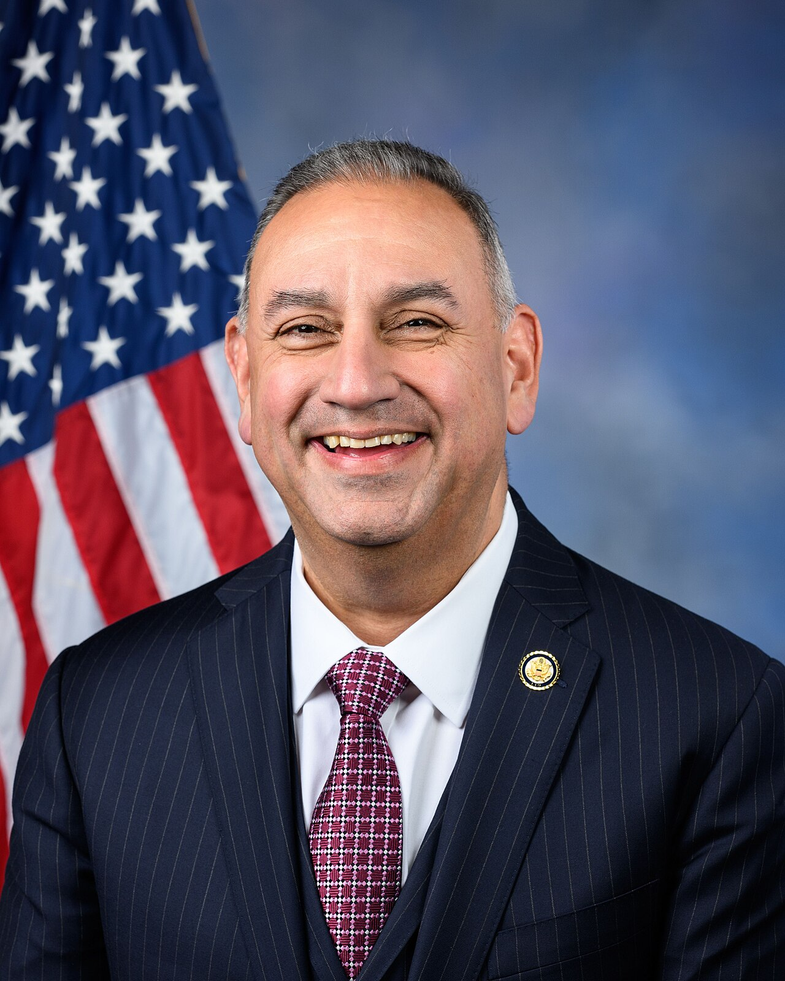
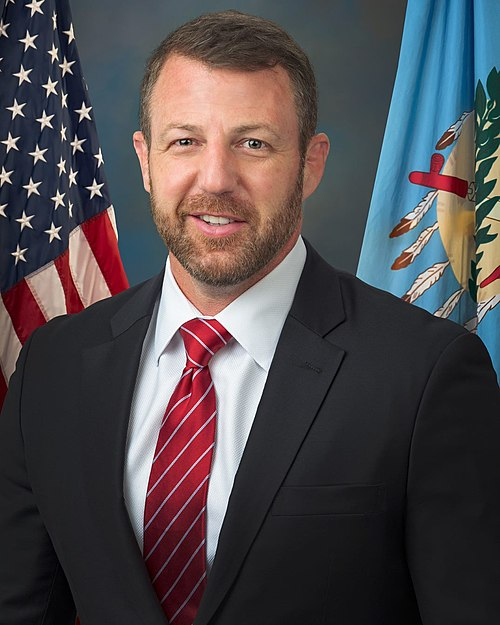
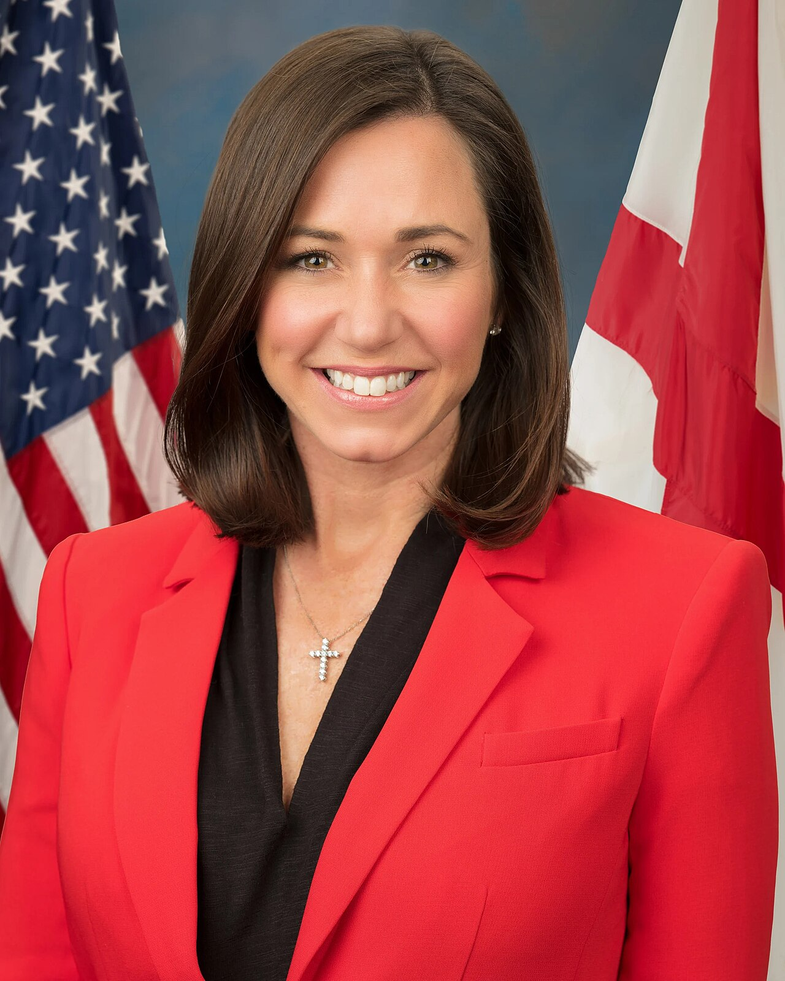
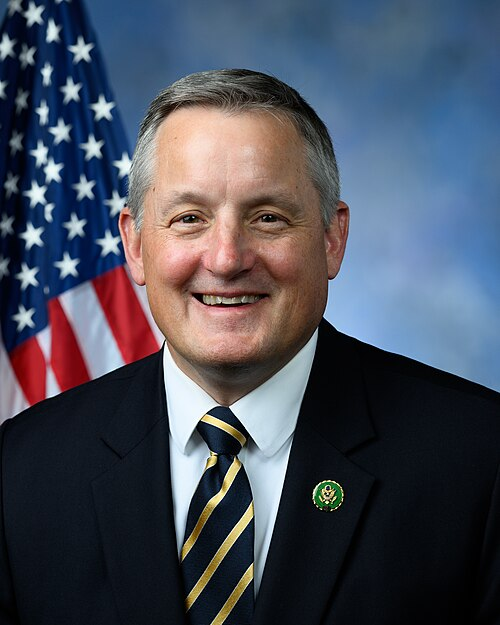
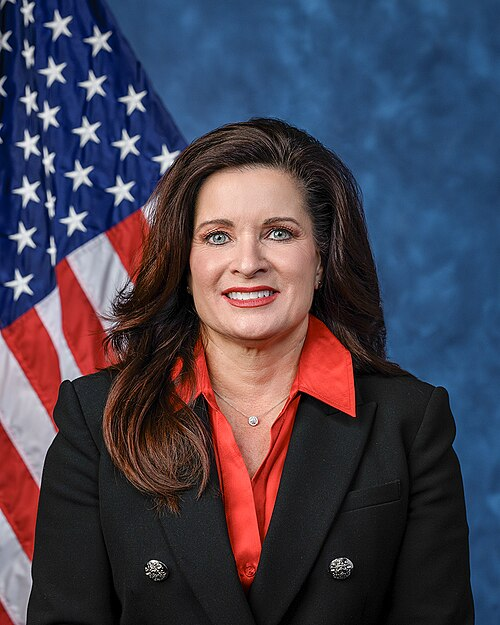
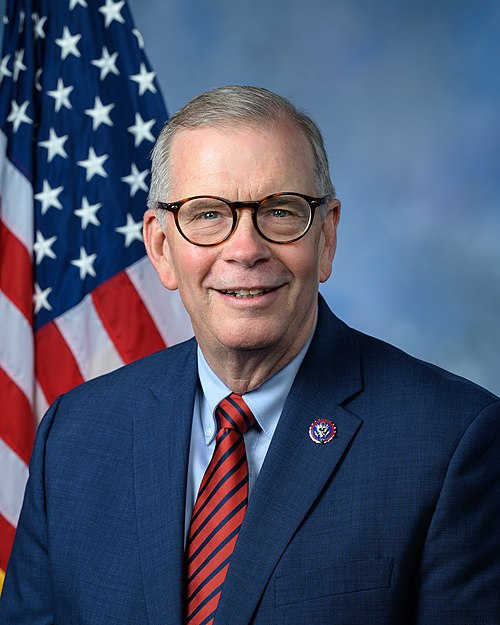
9 bill sponsors



Actions
2 actions
| Date | Action |
|---|---|
| Feb. 11, 2026 | Introduced in House |
| Feb. 11, 2026 | Referred to the House Committee on Foreign Affairs. |
Corporate Lobbying
0 companies lobbying
None found.
* Note that there can be significant delays in lobbying disclosures, and our data may be incomplete.