H.R. 7502: Recycled Materials Attribution Act of 2026
The Recycled Materials Attribution Act of 2026 aims to create standards for how companies can claim the use of recycled materials in their products. The key objectives of the bill are as follows:
Prohibiting Misleading Claims
The bill prohibits companies from making misleading claims about recycled content in their advertising, marketing, or sales. This means any product sold to consumers must accurately represent its recycled materials content. Specifically, fuels developed and sold as end products cannot be marketed as containing recycled content under this legislation.
Defining Terms
The bill provides definitions for several key terms related to recycled materials, including:
- Recycled Content: The amount of materials that are recovered or diverted from waste and used in new products.
- Mass Balance Accounting: A method that allows mixing of recycled and conventional materials while tracking the input and output of materials throughout the manufacturing process.
- Post-Consumer Material: Materials generated by end users after product use.
- Third-Party Certification: An independent verification process that ensures the claims made about recycled content are valid.
Acceptable Methods for Claims
The bill recognizes mass balance accounting as an acceptable method for substantiating claims regarding recycled content, provided the companies comply with established certification standards. These standards will be developed and enforced by the Federal Trade Commission (FTC).
Updating Guidelines
Within one year of the bill's enactment, the FTC is required to update its existing guidelines on environmental marketing claims, known as the Green Guides. The updates will align these guidelines with the definitions and standards set forth by this bill.
Enforcement by the FTC
The FTC will have the authority to enforce the provisions of this act. Violations of the misleading claims prohibition will be treated as unfair or deceptive acts, allowing the FTC to impose penalties as appropriate.
State Law Preemption
The bill establishes that no state or local government can create or enforce laws that contradict the federal standards set forth in the act, essentially ensuring uniformity in recycling claims across the United States.
Savings Provision
If any part of the act is deemed invalid, the remainder of the act will still be applicable. The provisions of this act are intended to standardize claims regarding recycled content while ensuring that they work in conjunction with existing federal laws unless explicitly stated otherwise.
Relevant Companies
- PG - Procter & Gamble: As a company producing consumer goods, it may need to revise how it markets products that include recycled materials.
- KO - Coca-Cola Company: Known for beverage products that may incorporate recycled plastics, Coca-Cola could be directly impacted in terms of labeling and advertising.
- PEP - PepsiCo: Similar to Coca-Cola, PepsiCo could also be affected by new regulations on recycled material claims in its products.
This is an AI-generated summary of the bill text. There may be mistakes.
Sponsors
14 bill sponsors
-
TrackNicholas A. Langworthy
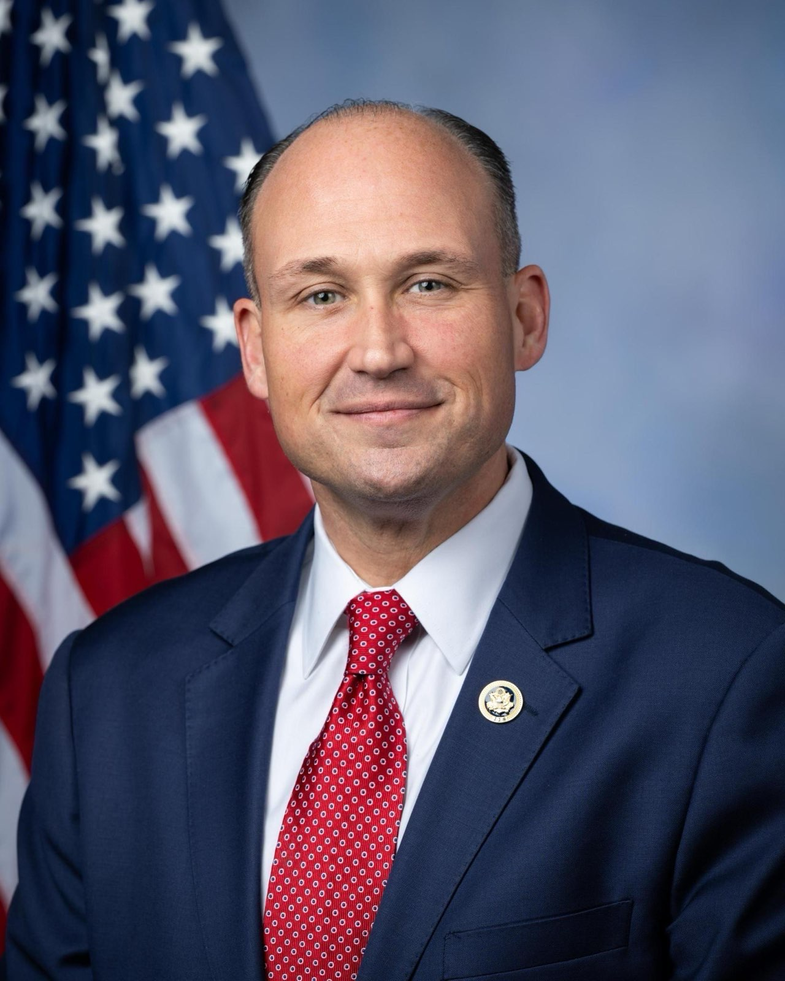
Sponsor
-
TrackTroy Balderson

Co-Sponsor
-
TrackDan Crenshaw

Co-Sponsor
-
TrackHenry Cuellar
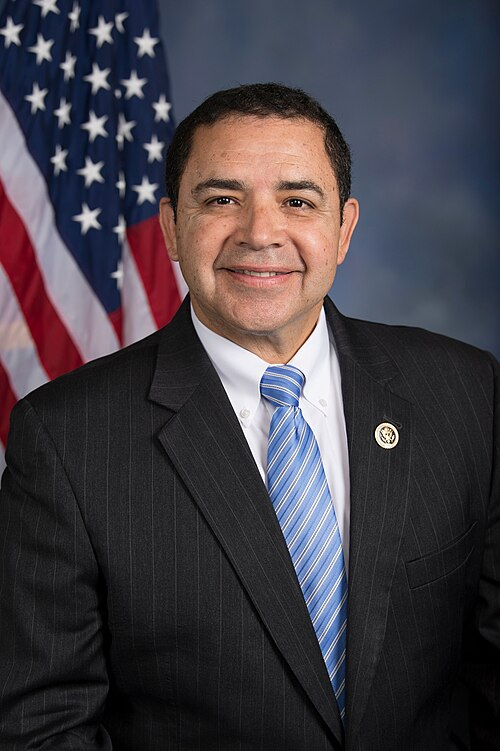
Co-Sponsor
-
TrackDonald G. Davis

Co-Sponsor
-
TrackGabe Evans

Co-Sponsor
-
TrackVicente Gonzalez
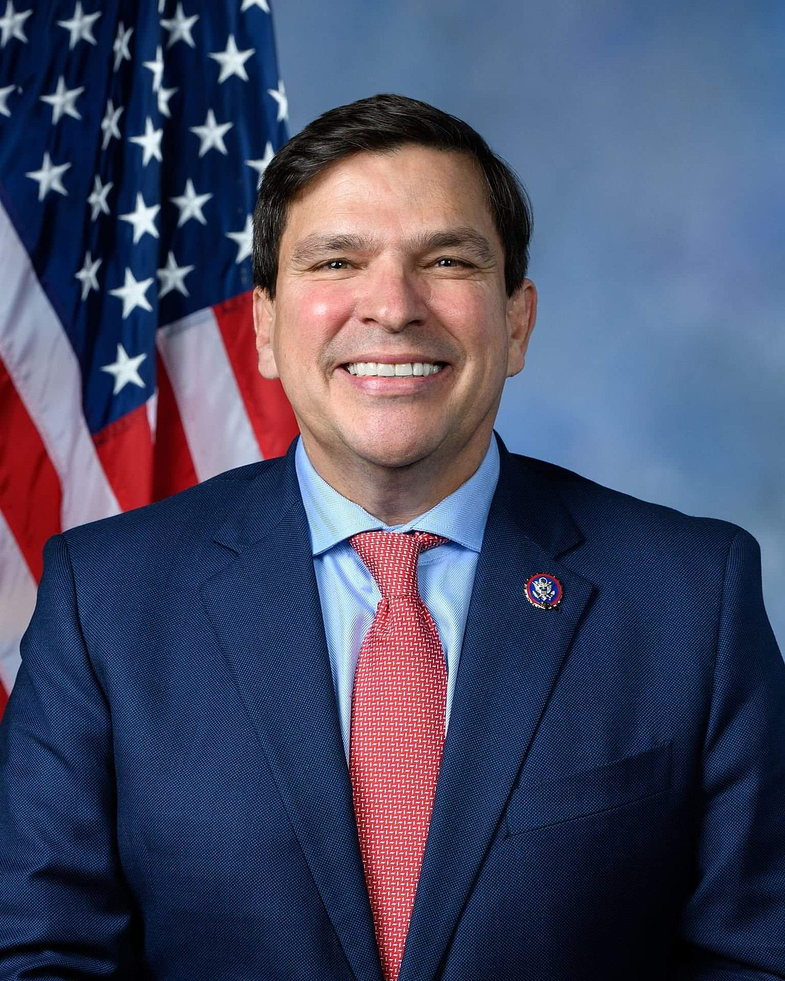
Co-Sponsor
-
TrackJeff Hurd

Co-Sponsor
-
TrackJonathan L. Jackson

Co-Sponsor
-
TrackMichael Lawler
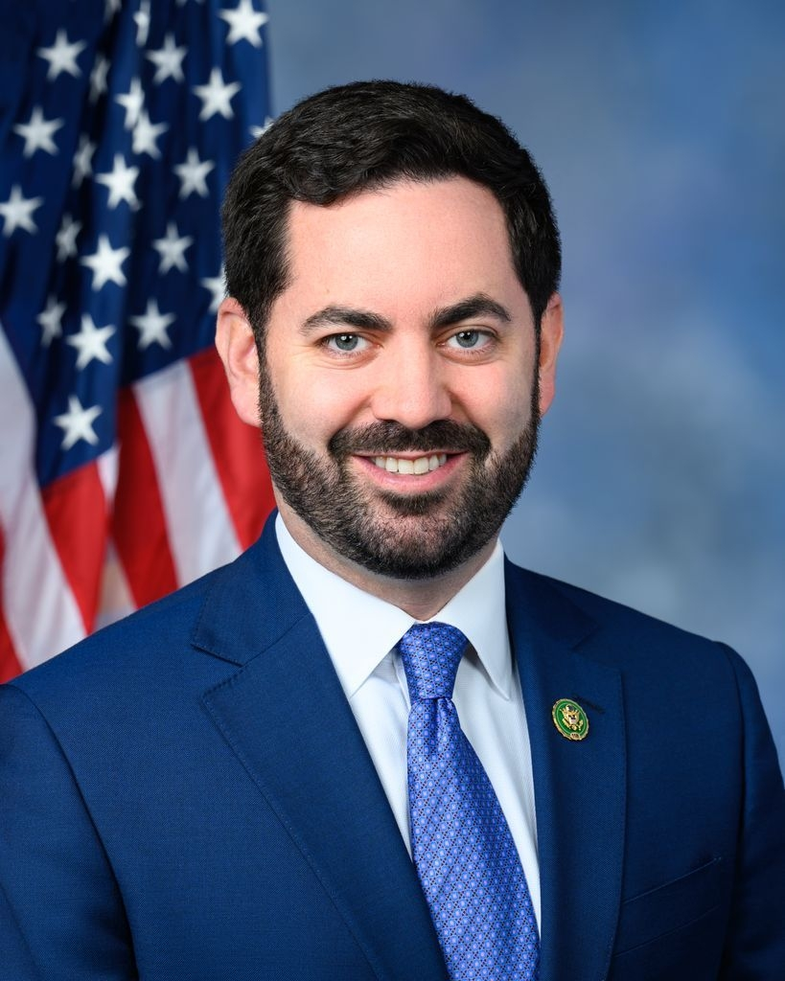
Co-Sponsor
-
TrackAddison McDowell

Co-Sponsor
-
TrackAugust Pfluger
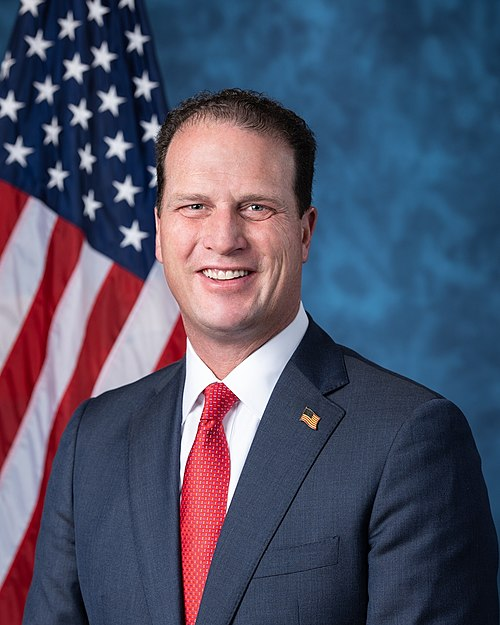
Co-Sponsor
-
TrackMarc A. Veasey
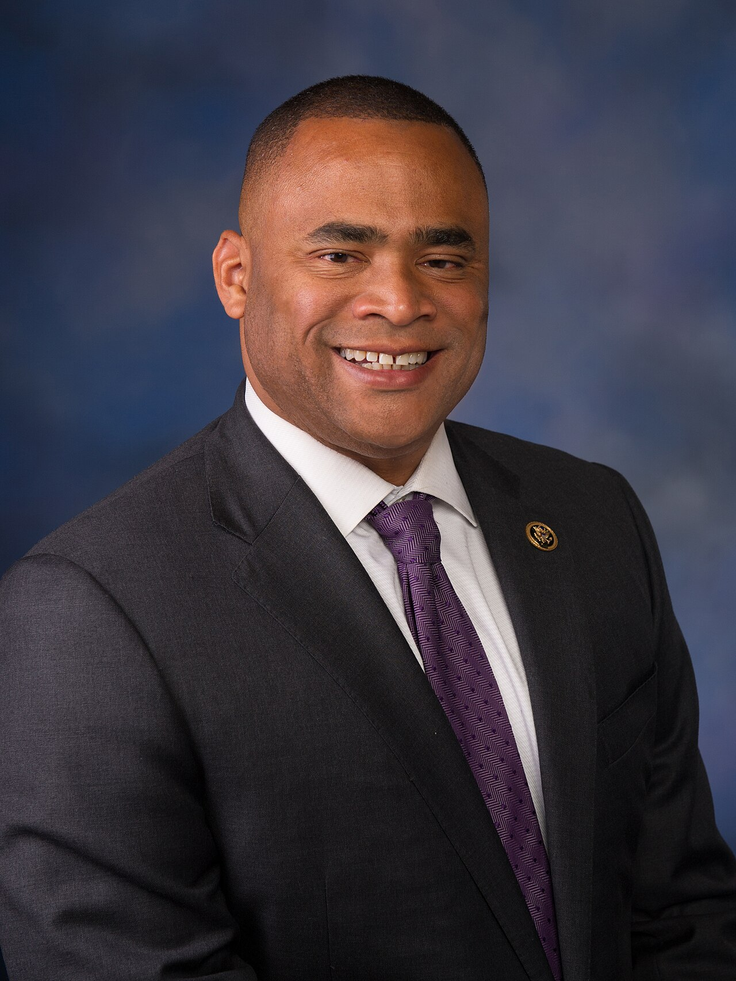
Co-Sponsor
-
TrackRandy K. Weber, Sr.
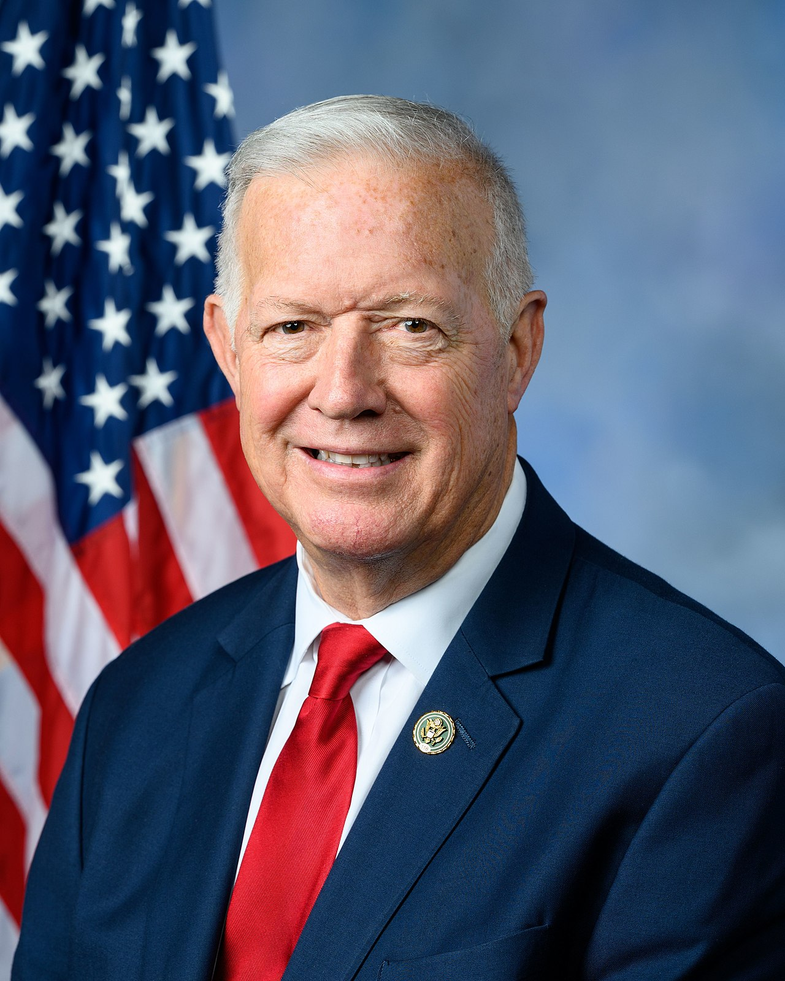
Co-Sponsor
Actions
5 actions
| Date | Action |
|---|---|
| Sep. 01, 2026 | Forwarded by Subcommittee to Full Committee (Amended) by Voice Vote. |
| Sep. 01, 2026 | Subcommittee Consideration and Mark-up Session Held |
| Feb. 11, 2026 | Introduced in House |
| Feb. 11, 2026 | Referred to the House Committee on Energy and Commerce. |
| Feb. 11, 2026 | Referred to the Subcommittee on Commerce, Manufacturing, and Trade. |
Corporate Lobbying
0 companies lobbying
None found.
* Note that there can be significant delays in lobbying disclosures, and our data may be incomplete.