H.R. 7491: Effective Assistance of Counsel in the Digital Era Act
This bill, known as the Effective Assistance of Counsel in the Digital Era Act, aims to regulate how electronic communications between incarcerated individuals and their attorneys or legal representatives are monitored. The key provisions of the bill include:
Prohibition on Monitoring Privileged Communications
Within 180 days of the bill's enactment, the Attorney General is required to establish a program or modify an existing system. This system will ensure that any privileged electronic communications sent or received by incarcerated individuals are not monitored. The Attorney General must end the use of any system that currently monitors these privileged communications, except for other types of electronic communications.
Retention of Electronic Communications
The Bureau of Prisons may retain and allow access to the contents of electronic communications, including privileged communications, until the incarcerated person is released from prison. This means that incarcerated individuals can access their communications during their incarceration.
Attorney-Client Privilege
The protections associated with attorney-client privilege apply to electronic communications handled by the new or modified systems. This includes all relevant protections and limitations.
Accessing Retained Contents
Access to the retained electronic communications by anyone other than the incarcerated individual is restricted:
- Attorney General: May only access retained content if necessary for managing the program but is not allowed to review the contents accessed.
- Investigative and Law Enforcement Officers: They may only access the retained contents through a court-issued warrant. This process must be approved by a United States Attorney or an Assistant Attorney General. Before accessing these contents, the warrant will be reviewed by a United States Attorney to ensure that no privileged communications are violated.
- Motion to Suppress: If retained contents are accessed improperly, a court may suppress any evidence that was obtained in violation of this setup upon the defendant's request.
Definitions
Several terms are defined within the bill to provide clarity on its provisions:
- Agent of an Attorney or Legal Representative: This includes anyone employed by or contracting with an attorney, such as clerks and investigators.
- Contents: Refers to the meaning provided in federal law regarding electronic communications.
- Electronic Communication: Defined as per federal law, including various digital platforms used by incarcerated individuals.
- Monitoring: Defined as accessing the contents of an electronic communication after it has been sent.
- Incarcerated Person: Any individual in custody of the Bureau of Prisons or U.S. Marshals, charged with or convicted of federal offenses.
- Privileged Electronic Communication: Any communication between an incarcerated person and their attorney or their attorney's agent.
Conclusion
The bill seeks to ensure that the electronic communications between incarcerated individuals and their legal representatives remain confidential and protected from monitoring, thereby supporting the rights of individuals to have effective legal counsel through secure communications.
Relevant Companies
None found.
This is an AI-generated summary of the bill text. There may be mistakes.
Sponsors
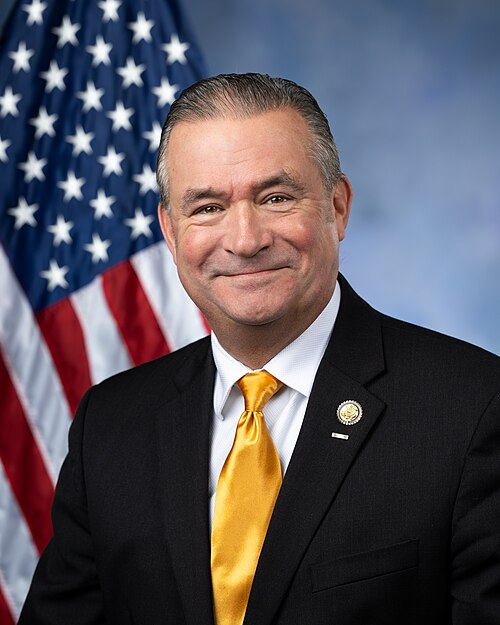
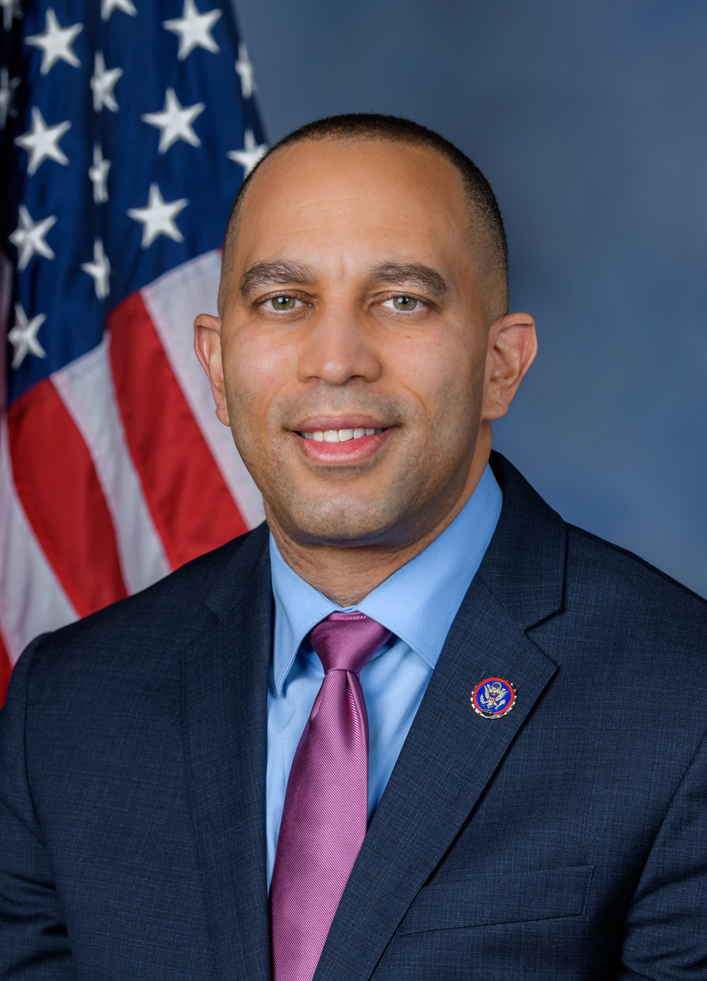
4 bill sponsors


Actions
2 actions
| Date | Action |
|---|---|
| Feb. 11, 2026 | Introduced in House |
| Feb. 11, 2026 | Referred to the House Committee on the Judiciary. |
Corporate Lobbying
0 companies lobbying
None found.
* Note that there can be significant delays in lobbying disclosures, and our data may be incomplete.
Potentially Relevant Congressional Stock Trades
No relevant congressional stock trades found.