H.R. 7478: Patient Debt Relief Act
This bill, known as the Patient Debt Relief Act, aims to create new standards and requirements regarding financial assistance and medical debt collection for hospitals participating in the Medicare program, as well as to establish a grant program focused on medical debt relief.
Key Provisions of the Bill
1. Financial Assistance and Debt Collection Requirements
Beginning January 1, 2028, hospitals must comply with specific financial assistance and medical debt collection requirements to participate in the Medicare program. These requirements include:
- Establishing a charity care or financial assistance policy that is publicly available.
- Setting minimum eligibility standards for financial assistance.
- Providing a screening process to help patients determine if they qualify for assistance.
2. Medical Debt Collection Limitations
The bill restricts how hospitals can collect medical debts from patients. Specifically, hospitals are prohibited from:
- Placing a lien on or foreclosing on a patient's home to collect medical debt.
- Garnishing wages to collect medical debt.
- Selling or assigning medical debt to a debt collector unless at least one year has passed since the payment was due.
Additionally, if a hospital determines that a patient's household income is below a certain threshold (250% of the poverty level), it cannot charge annual interest on the debt or sell it to a debt collector.
3. Civil Monetary Penalties
If hospitals do not comply with these financial assistance and debt collection rules, they may face civil monetary penalties up to $1,000,000 for each noncompliance instance.
4. Monitoring Compliance
The Secretary of Health and Human Services is responsible for auditing hospitals to check compliance, starting January 1, 2029. There will also be an online portal for patients to report noncompliance.
5. Medical Debt Relief Program
The bill establishes a grant program under the Public Health Service Act to help nonprofit organizations acquire and discharge medical debts for eligible individuals. Key features of the grant program include:
- Eligible nonprofits can apply for funds to help individuals with medical debt.
- Funds must be used to identify eligible individuals and pay off their medical debts.
- Organizations must notify individuals when their debts are discharged and report on their activities regularly.
6. Definitions and Funding
The bill defines "eligible individuals" as those with medical debts that are high relative to their income or who have low household incomes. An initial funding of $100,000,000 is authorized for the grant program for fiscal year 2027, which will be available until exhausted.
Relevant Companies
None found
This is an AI-generated summary of the bill text. There may be mistakes.
Sponsors
19 bill sponsors
-
TrackGabe Vasquez
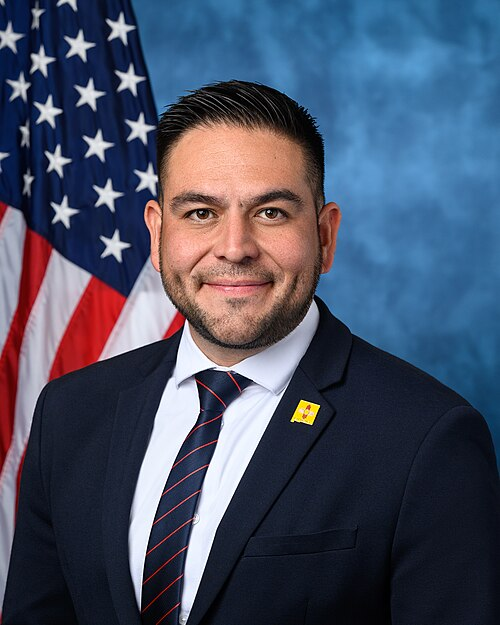
Sponsor
-
TrackNanette Diaz Barragán
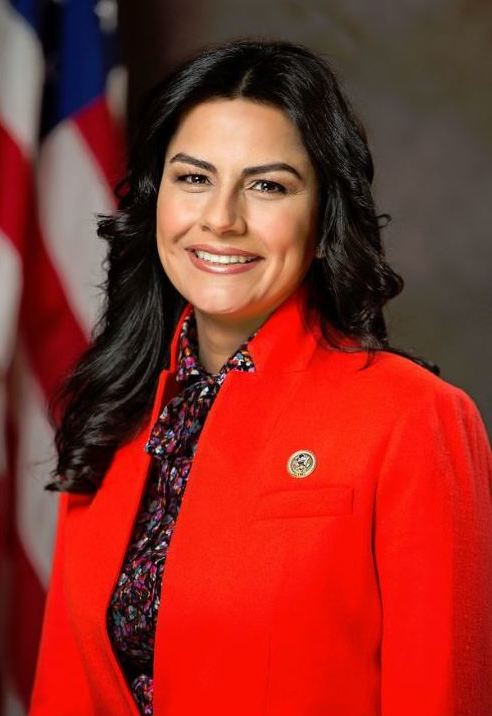
Co-Sponsor
-
TrackKathy Castor
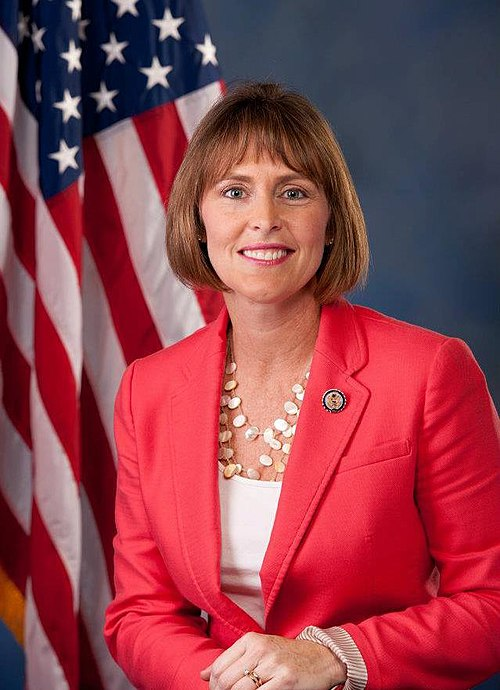
Co-Sponsor
-
TrackYvette D. Clarke
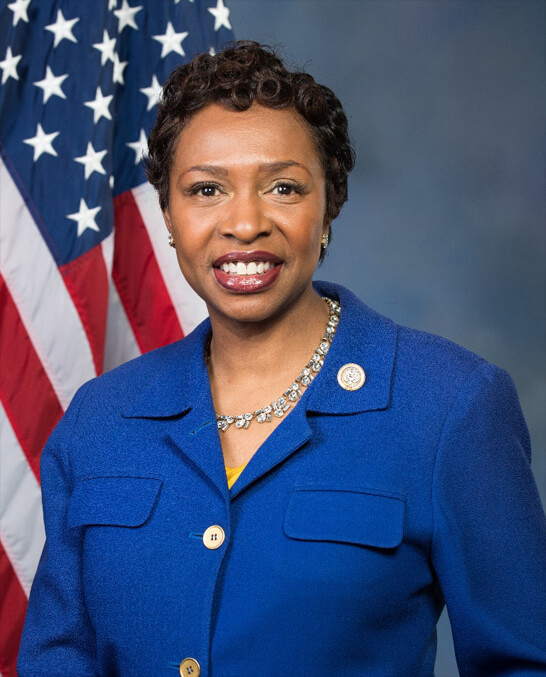
Co-Sponsor
-
TrackSteve Cohen

Co-Sponsor
-
TrackAngie Craig
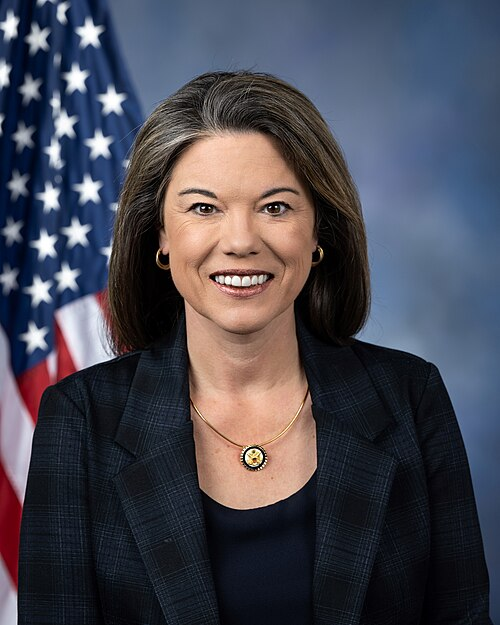
Co-Sponsor
-
TrackSuzan K. DelBene
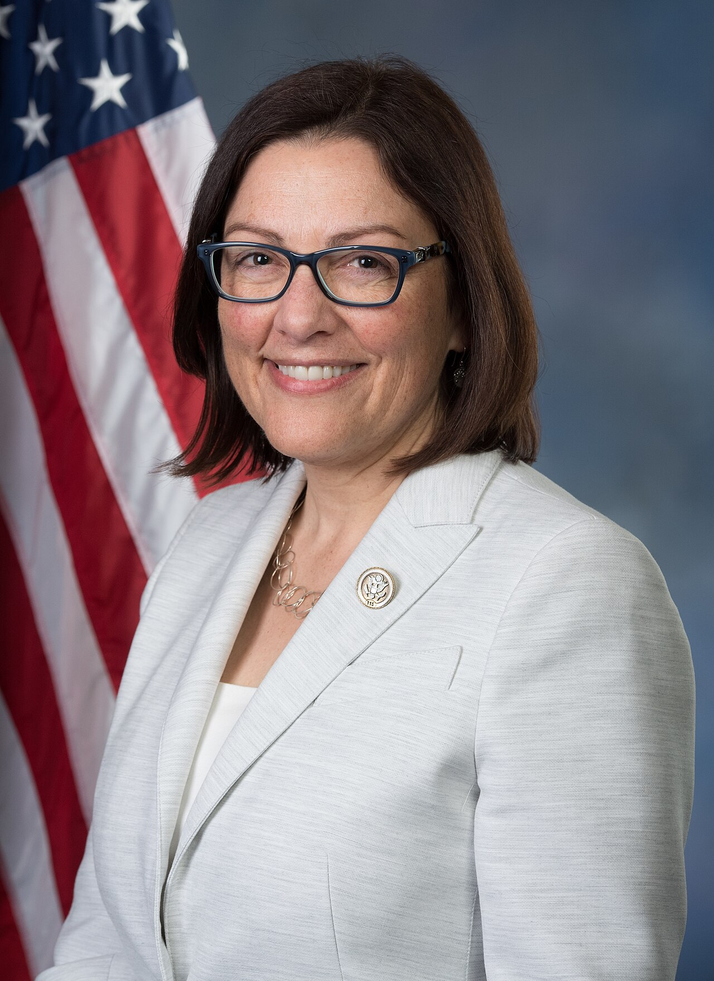
Co-Sponsor
-
TrackMaxwell Frost
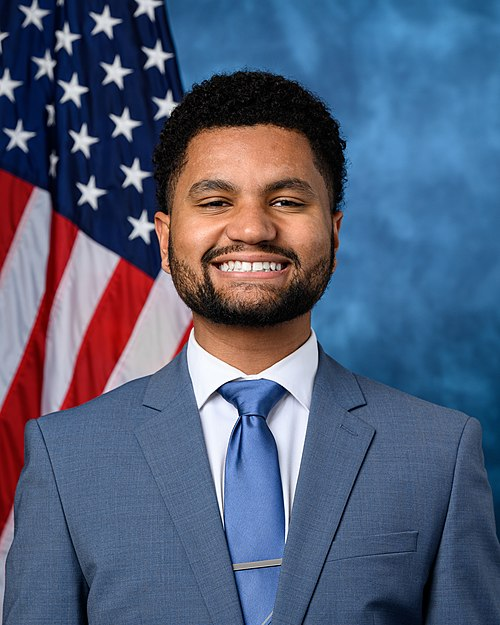
Co-Sponsor
-
TrackRobert Garcia
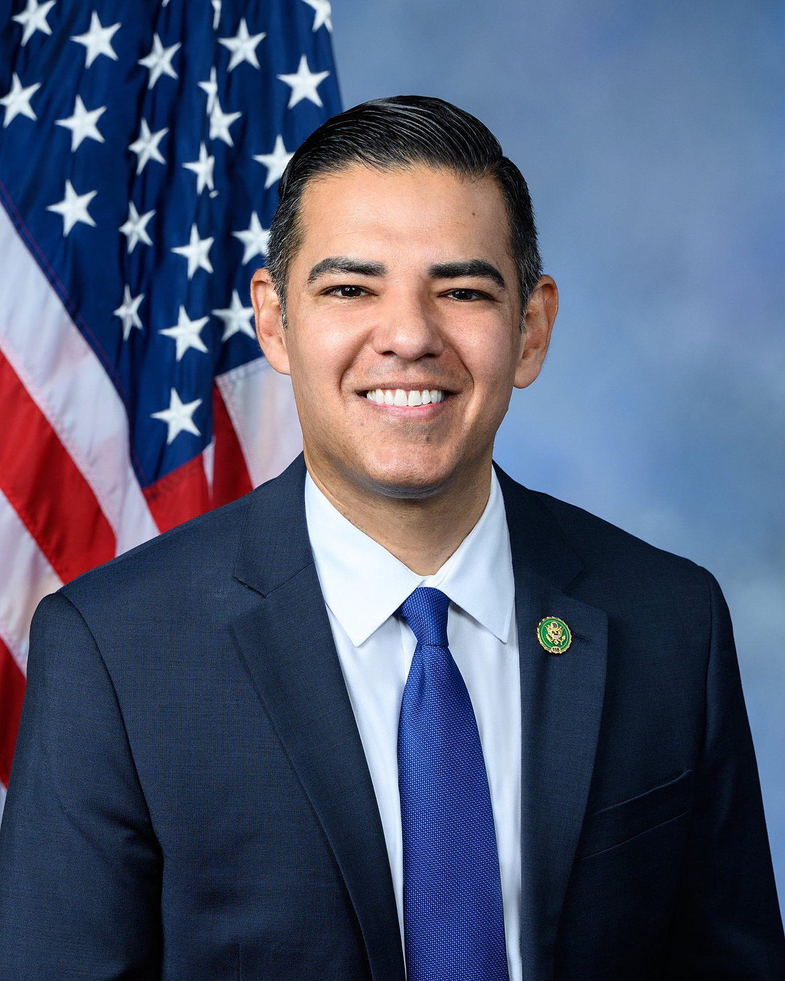
Co-Sponsor
-
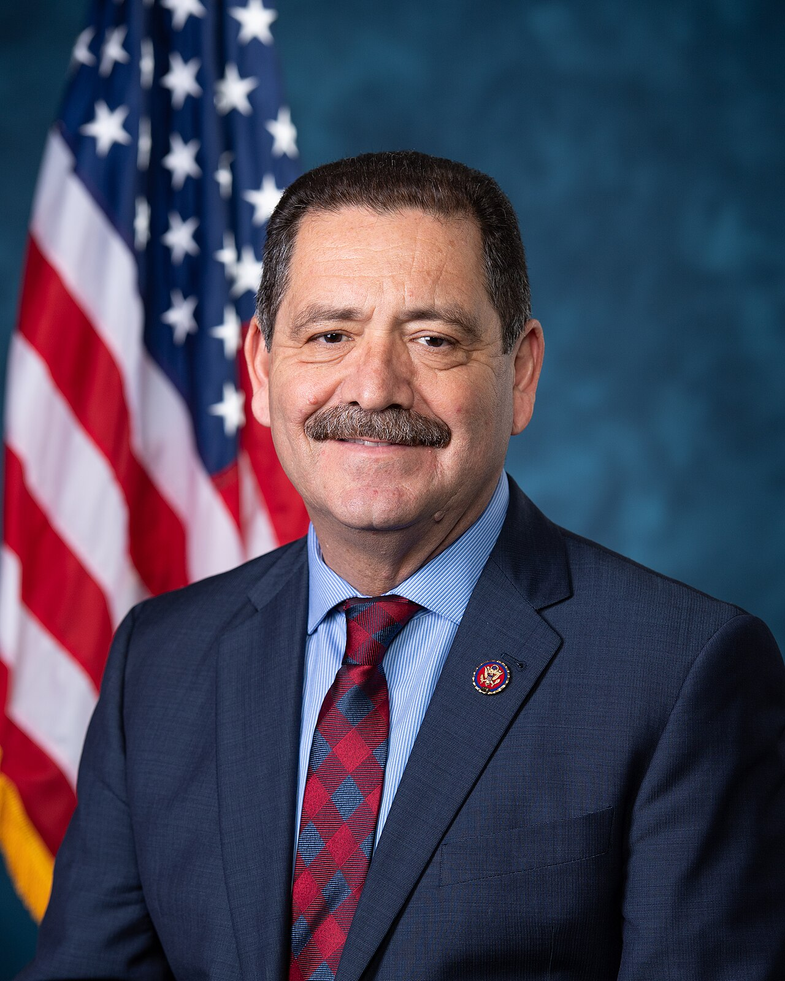
TrackJesús G. "Chuy" García
Co-Sponsor
-
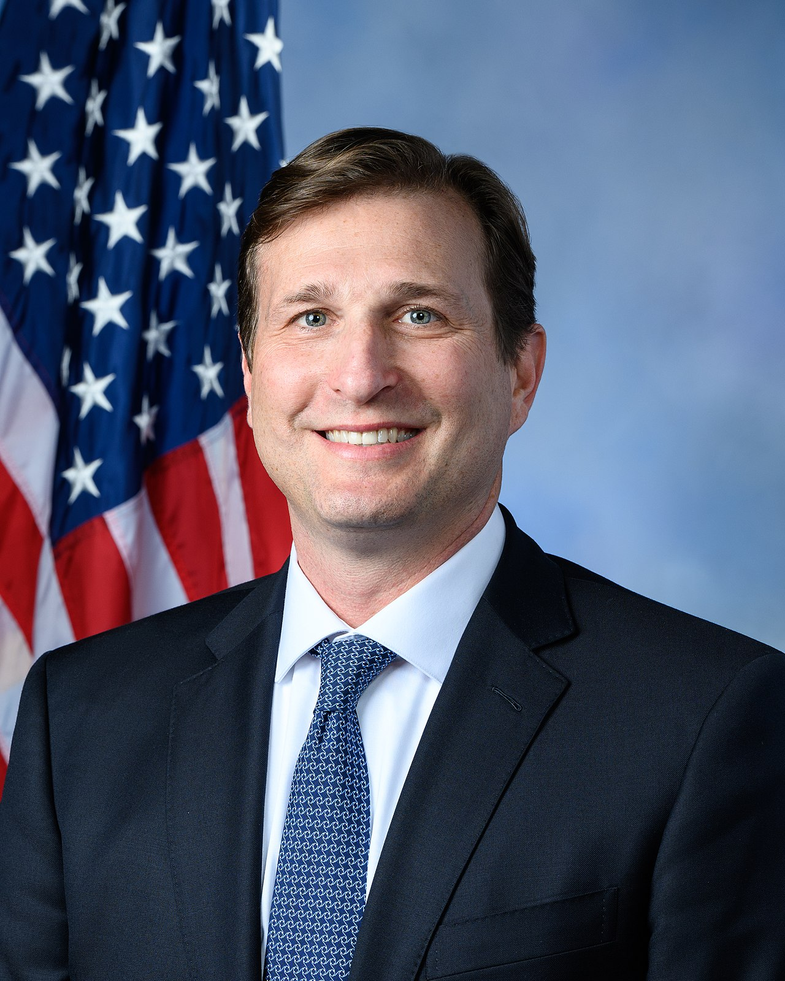
TrackDaniel S. Goldman
Co-Sponsor
-
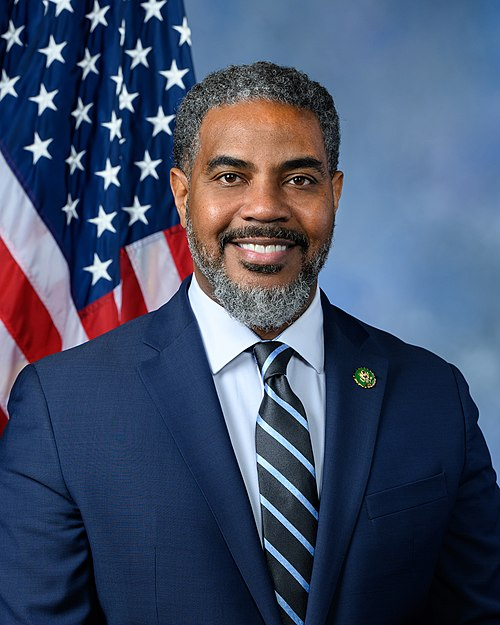
TrackSteven Horsford
Co-Sponsor
-
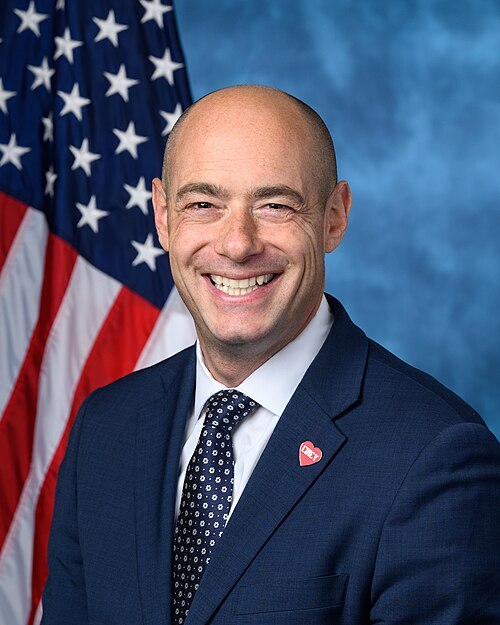
TrackGreg Landsman
Co-Sponsor
-
TrackEleanor Holmes Norton

Co-Sponsor
-
TrackRaul Ruiz
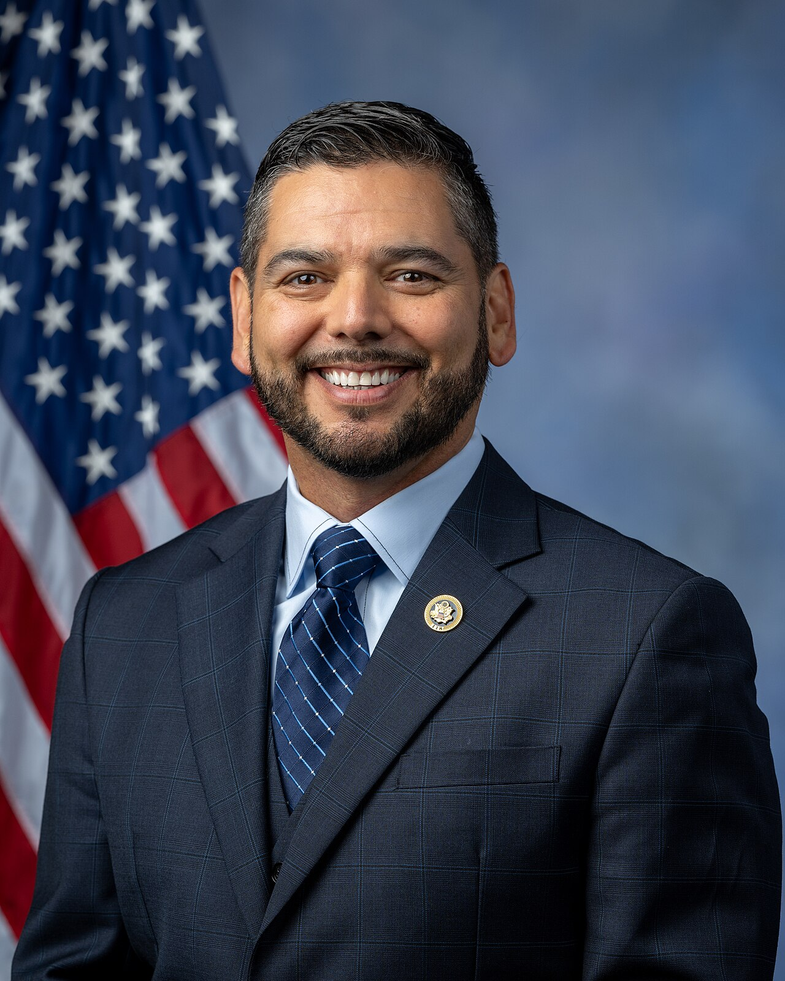
Co-Sponsor
-
TrackKim Schrier
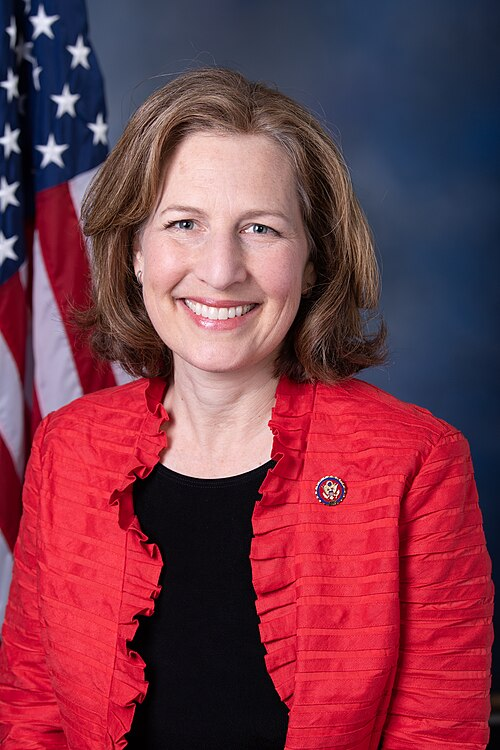
Co-Sponsor
-
TrackLateefah Simon

Co-Sponsor
-
TrackMelanie A. Stansbury
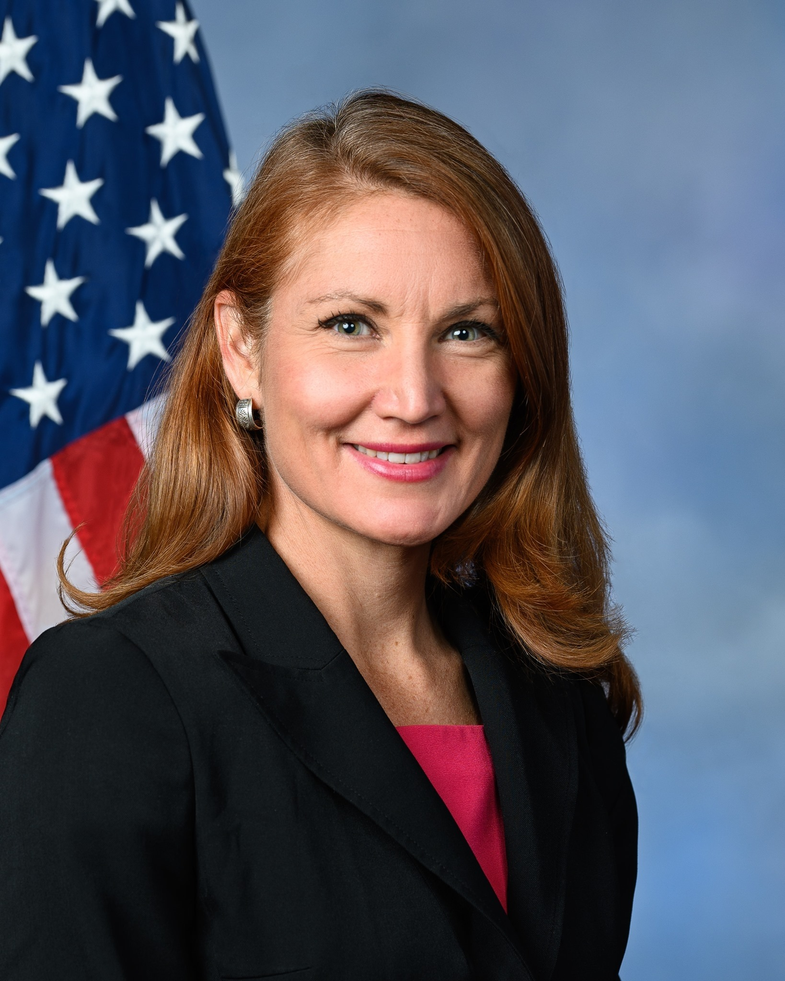
Co-Sponsor
-
TrackShri Thanedar
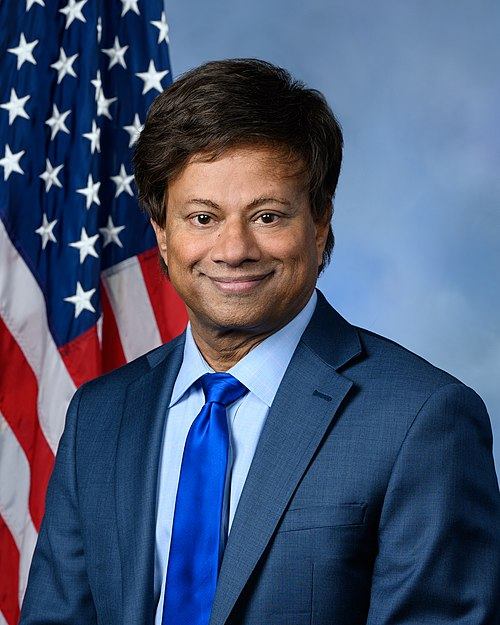
Co-Sponsor
Actions
2 actions
| Date | Action |
|---|---|
| Feb. 10, 2026 | Introduced in House |
| Feb. 10, 2026 | Referred to the Committee on Energy and Commerce, and in addition to the Committee on Ways and Means, for a period to be subsequently determined by the Speaker, in each case for consideration of such provisions as fall within the jurisdiction of the committee concerned. |
Corporate Lobbying
0 companies lobbying
None found.
* Note that there can be significant delays in lobbying disclosures, and our data may be incomplete.
Potentially Relevant Congressional Stock Trades
No relevant congressional stock trades found.