H.R. 7436: Department of Homeland Security Intelligence and Analysis Training Act
This bill, titled the Department of Homeland Security Intelligence and Analysis Training Act, aims to amend the Homeland Security Act of 2002 to establish a standardized training program for employees working in the Office of Intelligence and Analysis at the Department of Homeland Security (DHS). Below are the key provisions of the bill:
Standardized Training Program
The bill mandates the Secretary of Homeland Security to create and implement a standardized entry-level training program that all new employees in the Office of Intelligence and Analysis must complete. This training will cover important topics such as:
- Civil rights, civil liberties, and privacy rights as outlined in the Privacy Act of 1974.
- The role of the Department of Homeland Security and how intelligence integrates into its operations.
- Analytical methodologies and standards relevant to the intelligence community.
- Open source intelligence collection techniques, ensuring compliance with privacy and civil rights protections.
Specialized and Advanced Training
In addition to the entry-level training, the Secretary will also provide opportunities for specialized and advanced training curricula. This training is designed to enhance the skills and operations of the Office of Intelligence and Analysis. Furthermore, a list of specialized training opportunities from other intelligence and defense community elements will be made publicly available quarterly.
Tracking Progress
The bill requires the implementation of a system to monitor the training completion of employees within the Office of Intelligence and Analysis. This will help ensure that all employees meet the necessary training standards outlined in the bill.
Implementation Timeline
The provisions of this bill will take effect one year after its enactment and will apply to:
- New hires in the Office of Intelligence and Analysis after the enactment date.
- Employees who have been with the Office for two years or less at the time of enactment.
- Employees below a specified grade level in the General Schedule system.
Reporting Requirements
Within two years of the bill's enactment, the Under Secretary for Intelligence and Analysis is required to submit a report to Congress detailing:
- The curricula developed for the various training programs.
- The number of trainees who completed specialized courses.
- Engagement of other intelligence components in the training process.
Additionally, the Comptroller General of the United States will review the implementation of the standardized training and compare it with training offered by other elements of the intelligence community and the Department of Defense.
Definitions
The bill provides definitions for key terms such as “intelligence community” and specifies which congressional committees will oversee its implementation.
Relevant Companies
- CSCO: Cisco Systems, Inc. could be impacted due to its role in providing networking and cybersecurity solutions for government entities, including the DHS.
- RTX: Raytheon Technologies may be affected as it frequently collaborates with the government on security and defense contracts related to intelligence operations.
- LMT: Lockheed Martin Corporation's engagement in defense and intelligence sectors may lead to a potential impact from any related training or operational adjustments necessitated by the bill.
This is an AI-generated summary of the bill text. There may be mistakes.
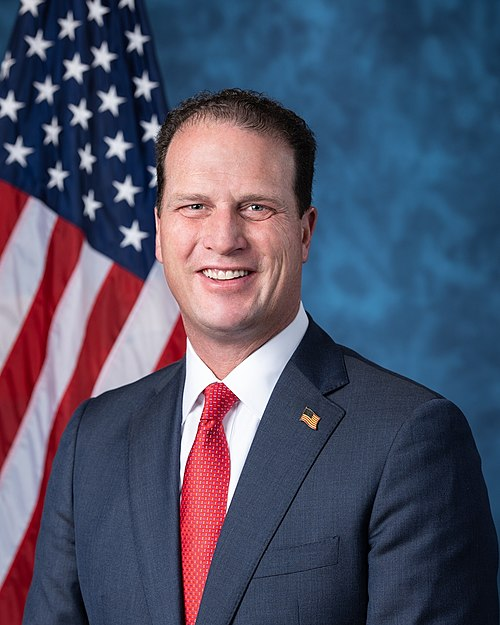
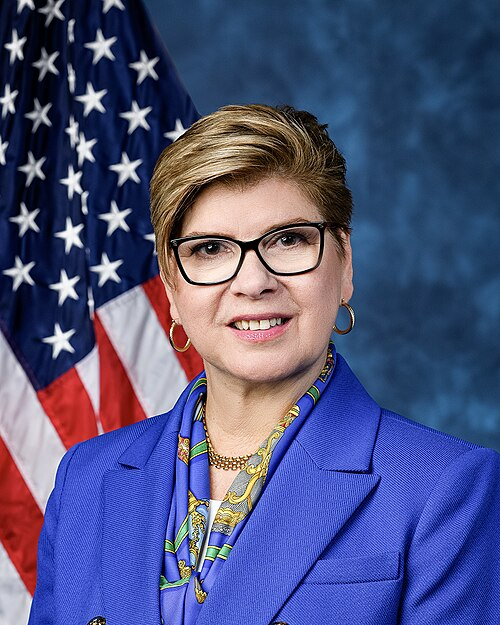
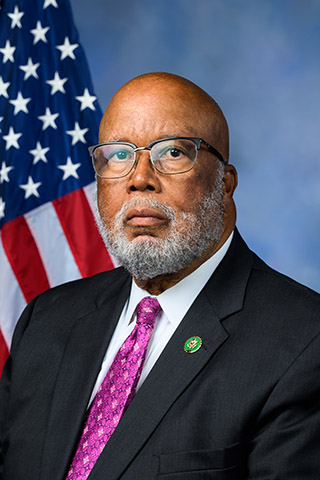
Sponsors
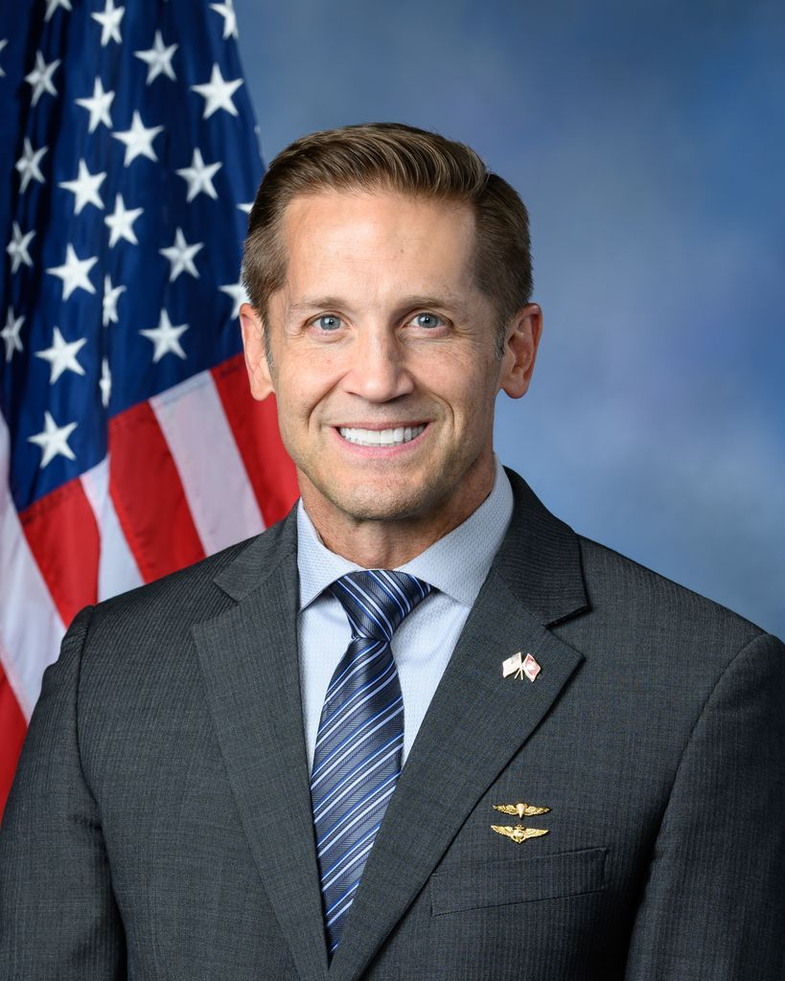
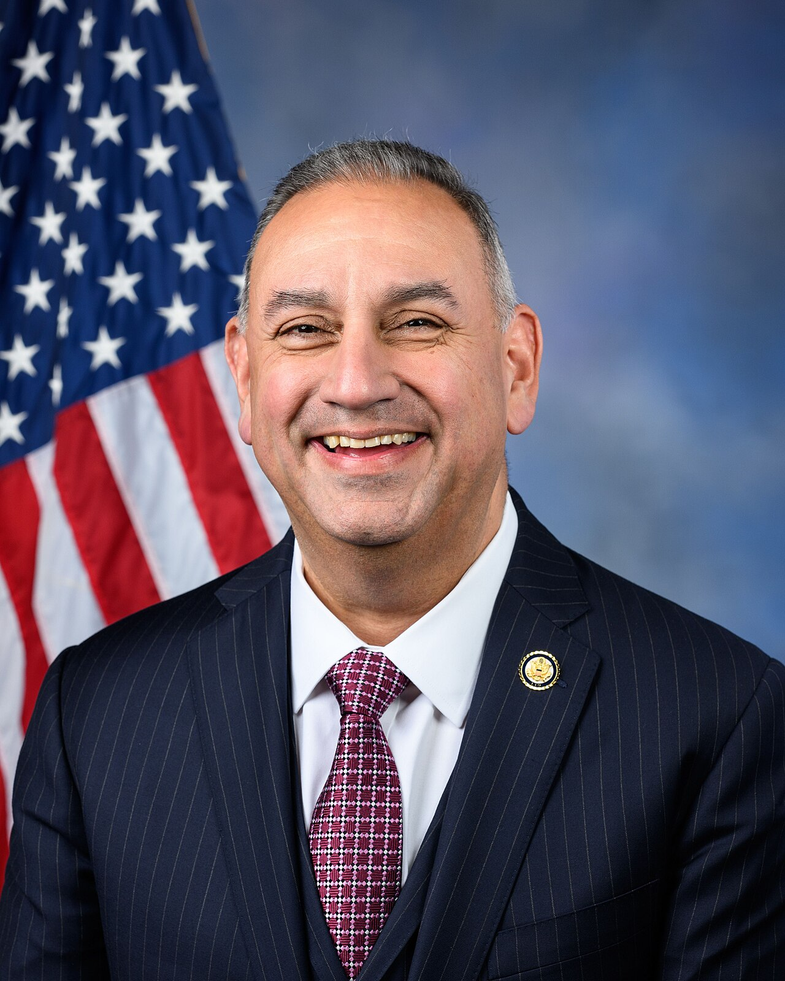
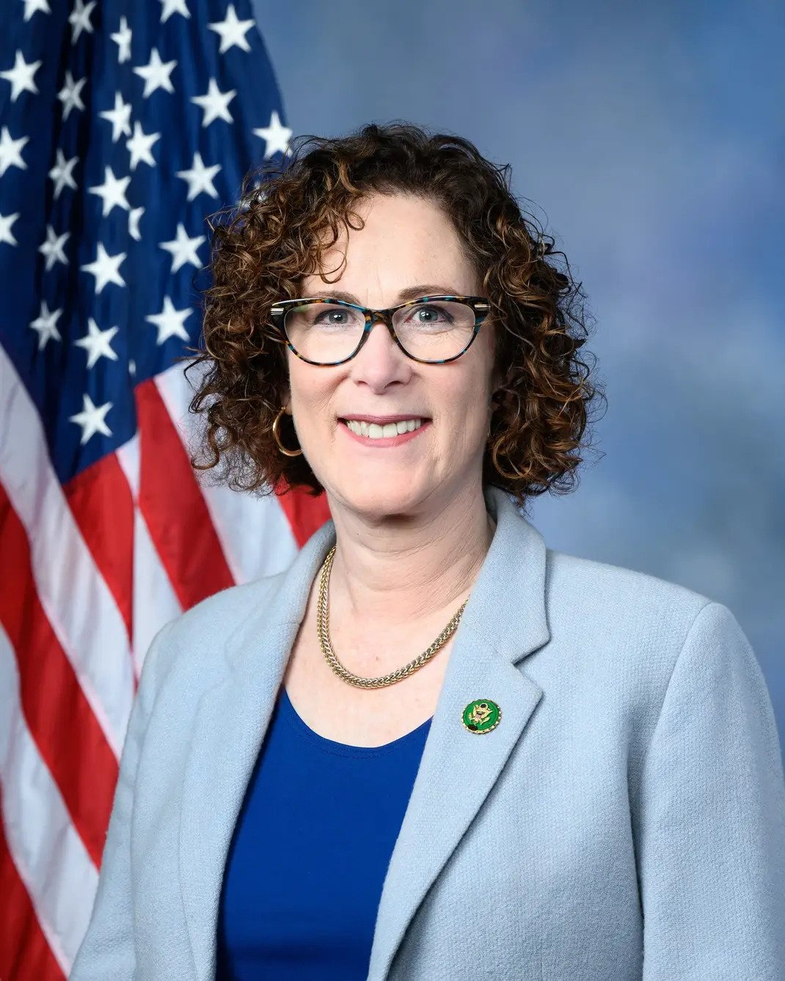
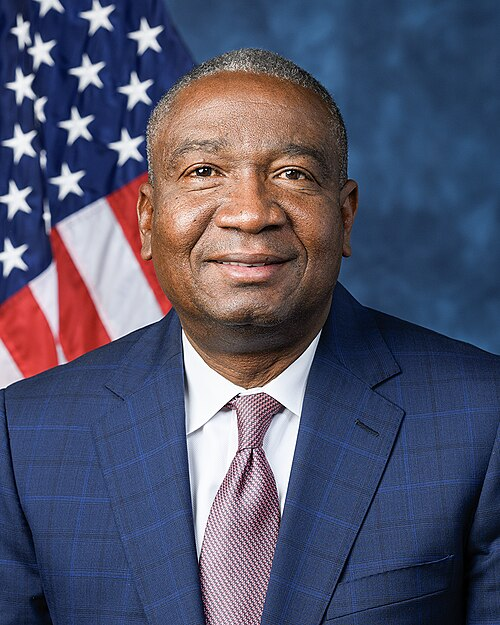
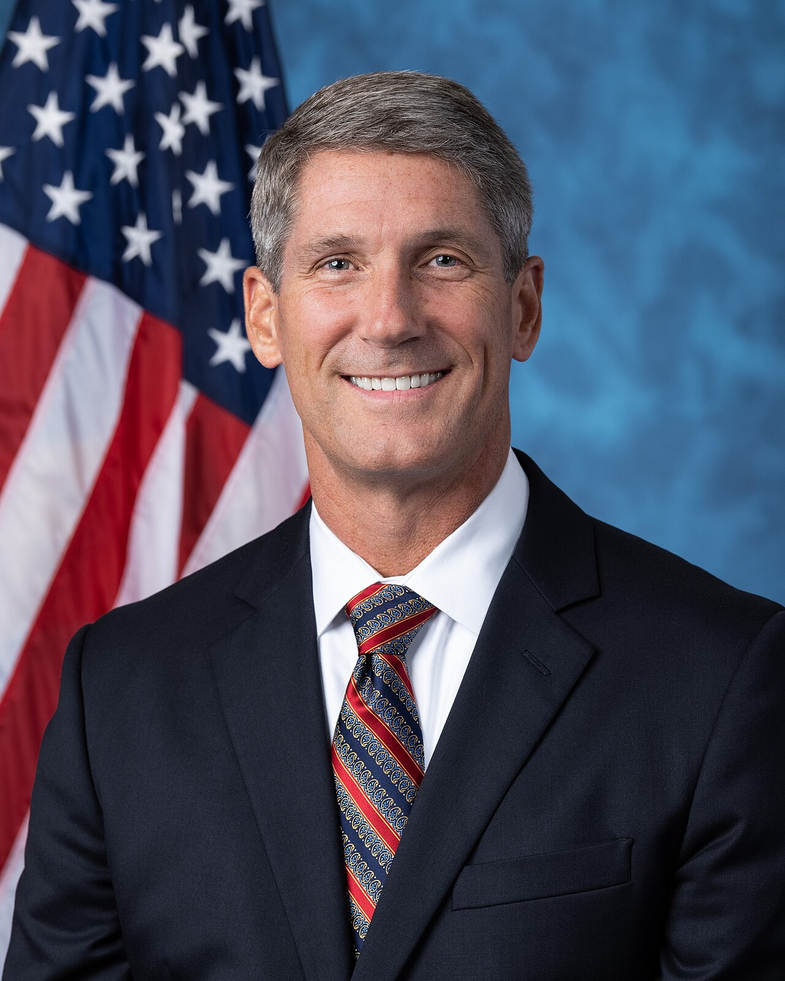
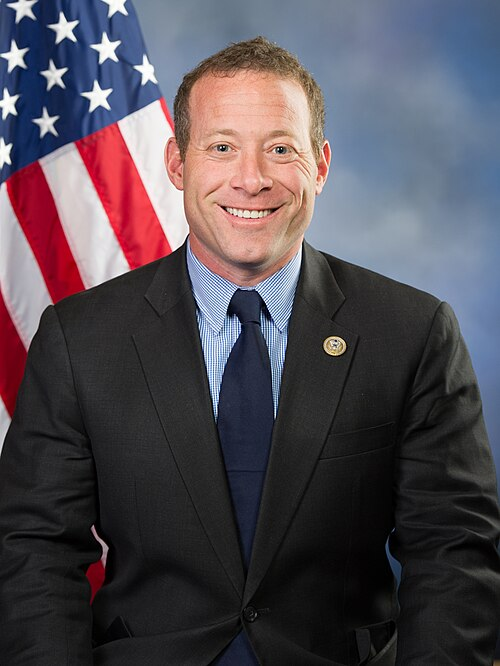
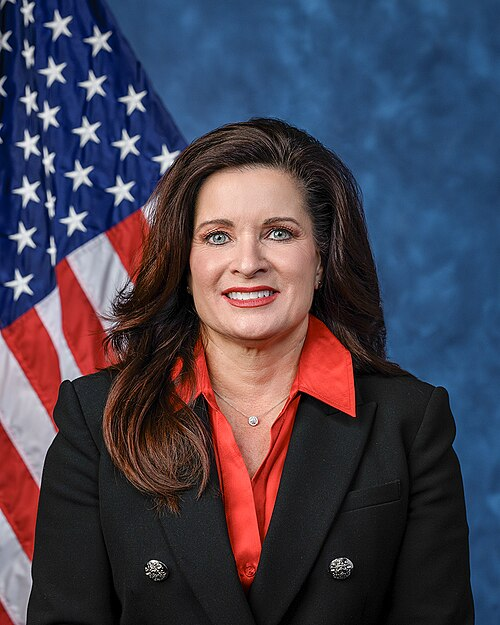
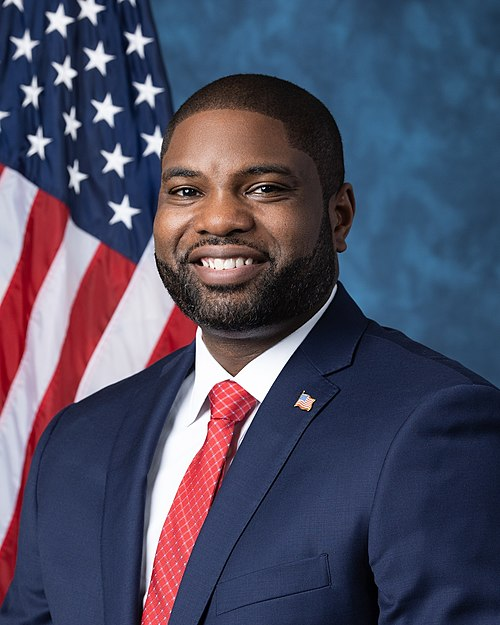
4 bill sponsors

Actions
16 actions
| Date | Action |
|---|---|
| Sep. 16, 2026 | Considered under suspension of the rules. |
| Sep. 16, 2026 | DEBATE - The House proceeded with forty minutes of debate on H.R. 7436. |
| Sep. 16, 2026 | Motion to reconsider laid on the table Agreed to without objection. |
| Sep. 16, 2026 | Mr. Van Epps moved to suspend the rules and pass the bill, as amended. |
| Sep. 16, 2026 | On motion to suspend the rules and pass the bill, as amended Agreed to by voice vote. |
| Sep. 16, 2026 | Passed/agreed to in House: On motion to suspend the rules and pass the bill, as amended Agreed to by voice vote. |
| Sep. 16, 2026 | Received in the Senate and Read twice and referred to the Committee on Homeland Security and Governmental Affairs. |
| Sep. 14, 2026 | Placed on the Union Calendar, Calendar No. 714. |
| Sep. 14, 2026 | Reported (Amended) by the Committee on Homeland Security. H. Rept. 119-815. |
| Jun. 24, 2026 | Committee Consideration and Mark-up Session Held |
| Jun. 24, 2026 | Ordered to be Reported (Amended) by the Yeas and Nays: 30 - 0. |
| May. 14, 2026 | Forwarded by Subcommittee to Full Committee by Voice Vote. |
| May. 14, 2026 | Subcommittee Consideration and Mark-up Session Held |
| Feb. 10, 2026 | Referred to the Subcommittee on Counterterrorism and Intelligence. |
| Feb. 09, 2026 | Introduced in House |
| Feb. 09, 2026 | Referred to the House Committee on Homeland Security. |
Corporate Lobbying
0 companies lobbying
None found.
* Note that there can be significant delays in lobbying disclosures, and our data may be incomplete.