H.R. 7390: Safely Ensuring Lives Future Deployment and Research In Vehicle Evolution Act of 2026
This bill, known as the **Safely Ensuring Lives Future Deployment and Research In Vehicle Evolution Act of 2026** or **SELF DRIVE Act of 2026**, aims to establish regulatory frameworks and safety standards for vehicles equipped with automated driving systems (ADS). The primary goals are to enhance road safety, foster the development of autonomous vehicles, improve mobility and accessibility, and maintain the United States' leadership in the automotive industry. Here are the main components of the bill:
Purpose
The bill is designed to:
- Ensure that the U.S. remains a leader in autonomous vehicle technology.
- Improve overall safety of road use and public transportation.
- Support job creation through the development of new regulations and technologies related to automated driving.
New Safety Requirements
The legislation proposes new or revised safety standards for ADS-equipped vehicles, which include:
- Implementing safety cases that manufacturers must develop to ensure their vehicles will not pose an unreasonable risk of accidents.
- Definitions for various levels of driving automation (Levels 3-5), which determine how much control the vehicle has compared to a human driver.
- Requirements for manufacturers to conduct safety evaluations and submit detailed reports on their ADS technologies, including information on failure modes and performance under different conditions.
Testing and Evaluation
The bill allows for controlled testing of ADS vehicles, including limited commercial operations, whereby manufacturers can transport passengers or freight during testing phases. This aims to gather data and ensure the systems are safe before broader public deployment.
Reporting Requirements
A key aspect of the legislation is the establishment of a **National Automated Vehicle Safety Data Repository**, which will:
- Collect data from covered crashes involving ADS-equipped vehicles to analyze safety and performance.
- Require manufacturers to report certain information about crashes within specified time frames.
- Publish various statistics related to ADS performance for public safety analysis.
Cybersecurity Measures
The bill emphasizes the need for robust cybersecurity protocols within ADS to prevent unauthorized access and ensure vehicle safety. This includes:
- Establishing a written cybersecurity policy covering systems for detecting and responding to cyber threats.
- Mandating a risk assessment plan to prevent potential cyber risks affecting automotive safety.
State Authority and Compliance
While the bill sets federal standards, it maintains states' rights to regulate aspects like vehicle registration and traffic laws, as long as they do not conflict with federal regulations. States can enforce their laws, but they cannot impose additional requirements that would hinder the operation of ADS vehicles that comply with federal standards.
Exemptions and Regulations for Manual Controls
The legislation notes that certain ADS-dedicated vehicles may not require manually operated controls and can remain compliant with safety standards intended primarily for human drivers.
Review and Updates
The bill requires periodic reviews and improvements to regulations as technology evolves, ensuring safety standards remain up to date with advancements in ADS technology.
Relevant Companies
- TSLA - Tesla, Inc.: As a leader in electric vehicles and autonomous driving technology, Tesla will be significantly impacted as it must align its safety standards and reporting practices with the new regulations.
- GOOGL - Alphabet Inc.: Google's Waymo division, which focuses on automated driving systems, will likely need to adapt its testing and deployment strategies under the new safety regulations.
- GM - General Motors: As a traditional automaker with investments in automated vehicle technology, GM will need to comply with the new guidelines to ensure its ADS vehicles meet safety standards.
This is an AI-generated summary of the bill text. There may be mistakes.
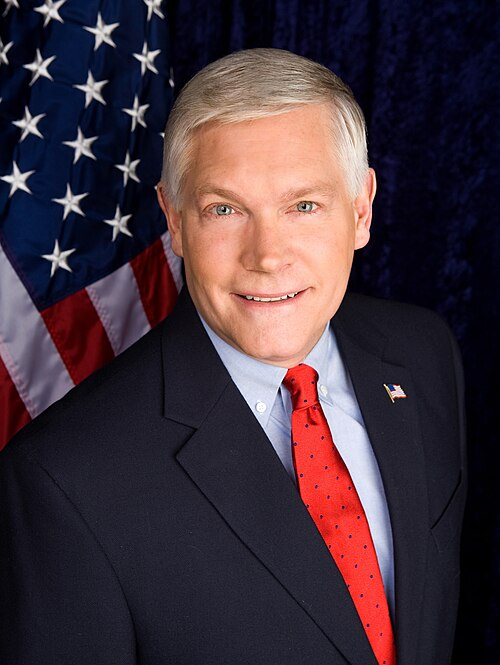
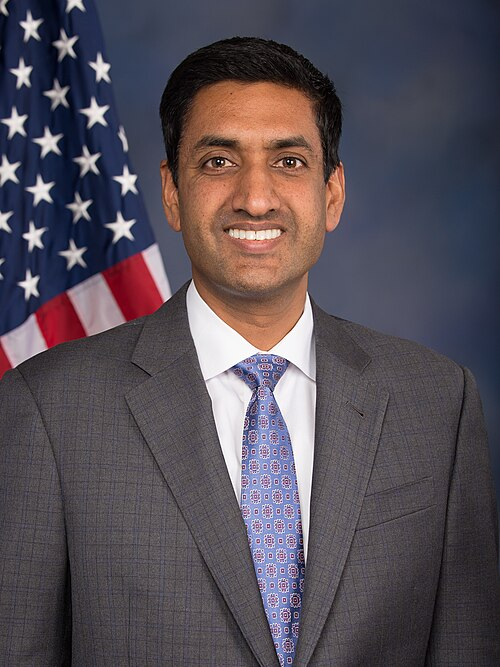
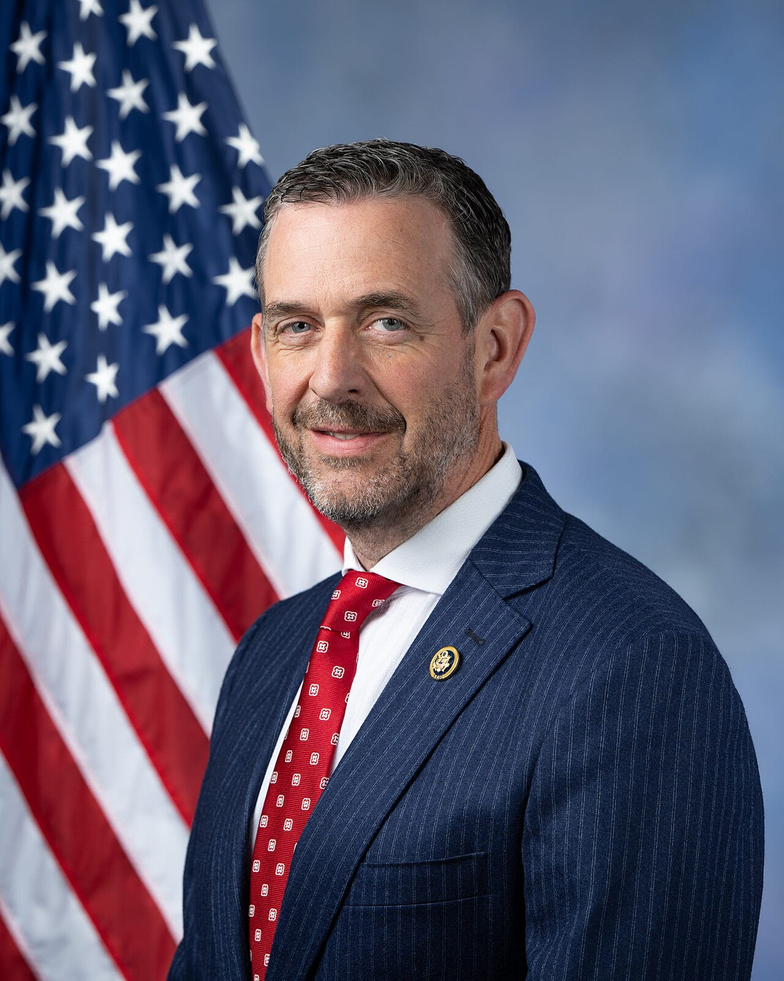
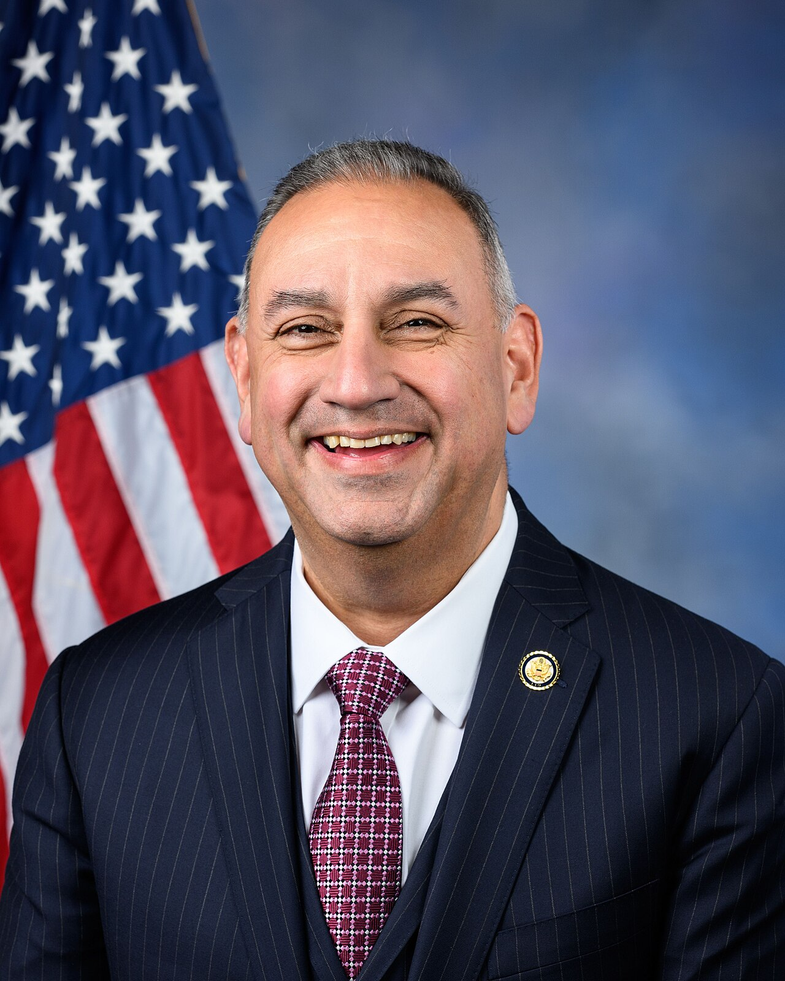
Sponsors
16 bill sponsors
-
TrackRobert E. Latta
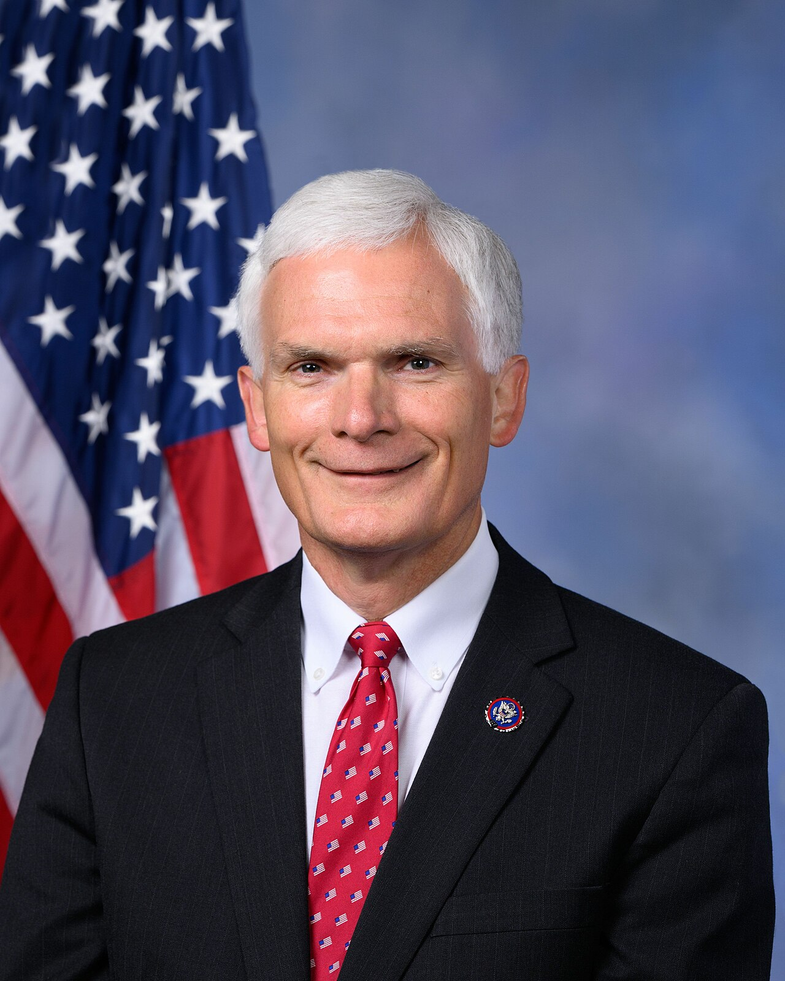
Sponsor
-
TrackTroy Balderson
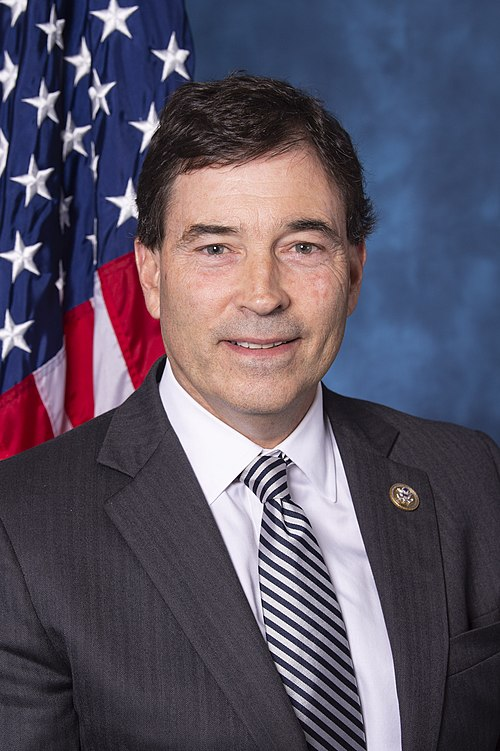
Co-Sponsor
-
TrackGus M. Bilirakis
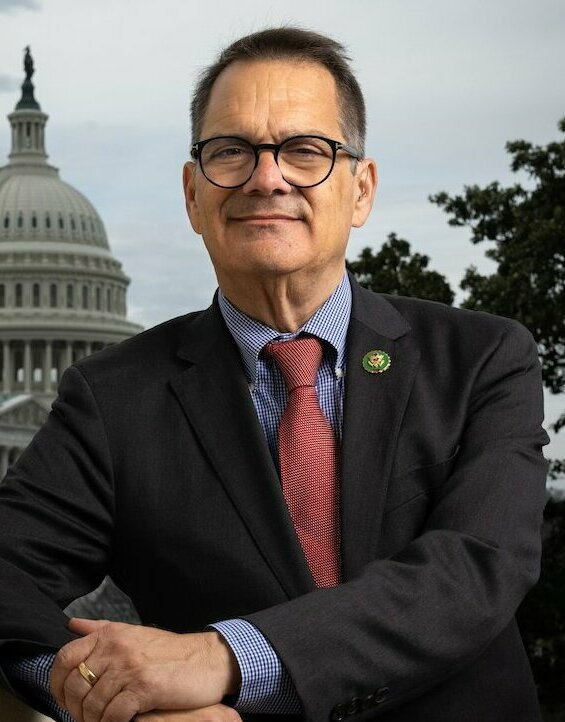
Co-Sponsor
-
TrackKat Cammack
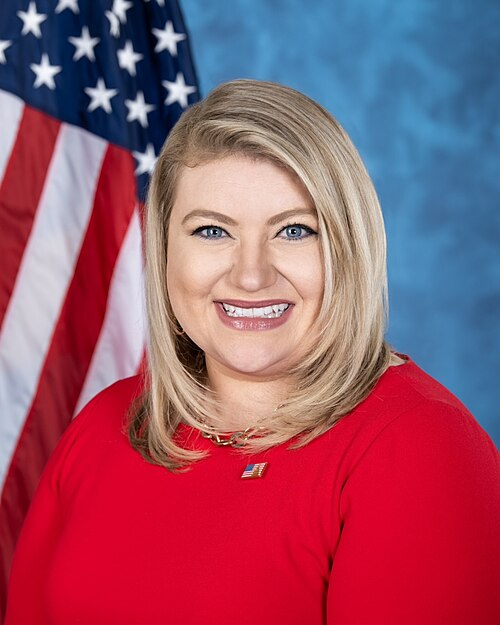
Co-Sponsor
-
TrackEarl L. "Buddy" Carter
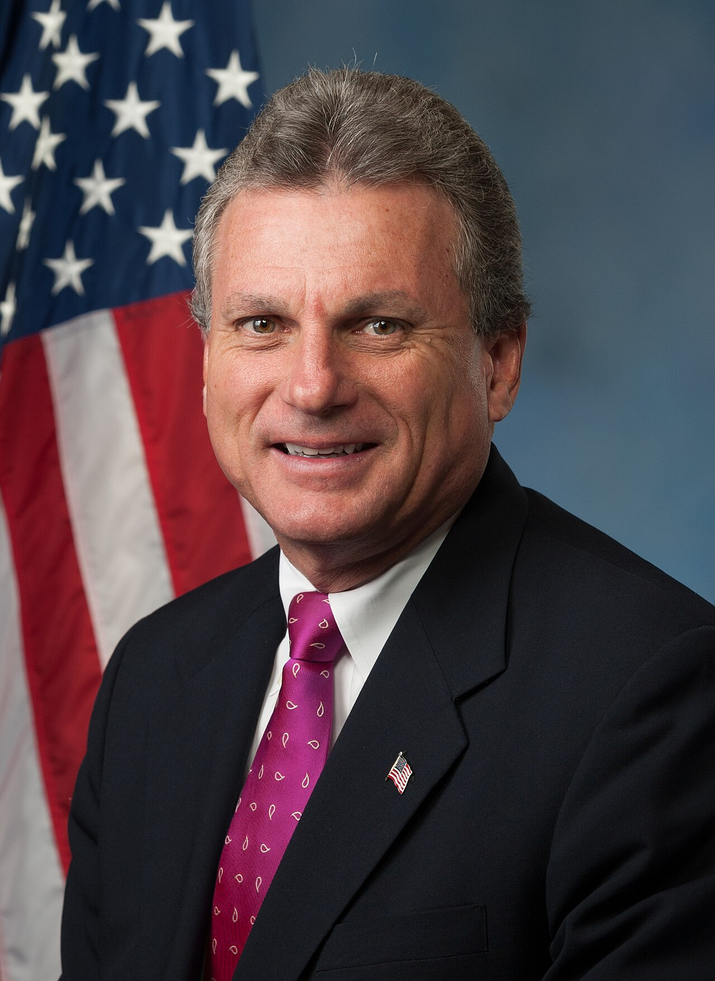
Co-Sponsor
-
TrackVince Fong
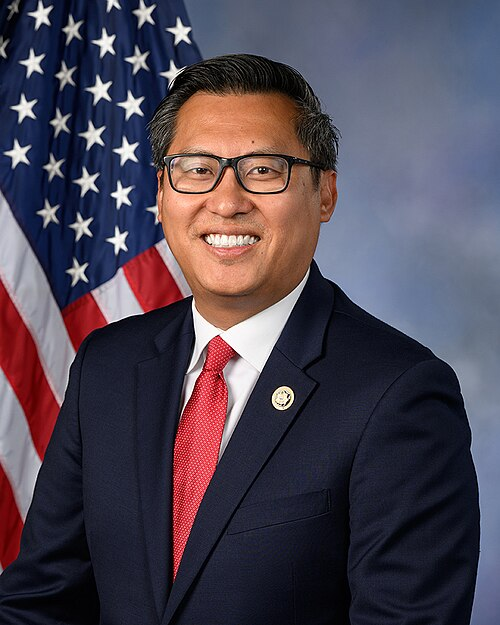
Co-Sponsor
-
TrackCraig Goldman
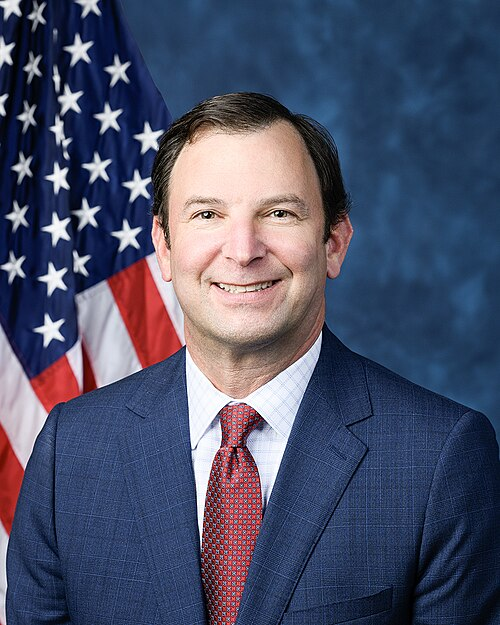
Co-Sponsor
-
TrackErin Houchin
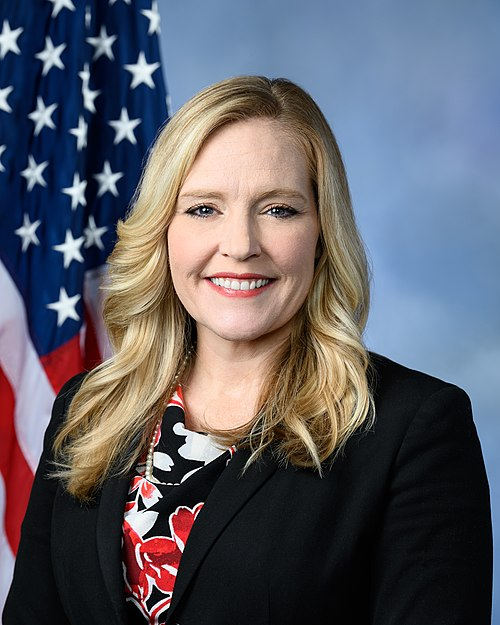
Co-Sponsor
-
TrackRichard Hudson
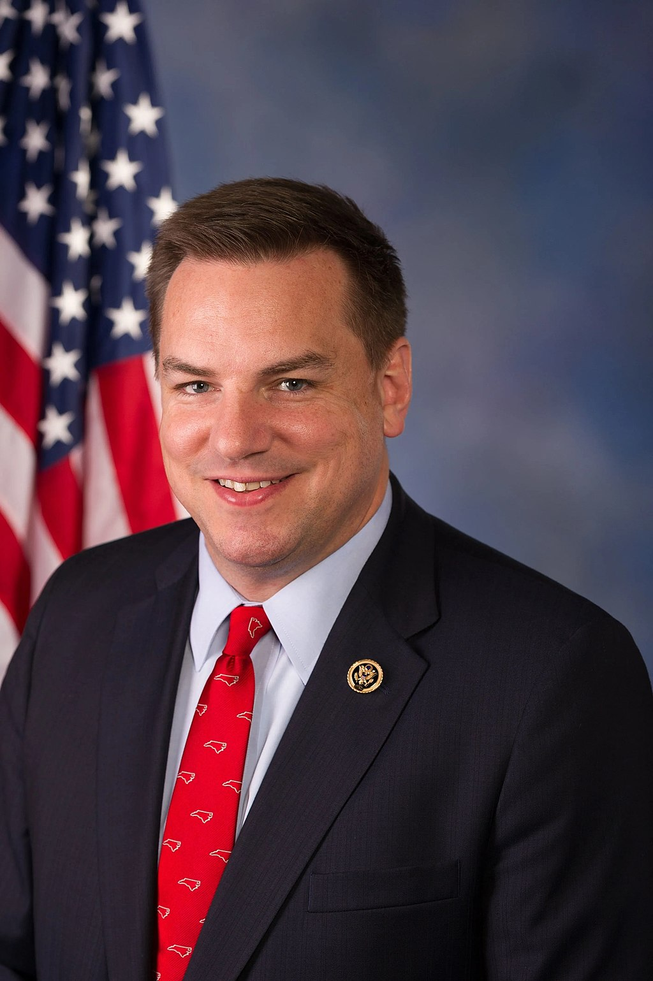
Co-Sponsor
-
TrackThomas H. Kean, Jr.
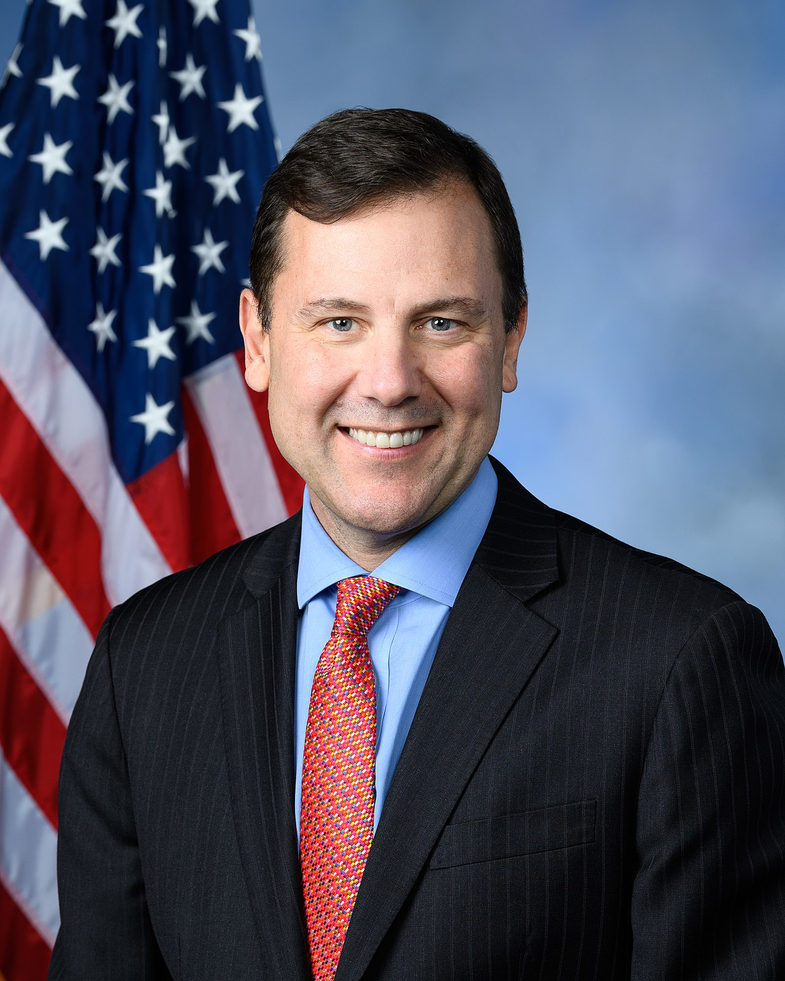
Co-Sponsor
-
TrackLaurel M. Lee
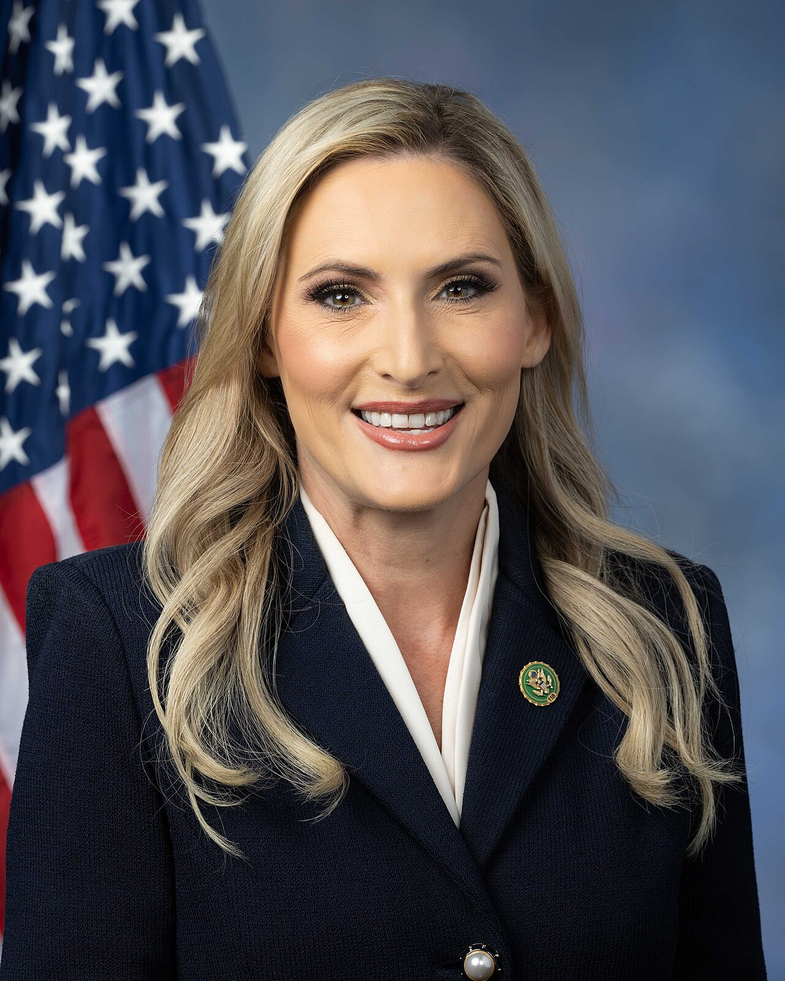
Co-Sponsor
-
TrackMariannette Miller-Meeks
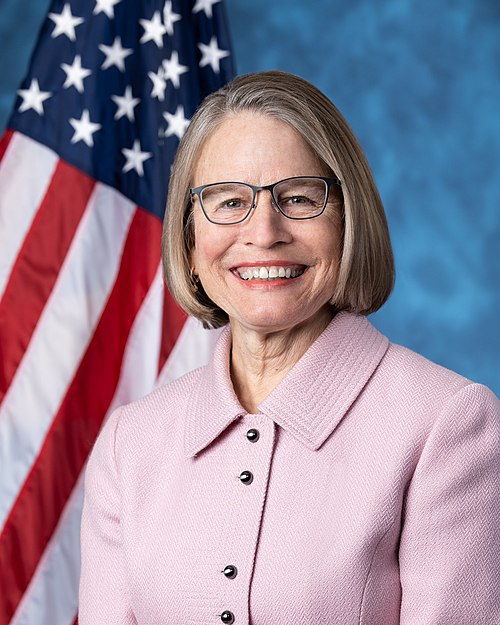
Co-Sponsor
-
TrackBurgess Owens
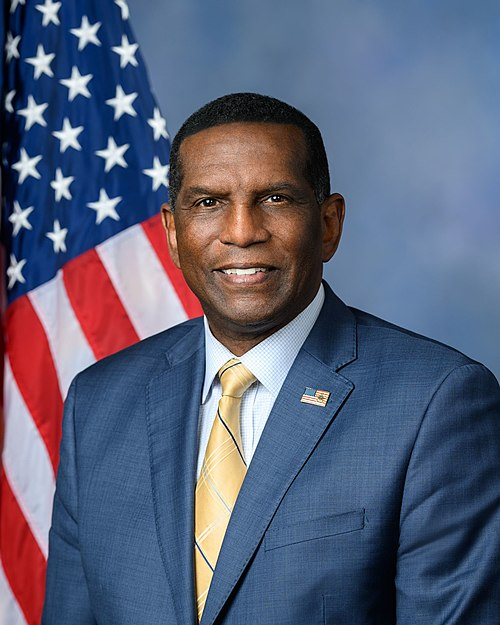
Co-Sponsor
-
TrackDavid Schweikert
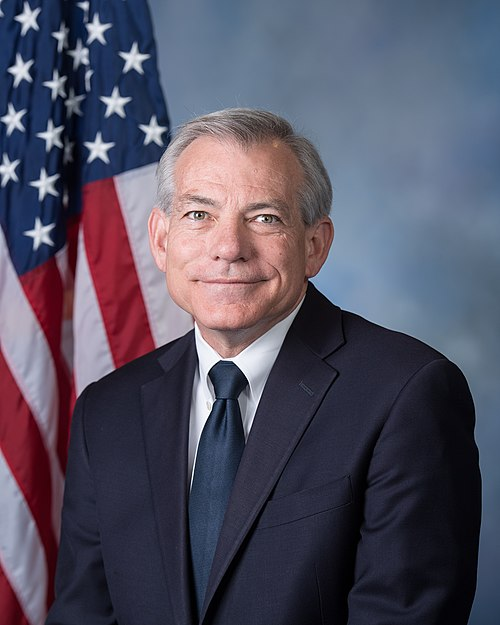
Co-Sponsor
-
TrackMatthew Van Epps

Co-Sponsor
-
TrackRandy K. Weber, Sr.
Co-Sponsor
Actions
5 actions
| Date | Action |
|---|---|
| Feb. 10, 2026 | Forwarded by Subcommittee to Full Committee by the Yeas and Nays: 12 - 11. |
| Feb. 10, 2026 | Subcommittee Consideration and Mark-up Session Held |
| Feb. 05, 2026 | Introduced in House |
| Feb. 05, 2026 | Referred to the Committee on Energy and Commerce, and in addition to the Committee on Foreign Affairs, for a period to be subsequently determined by the Speaker, in each case for consideration of such provisions as fall within the jurisdiction of the committee concerned. |
| Feb. 05, 2026 | Referred to the Subcommittee on Commerce, Manufacturing, and Trade. |
Corporate Lobbying
0 companies lobbying
None found.
* Note that there can be significant delays in lobbying disclosures, and our data may be incomplete.