H.R. 7375: End Prison Gerrymandering Act
This bill, titled the "End Prison Gerrymandering Act," aims to change how incarcerated individuals are counted in the United States Census. Currently, people who are incarcerated are counted as residents of the location of their correctional facility, which can skew population data and affect the political representation of communities. Here’s a summary of the key provisions of the bill:
Residence Attribution
The bill proposes that starting with the 2030 Census, individuals who are incarcerated in any state, federal, county, or municipal correctional facility (including youth detention centers) will be counted as residents of their last usual place of residence before their incarceration. This means that when the Census is conducted, the data will reflect where these individuals lived prior to being imprisoned instead of where they are currently incarcerated.
Impact on Congressional Redistricting
Additionally, the bill establishes that for the purposes of redistricting congressional districts, the last usual place of residence of incarcerated individuals will be considered their official residence. States will be required to use this information in drawing district lines, potentially leading to more accurate representation reflecting the actual population distribution of residents in those areas.
Amendments to Existing Laws
The bill amends Section 141 of Title 13 of the United States Code, which deals with the census and how populations are organized. It also adds a new subsection to existing legislation related to congressional apportionment to clarify how the data regarding incarcerated individuals should be treated for redistricting purposes.
Overall Goals
The primary goals of the legislation are:
- To provide a more accurate representation of populations in communities affected by incarceration.
- To diminish the effects of gerrymandering that may arise from counting incarcerated individuals at their prison locations.
- To ensure that political representation reflects the demographics of local communities, enhancing fairness in the electoral process.
Implementation Timeline
The proposed changes would take effect during the next decennial census, specifically beginning with the 2030 Census. This sets a timeline for states and local jurisdictions to prepare for adjustment in how they count and represent their populations.
The legislation has been introduced in the House of Representatives, and it has been referred to relevant committees for further consideration and discussion.
Relevant Companies
None found.
This is an AI-generated summary of the bill text. There may be mistakes.
Sponsors
12 bill sponsors
-
TrackDeborah K. Ross

Sponsor
-
TrackDonald S. Beyer, Jr.

Co-Sponsor
-
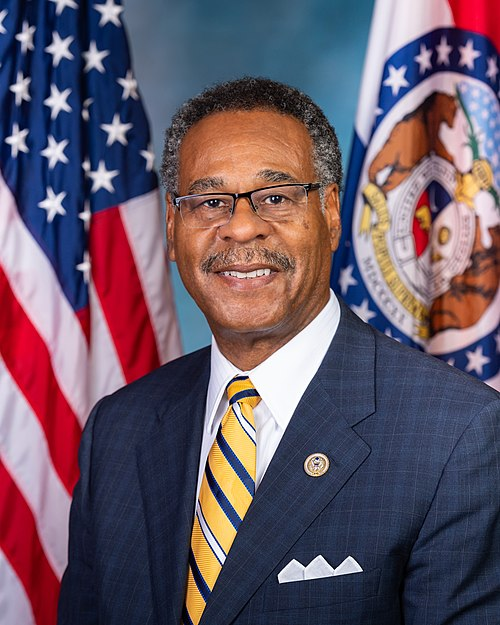
TrackEmanuel Cleaver
Co-Sponsor
-
TrackMadeleine Dean

Co-Sponsor
-
TrackChristopher R. Deluzio

Co-Sponsor
-
TrackJesús G. "Chuy" García

Co-Sponsor
-
TrackSummer L. Lee

Co-Sponsor
-
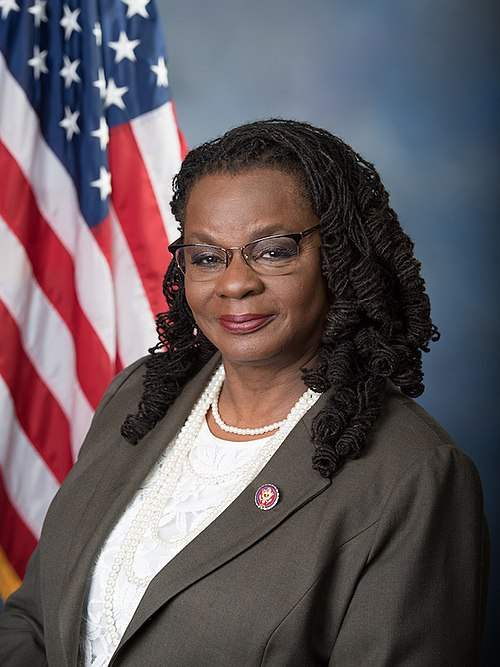
TrackGwen Moore
Co-Sponsor
-
TrackEleanor Holmes Norton

Co-Sponsor
-
TrackMark Pocan

Co-Sponsor
-
TrackEmilia Strong Sykes

Co-Sponsor
-
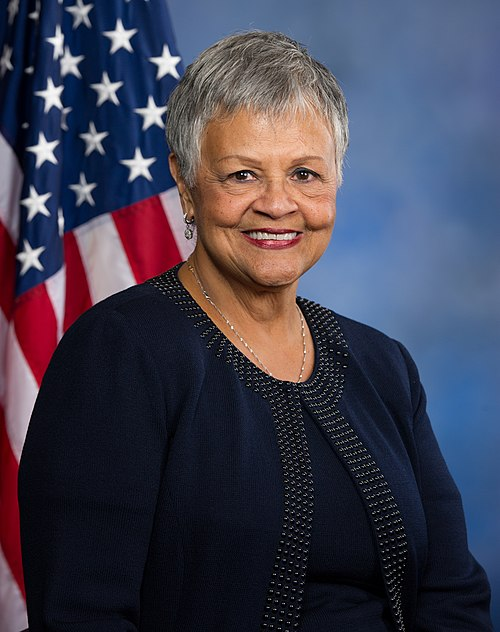
TrackBonnie Watson Coleman
Co-Sponsor
Actions
2 actions
| Date | Action |
|---|---|
| Feb. 04, 2026 | Introduced in House |
| Feb. 04, 2026 | Referred to the Committee on Oversight and Government Reform, and in addition to the Committee on the Judiciary, for a period to be subsequently determined by the Speaker, in each case for consideration of such provisions as fall within the jurisdiction of the committee concerned. |
Corporate Lobbying
0 companies lobbying
None found.
* Note that there can be significant delays in lobbying disclosures, and our data may be incomplete.
Potentially Relevant Congressional Stock Trades
No relevant congressional stock trades found.