H.R. 7372: Safety is Not For Sale Act
This bill, titled the Safety is Not For Sale Act, aims to enhance vehicle safety by ensuring that optional safety features are distinct and accessible to consumers when purchasing or leasing a motor vehicle. The key provisions of the bill include:
Prohibition on Sales Practices
- Dealers are prohibited from offering optional safety features bundled with non-safety features. Instead, they must either sell these safety features separately or include them as standard equipment.
- When offering optional safety features, dealers are required to clearly disclose the costs of these features separately from any non-safety features, ensuring consumers know exactly what they are paying for.
Effective Date
The prohibition on such sales practices will take effect 180 days after the bill is enacted into law.
Enforcement
- The Federal Trade Commission (FTC) will have the authority to enforce these provisions as violations of unfair or deceptive acts and practices under existing law.
- If a dealer does not comply with the rules outlined in this bill, the FTC can take action against them, ensuring adherence to these regulations.
State Involvement
- State attorneys general will have the ability to bring civil actions if they believe that residents' interests are negatively impacted by violations of the bill’s provisions. This includes seeking to stop the unlawful practices and potentially obtaining penalties or damages for affected residents.
- Before initiating such an action, state attorneys general must notify the FTC, allowing the Commission the opportunity to intervene in the case if it chooses to do so.
Definitions
The bill also provides specific definitions for key terms used throughout, including:
- Optional safety feature: A feature that enhances safety but is not standard in all vehicle models.
- Non-safety feature: Any optional equipment that does not contribute to the safety of the vehicle.
- Standard model equipment: Equipment that comes installed universally across a specific vehicle model.
Additional Authority and Limitations
- The bill does not limit the FTC's authority under other laws; they retain their broad regulatory powers.
- If the FTC or the U.S. Attorney General is pursuing a federal action against a dealer for violations of the bill, states cannot initiate their own actions against the same dealer for the same violations until the federal case is resolved.
- States can recover legal costs and fees if they successfully prevail in a civil action under the bill's provisions.
Objective
The primary goal of the Safety is Not For Sale Act is to make sure that consumers can easily access and understand the costs related to essential safety features without being misled or pressured to purchase additional, unnecessary features at the same time.
Relevant Companies
- Ford Motor Company (F) - As a major manufacturer of vehicles, Ford would need to reassess its sales practices in light of the bill’s requirements.
- Toyota Motor Corporation (TM) - Toyota, another prominent automaker, may have to adjust how they bundle and market safety features in their vehicles.
- General Motors Company (GM) - GM could face changes in compliance procedures and sales strategies based on the new regulations regarding optional safety features.
This is an AI-generated summary of the bill text. There may be mistakes.
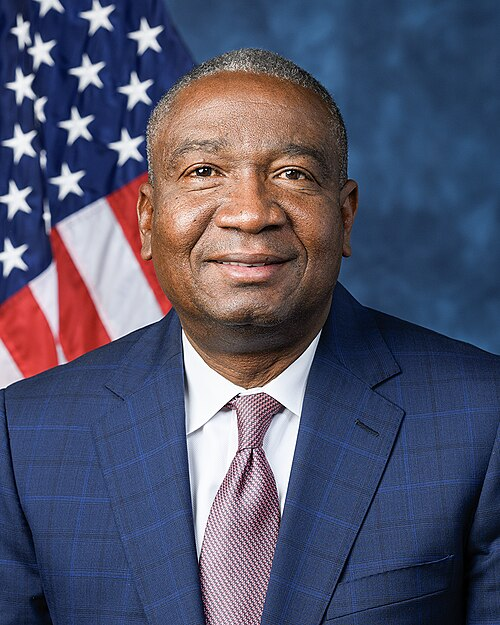
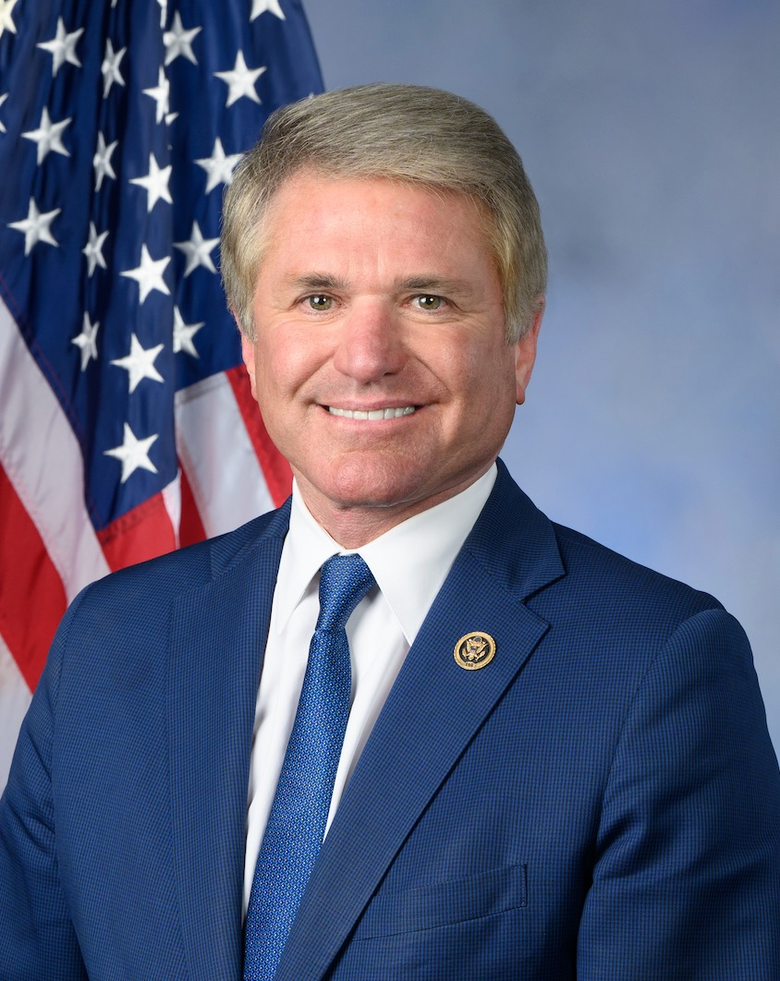
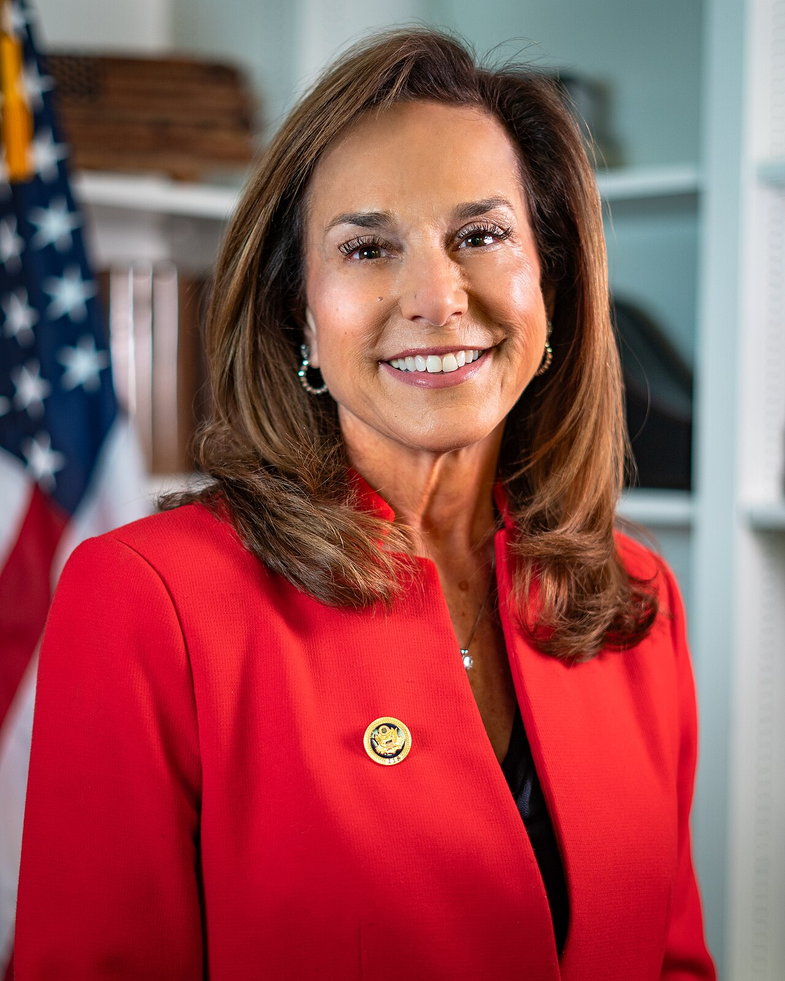
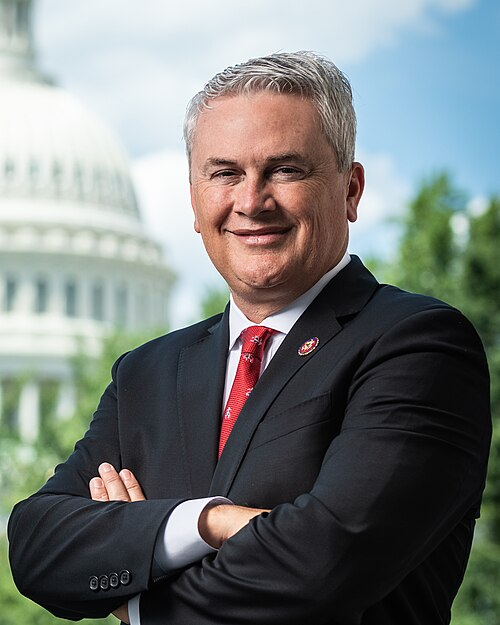
Sponsors
1 sponsor

Actions
5 actions
| Date | Action |
|---|---|
| Feb. 10, 2026 | Forwarded by Subcommittee to Full Committee by Voice Vote. |
| Feb. 10, 2026 | Subcommittee Consideration and Mark-up Session Held |
| Feb. 04, 2026 | Introduced in House |
| Feb. 04, 2026 | Referred to the House Committee on Energy and Commerce. |
| Feb. 04, 2026 | Referred to the Subcommittee on Commerce, Manufacturing, and Trade. |
Corporate Lobbying
0 companies lobbying
None found.
* Note that there can be significant delays in lobbying disclosures, and our data may be incomplete.