H.R. 7367: TANF Hygiene Access Act
This legislation, known as the TANF Hygiene Access Act, aims to create a pilot program focused on helping low-income households access essential hygiene materials. The primary goal is to test innovative ways of using funds and methods to improve hygiene access. Below are the key components of what the bill would do:
Establishment of a Demonstration Program
The Secretary of Health and Human Services, through the Office of Family Assistance, is tasked to conduct a demonstration program to explore how to better provide hygiene materials to low-income families.
Definition of Hygiene Materials
The bill defines "hygiene materials" to include products such as:
- Soap
- Deodorant
- Toothpaste and toothbrushes
- Toilet paper
- Feminine hygiene products
- Shampoo
- Diapers and baby wipes
- Postpartum pads
- Antibacterial hand soap
- Laundry detergent
- Dish soap
The Secretary may also decide on other products related to hygiene as needed.
Grant Applications
Eligible entities, such as state governments, Indian tribes, or tribal organizations, can apply for grants to participate in this program. The applications will be reviewed and awarded on a competitive basis. Key factors considered during the application review include:
- The design strength of the proposed hygiene initiative
- The capacity to serve the targeted population
- Partnerships with organizations experienced in distributing hygiene items
- Evaluation readiness of the initiative
- Cost-effectiveness
- Past performance in similar programs
- Geographic diversity
Grant Use and Administration
Grants awarded can only be used to provide hygiene materials directly to low-income households. Administrative costs for these grants are capped at 15% of the total grant amount. The Secretary is responsible for ensuring that the initiative serves a significant number of households in need.
Reporting and Evaluation
Entities receiving grants are required to submit performance reports to the Secretary. These reports must include details such as:
- The geographic area served
- The number of families served
- The quantity of hygiene materials distributed
- The frequency of distributions
Funding Provisions
The bill allocates federal funding as follows:
- $25 million for the first fiscal year post-enactment
- $30 million for each of the second and third fiscal years
- $32.5 million for each of the fourth and fifth fiscal years
This funding will be drawn from the U.S. Treasury's unappropriated funds.
Long-term Considerations
Before the end of the fifth fiscal year following the bill's enactment, the Secretary must submit a report to Congress evaluating the demonstration program and providing recommendations on the feasibility of rolling out a similar program on a larger scale.
Effective Date
The provisions of this act would take effect one year after the date of its enactment.
Relevant Companies
None found
This is an AI-generated summary of the bill text. There may be mistakes.
Sponsors
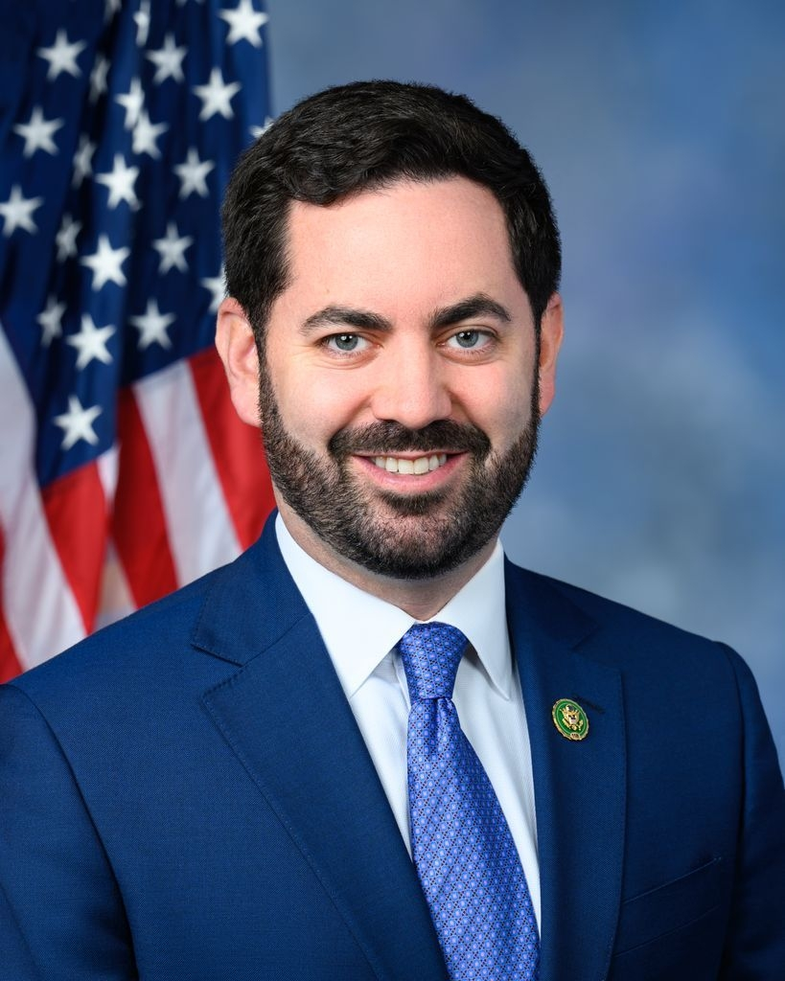
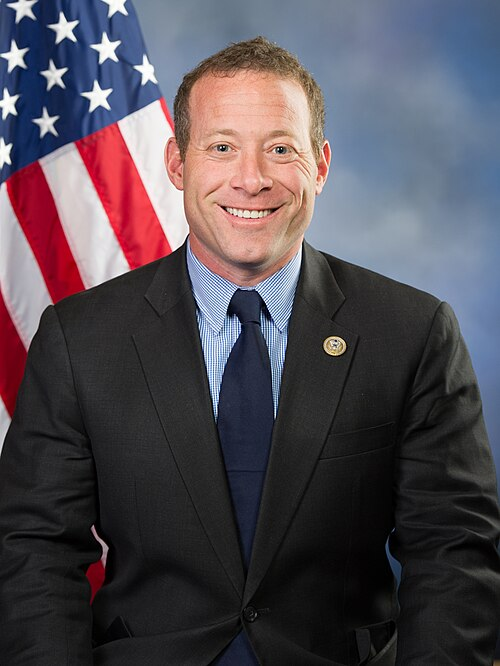
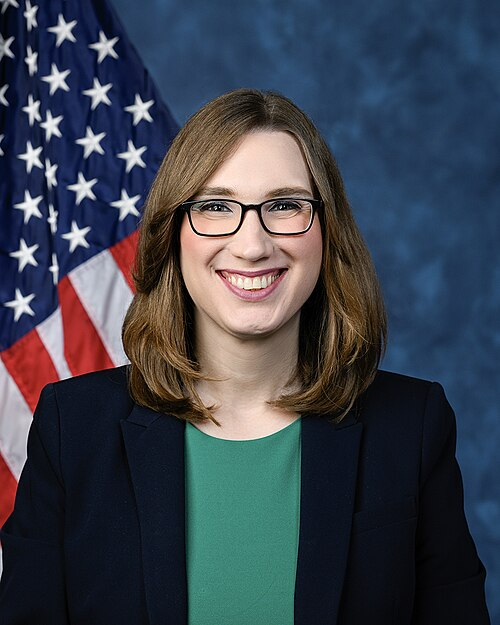
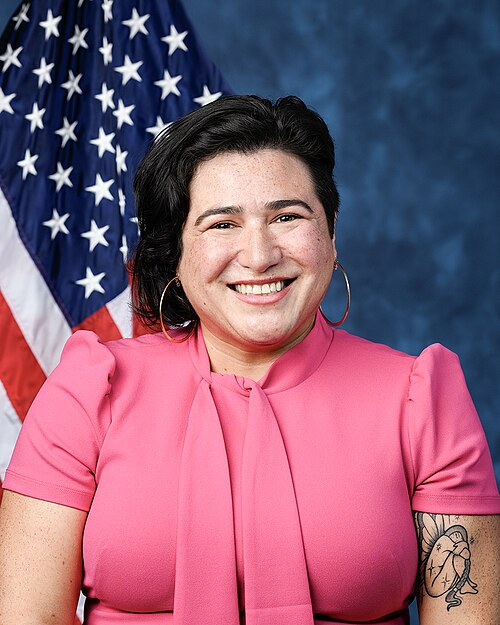
4 bill sponsors
Actions
2 actions
| Date | Action |
|---|---|
| Feb. 04, 2026 | Introduced in House |
| Feb. 04, 2026 | Referred to the House Committee on Energy and Commerce. |
Corporate Lobbying
0 companies lobbying
None found.
* Note that there can be significant delays in lobbying disclosures, and our data may be incomplete.
Potentially Relevant Congressional Stock Trades
No relevant congressional stock trades found.