H.R. 7363: ICE Out of Our Faces Act
This bill, titled the "ICE Out of Our Faces Act," aims to restrict the use of biometric surveillance systems, specifically facial recognition technology, by certain U.S. immigration officials. It has several key provisions:
Definitions
The bill defines several terms related to biometric surveillance:
- Biometric surveillance system: Computer software that conducts real-time or recorded facial or other biometric recognition.
- Covered immigration officer: Individuals authorized to perform immigration enforcement, including employees of U.S. Customs and Border Protection (CBP) and U.S. Immigration and Customs Enforcement (ICE).
- Facial recognition: An automated process for identifying individuals based on facial characteristics or inferring information about their activities.
- Other biometric recognition: Processes that identify individuals based on characteristics such as gait or voice.
Prohibition on the Use of Biometric Surveillance
The bill makes it illegal for covered immigration officers to:
- Acquire, possess, access, or use any biometric surveillance system.
- Use information obtained from a biometric surveillance system operated by another entity.
Deletion of Biometric Data
Any data already collected by covered immigration officers through biometric surveillance systems must be deleted within 30 days after the enactment of this Act.
Judicial Investigations and Proceedings
- Admissibility: Information obtained in violation of this Act cannot be used in court, except in investigations or proceedings that involve a violation of this section.
- Right to Sue: Individuals harmed by violations of this Act have the right to sue the federal government in competent courts.
- State Enforcement: State attorneys general can file civil actions to protect residents from violations of this Act.
- Relief: If individuals win a suit, they may receive actual damages, punitive damages, attorneys' fees, and other appropriate relief.
Civil Penalties
Covered immigration officers who violate the provisions of this Act may face penalties such as retraining, suspension, or termination, in accordance with due process.
Rule of Construction
The bill clarifies that its provisions should not override any federal, state, or local laws unless there is a direct conflict with its restrictions.
Relevant Companies
None found.
This is an AI-generated summary of the bill text. There may be mistakes.
Sponsors
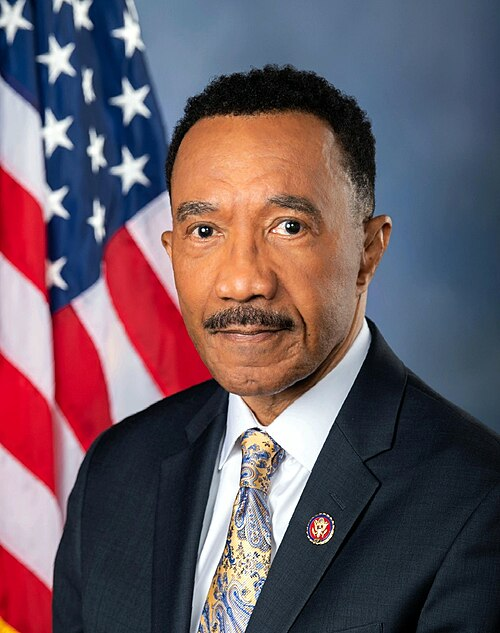
9 bill sponsors








Actions
3 actions
| Date | Action |
|---|---|
| Feb. 05, 2026 | Referred to the Subcommittee on Border Security and Enforcement. |
| Feb. 04, 2026 | Introduced in House |
| Feb. 04, 2026 | Referred to the Committee on the Judiciary, and in addition to the Committee on Homeland Security, for a period to be subsequently determined by the Speaker, in each case for consideration of such provisions as fall within the jurisdiction of the committee concerned. |
Corporate Lobbying
0 companies lobbying
None found.
* Note that there can be significant delays in lobbying disclosures, and our data may be incomplete.
Potentially Relevant Congressional Stock Trades
No relevant congressional stock trades found.