H.R. 7353: Magnus White and Safe Streets for Everyone Act of 2026
The Magnus White and Safe Streets for Everyone Act of 2026 aims to enhance safety features in light vehicles through the implementation of automatic emergency braking (AEB) systems. The primary focus of the bill includes the following key components:
1. Enhanced AEB Systems
The bill requires that automatic emergency braking systems in passenger vehicles be capable of functioning under a broader range of conditions. This includes:
- Daylight and Low Light Conditions: AEB systems must be effective not only in bright conditions but also in low light environments.
- Various Speeds: The systems should operate at all speeds as specified under the existing regulations for pedestrian AEB systems.
- Detection of Vulnerable Road Users: The AEB systems must be able to detect and respond to vulnerable road users such as pedestrians, bicyclists, and motorcyclists, taking into consideration diverse appearances and clothing.
2. Rulemaking Process
The Secretary of Transportation is mandated to initiate a rulemaking process to revise existing regulations concerning AEB systems. Key aspects of this process include:
- The initiation must take place no later than 180 days after the enactment of the bill.
- A final revised rule must be issued within two years from the initiation of the rulemaking process.
- The compliance date for this new rule must be no later than two years after the final rule is issued.
3. Definition of Vulnerable Road Users
The bill specifies what constitutes a "vulnerable road user," which includes:
- Pedestrians
- Bicyclists
- Motorcyclists
- Individuals traveling in wheelchairs
- Riders or occupants of other transport vehicles that do not have more than three wheels, such as all-terrain vehicles and tractors.
4. Compliance and Implementation Timeline
The legislation sets clear deadlines for the implementation of these enhanced AEB systems:
- The compliance deadline for the AEB systems is set for September 1, 2029.
- Any amendments made during the rulemaking process are restricted from changing the maximum operational speed of the automatic braking system as outlined in the existing regulations.
5. Goals of the Bill
The main objective of this legislation is to improve road safety, particularly for those most at risk in traffic scenarios. By ensuring that vehicles are equipped with advanced accident prevention technology, the bill aims to reduce the number of accidents involving vulnerable road users.
6. Broader Implications
By mandating these improvements, the bill addresses ongoing concerns regarding traffic fatalities and aims to create safer streets for all individuals, regardless of their mode of transportation.
Relevant Companies
- Ford Motor Company (F): As a major automaker, Ford will likely need to adapt its vehicle designs to comply with the new AEB standards being established by this bill.
- Tesla, Inc. (TSLA): Tesla, known for its advanced driver-assistance technologies, may have to update software and hardware to meet the new requirements outlined in the bill.
- General Motors Company (GM): GM will also be impacted, as it will need to ensure its vehicles meet the enhanced safety standards within the specified timelines.
This is an AI-generated summary of the bill text. There may be mistakes.
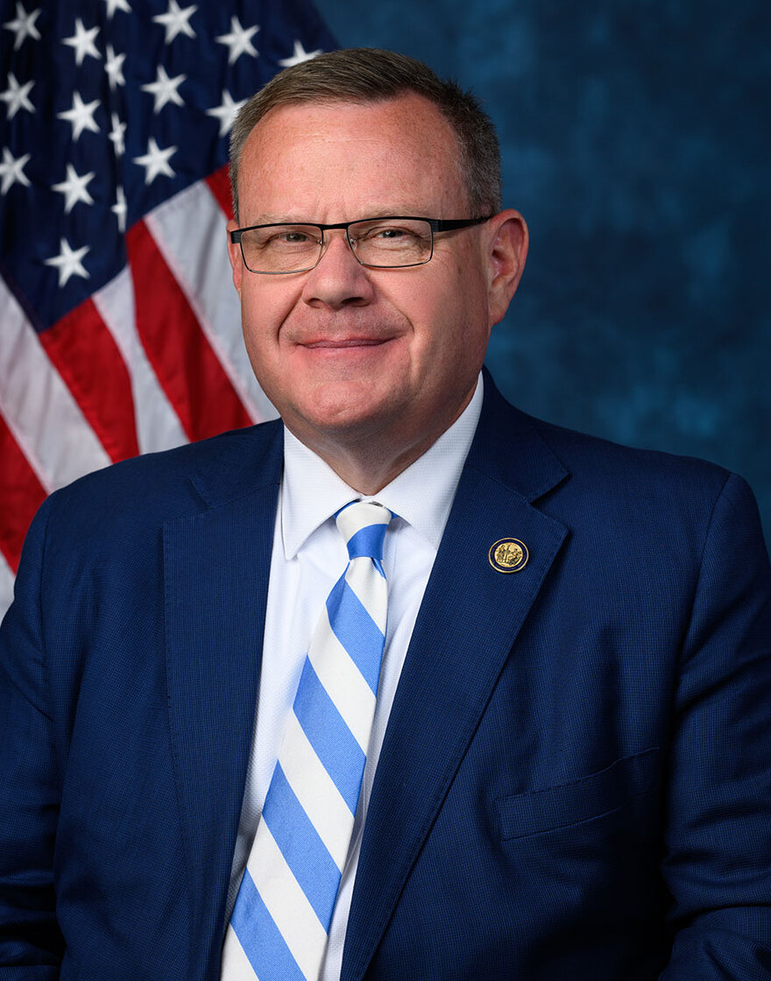
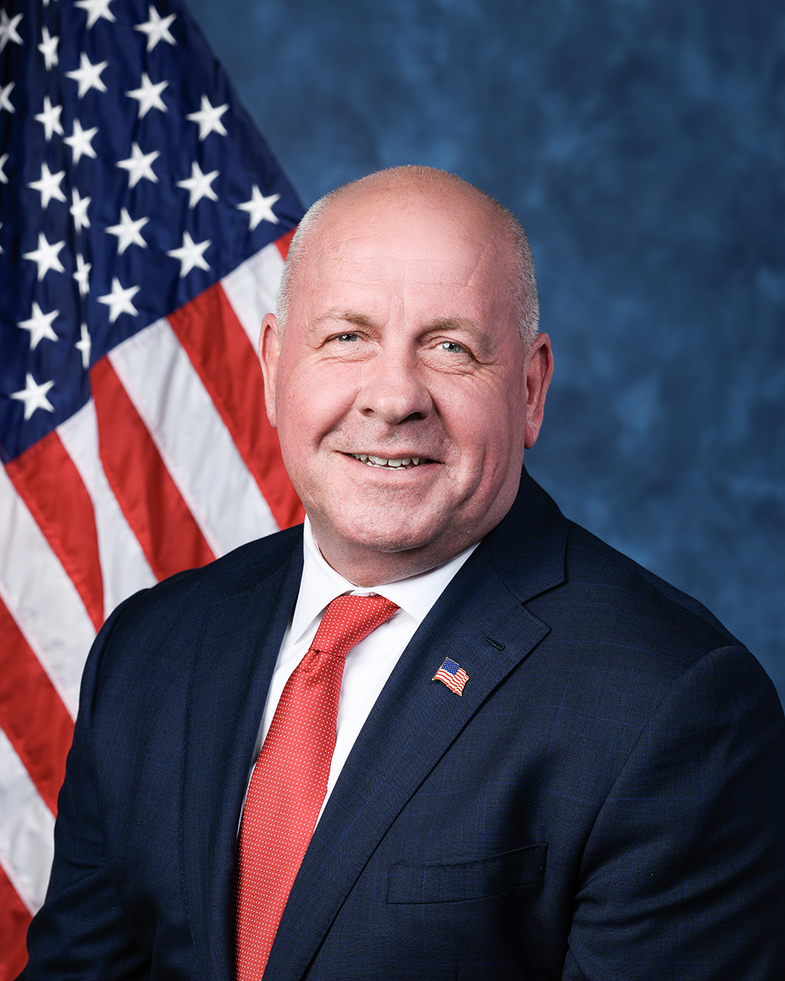
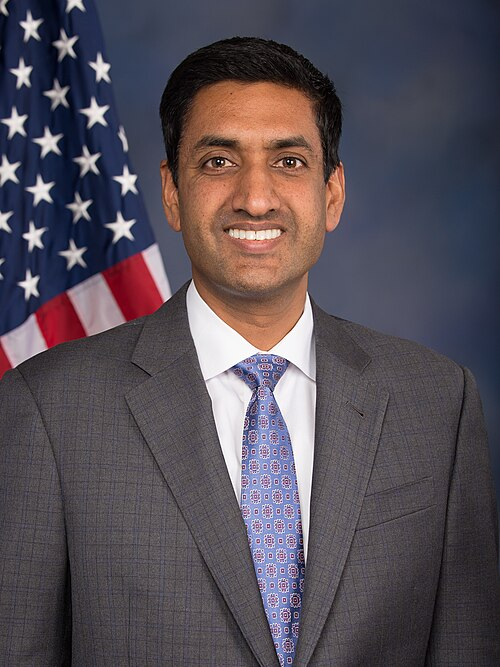
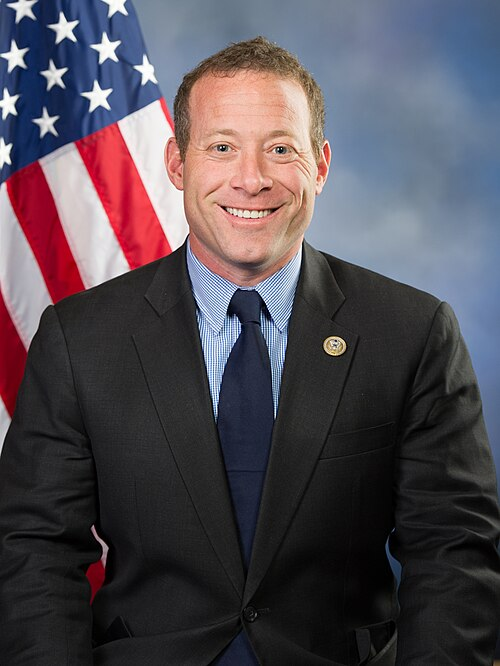
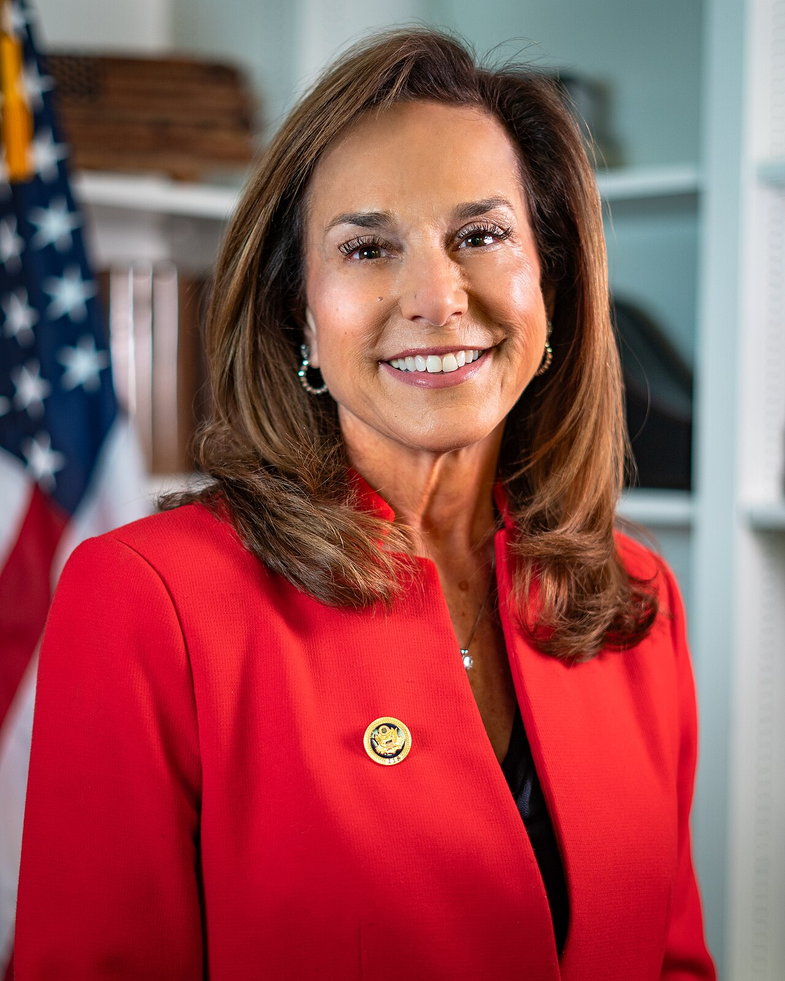
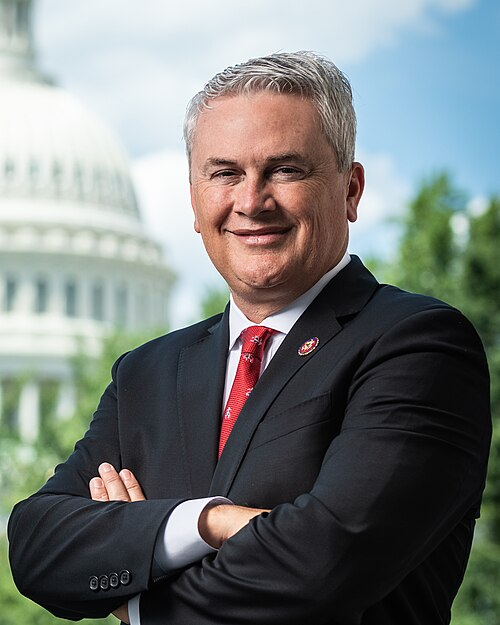
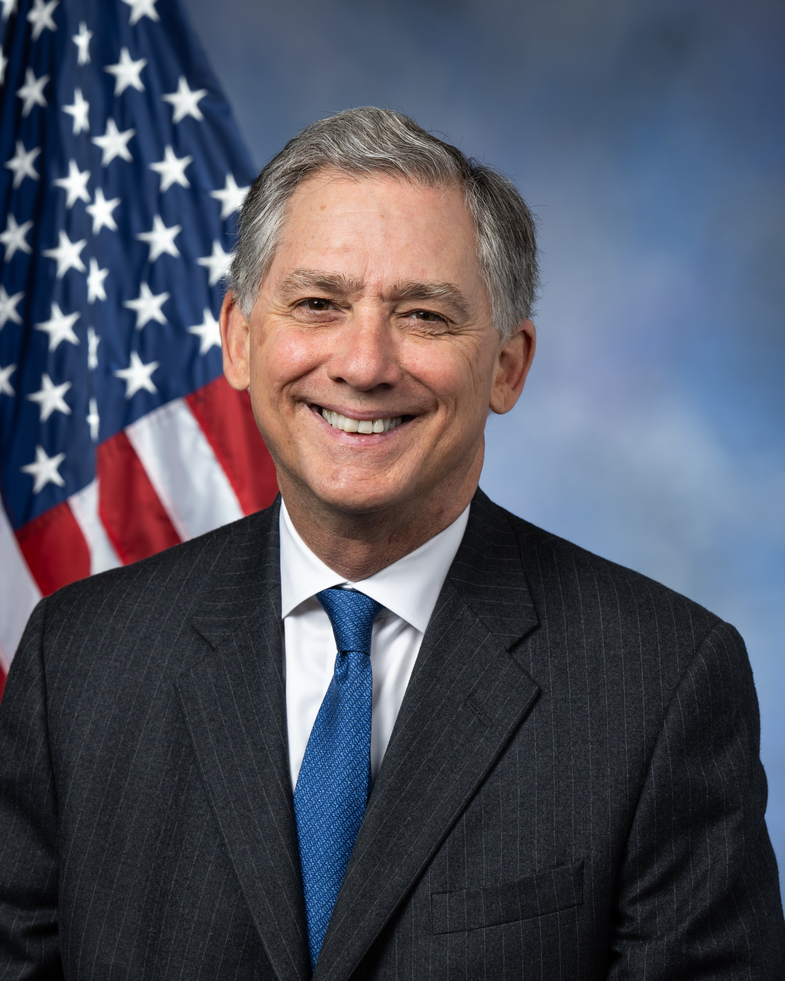
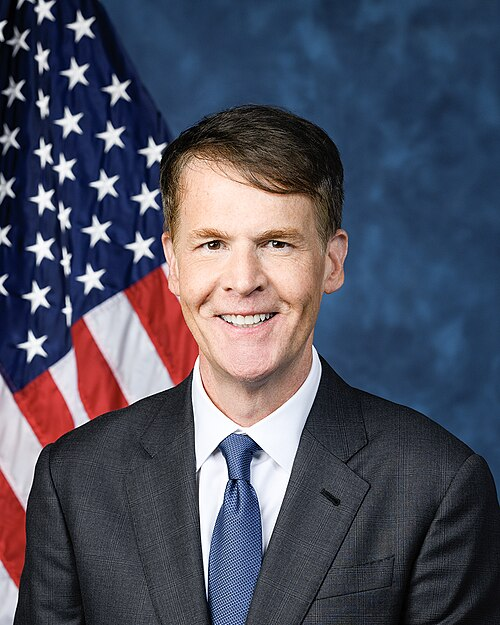
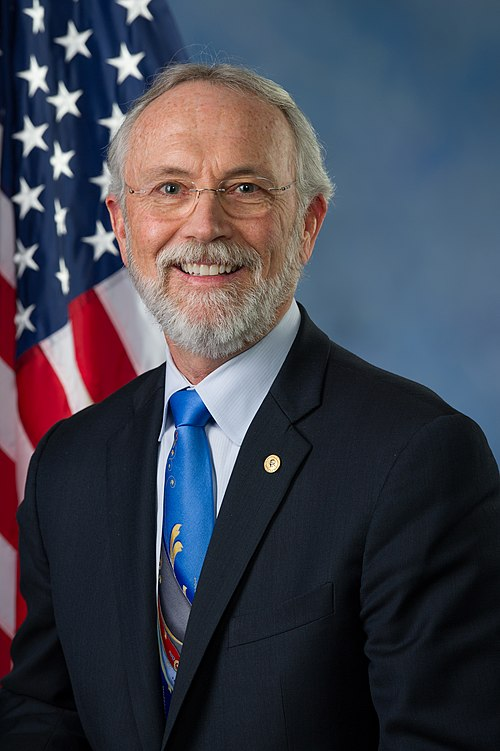
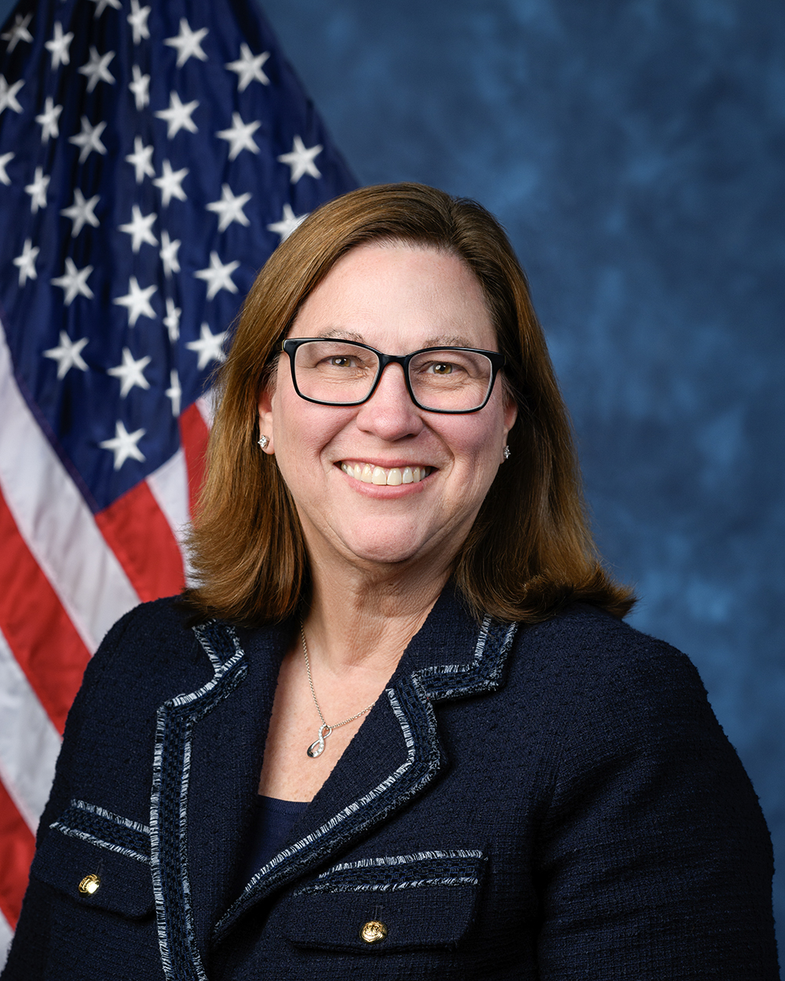
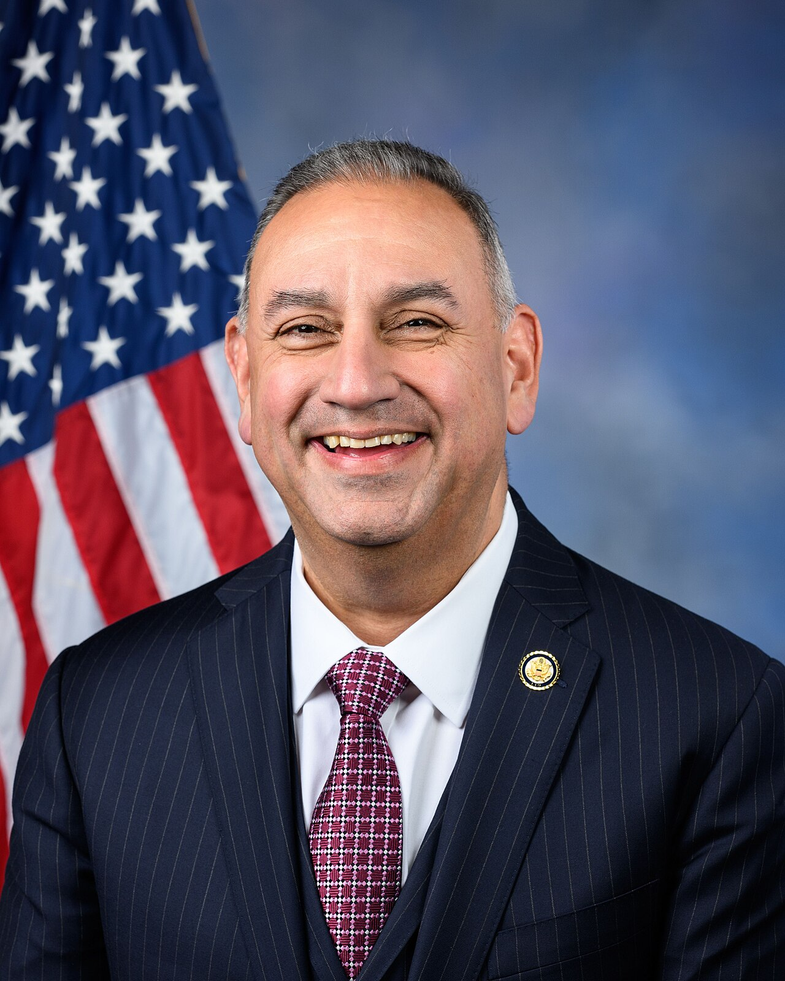
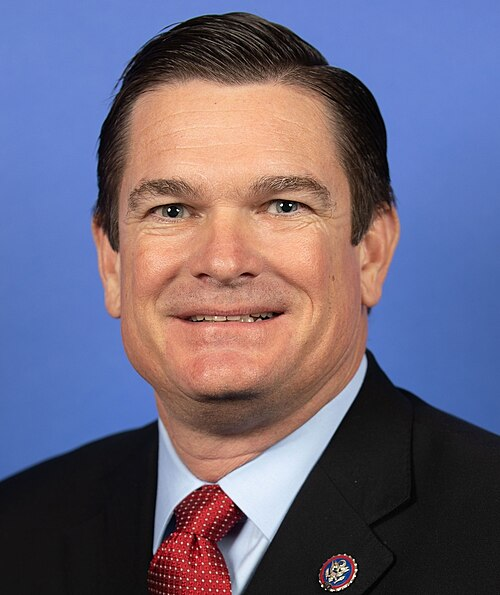
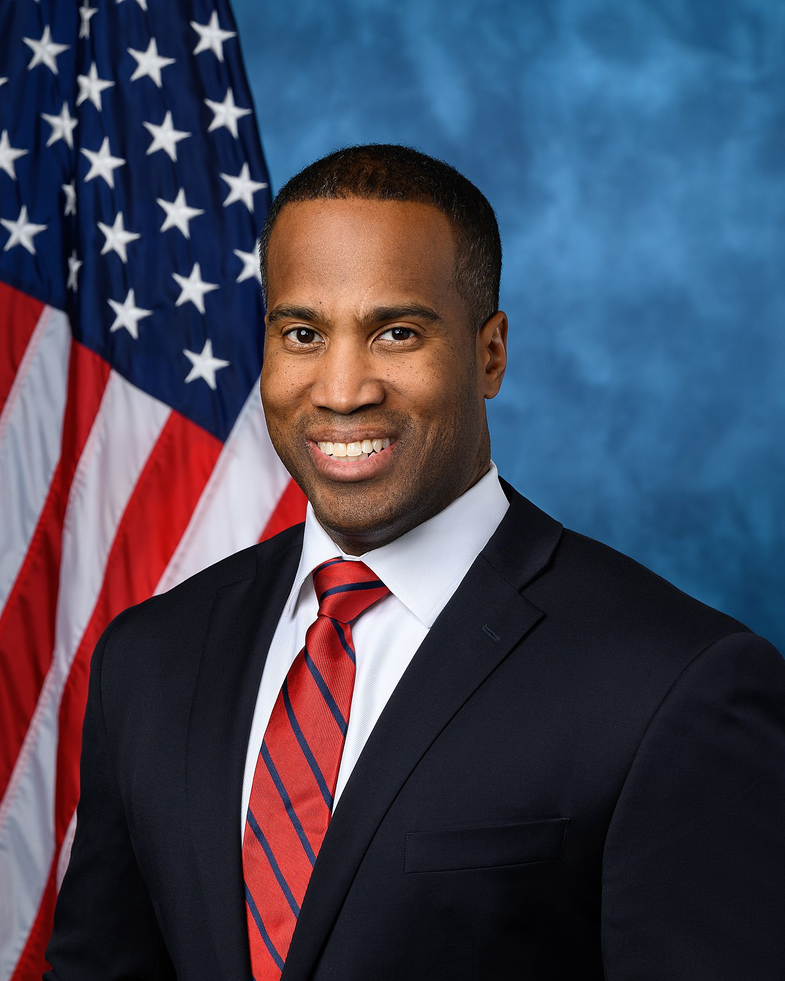
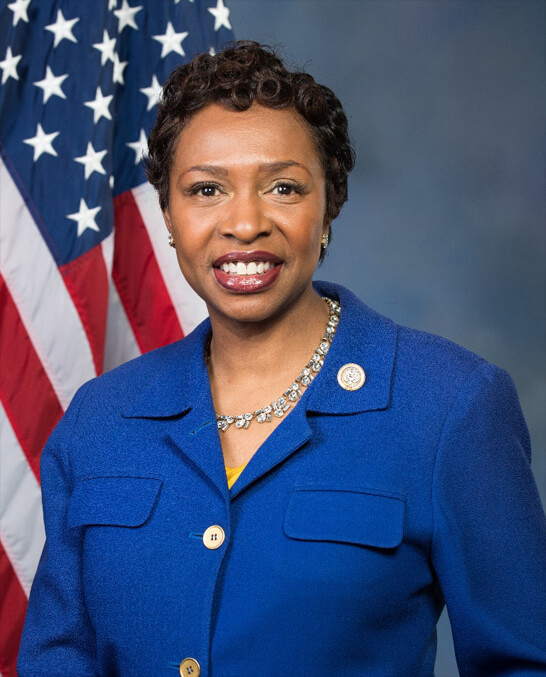
Sponsors
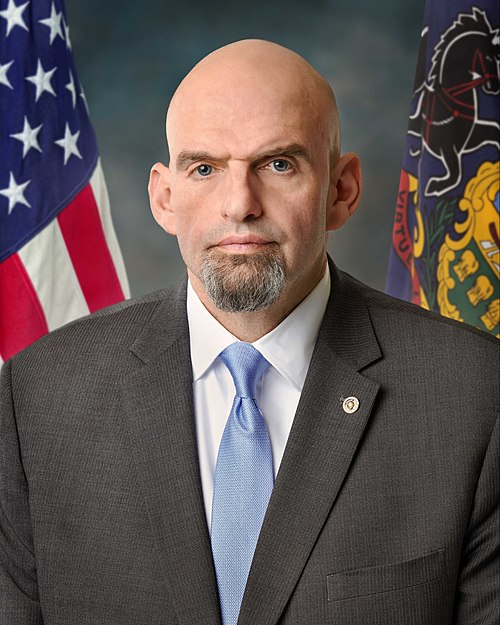
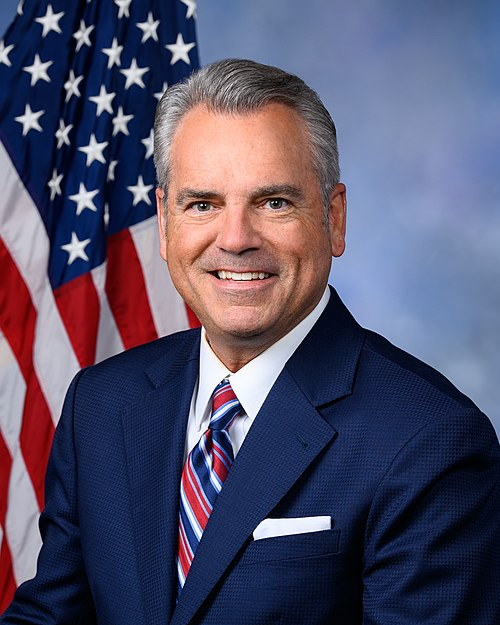
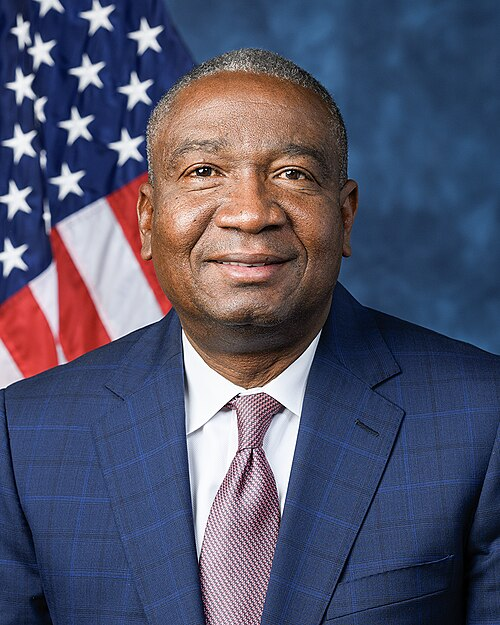
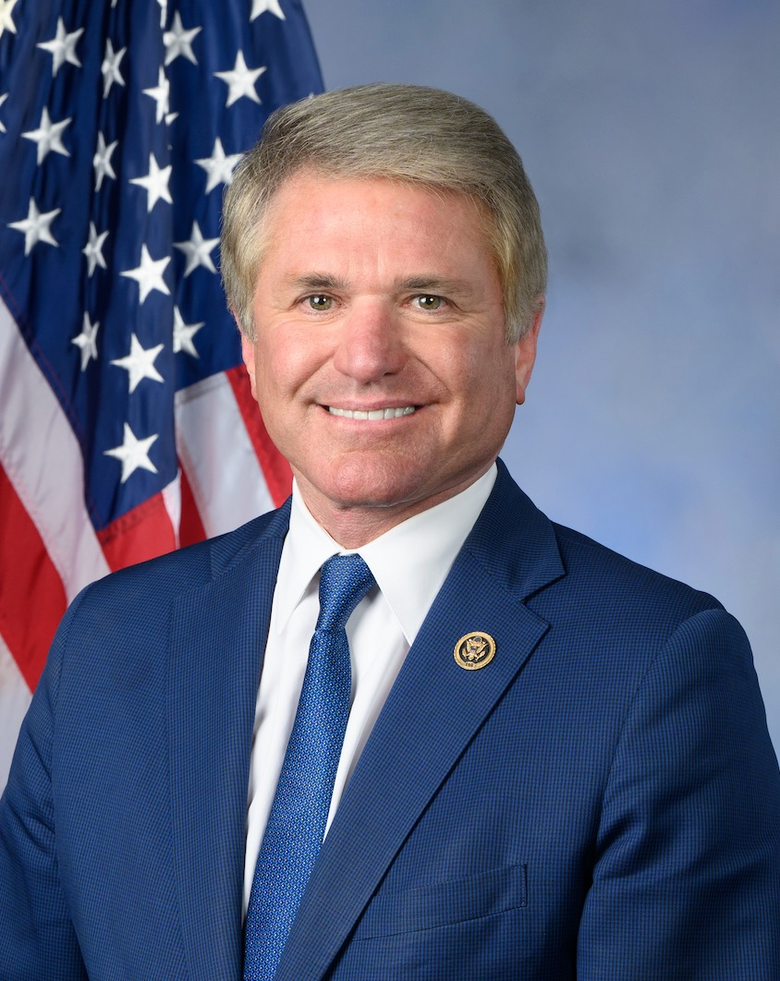
2 bill sponsors

Actions
5 actions
| Date | Action |
|---|---|
| Feb. 10, 2026 | Forwarded by Subcommittee to Full Committee by Voice Vote. |
| Feb. 10, 2026 | Subcommittee Consideration and Mark-up Session Held |
| Feb. 04, 2026 | Introduced in House |
| Feb. 04, 2026 | Referred to the House Committee on Energy and Commerce. |
| Feb. 04, 2026 | Referred to the Subcommittee on Commerce, Manufacturing, and Trade. |
Corporate Lobbying
0 companies lobbying
None found.
* Note that there can be significant delays in lobbying disclosures, and our data may be incomplete.