
H.R. 7341: Growing Reputable Academic Departments Act
This bill, known as the Growing Reputable Academic Departments Act (GRAD Act), aims to amend the Higher Education Act of 1965 to expand funding eligibility for certain educational institutions. Specifically, it focuses on two types of institutions: part B institutions and predominantly Black institutions (PBIs). Here are the main points of the bill:
Graduate Education Programs
The bill modifies sections of the Higher Education Act to include provisions that affect graduate education programs at specific institutions:
- Historically Black Colleges and Universities (HBCUs):
- Part B institutions that offer qualified master's degree programs and are not included in the previously defined categories will now be eligible for additional financial support.
- The cap on certain amounts provided to these institutions will be lifted, allowing them to submit requests for funding without a stringent $9 million limit on excess funding applications.
- Predominantly Black Institutions (PBIs):
- Similar to HBCUs, PBIs that offer qualified master's degree programs will be included as eligible institutions for federal funding, provided they are not already categorized under existing provisions.
- The funding limit for PBIs will also be modified, allowing them to seek financial support above the previous $2.5 million cap on additional funding requests.
In essence, this bill seeks to enhance the accessibility of federal grants for graduate programs at HBCUs and PBIs by redefining eligibility criteria and removing certain financial limits.
Impact and Administration
The changes proposed in this legislation aim to provide more equitable opportunities for graduate education funding among institutions serving historically underrepresented populations. By broadening the definition and eligibility criteria for federal assistance, the bill addresses disparities in access to funding for graduate programs in these institutions.
Implementation Timeline
The bill was introduced in the House of Representatives on February 4, 2026, and is referred to the Committee on Education and Workforce for further consideration. If enacted, the changes would be implemented in accordance with the legislative process and subsequent congressional approvals.
Relevant Companies
None found
This is an AI-generated summary of the bill text. There may be mistakes.
Sponsors
15 bill sponsors
-
TrackJennifer L. McClellan
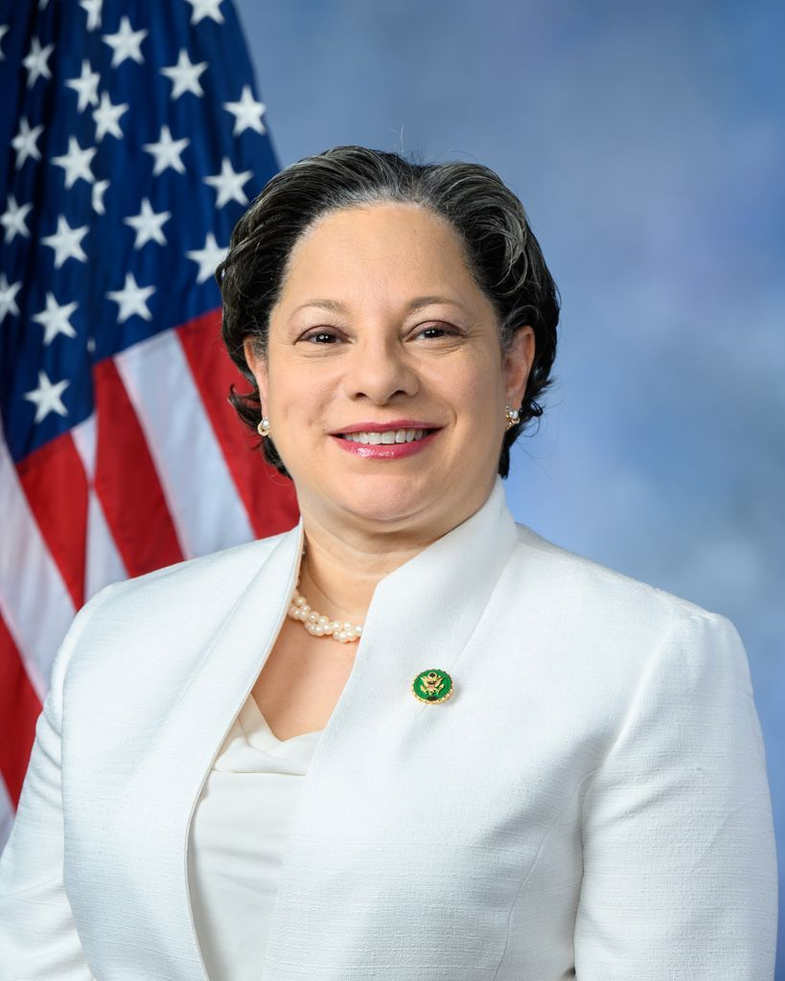
Sponsor
-
TrackAlma S. Adams
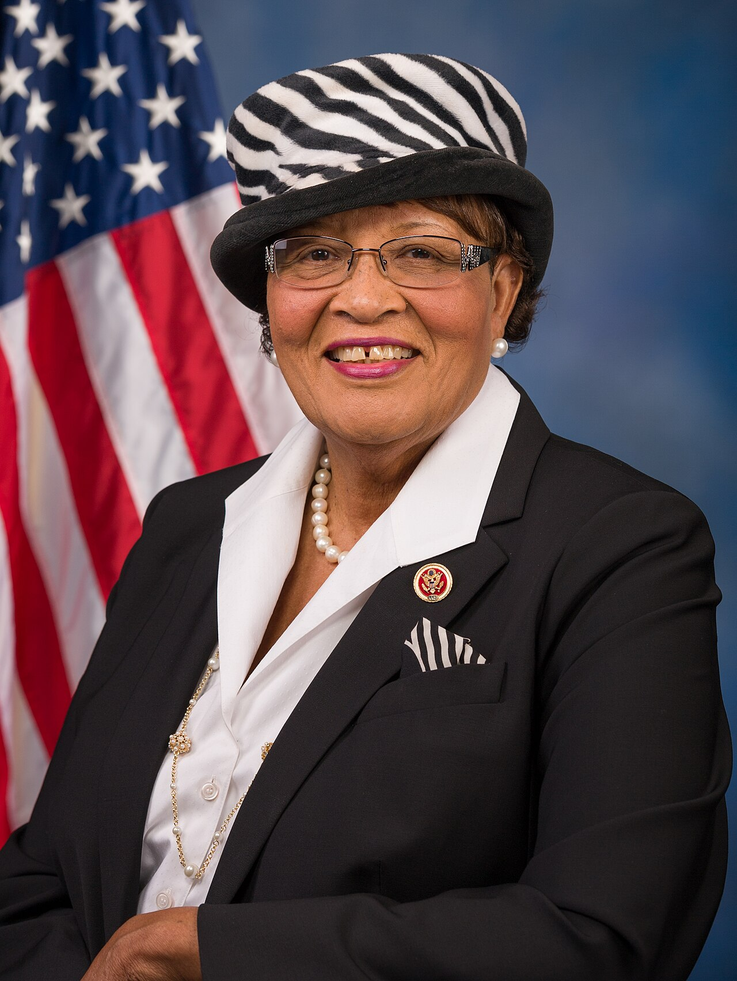
Co-Sponsor
-
TrackAndré Carson
Co-Sponsor
-
TrackTroy A. Carter
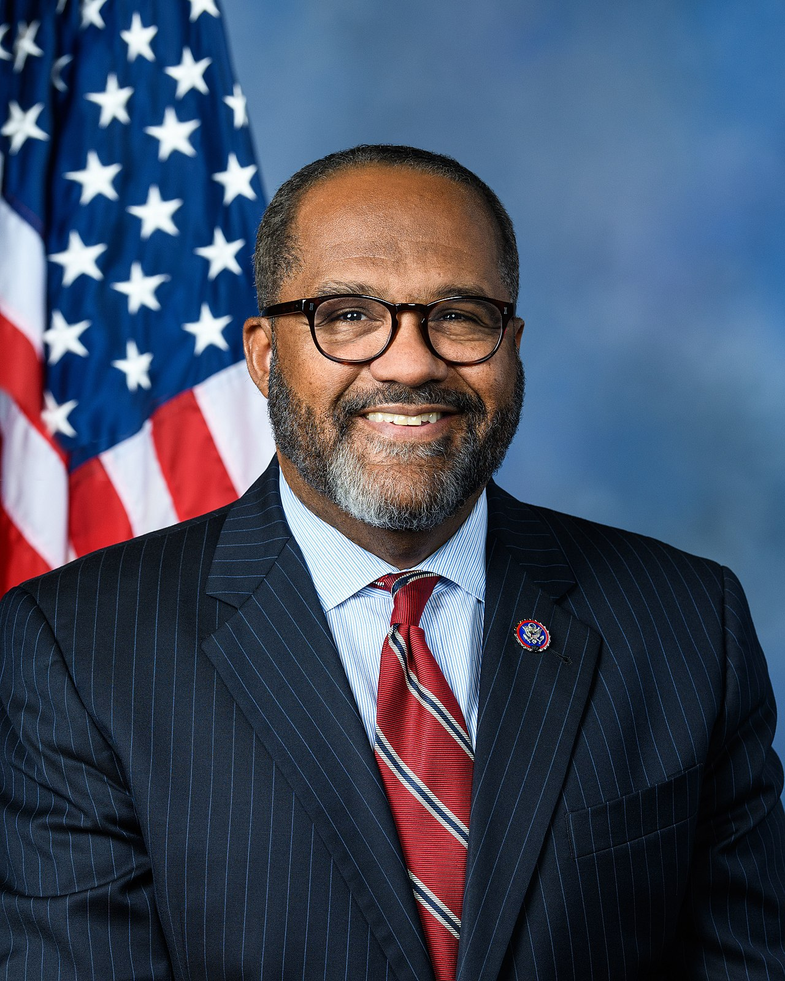
Co-Sponsor
-
TrackYvette D. Clarke

Co-Sponsor
-
TrackSteve Cohen

Co-Sponsor
-
TrackDanny K. Davis

Co-Sponsor
-
TrackCleo Fields

Co-Sponsor
-
TrackValerie P. Foushee
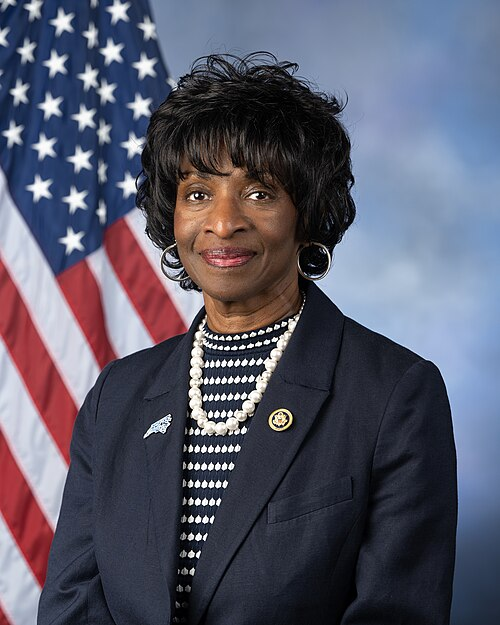
Co-Sponsor
-
TrackHenry C. "Hank" Johnson, Jr.

Co-Sponsor
-
TrackSummer L. Lee

Co-Sponsor
-
TrackEleanor Holmes Norton

Co-Sponsor
-
TrackTerri A. Sewell
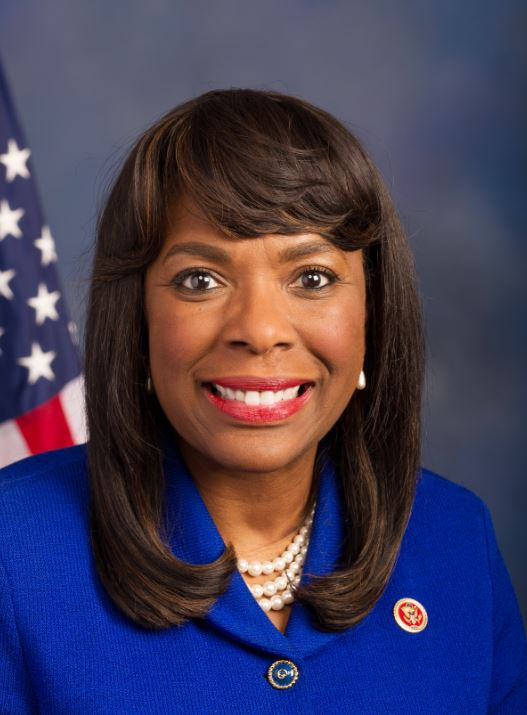
Co-Sponsor
-
TrackLateefah Simon

Co-Sponsor
-
TrackEugene Vindman

Co-Sponsor
Actions
2 actions
| Date | Action |
|---|---|
| Feb. 04, 2026 | Introduced in House |
| Feb. 04, 2026 | Referred to the House Committee on Education and Workforce. |
Corporate Lobbying
0 companies lobbying
None found.
* Note that there can be significant delays in lobbying disclosures, and our data may be incomplete.
Potentially Relevant Congressional Stock Trades
No relevant congressional stock trades found.