H.R. 7301: Maximizing Transportation Efficiency Act
The **Maximizing Transportation Efficiency Act** aims to enhance the efficiency of the transportation system in the United States by promoting Transportation Demand Management (TDM) strategies. Here’s a breakdown of what the bill proposes:
Key Objectives
The bill highlights several important goals regarding transportation systems:
- Improve the efficiency of existing transportation infrastructures.
- Increase access to jobs and services, particularly for rural communities with limited transportation options.
- Reduce traffic congestion and its associated costs, which amounted to $74 billion in 2024.
- Provide transportation solutions for those lacking access to vehicles, including the elderly and disabled.
- Support carpooling and vanpooling systems to ease the burden on singular vehicle use in rural areas.
Definition of Transportation Demand Management
TDM encompasses strategies meant to encourage travelers to optimize transportation systems. This encompasses:
- Marketing and communication efforts to raise awareness about transportation choices.
- Incentives for employers to offer transportation benefits.
- Encouragement of carpooling and vanpooling, trip planning assistance, and parking management.
- Support for telecommuting and increased public transit options.
Implementation of TDM Strategies
The bill includes provisions for implementing TDM through various means, such as:
- Amending existing laws to formally include and support TDM initiatives.
- Allocating $20 million annually for grants specifically aimed at developing TDM strategies in rural areas.
- Encouraging projects that help analyze transportation patterns to inform improvements.
Specific Programs and Efforts
The bill outlines several avenues for funding and programs, including:
- A **Congestion Mitigation and Air Quality Improvement Program**, with a focus on TDM strategies.
- Changes to eligible projects under national infrastructure assistance programs to include TDM initiatives.
- Local and regional initiatives funded to support TDM efforts for improving rural transportation options.
- A potential **Congestion Relief Program** that provides additional financial resources for smaller projects aimed at reducing congestion.
Focus on Rural Areas
The bill emphasizes addressing transportation needs in rural communities, including:
- Providing specific grants for TDM strategies that enhance rural mobility.
- Encouraging local governments, transit agencies, and non-profit organizations to develop and implement these strategies.
Funding Requirements
The legislation specifies how funds should be allocated, emphasizing the importance of TDM in the broader context of national transportation initiatives. It also includes conditions under which unutilized funds can be redirected to support identified needs.
Flexibility for Eligible Entities
Various types of organizations are identified as eligible to apply for grants, including:
- State departments of transportation.
- Metropolitan planning organizations.
- Local governments and tribal authorities.
- Public transit agencies and non-profit organizations.
Relevant Companies
- GOOGL - Google: As a tech company that invests in transportation solutions, they may influence public transit applications and TDM strategies through their mapping and data analysis platforms.
- LYFT - Lyft: A major player in ride-sharing, Lyft could see changes regarding how ridesharing integrates into TDM strategies to alleviate rural transportation challenges.
- UBER - Uber Technologies: Their ride-hailing services could play a role in TDM, particularly in rural areas, adapting to new regulations and integration with public transit options.
This is an AI-generated summary of the bill text. There may be mistakes.
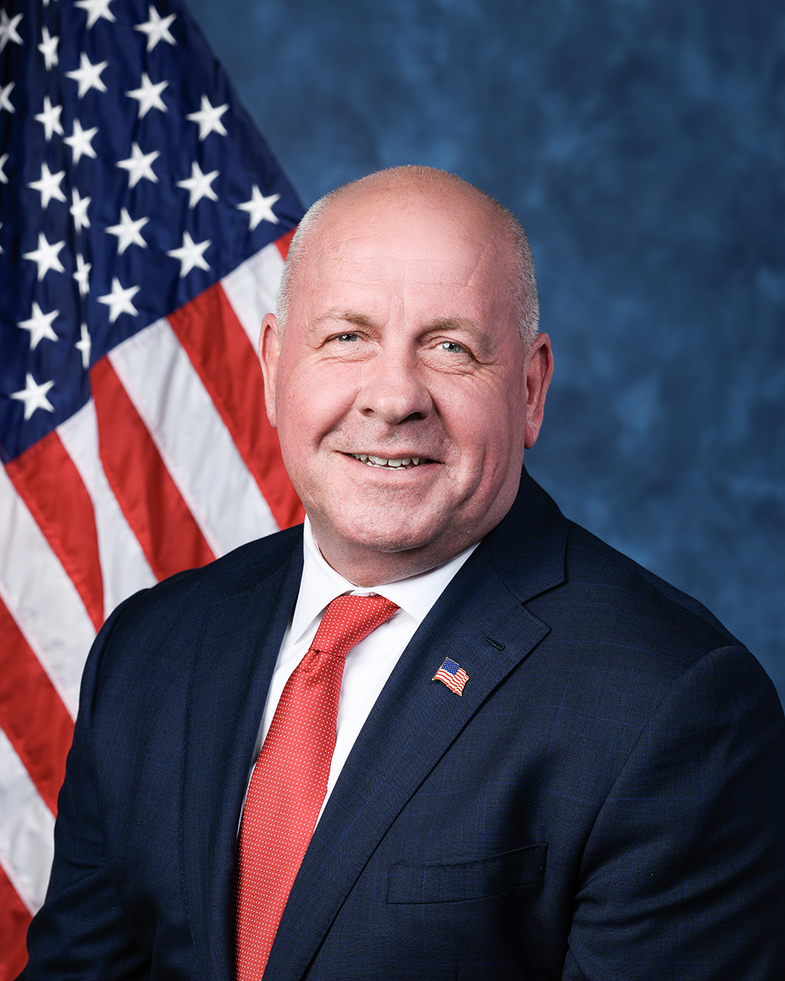
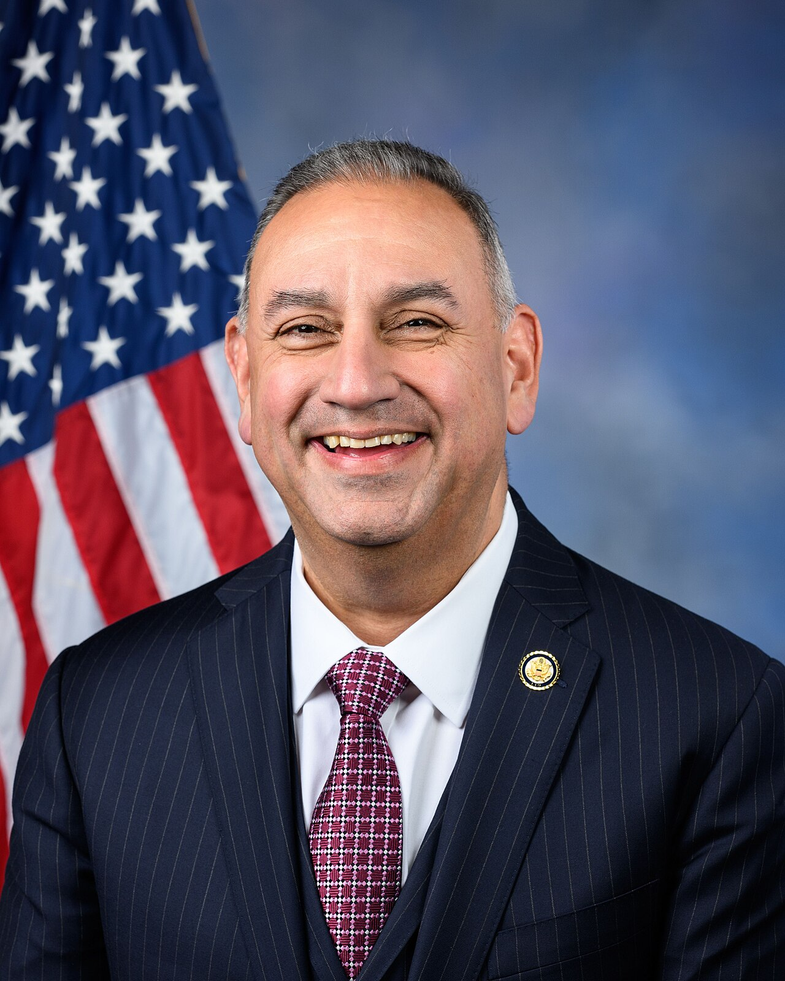
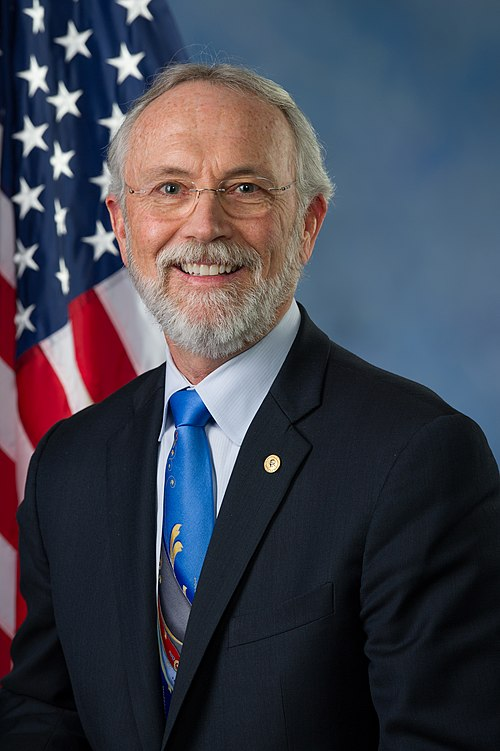
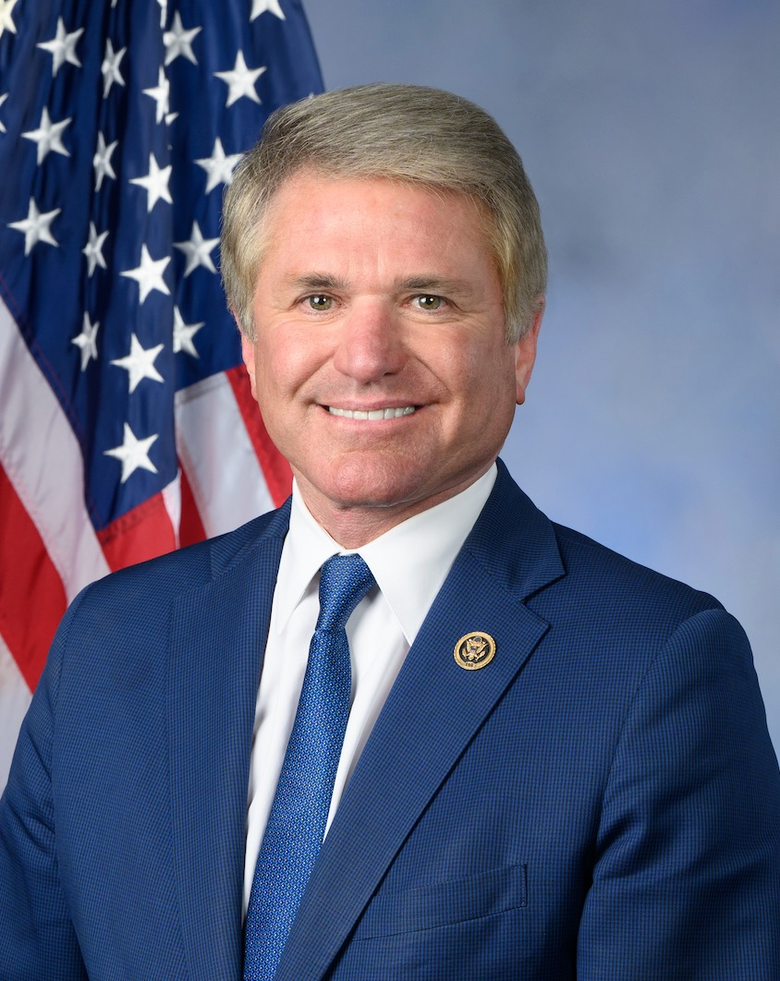
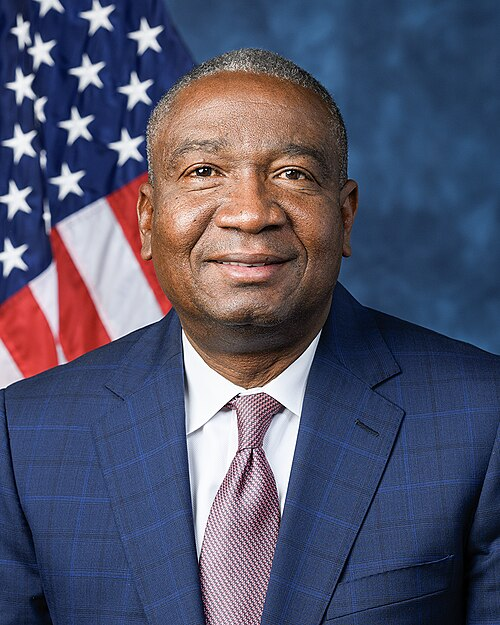
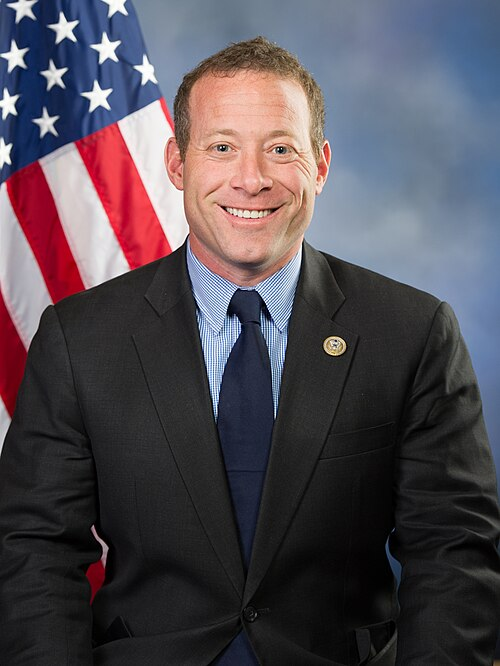
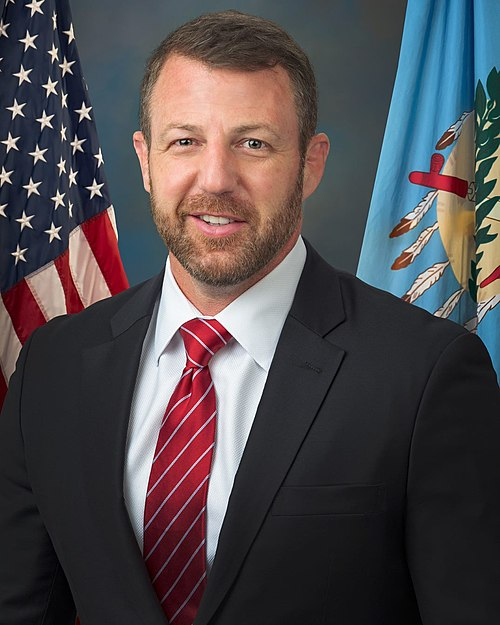
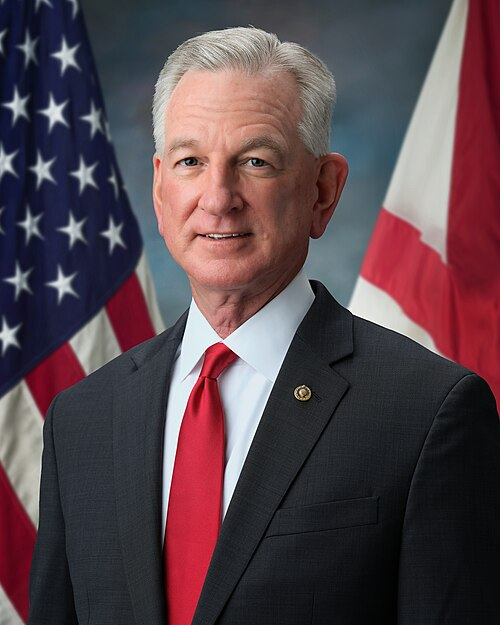
Sponsors
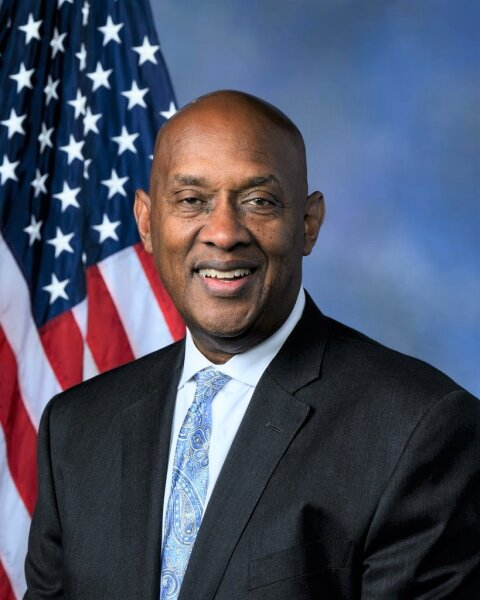
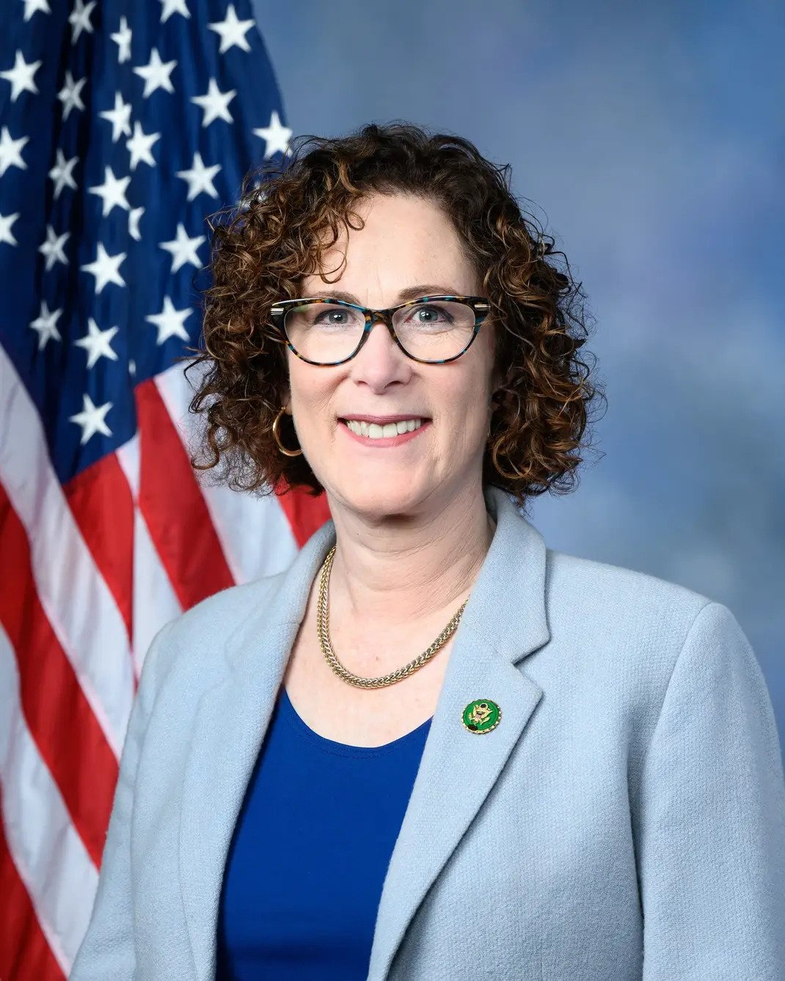
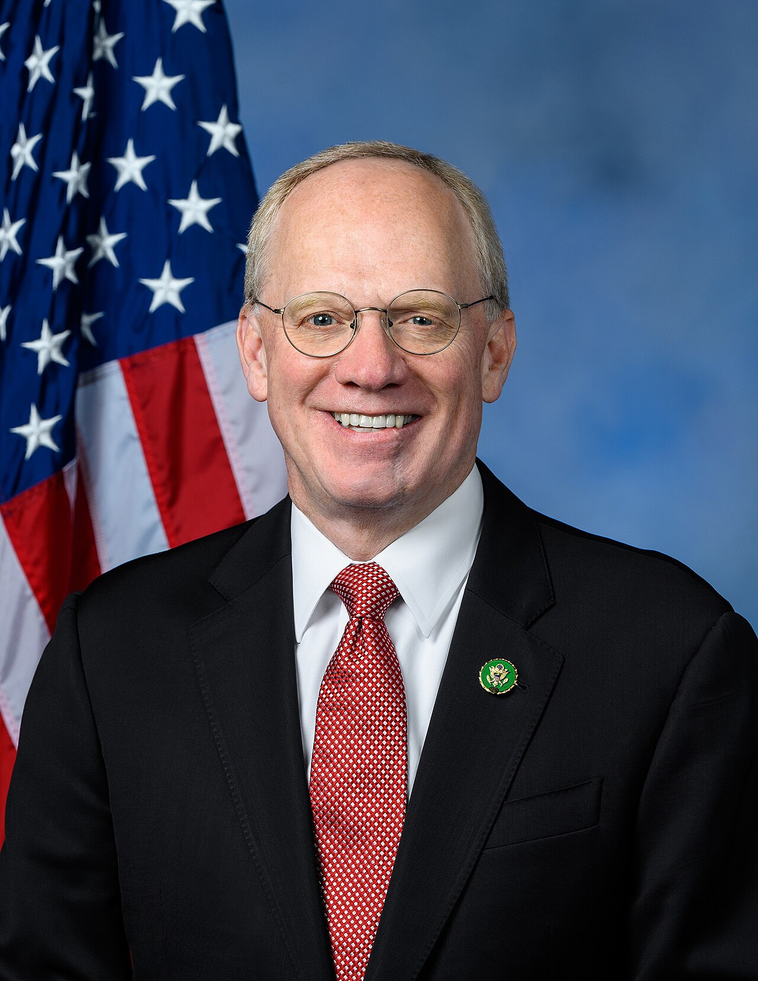
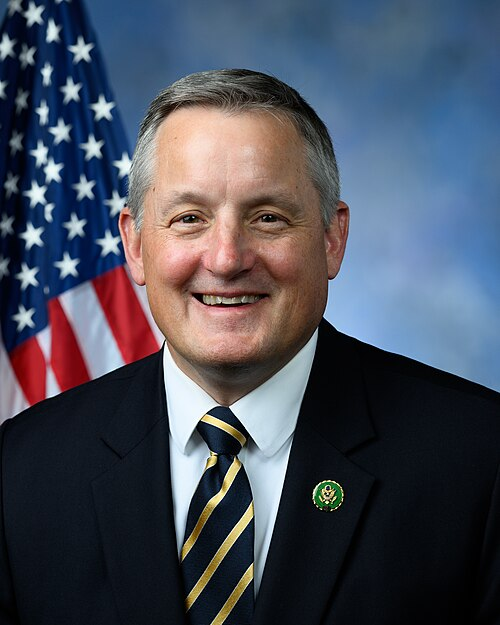
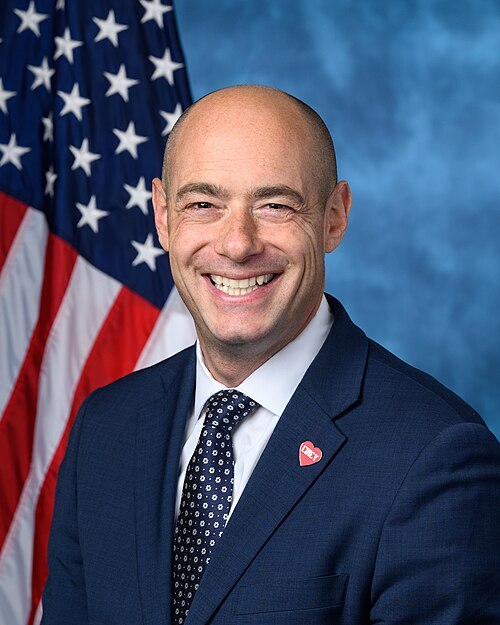
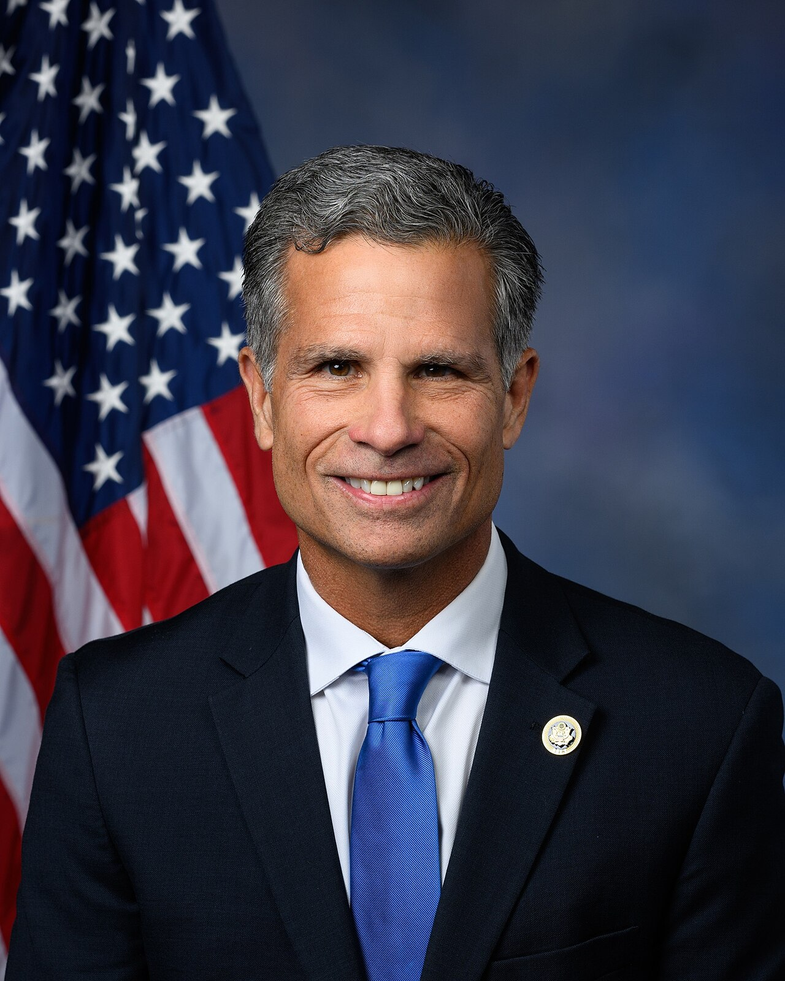
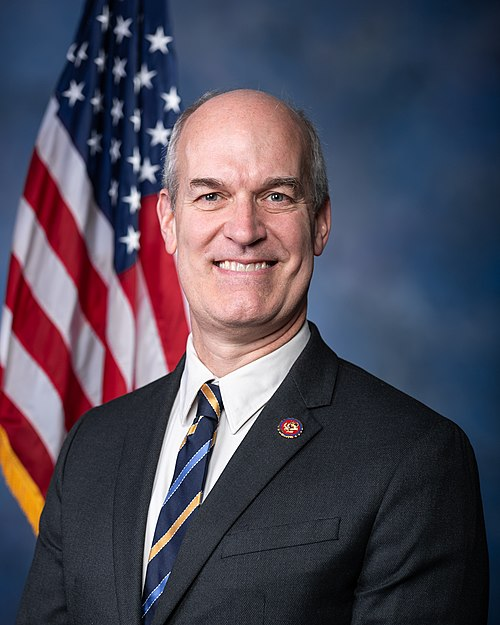
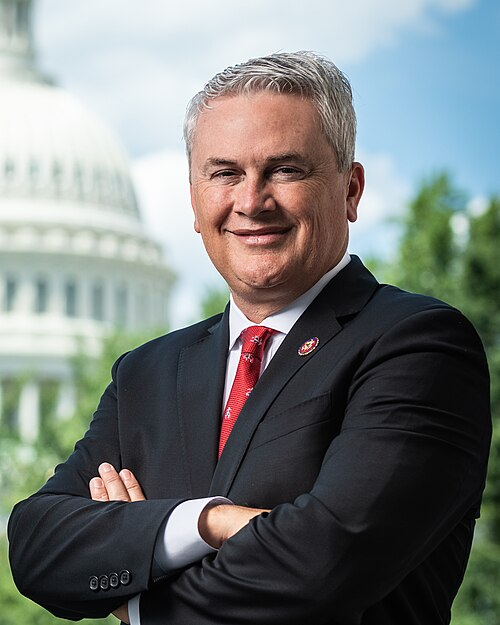
3 bill sponsors

Actions
3 actions
| Date | Action |
|---|---|
| Jan. 31, 2026 | Referred to the Subcommittee on Highways and Transit. |
| Jan. 30, 2026 | Introduced in House |
| Jan. 30, 2026 | Referred to the House Committee on Transportation and Infrastructure. |
Corporate Lobbying
0 companies lobbying
None found.
* Note that there can be significant delays in lobbying disclosures, and our data may be incomplete.