
H.R. 7297: ICE and CBP Constitutional Accountability Act
This bill, known as the ICE and CBP Constitutional Accountability Act, aims to provide individuals with a legal option to seek compensation if their rights are violated by officers or agents of U.S. Customs and Border Protection (CBP) or U.S. Immigration and Customs Enforcement (ICE). Below are the main components of the legislation:
Key Provisions
- Civil Remedy Established: The bill allows individuals to file civil lawsuits against the federal government if they believe their constitutional rights have been violated by immigration enforcement actions.
- Specific Rights Protected: The legislation focuses on violations of rights associated with the First, Fourth, Fifth, and Fourteenth Amendments to the U.S. Constitution, which include the right to due process, freedom from unreasonable searches and seizures, and protection against racial profiling.
- Federal Liability: It establishes that the U.S. government can be held financially liable in cases where its agents violate individuals' constitutional rights while performing their duties. This means that monetary damages can be awarded to plaintiffs without needing to show that a formal policy led to the violation.
- Sovereign Immunity Waived: The bill explicitly waives the sovereign immunity of the United States in relation to claims brought under this section, making it possible for individuals to sue the government in court.
- Access to Damages: Plaintiffs may seek punitive damages, in addition to compensatory damages, if they can prove their case. This is significant as it allows for potential additional financial penalties beyond just reimbursement for losses.
Findings of Congress
The bill includes several findings that outline the context and reasoning behind its introduction:
- Congress emphasizes the importance of the First, Fourth, Fifth, and Fourteenth Amendments in protecting fundamental rights.
- It notes that actions by CBP and ICE have allegedly undermined these rights through practices such as racial profiling, unlawful searches, and detentions.
- The findings suggest that these actions have resulted in public distrust and harm within communities affected by such enforcement practices.
- Civil lawsuits are identified as a necessary remedy for individuals who experience violations of their constitutional rights due to governmental action.
Implementation of Changes
The bill proposes to amend the Federal Tort Claims Act to incorporate provisions allowing for these civil remedies. It indicates that if the funds typically used for such lawsuits (as referenced in existing laws) are exhausted, different financial resources can be utilized to fulfill judgments.
Overall Impact
This legislation seeks to create a legal path for victims of alleged misconduct by immigration enforcement officers, allowing them to hold the government accountable when their rights are violated. By introducing a civil remedy, the bill aims to enhance accountability and protect constitutional rights in the context of immigration enforcement.
Relevant Companies
- None found
This is an AI-generated summary of the bill text. There may be mistakes.
Sponsors
28 bill sponsors
-
TrackAndrea Salinas

Sponsor
-
TrackSuzanne Bonamici

Co-Sponsor
-
TrackJulia Brownley
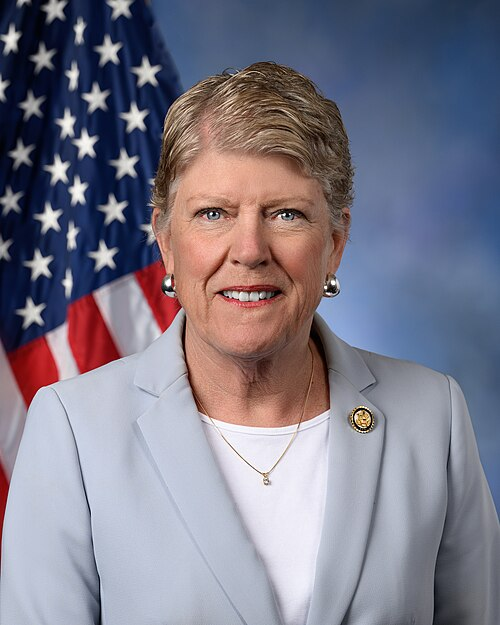
Co-Sponsor
-
TrackSalud O. Carbajal
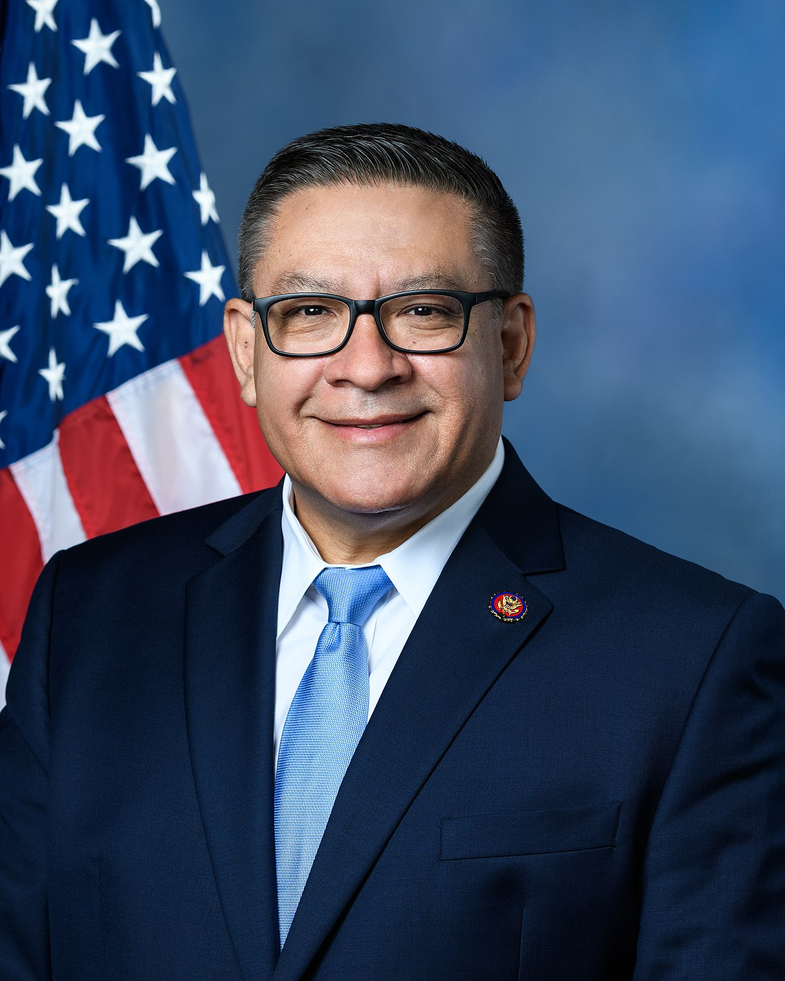
Co-Sponsor
-
TrackJoaquin Castro
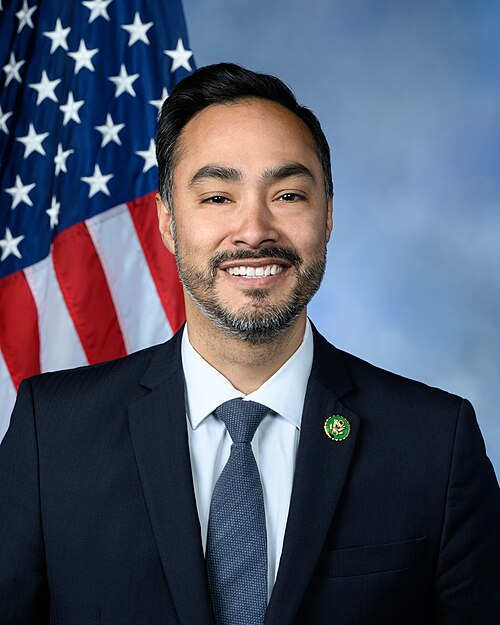
Co-Sponsor
-
TrackJ. Luis Correa
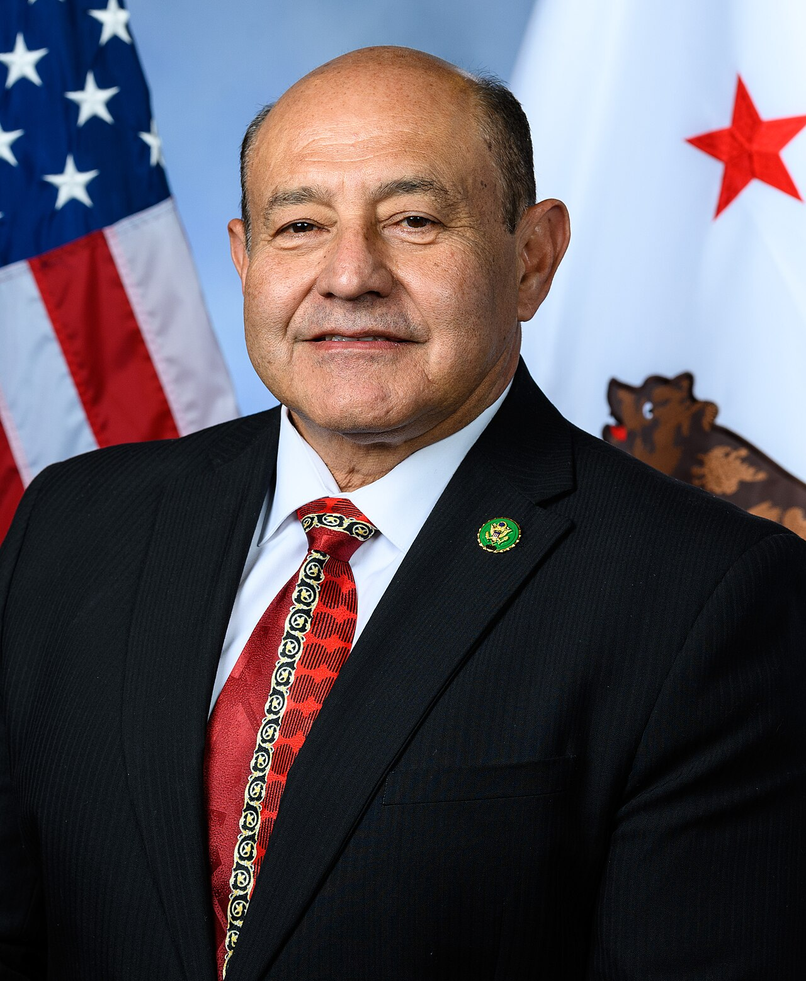
Co-Sponsor
-
TrackMaxine Dexter

Co-Sponsor
-
TrackVeronica Escobar
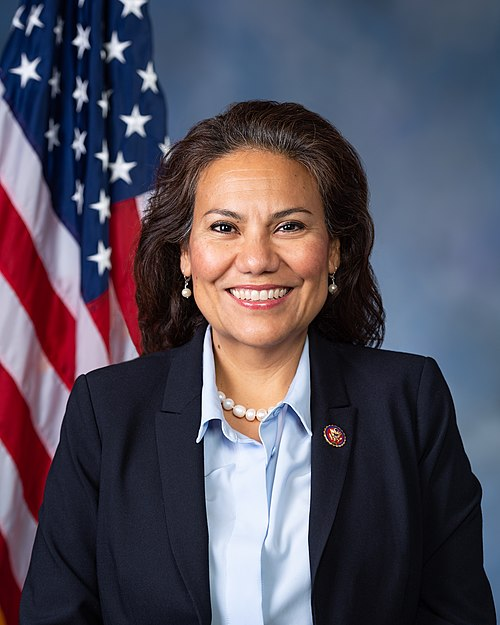
Co-Sponsor
-
TrackLizzie Fletcher

Co-Sponsor
-
TrackMaxwell Frost
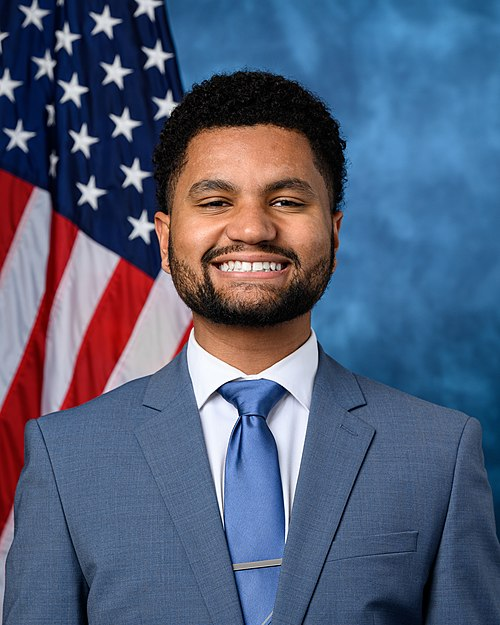
Co-Sponsor
-
TrackSylvia R. Garcia
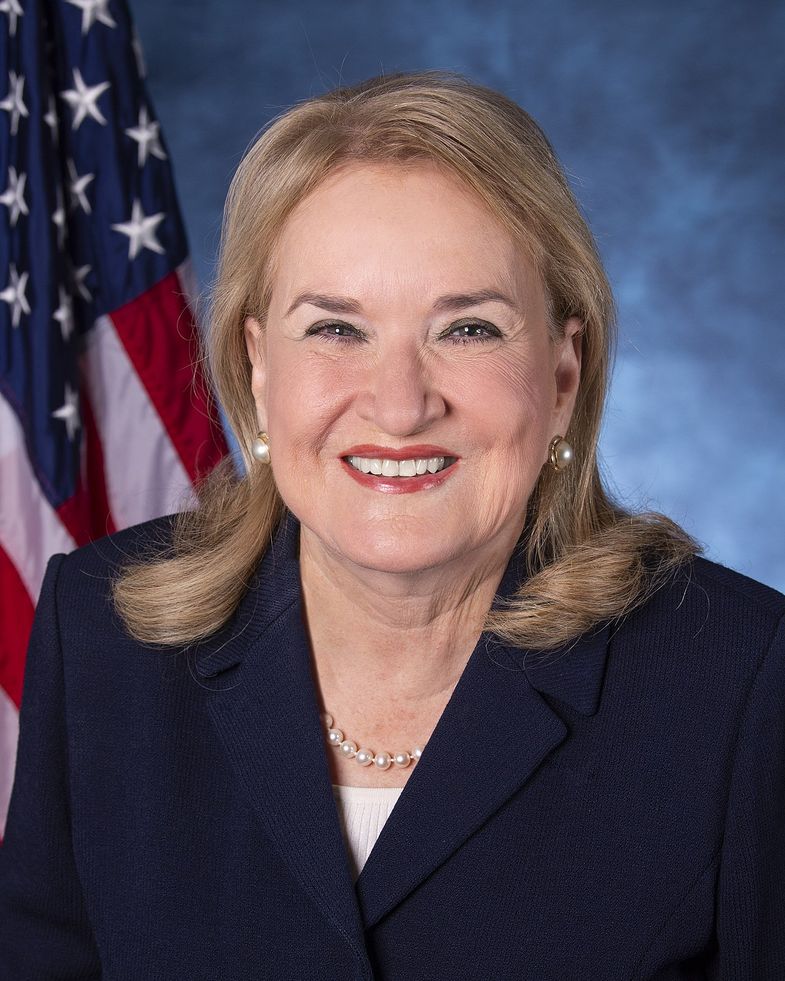
Co-Sponsor
-
TrackRobert Garcia
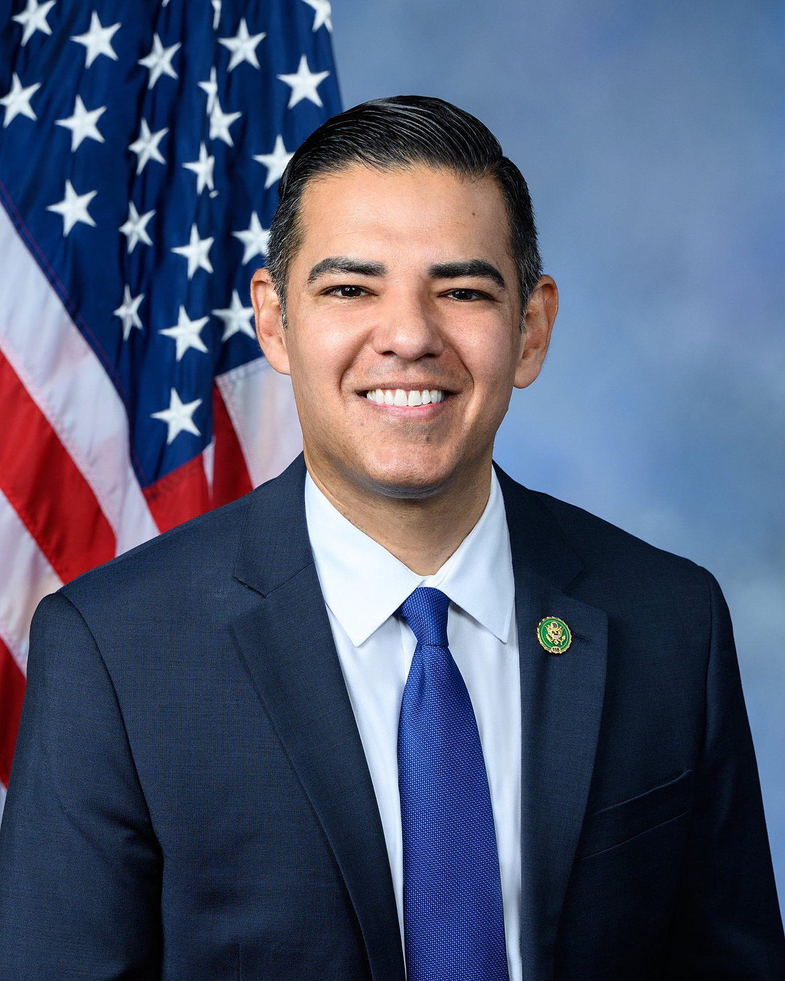
Co-Sponsor
-
TrackVal T. Hoyle
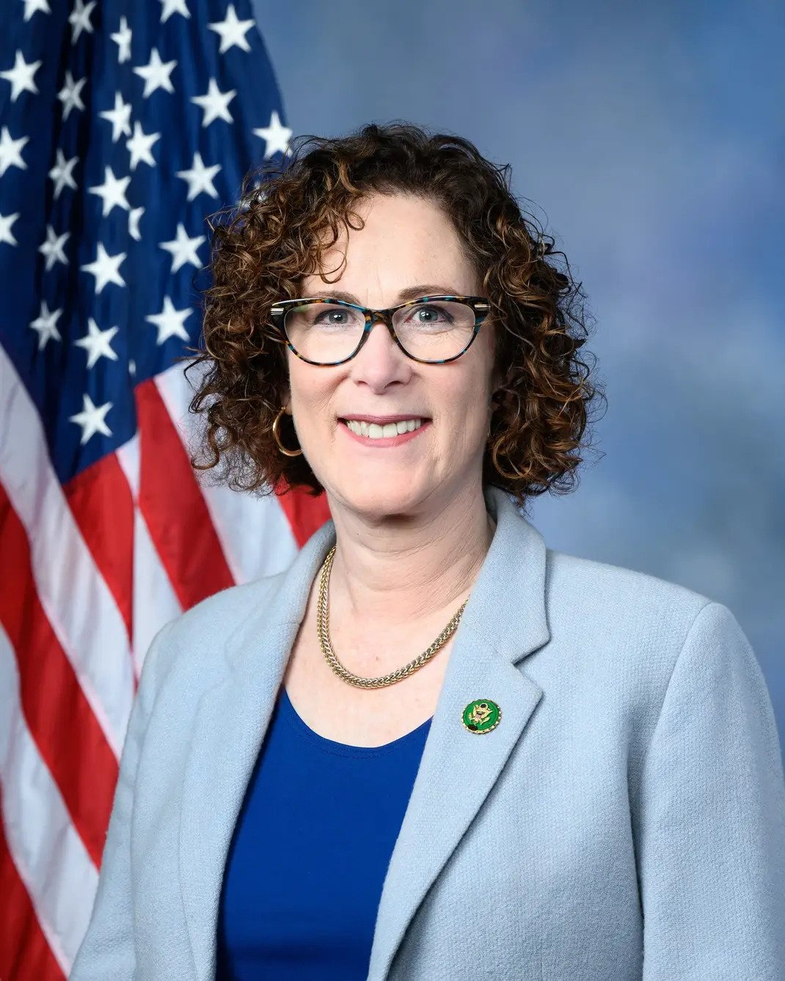
Co-Sponsor
-
TrackGlenn Ivey

Co-Sponsor
-
TrackTeresa Leger Fernandez

Co-Sponsor
-
TrackZoe Lofgren

Co-Sponsor
-
TrackSeth Magaziner

Co-Sponsor
-
TrackJennifer L. McClellan
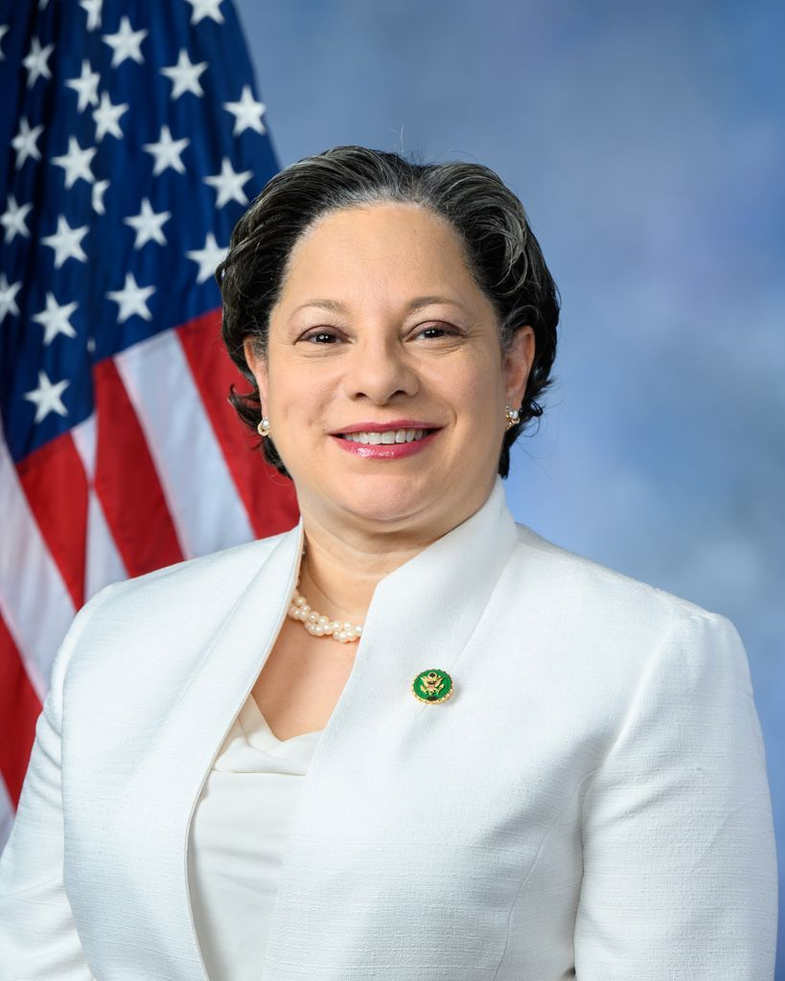
Co-Sponsor
-
TrackMorgan McGarvey

Co-Sponsor
-
TrackDave Min
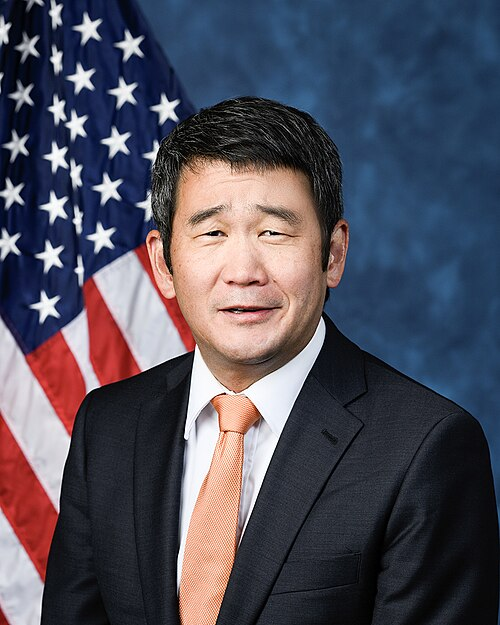
Co-Sponsor
-
TrackSeth Moulton

Co-Sponsor
-
TrackMike Quigley

Co-Sponsor
-
TrackLinda T. Sánchez

Co-Sponsor
-
TrackShri Thanedar

Co-Sponsor
-
TrackRashida Tlaib
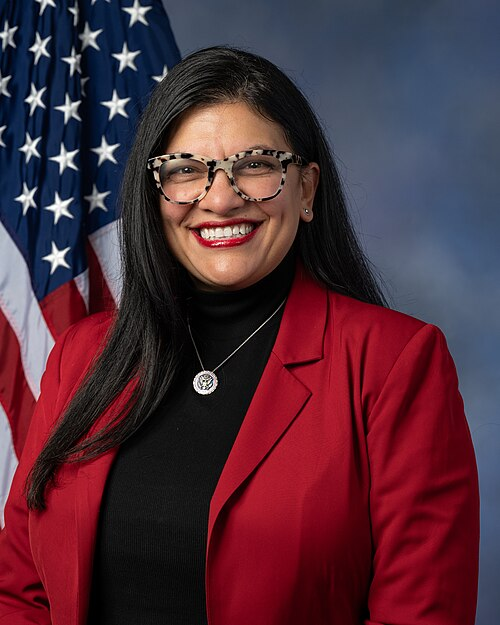
Co-Sponsor
-
TrackJill N. Tokuda
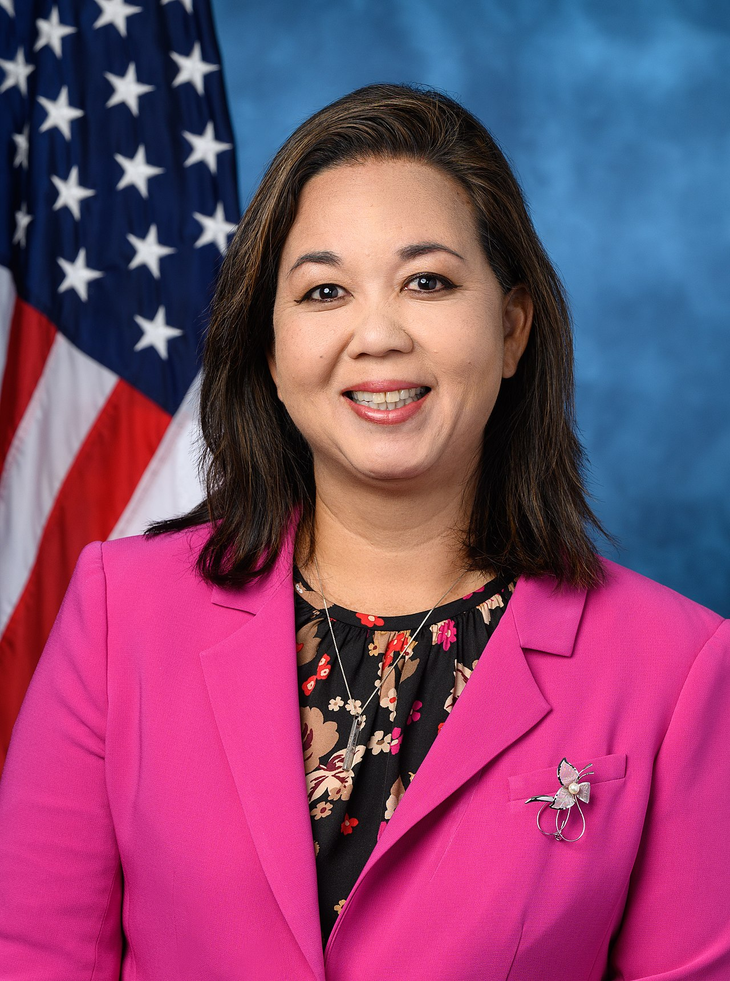
Co-Sponsor
-
TrackDerek Tran
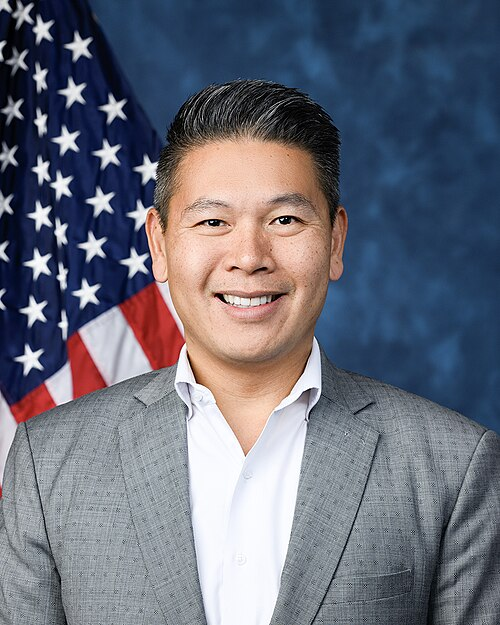
Co-Sponsor
-
TrackBonnie Watson Coleman
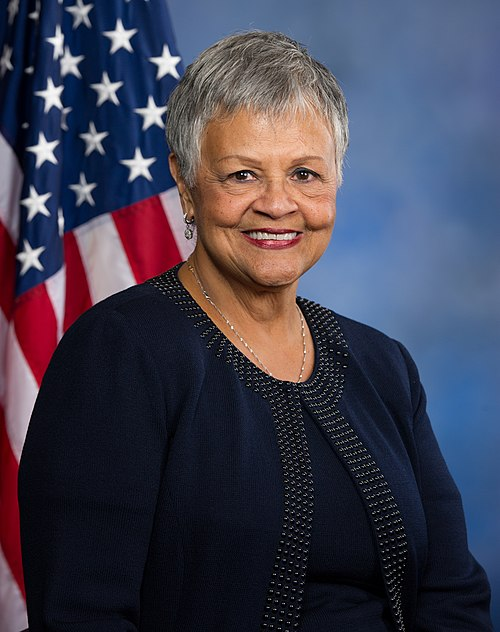
Co-Sponsor
Actions
2 actions
| Date | Action |
|---|---|
| Jan. 30, 2026 | Introduced in House |
| Jan. 30, 2026 | Referred to the House Committee on the Judiciary. |
Corporate Lobbying
0 companies lobbying
None found.
* Note that there can be significant delays in lobbying disclosures, and our data may be incomplete.
Potentially Relevant Congressional Stock Trades
No relevant congressional stock trades found.