
H.R. 7295: Comprehensive Congressional Budget Act of 2026
This bill, titled the Comprehensive Congressional Budget Act of 2026, aims to reform the way the U.S. Congress handles the federal budgeting process. The main objectives of the bill include improving budget management, increasing member involvement in fiscal policy formulation, and fostering better coordination among various congressional committees regarding federal spending and revenue.
Key Provisions
- Establishment of an Annual Budget Act: The bill proposes the creation of an "annual budget Act" that enumerates all federal budget authority and revenue. This act would incorporate contributions from both appropriations and other relevant committees, enabling a comprehensive view of the federal budget.
- Timetable for Budget Process: It sets specific deadlines for various phases of the budget process. For example, the President is required to submit their budget request to Congress by the first Monday in February, and the House Budget Committee must report the annual budget Act by June 10.
- Concurrent Resolution Requirement: The bill mandates the adoption of a concurrent resolution on the budget before any related budget legislation can be considered within Congress. This aims to unify legislative planning and ensure all committees operate under the same budgetary constraints.
- Committee Engagement: Committees will be required to compile and submit direct spending and revenue projections within their jurisdiction to the Committee on the Budget. This provision encourages active participation from more members and aligns diverse fiscal priorities.
- Inclusion of Baseline Projections: The annual budget Act will necessitate the inclusion of baseline spending and revenue projections, thereby promoting transparency and accountability in fiscal planning.
- Changes to Current Budgeting Practices: The bill seeks to address issues such as the separation of appropriations legislation from direct spending and revenue policies, which can lead to ineffective budget management and unclear fiscal priorities.
Context and Rationale
Projected Fiscal Challenges: The bill is motivated by the acknowledgment that federal deficits and debt are projected to grow unsustainably. Congress has not adequately conducted comprehensive budgeting processes, leading to increased complexity and lack of member participation.Fragmented Approach: Current practices have resulted in a fragmented approach to budgeting, where only a portion of federal spending is dictated by annual appropriations bills. This controls less than one-third of federal spending, with many significant spending accounts remaining outside this process.Involvement of Congressional Committees: By enhancing committee involvement in the budgetary process, the bill aims to improve program coordination and strengthen the legislative body of Congress.Examples from State Practices: The bill points to certain states that successfully manage their annual or biennial budgets with a streamlined process involving fewer legislative acts, suggesting that similar practices could yield efficiency improvements at the federal level.Implementation and Oversight
The bill also specifies provisions for how Congress will measure success and compliance, including traditional oversight roles for the Congressional Budget Office (CBO) and guidelines for reporting discrepancies in budget submissions.Relevant Companies
None found.This is an AI-generated summary of the bill text. There may be mistakes.
Sponsors
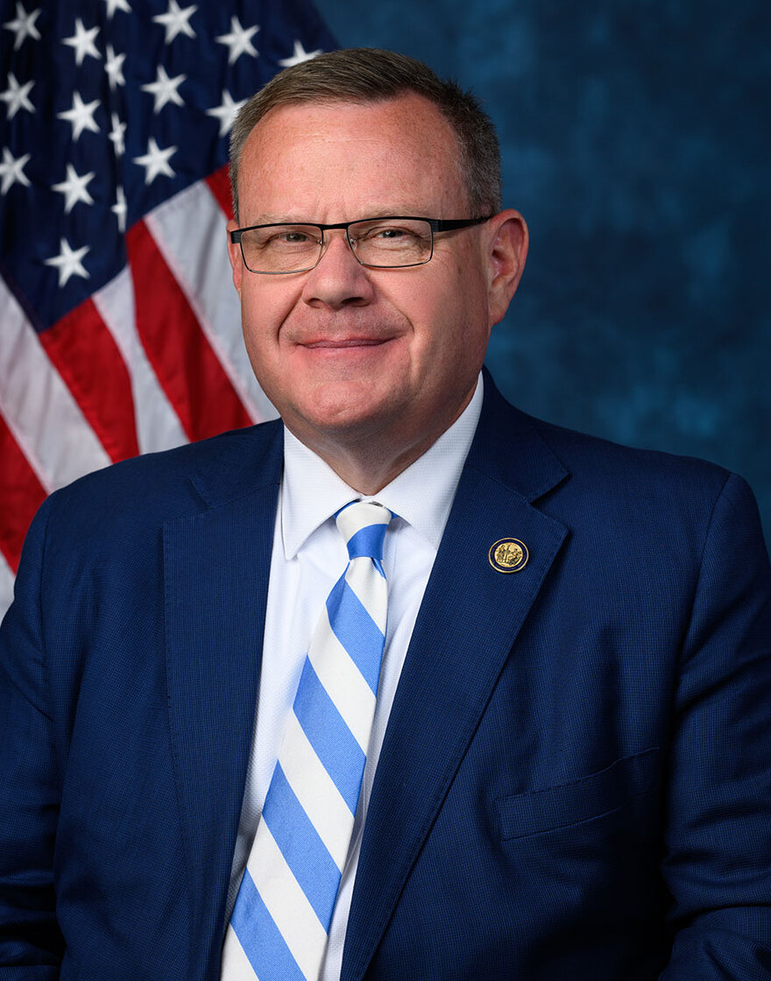
3 bill sponsors


Actions
2 actions
| Date | Action |
|---|---|
| Jan. 30, 2026 | Introduced in House |
| Jan. 30, 2026 | Referred to the Committee on Rules, and in addition to the Committee on the Budget, for a period to be subsequently determined by the Speaker, in each case for consideration of such provisions as fall within the jurisdiction of the committee concerned. |
Corporate Lobbying
0 companies lobbying
None found.
* Note that there can be significant delays in lobbying disclosures, and our data may be incomplete.
Potentially Relevant Congressional Stock Trades
No relevant congressional stock trades found.