H.R. 7230: Buying American Cotton Act of 2026
The Buying American Cotton Act of 2026 is a legislative proposal aimed at promoting the consumption of domestically sourced cotton and products made from it. The key components of the bill are outlined below:
Domestic Cotton Consumption Credit
The bill establishes a tax credit called the "domestic cotton consumption credit." The purpose of this credit is twofold:
- To encourage consumers and businesses to purchase cotton that is grown in the United States and products made from such cotton.
- To create a documented tracing system to confirm the origins of the cotton through the supply chain.
How the Credit Works
The credit will be calculated based on three factors:
- The documented volume of qualified cotton in an eligible product sold during the taxable year.
- An applicable percentage established by the bill.
- The market price of cotton over a specified period.
Determining Eligibility
Qualifying Sales
A "qualifying sale" refers to the first sale of an eligible product to an unrelated person in the U.S. Sales made for consumption outside the U.S. do not qualify unless they relate to U.S. business activities.
Applicable Percentages
- If the cotton is processed within the U.S. or in a country with a U.S. free trade agreement, a percentage of 24% applies.
- If processed in a country without such an agreement, a lower percentage of 18% applies.
Definitions of Eligible Articles
An "eligible article" includes any product containing certified qualified cotton that is ready for retail sale to consumers. However, certain products may be excluded if they have components eligible for the credit.
Increased Credit for Specific Products
The bill provides additional credits for products made from qualified cotton yarn and fabric. The enhanced credit is 1.6 times for cotton yarn and 6.5 times for cotton fabric, incentivizing the production of these items within the U.S.
Reporting and Regulations
The Secretary of the Treasury will be responsible for creating regulations to enforce these provisions, including guidelines for tracing cotton through the supply chain and preventing the same cotton from being credited multiple times.
Effective Date
The provisions will take effect for sales of eligible products occurring after the law is enacted.
Impact on Taxation
The credits can be part of the general business credit, meaning businesses can apply these credits against their overall tax liabilities.
Relevant Companies
- HEB: This company engages in food and grocery retail and may benefit from increased demand for products made with American cotton.
- TGT: Target operates in the retail sector and may see changes in sourcing policies for products containing cotton.
- WMT: Walmart may adjust its supply chain to take advantage of the credits from products made with U.S. cotton.
This is an AI-generated summary of the bill text. There may be mistakes.
Sponsors
102 bill sponsors
-
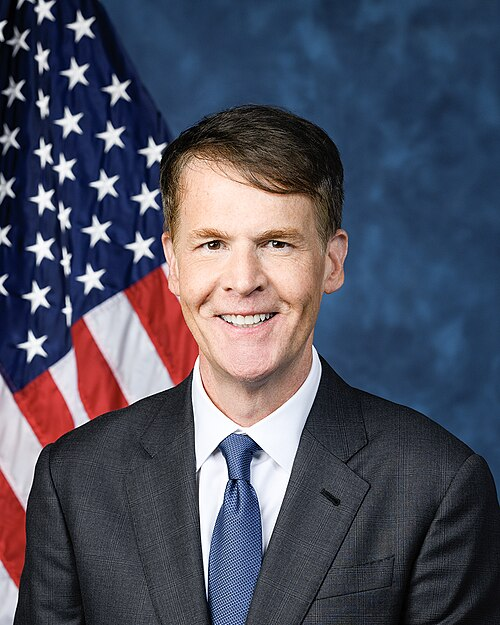
TrackGregory F. Murphy
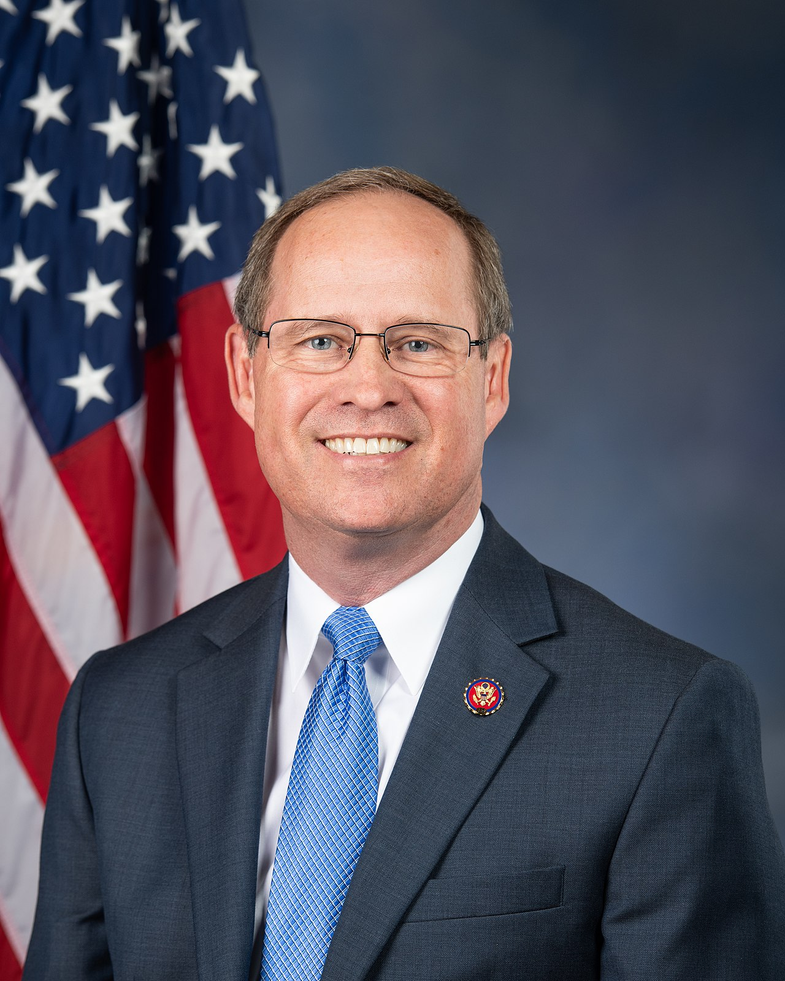
Sponsor
-
TrackAlma S. Adams
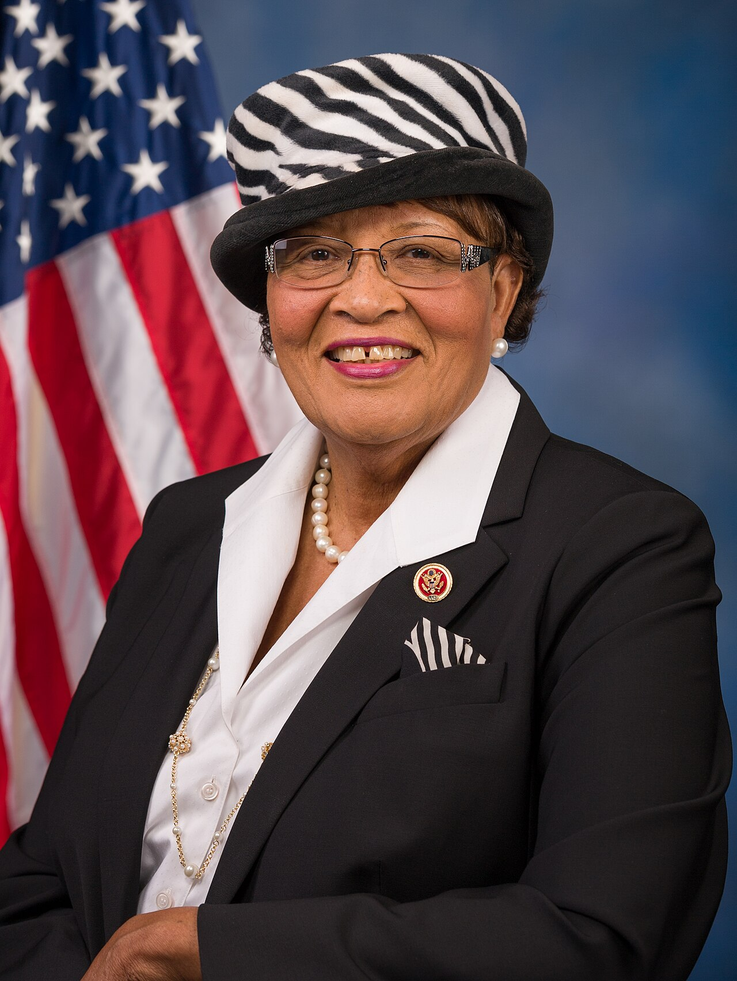
Co-Sponsor
-
TrackRobert B. Aderholt
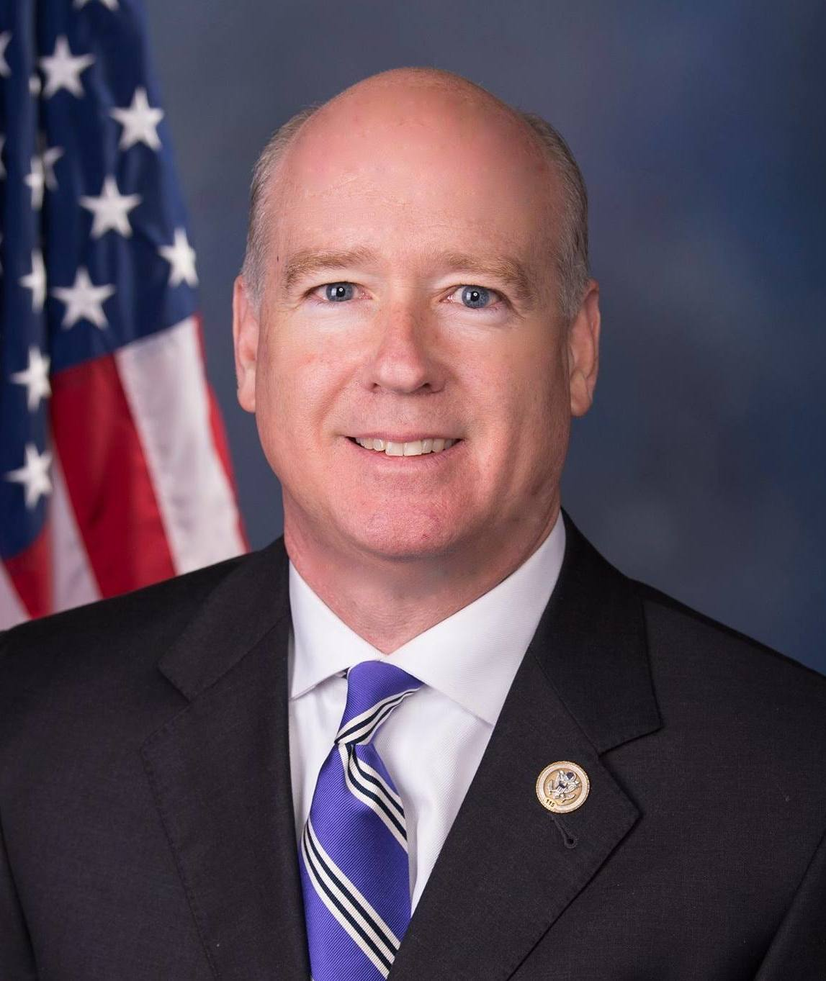
Co-Sponsor
-
TrackMark Alford
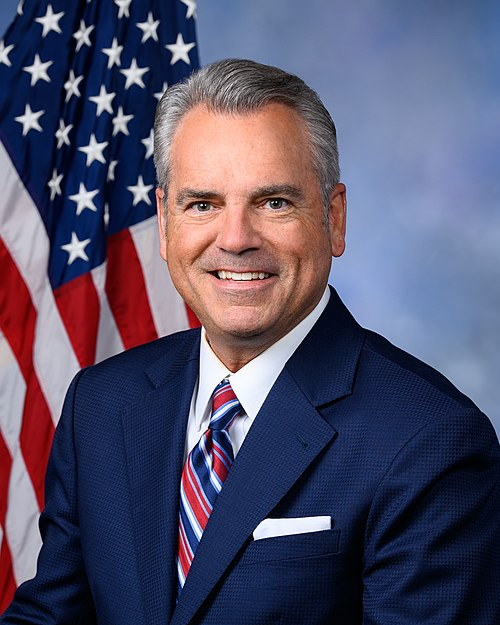
Co-Sponsor
-
TrackRick W. Allen
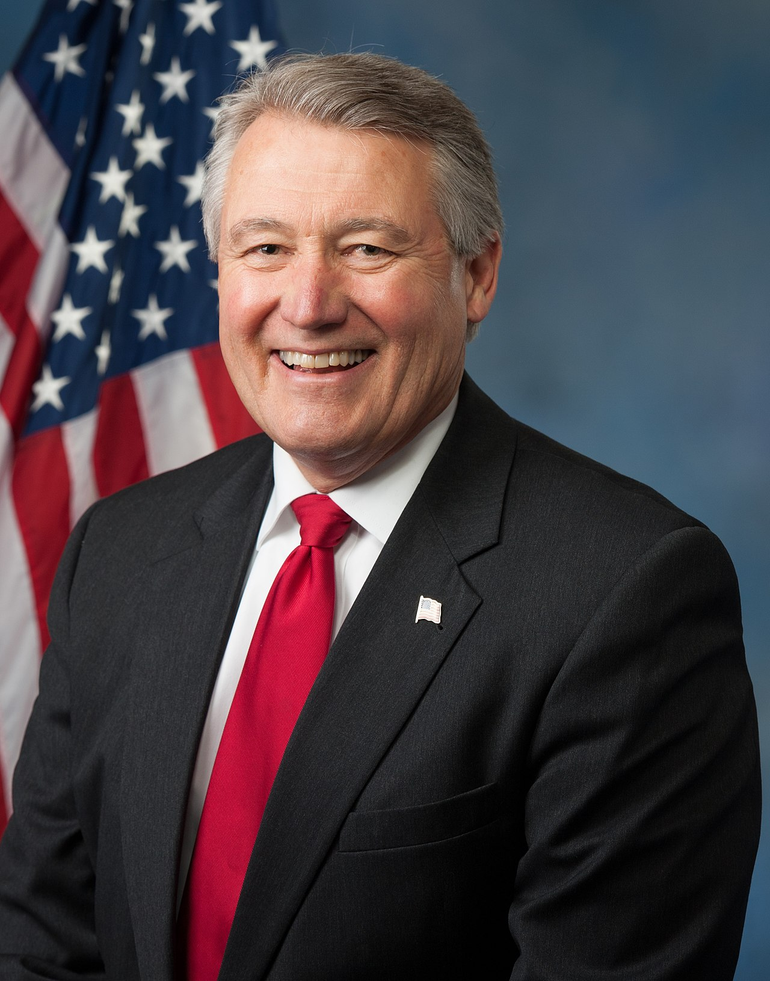
Co-Sponsor
-
TrackJoyce Beatty
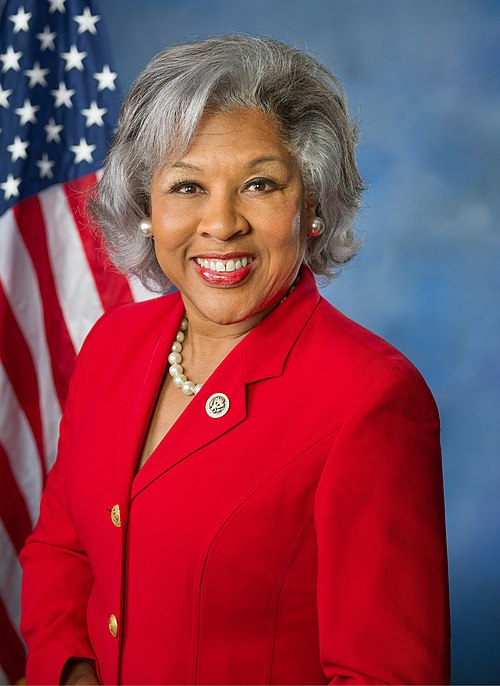
Co-Sponsor
-
TrackSheri Biggs
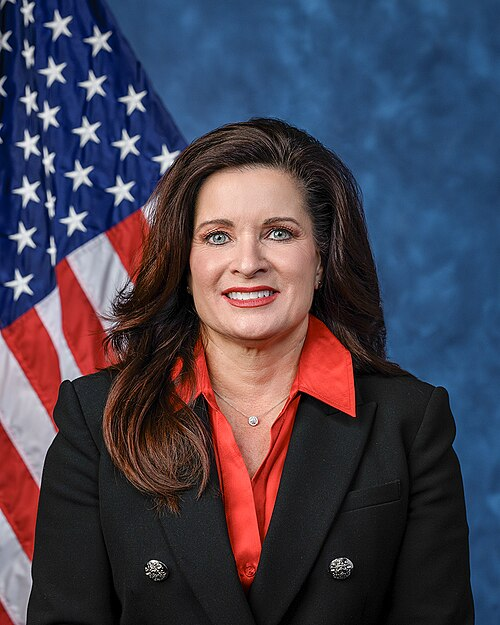
Co-Sponsor
-
TrackSanford D. Bishop, Jr.
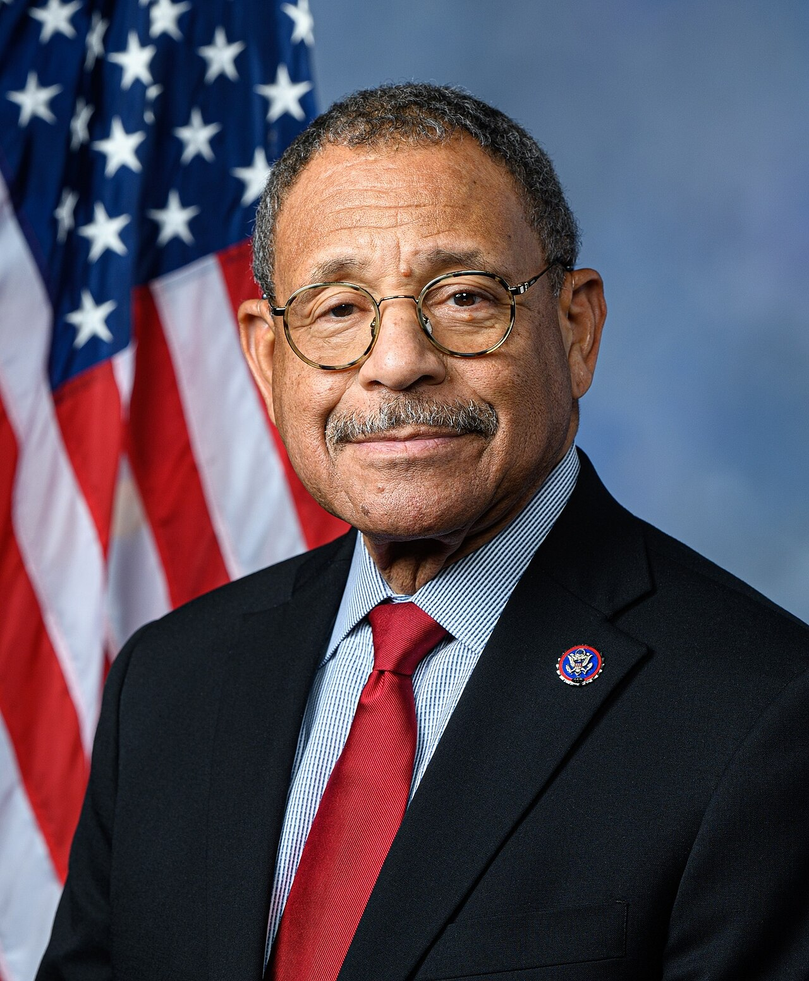
Co-Sponsor
-
TrackShontel M. Brown
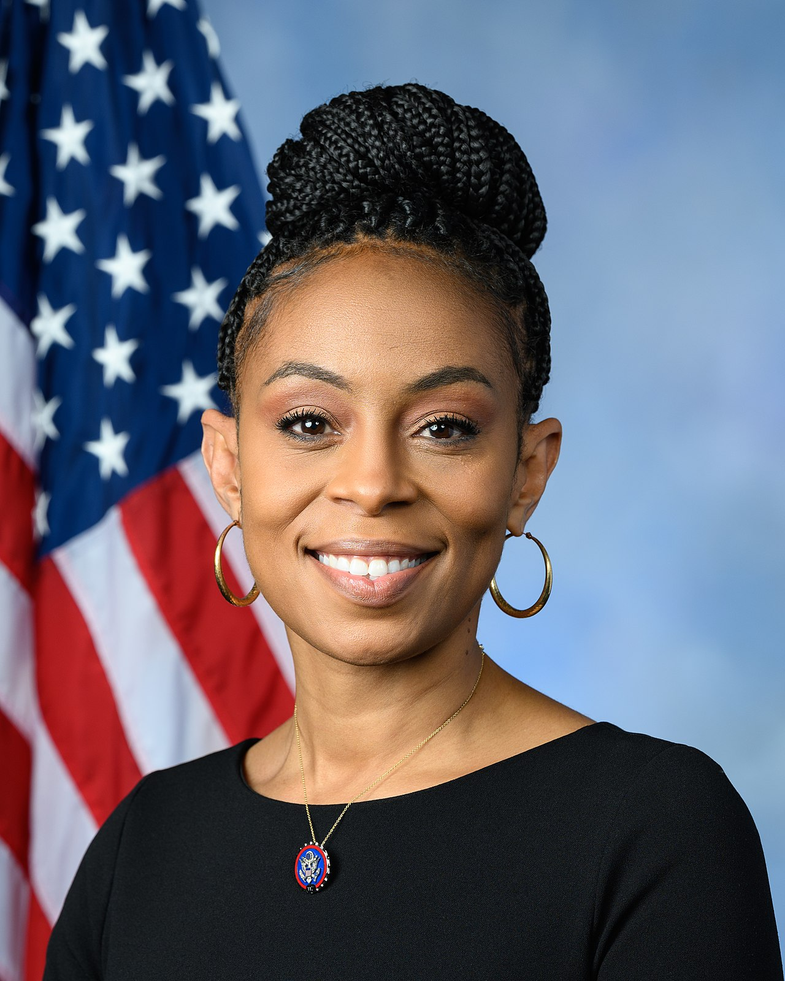
Co-Sponsor
-
TrackSalud O. Carbajal
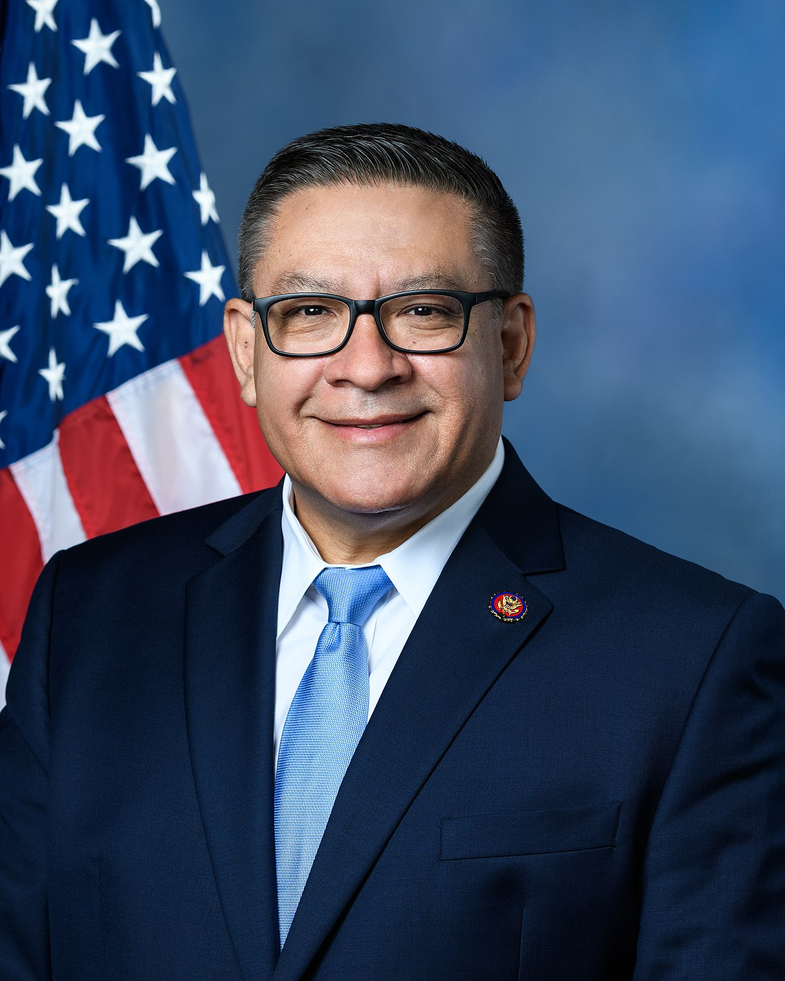
Co-Sponsor
-
TrackMike Carey

Co-Sponsor
-
TrackTroy A. Carter
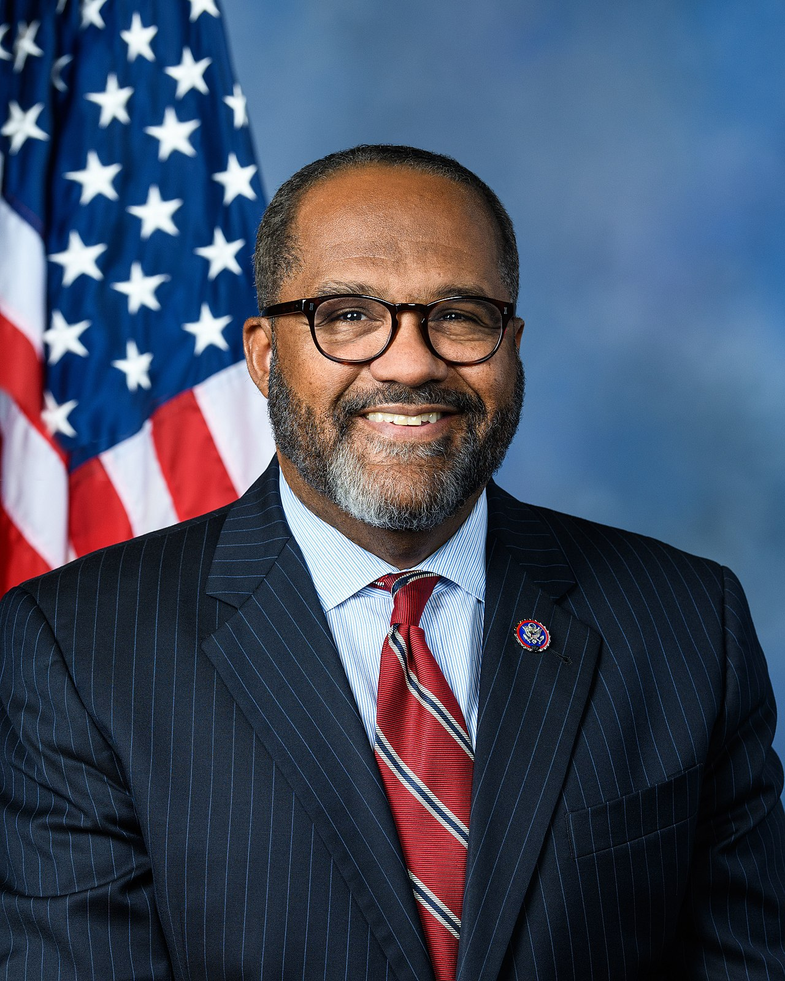
Co-Sponsor
-
TrackJohn R. Carter
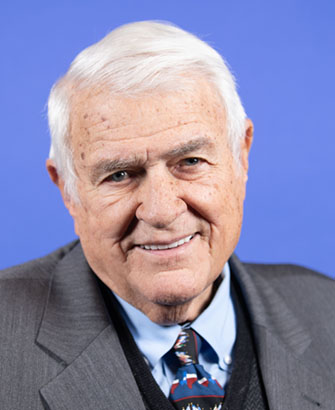
Co-Sponsor
-
TrackEarl L. "Buddy" Carter
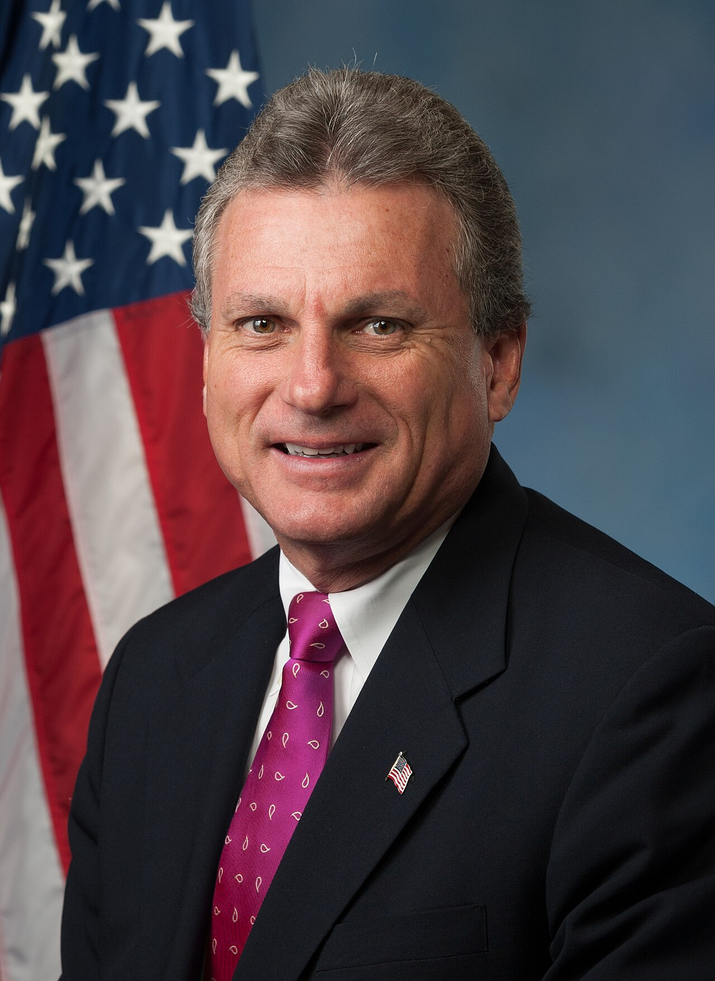
Co-Sponsor
-
TrackJuan Ciscomani
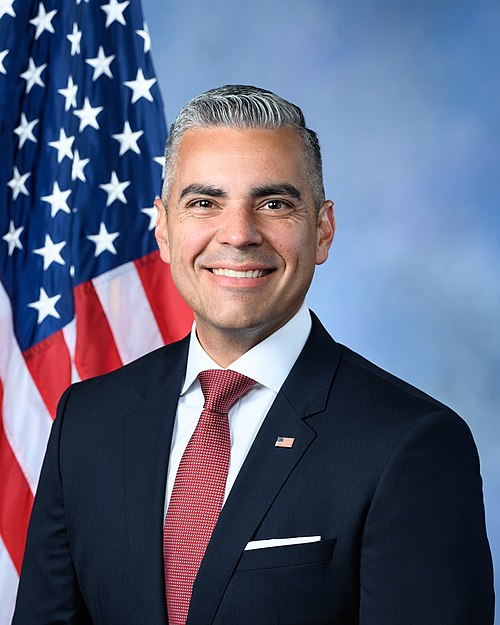
Co-Sponsor
-
TrackEmanuel Cleaver
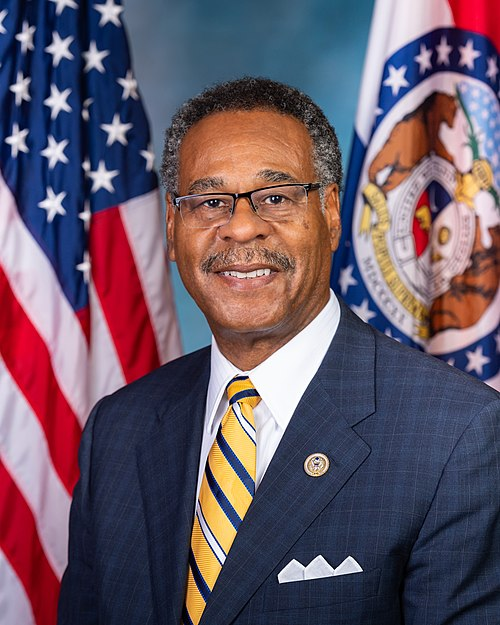
Co-Sponsor
-
TrackJames E. Clyburn
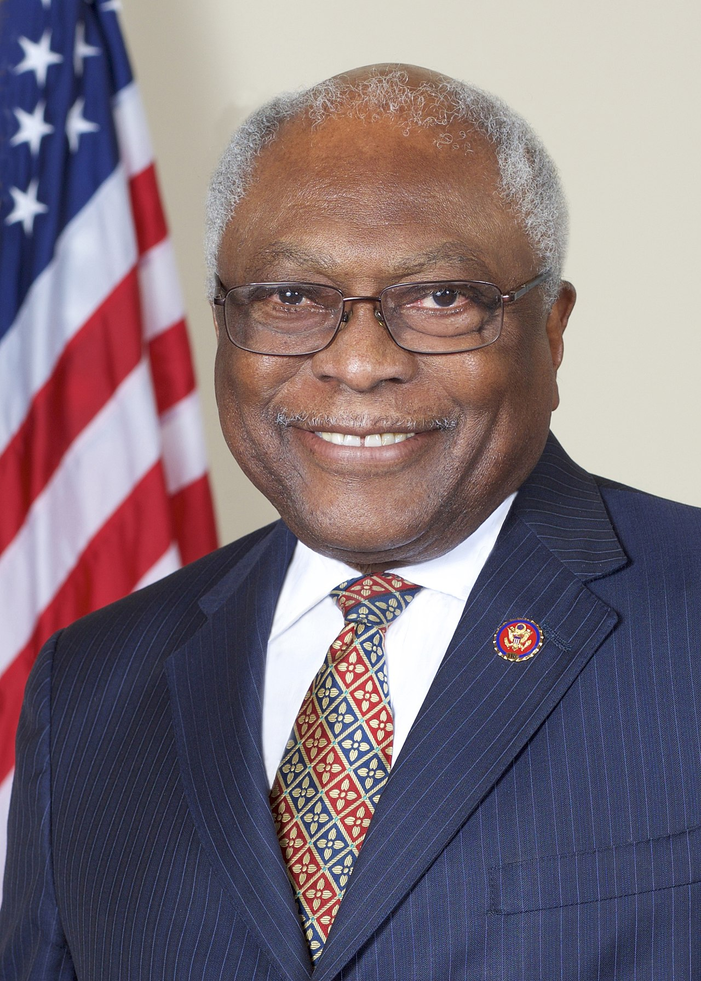
Co-Sponsor
-
TrackSteve Cohen
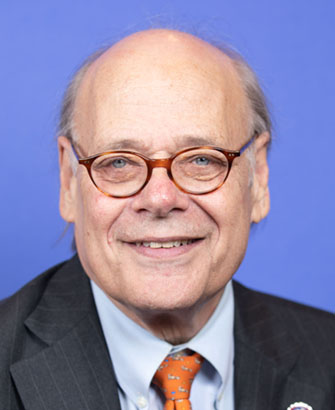
Co-Sponsor
-
TrackTom Cole
Co-Sponsor
-
TrackMike Collins
Co-Sponsor
-
TrackJim Costa
Co-Sponsor
-
TrackEric A. "Rick" Crawford
Co-Sponsor
-
TrackHenry Cuellar
Co-Sponsor
-
TrackDonald G. Davis
Co-Sponsor
-
TrackMonica De La Cruz
Co-Sponsor
-
TrackScott DesJarlais
Co-Sponsor
-
TrackJake Ellzey
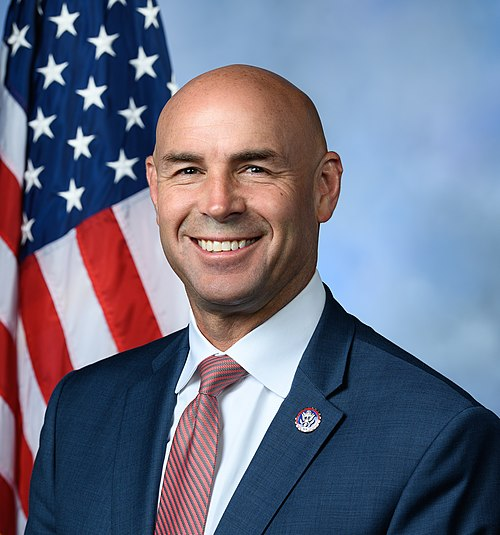
Co-Sponsor
-
TrackAdriano Espaillat
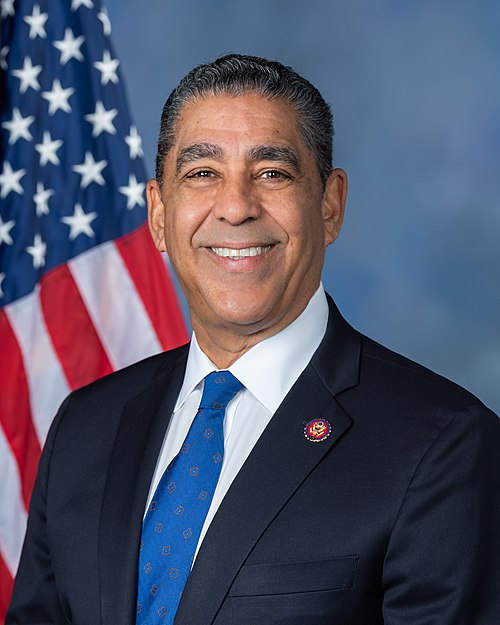
Co-Sponsor
-
TrackMike Ezell
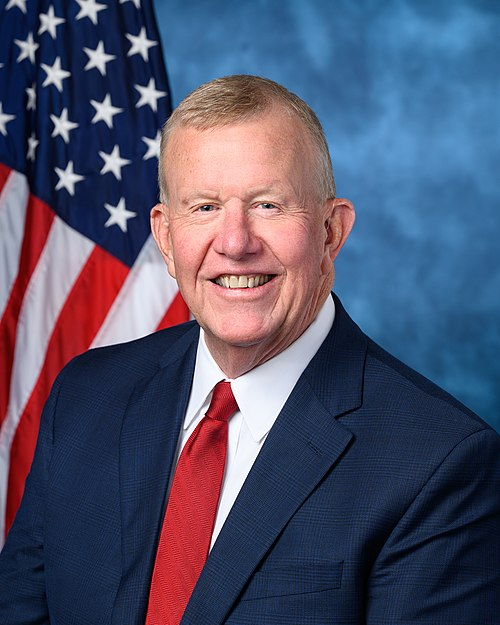
Co-Sponsor
-
TrackPat Fallon
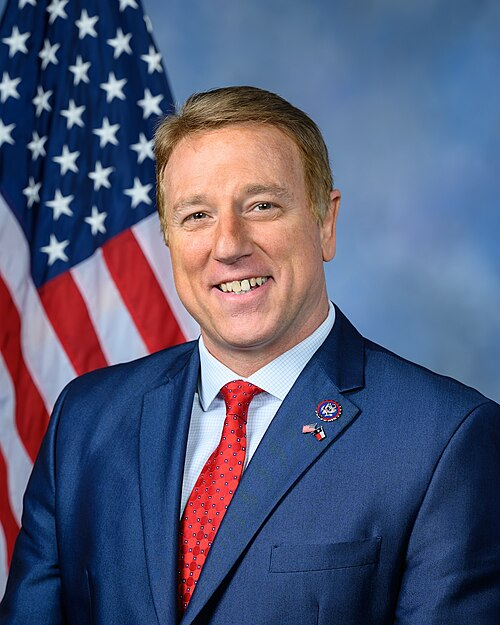
Co-Sponsor
-
TrackShomari Figures
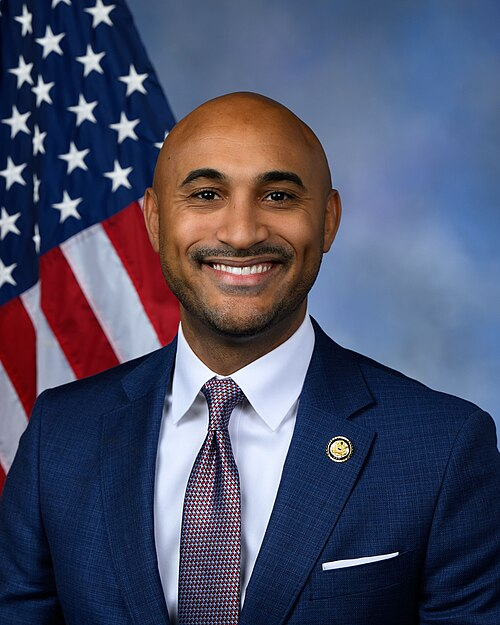
Co-Sponsor
-
TrackBrad Finstad
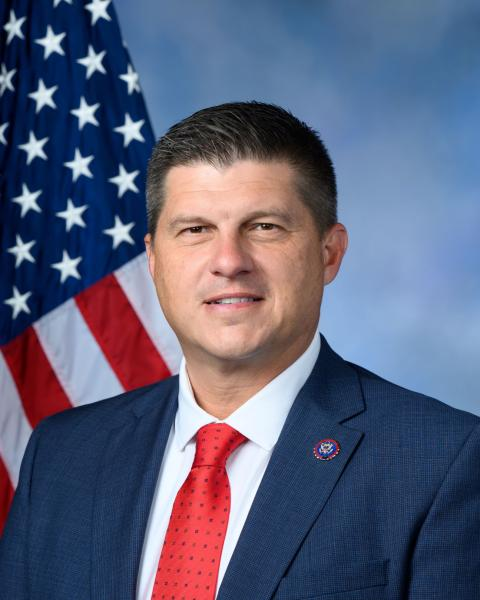
Co-Sponsor
-
TrackVince Fong
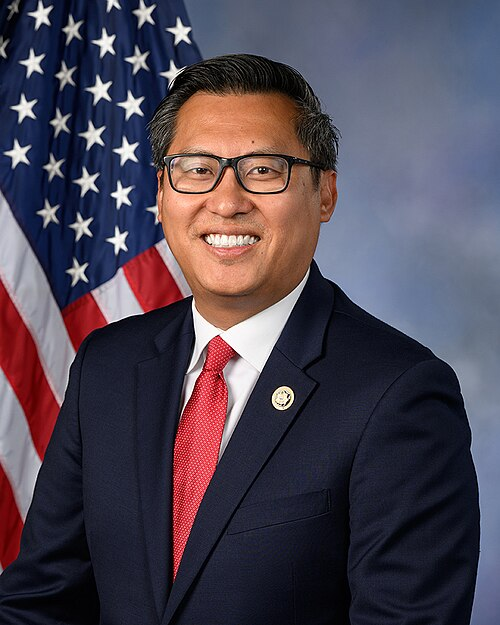
Co-Sponsor
-
TrackValerie P. Foushee
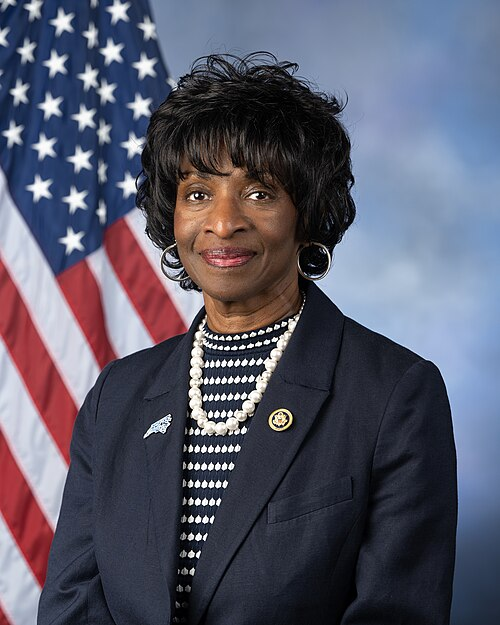
Co-Sponsor
-
TrackSylvia R. Garcia
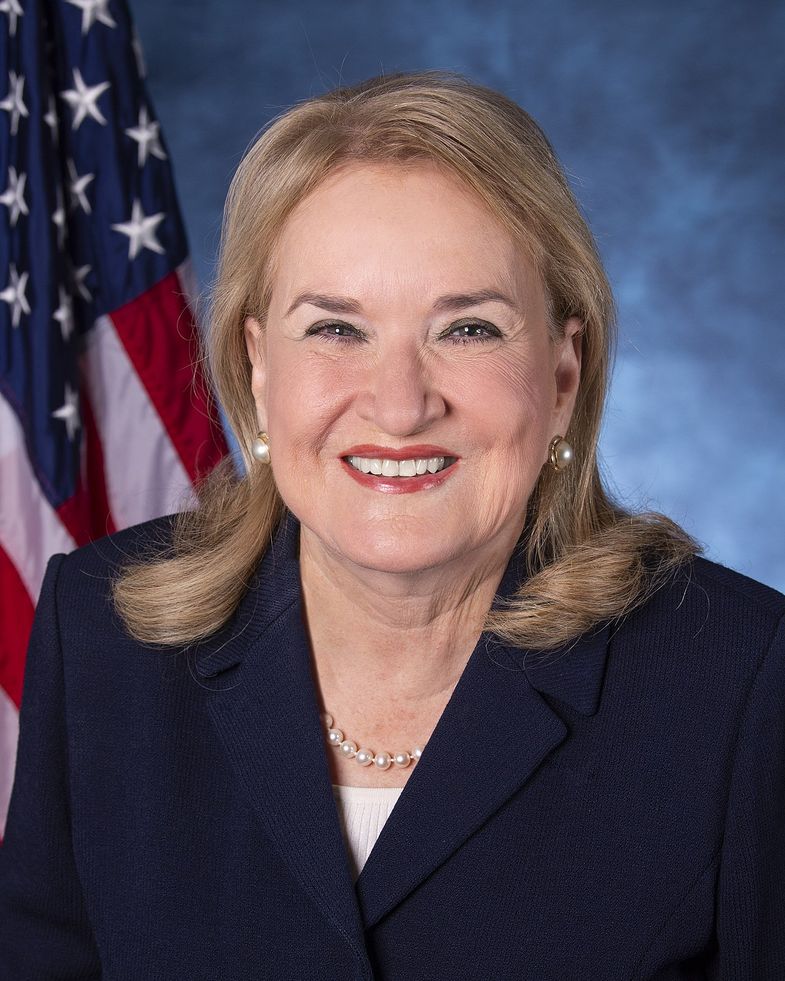
Co-Sponsor
-
TrackVicente Gonzalez
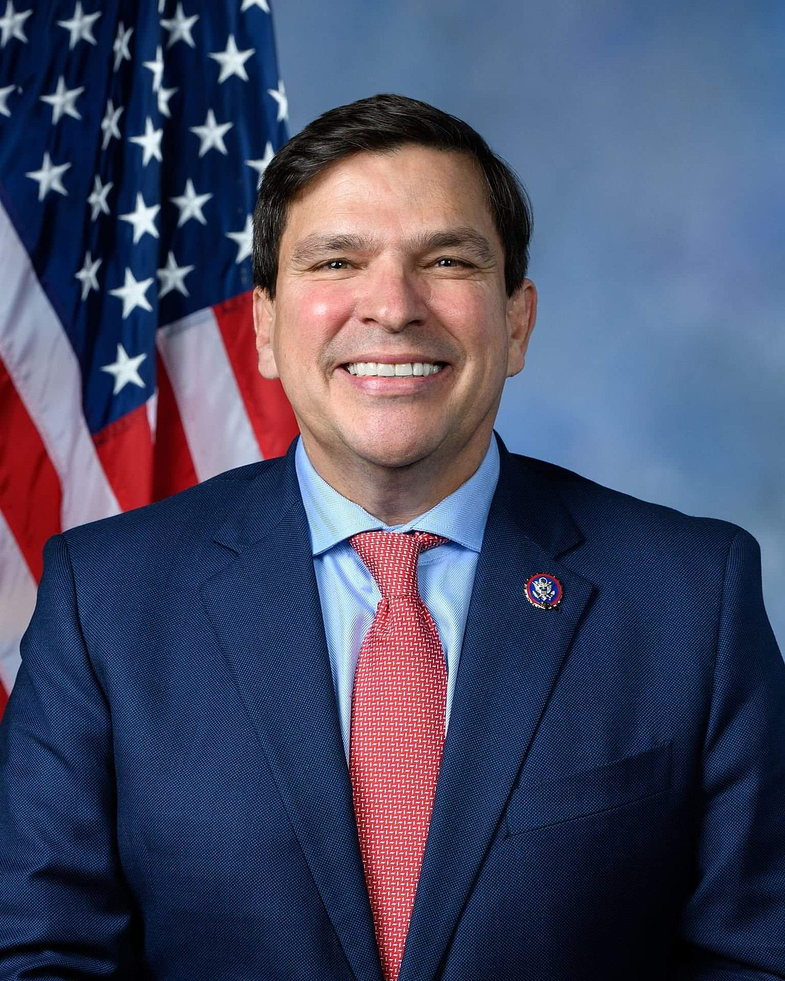
Co-Sponsor
-
TrackPaul A. Gosar

Co-Sponsor
-
TrackJosh Gottheimer
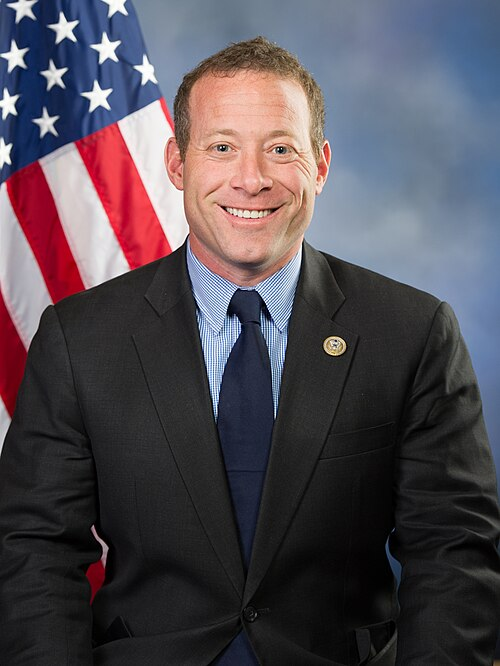
Co-Sponsor
-
TrackAdam Gray
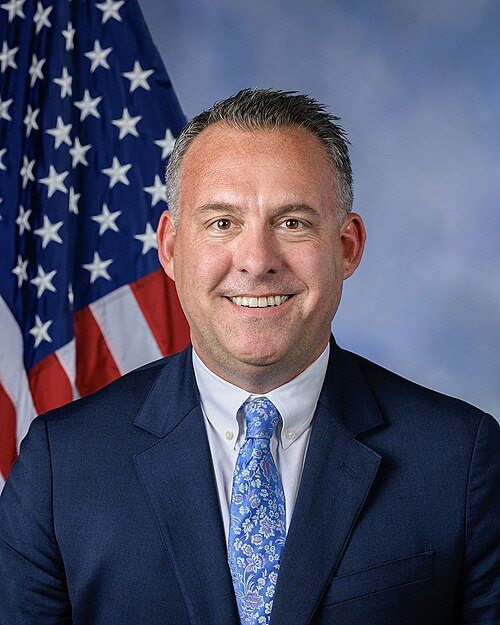
Co-Sponsor
-
TrackMichael Guest
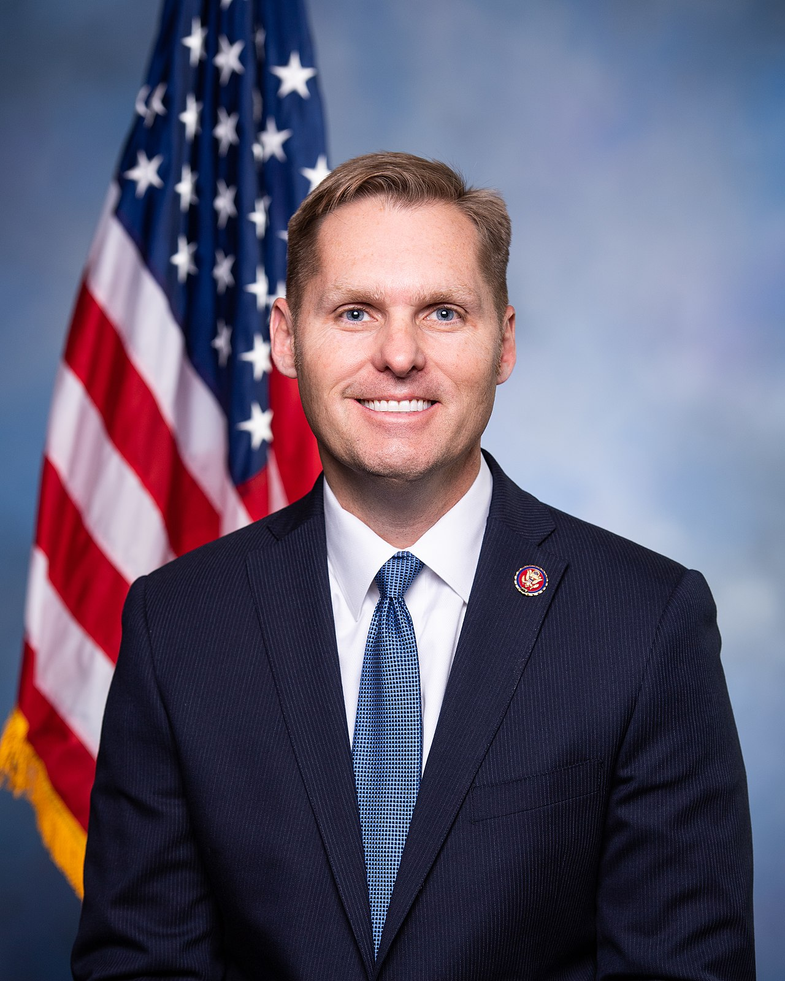
Co-Sponsor
-
TrackJosh Harder

Co-Sponsor
-
TrackAndy Harris
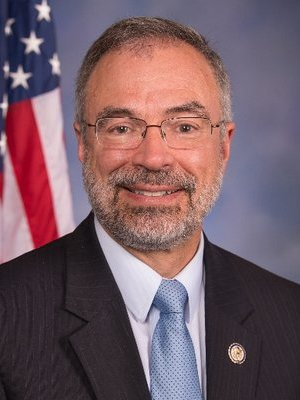
Co-Sponsor
-
TrackMark Harris
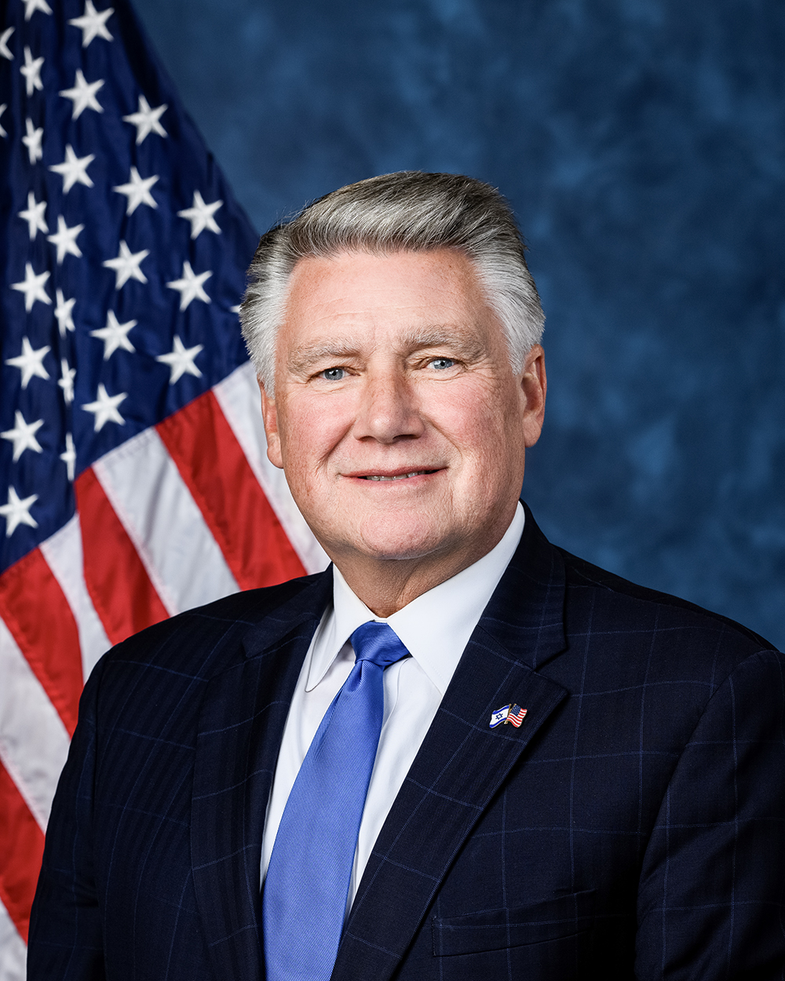
Co-Sponsor
-
TrackJahana Hayes
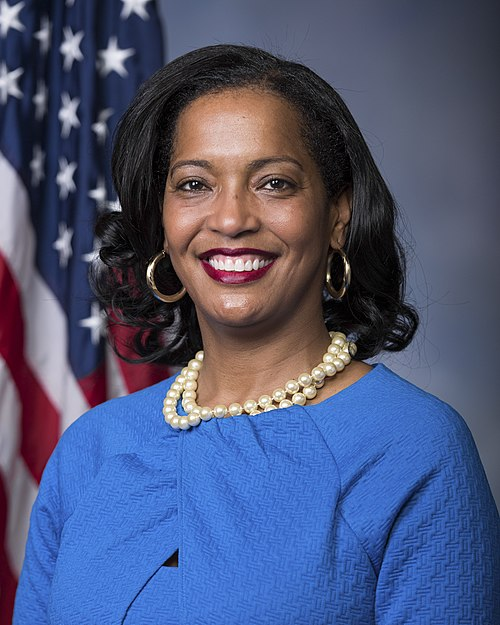
Co-Sponsor
-
TrackJ. French Hill
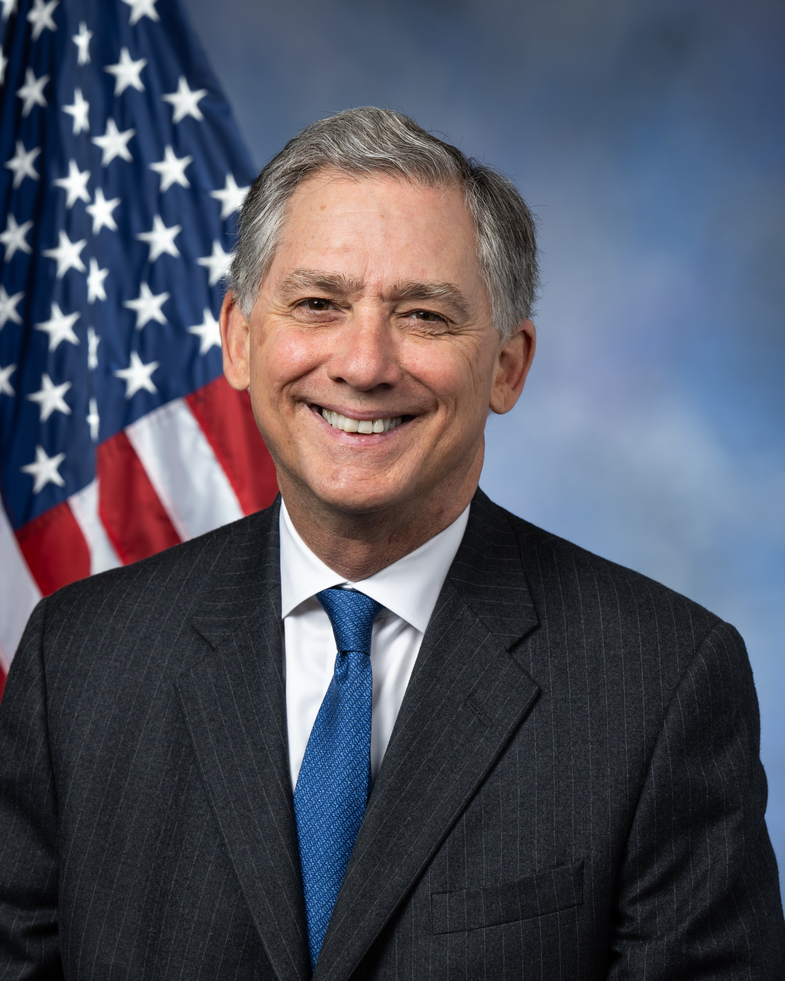
Co-Sponsor
-
TrackRichard Hudson
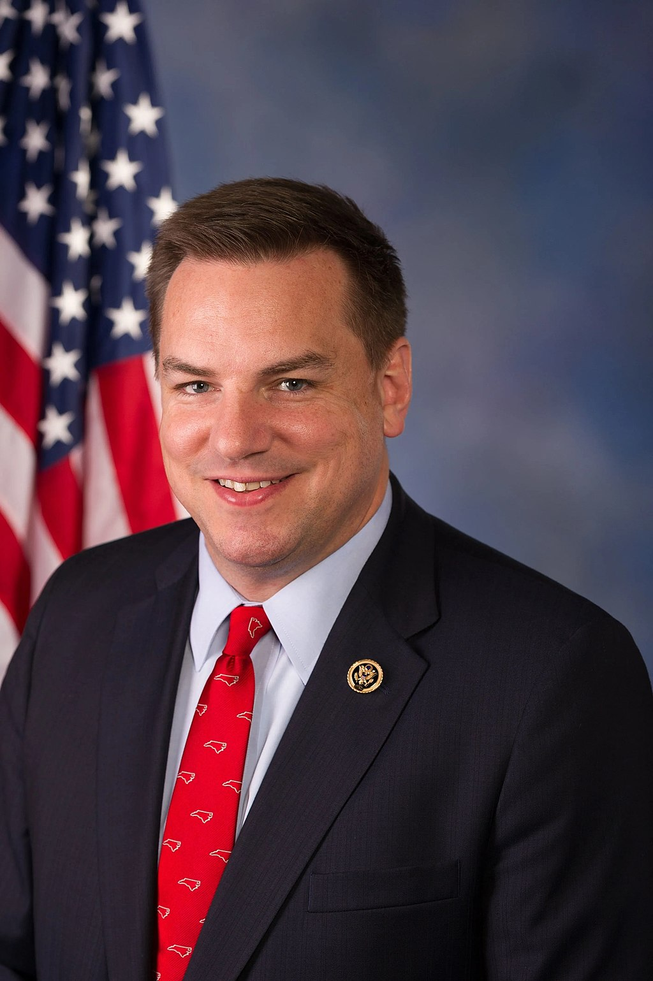
Co-Sponsor
-
TrackBrian Jack
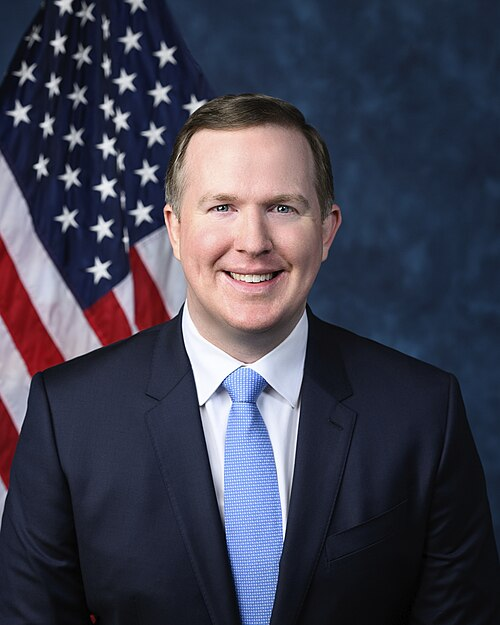
Co-Sponsor
-
TrackRonny Jackson
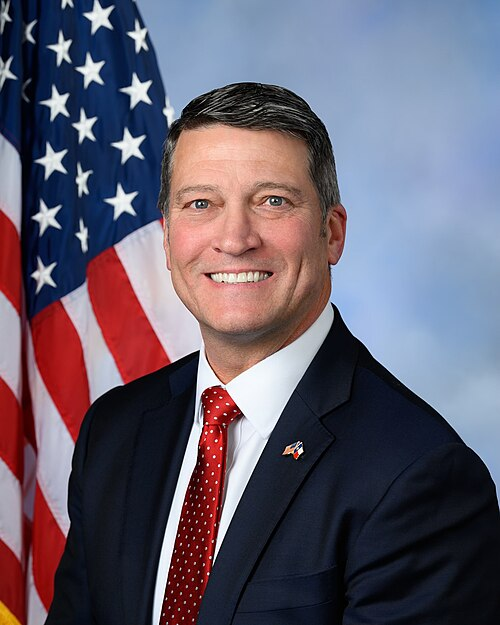
Co-Sponsor
-
TrackHenry C. "Hank" Johnson, Jr.

Co-Sponsor
-
TrackJohn Joyce
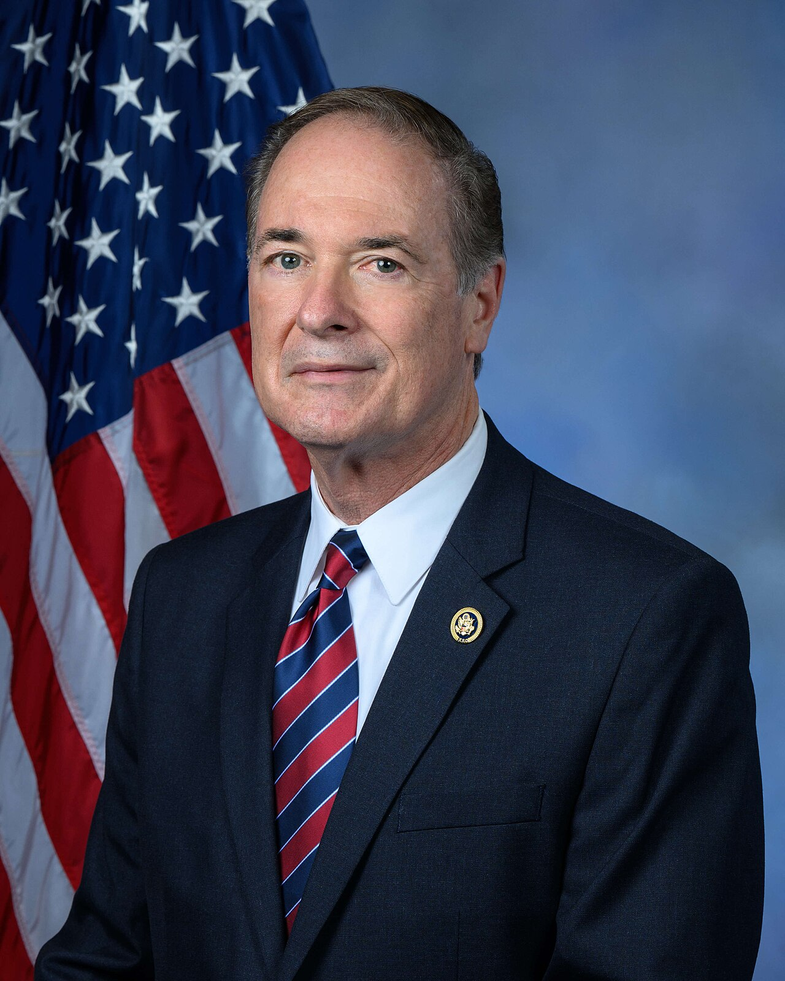
Co-Sponsor
-
TrackSydney Kamlager-Dove
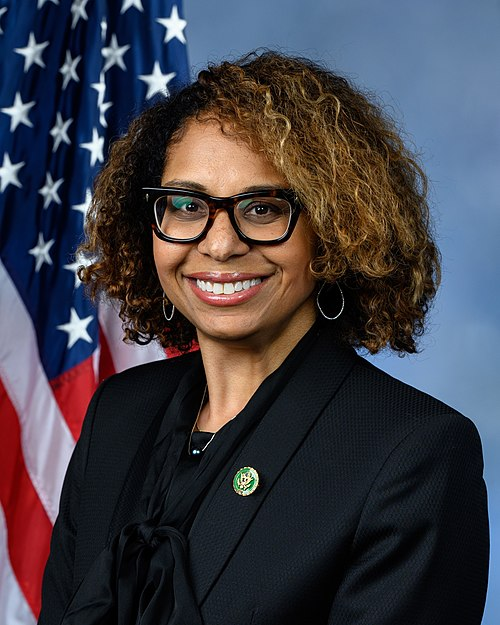
Co-Sponsor
-
TrackTrent Kelly
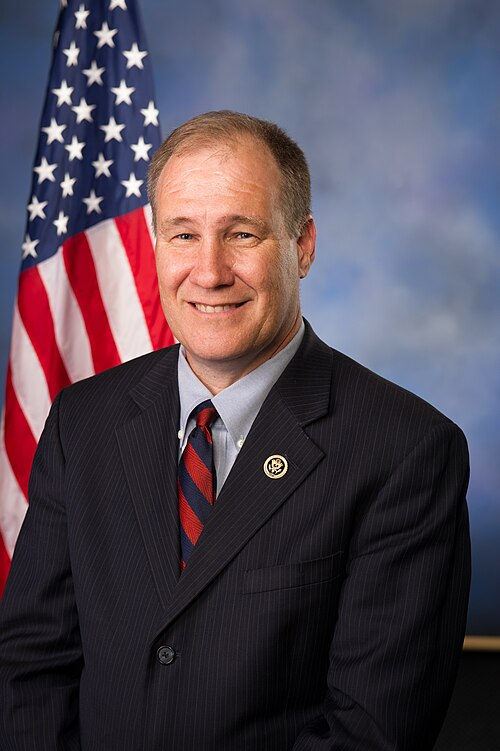
Co-Sponsor
-
TrackJennifer Kiggans
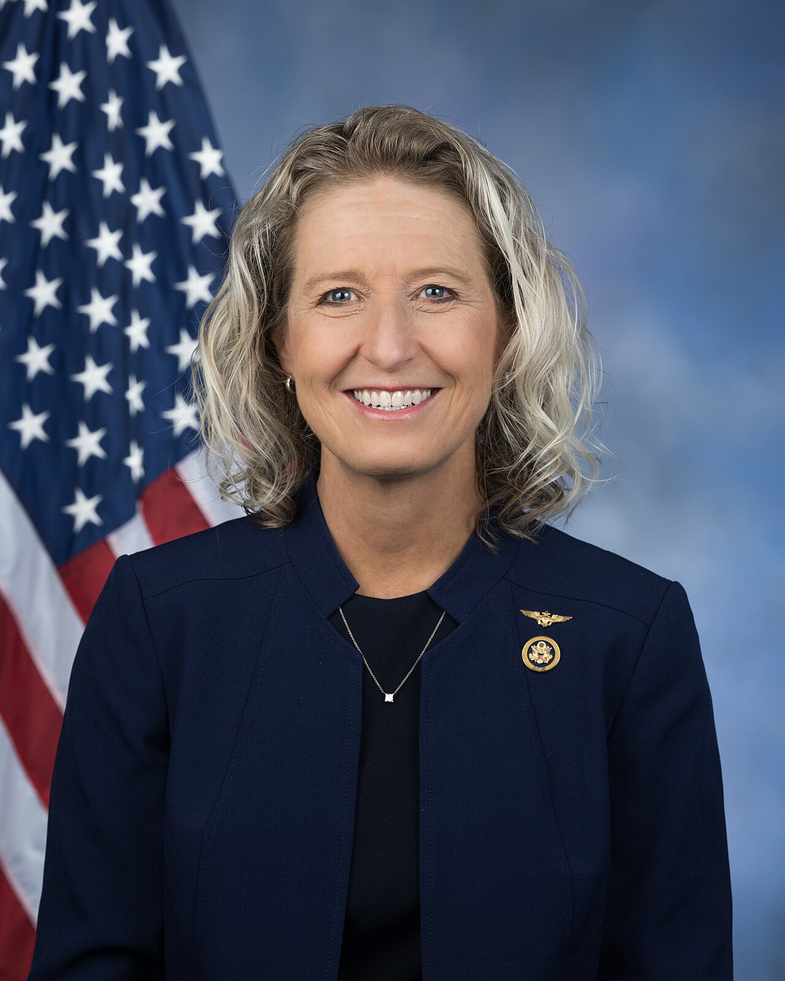
Co-Sponsor
-
TrackYoung Kim

Co-Sponsor
-
TrackBrad Knott
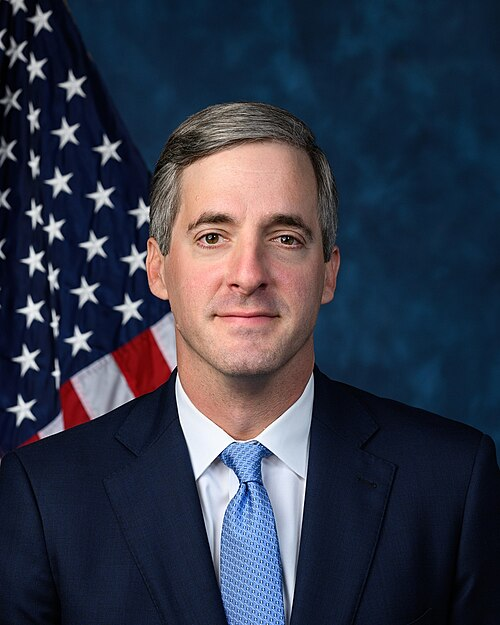
Co-Sponsor
-
TrackDavid Kustoff
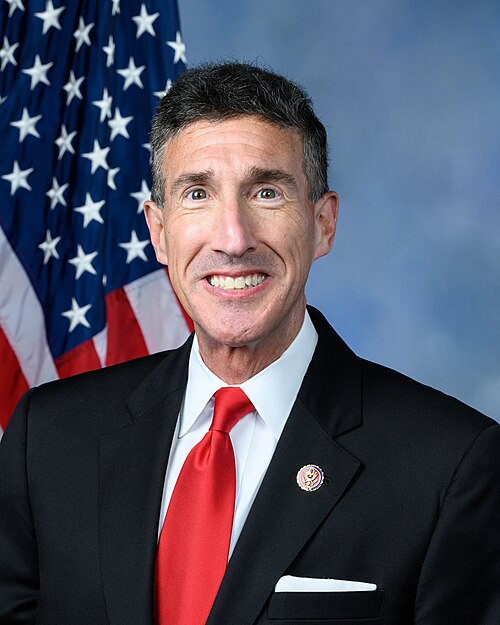
Co-Sponsor
-
TrackMichael Lawler
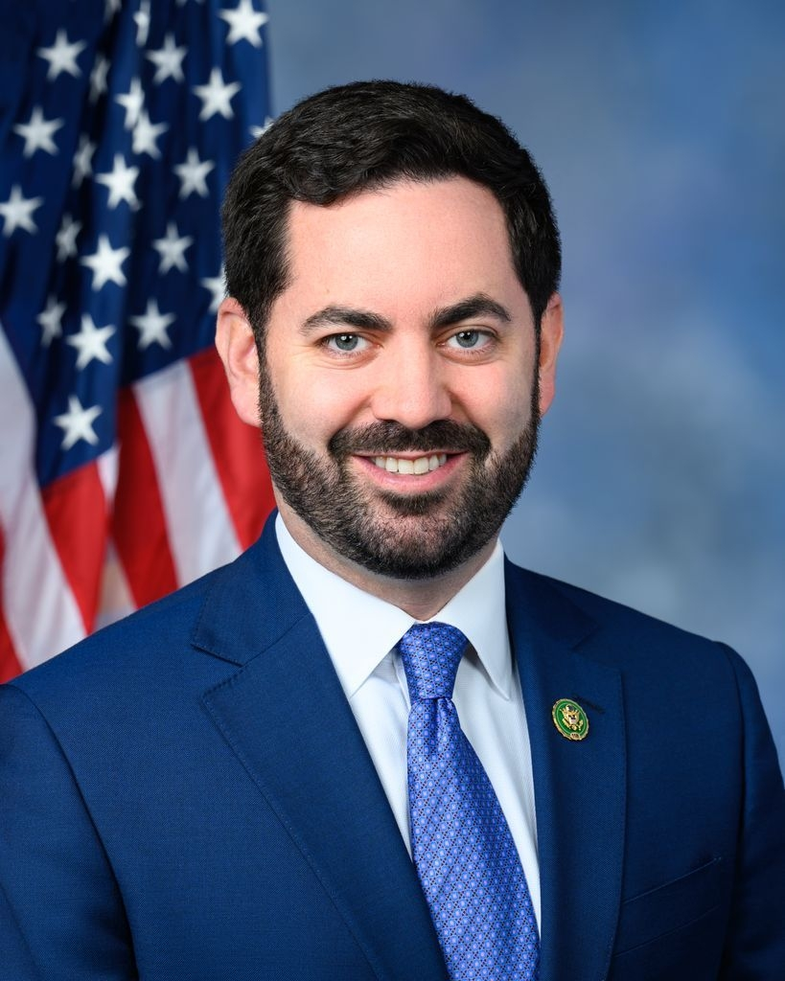
Co-Sponsor
-
TrackJulia Letlow

Co-Sponsor
-
TrackBarry Loudermilk
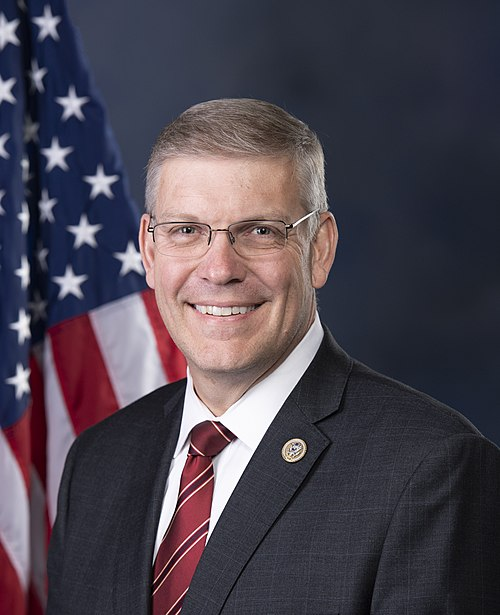
Co-Sponsor
-
TrackFrank D. Lucas
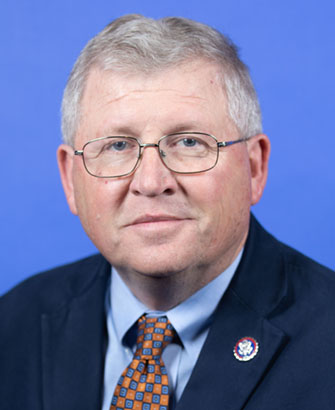
Co-Sponsor
-
TrackTracey Mann
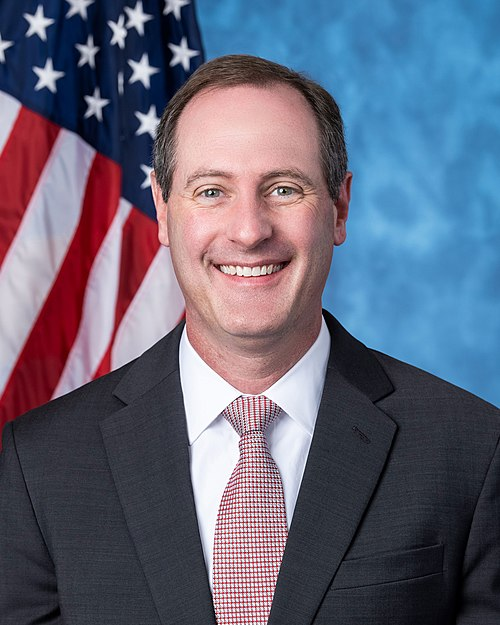
Co-Sponsor
-
TrackLucy McBath
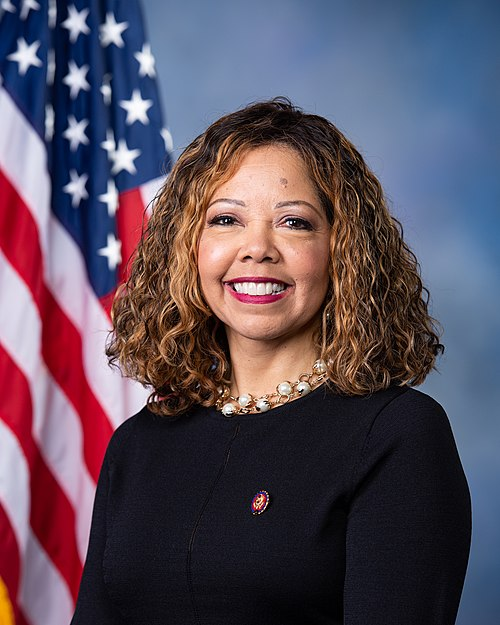
Co-Sponsor
-
TrackMichael T. McCaul
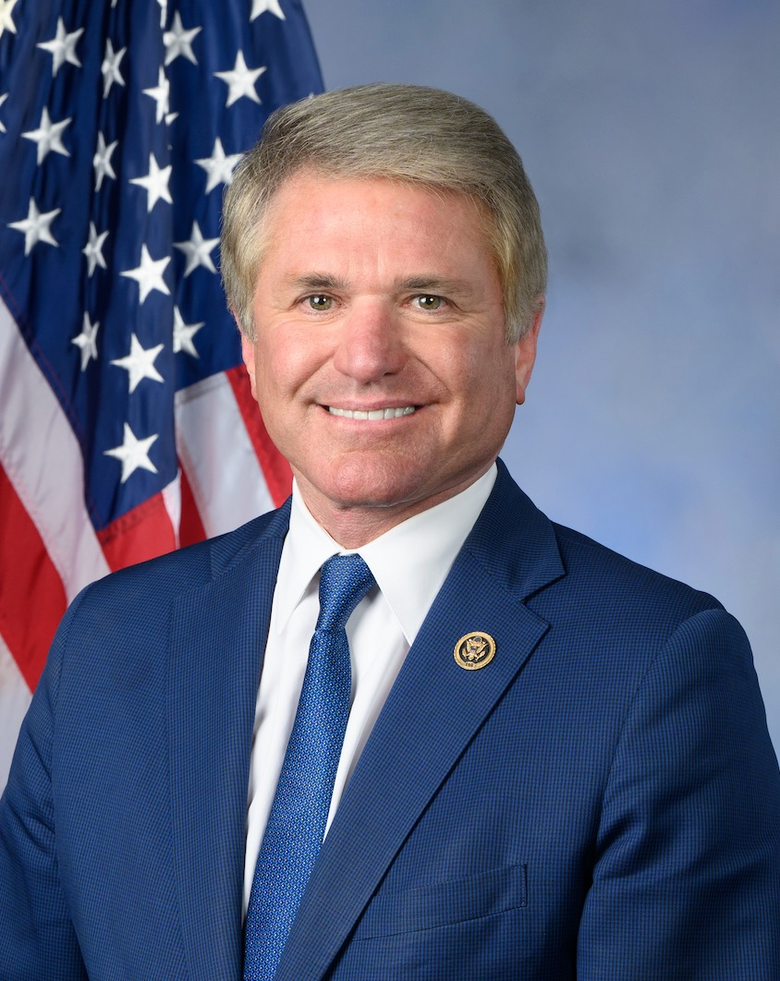
Co-Sponsor
-
TrackApril McClain Delaney
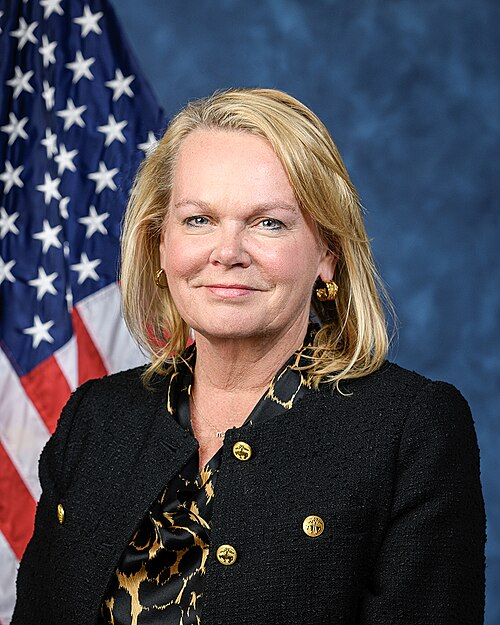
Co-Sponsor
-
TrackJennifer L. McClellan
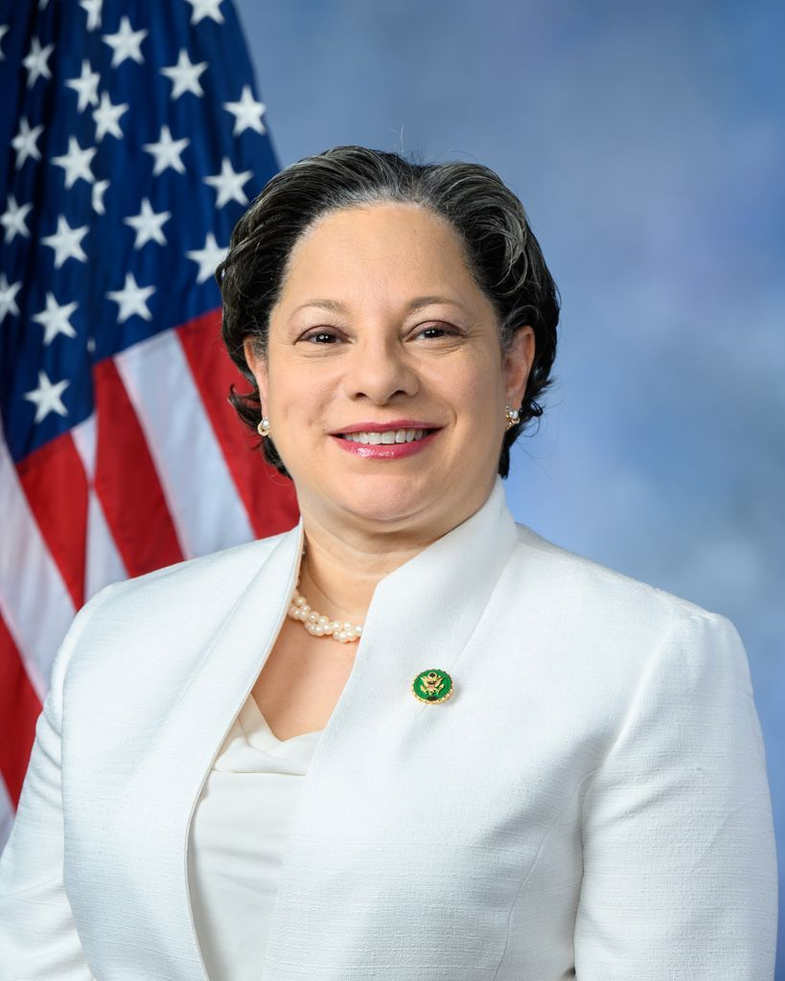
Co-Sponsor
-
TrackJames P. McGovern
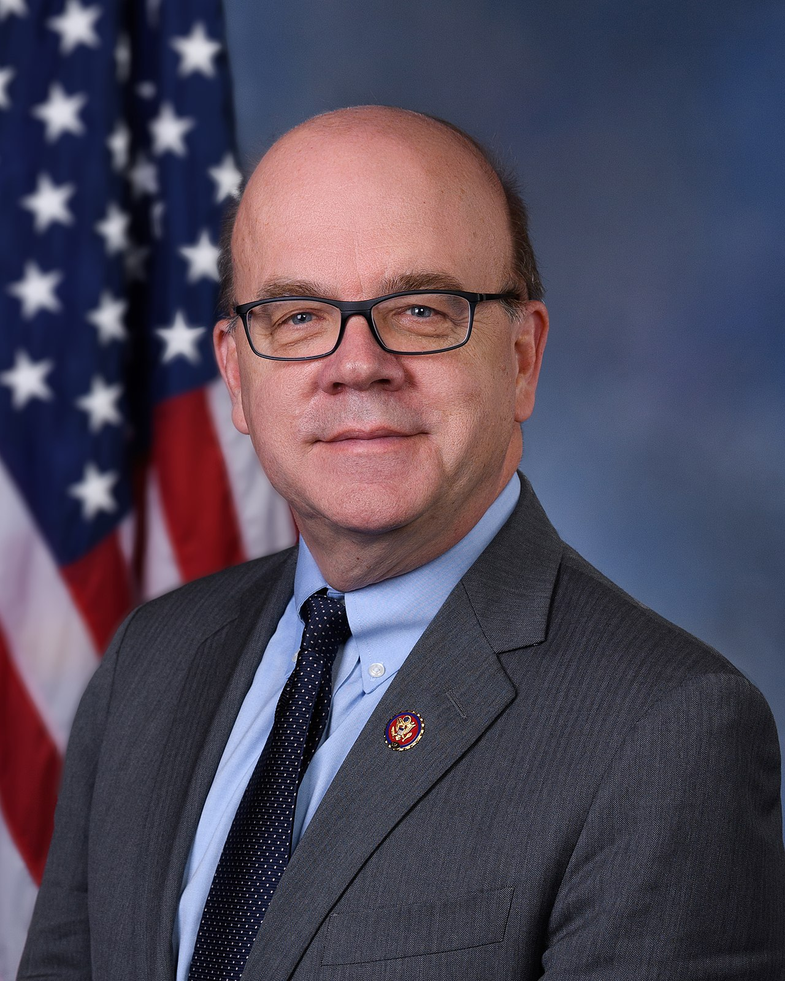
Co-Sponsor
-
TrackJohn McGuire
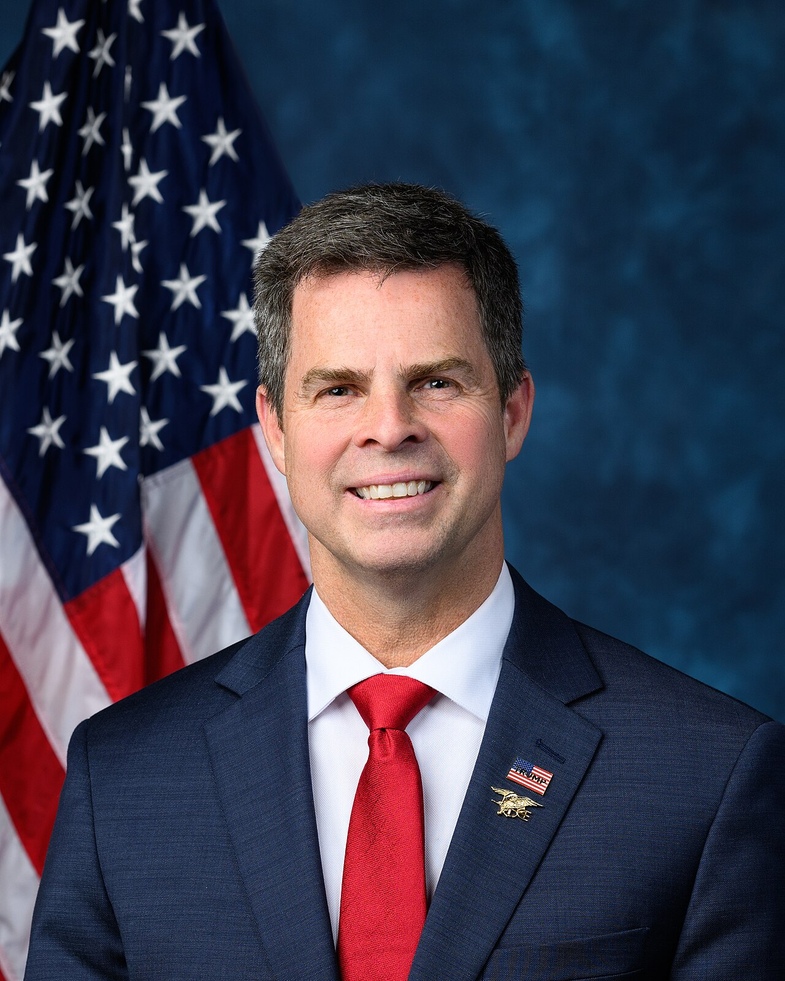
Co-Sponsor
-
TrackMary E. Miller
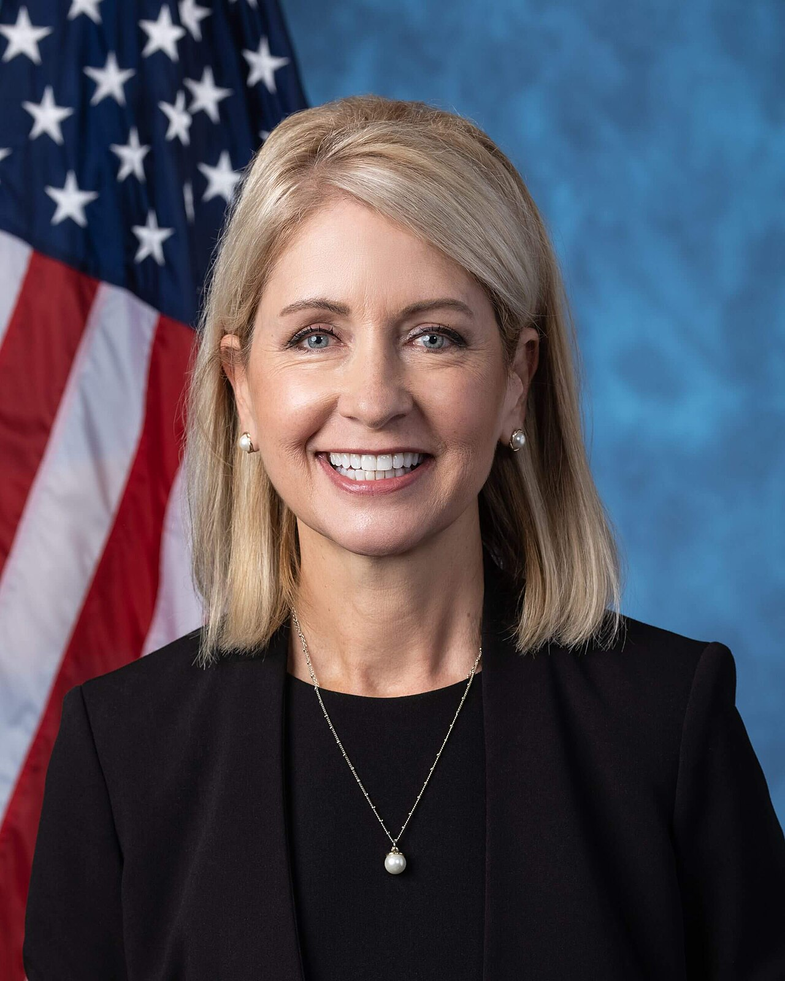
Co-Sponsor
-
TrackMax L. Miller
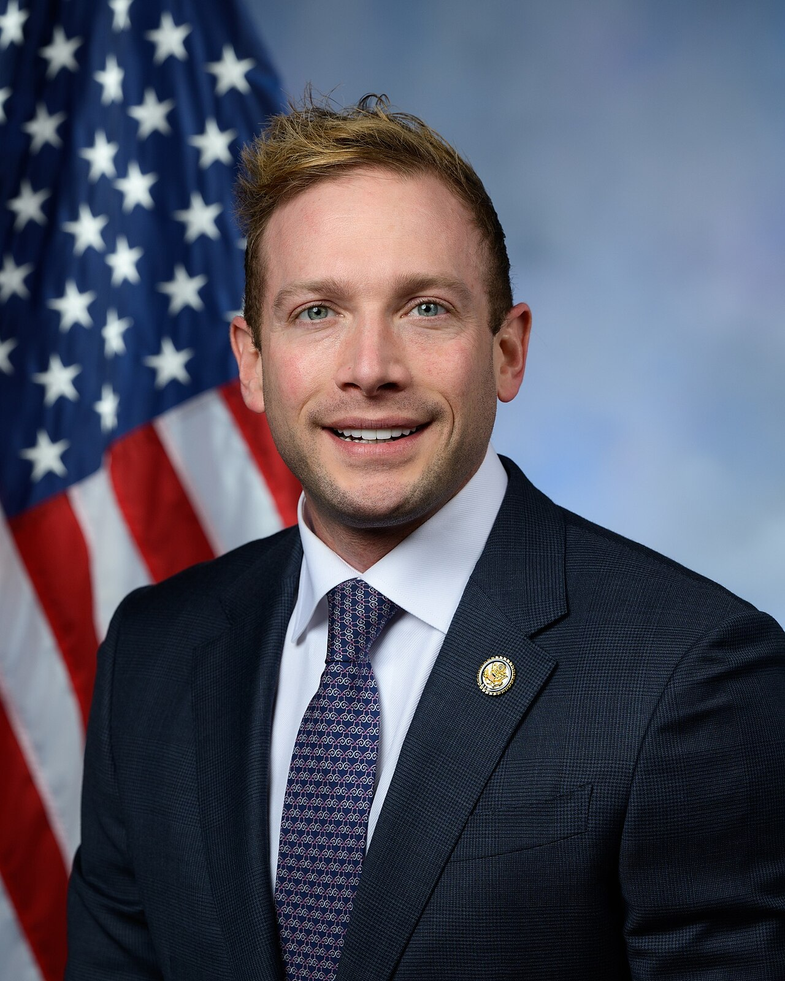
Co-Sponsor
-
TrackCarol D. Miller
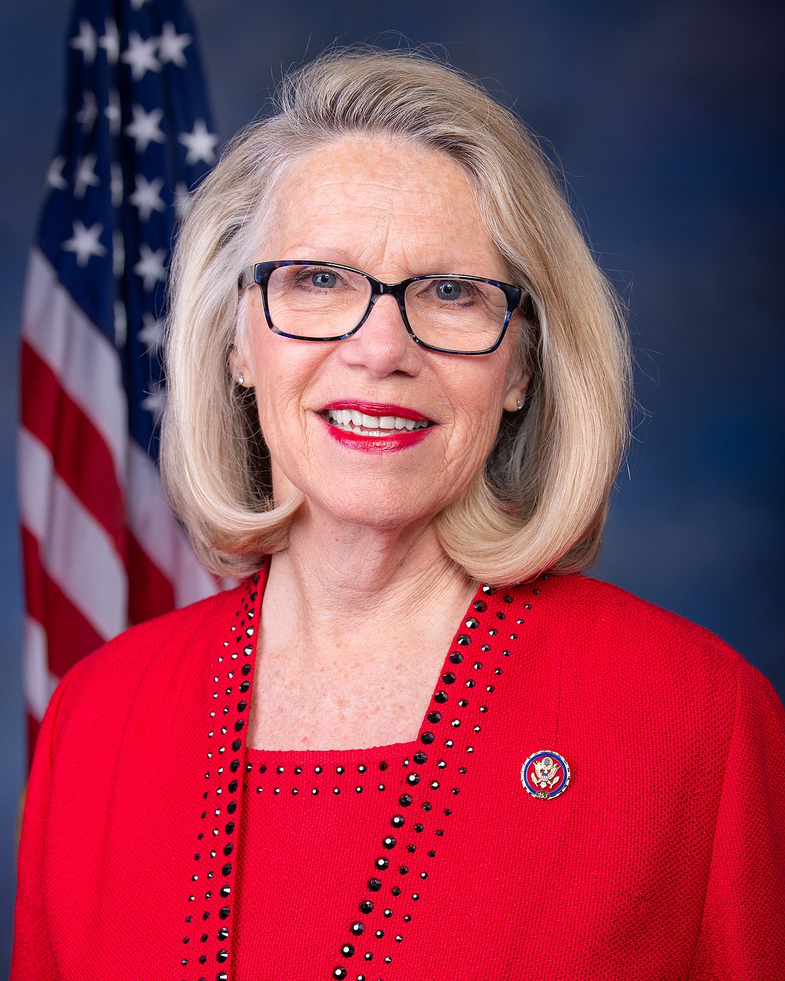
Co-Sponsor
-
TrackTim Moore
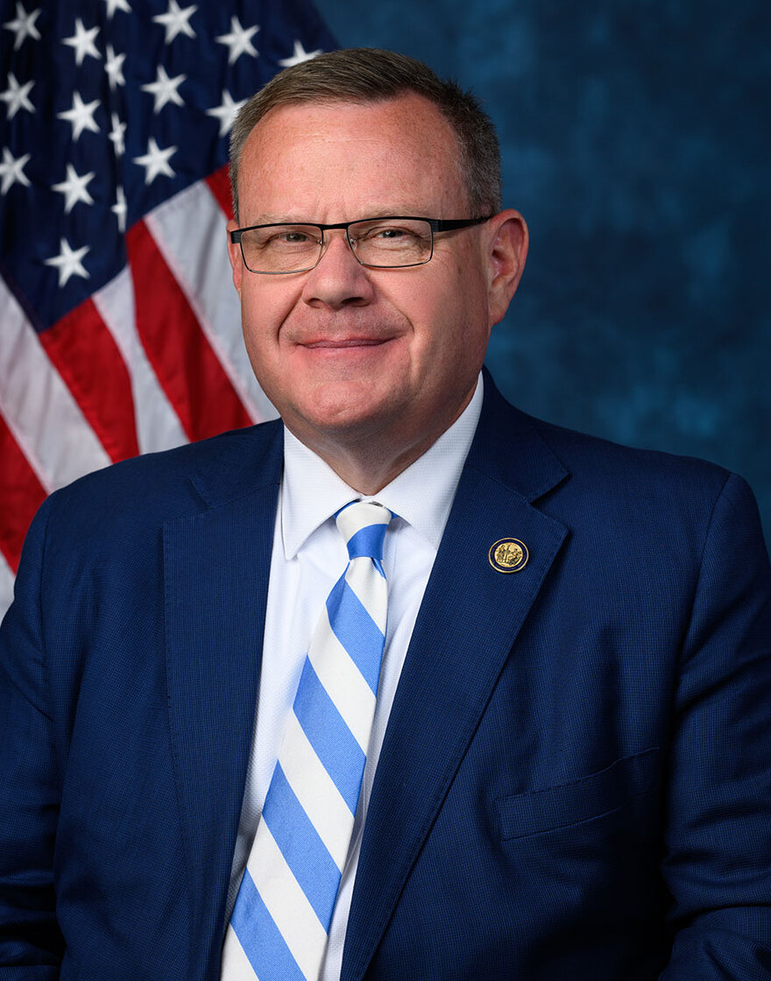
Co-Sponsor
-
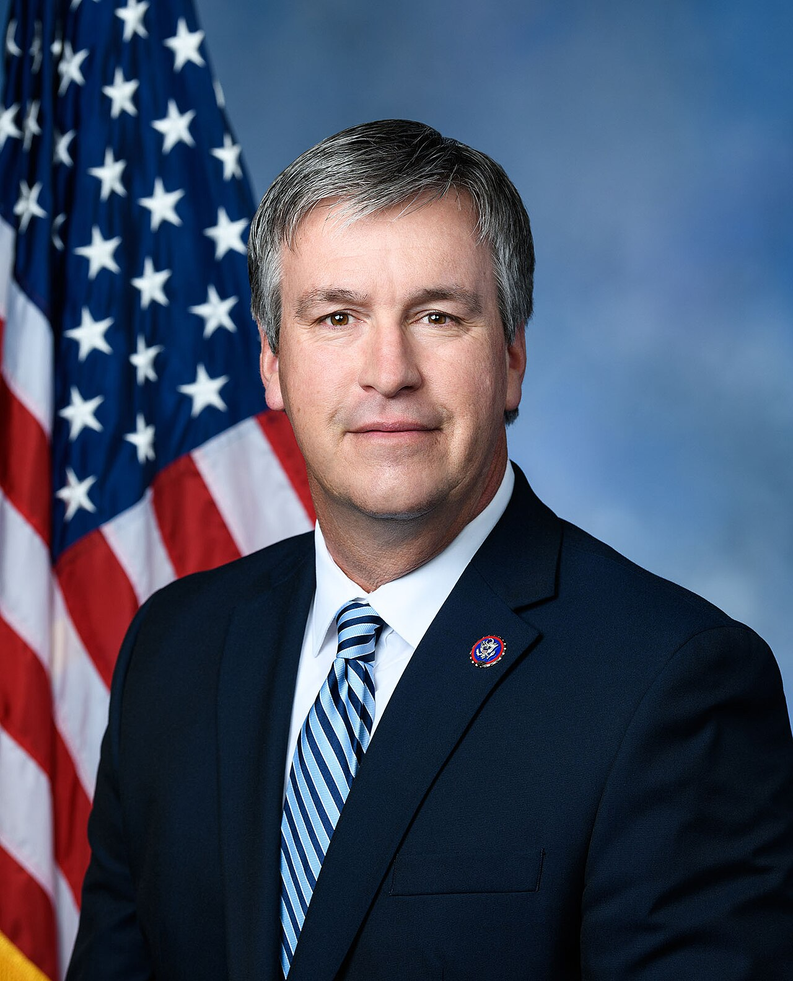
TrackBarry Moore
Co-Sponsor
-
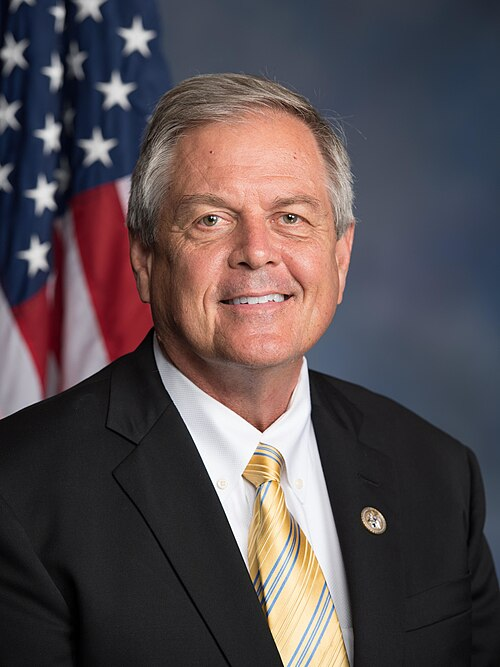
TrackRalph Norman
Co-Sponsor
-
TrackJimmy Patronis

Co-Sponsor
-
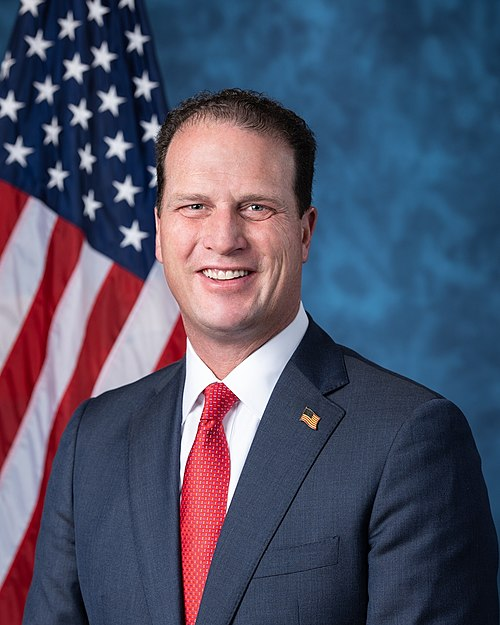
TrackAugust Pfluger
Co-Sponsor
-
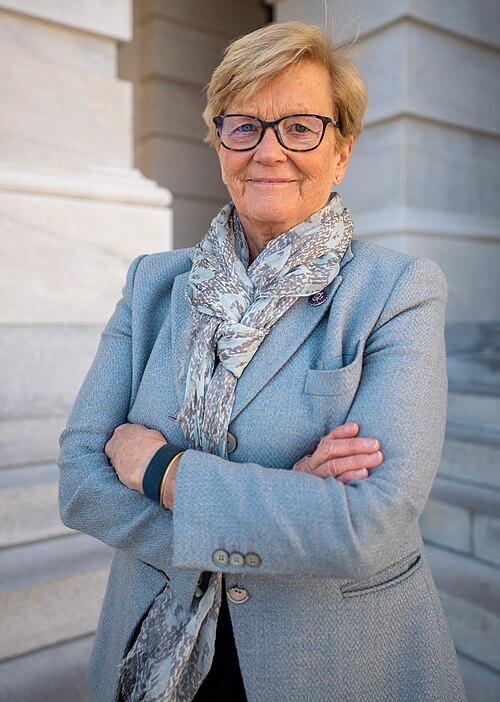
TrackChellie Pingree
Co-Sponsor
-
TrackJosh Riley

Co-Sponsor
-
TrackMike Rogers
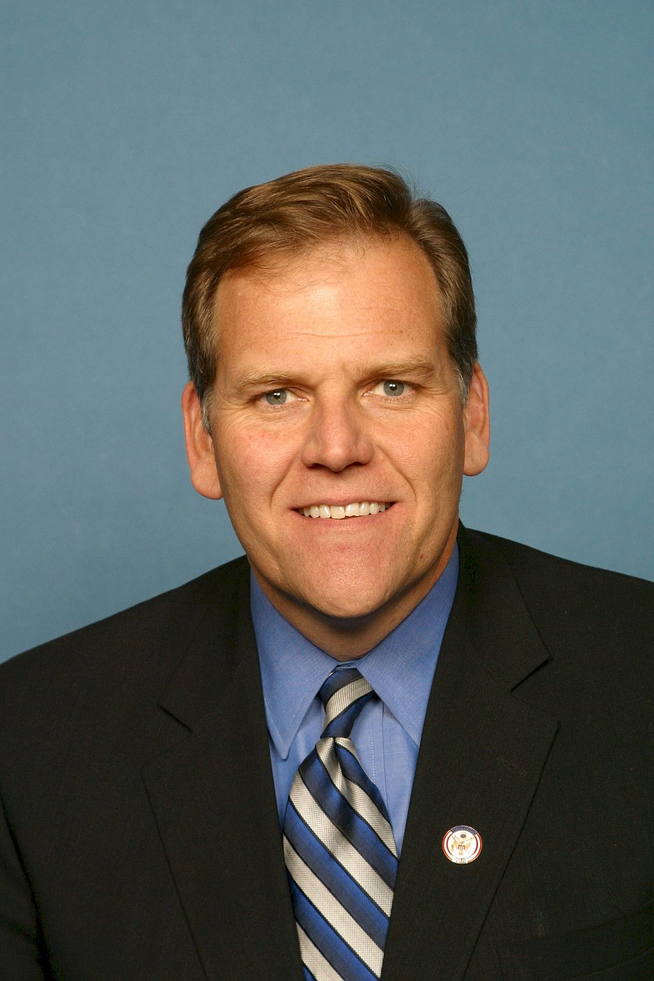
Co-Sponsor
-
TrackDeborah K. Ross
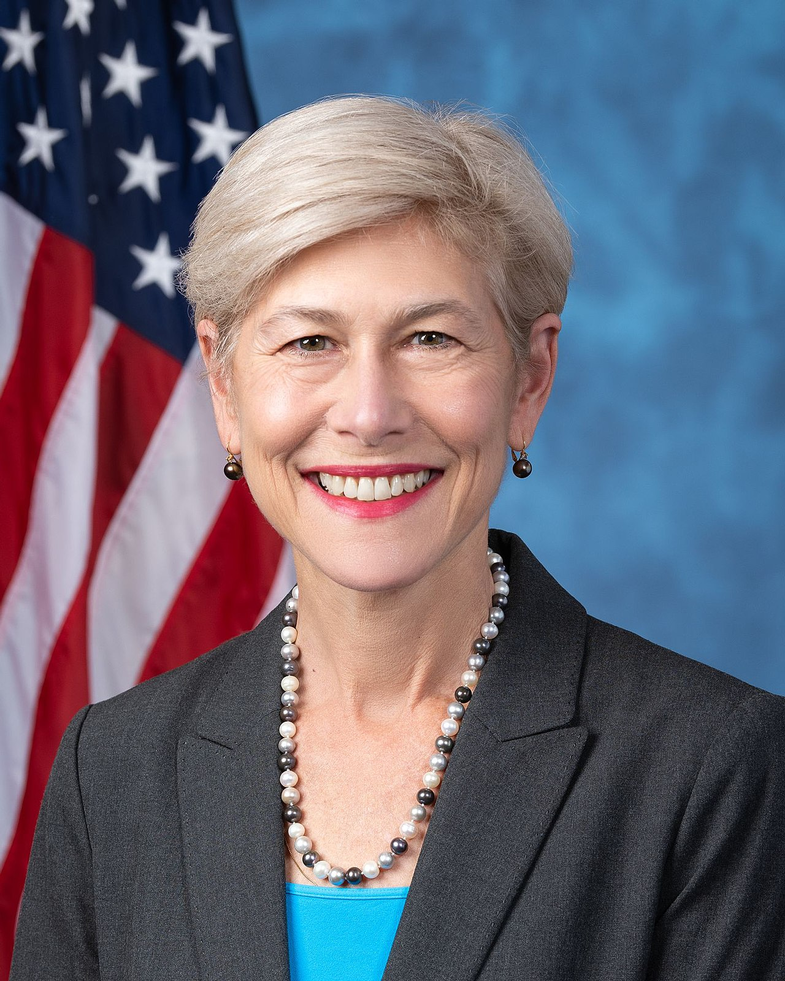
Co-Sponsor
-
TrackDavid Rouzer
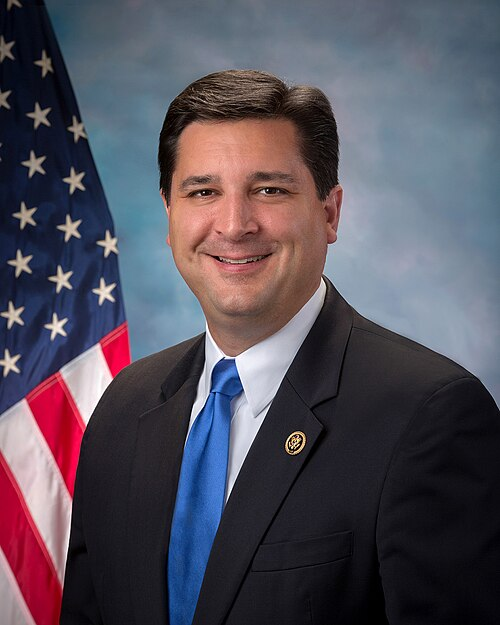
Co-Sponsor
-
TrackJohn H. Rutherford
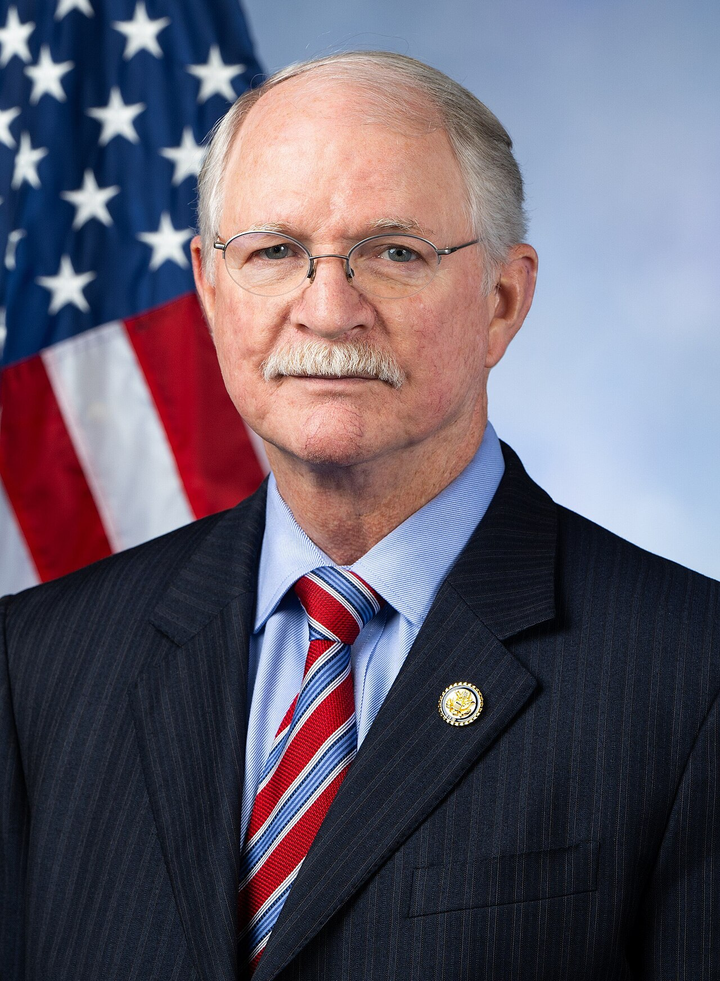
Co-Sponsor
-
TrackDavid Schweikert
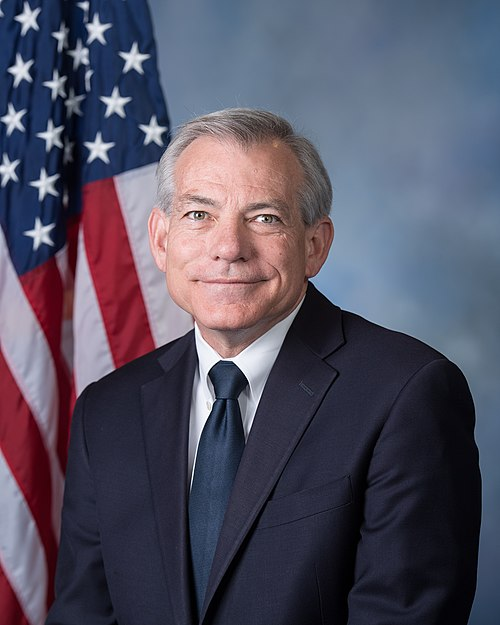
Co-Sponsor
-
TrackDavid Scott
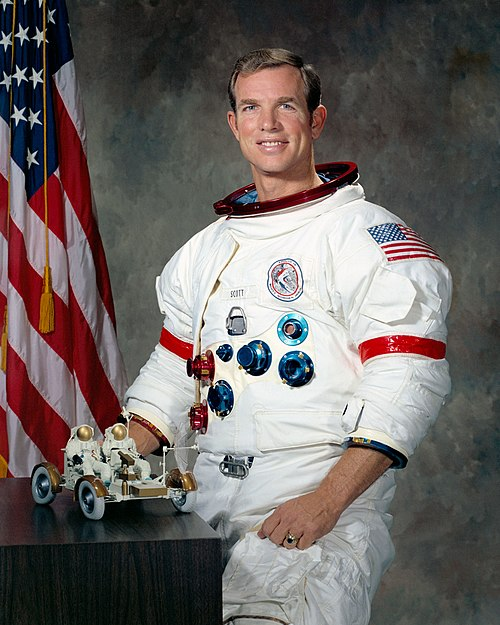
Co-Sponsor
-
TrackAustin Scott
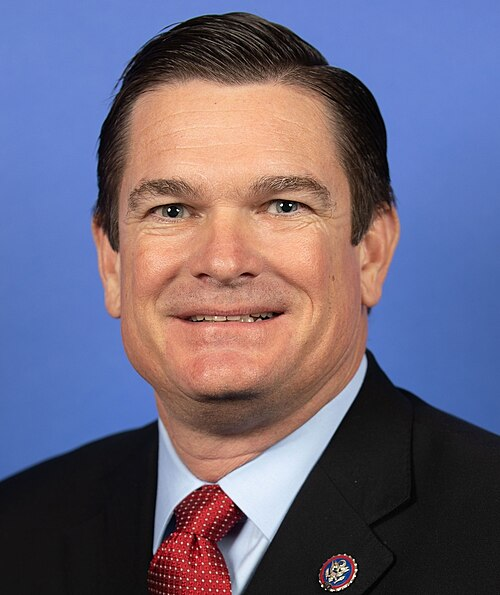
Co-Sponsor
-
TrackPete Sessions
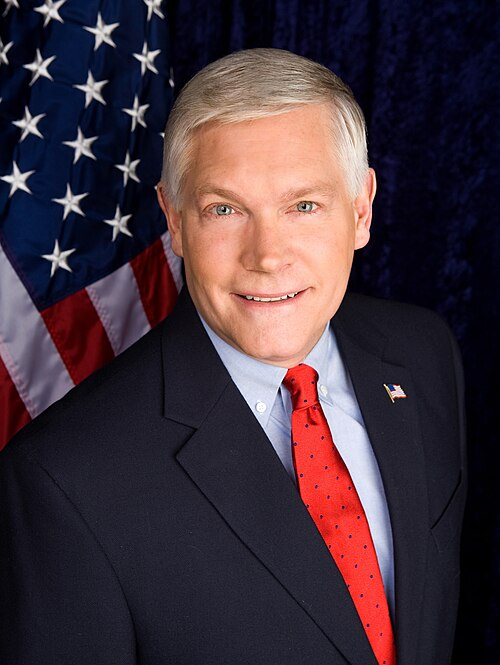
Co-Sponsor
-
TrackTerri A. Sewell
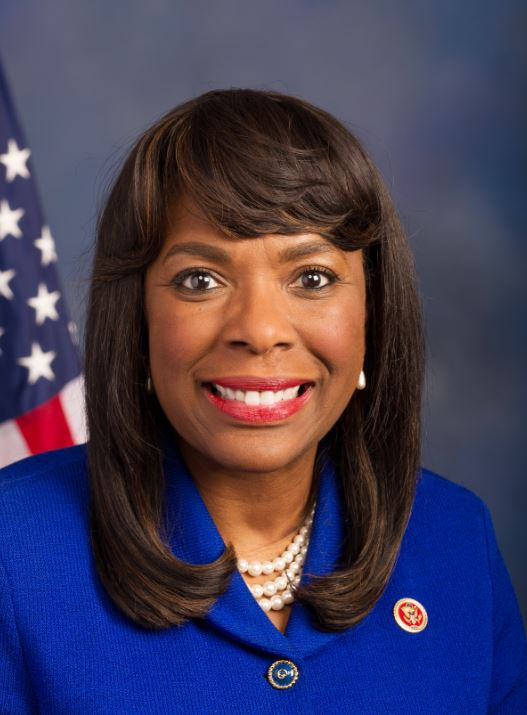
Co-Sponsor
-
TrackGreg Stanton
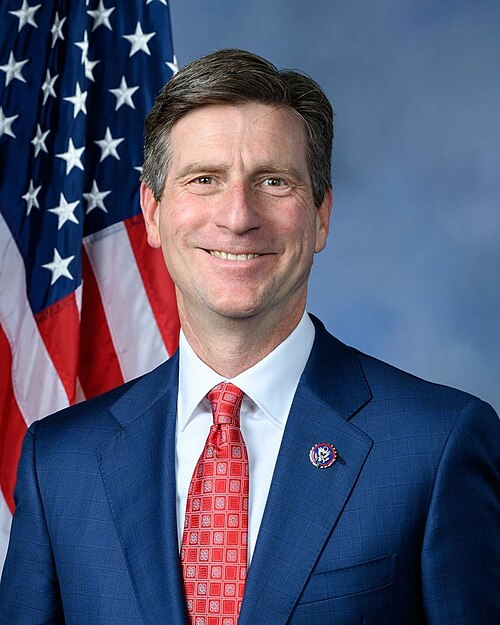
Co-Sponsor
-
TrackDale W. Strong
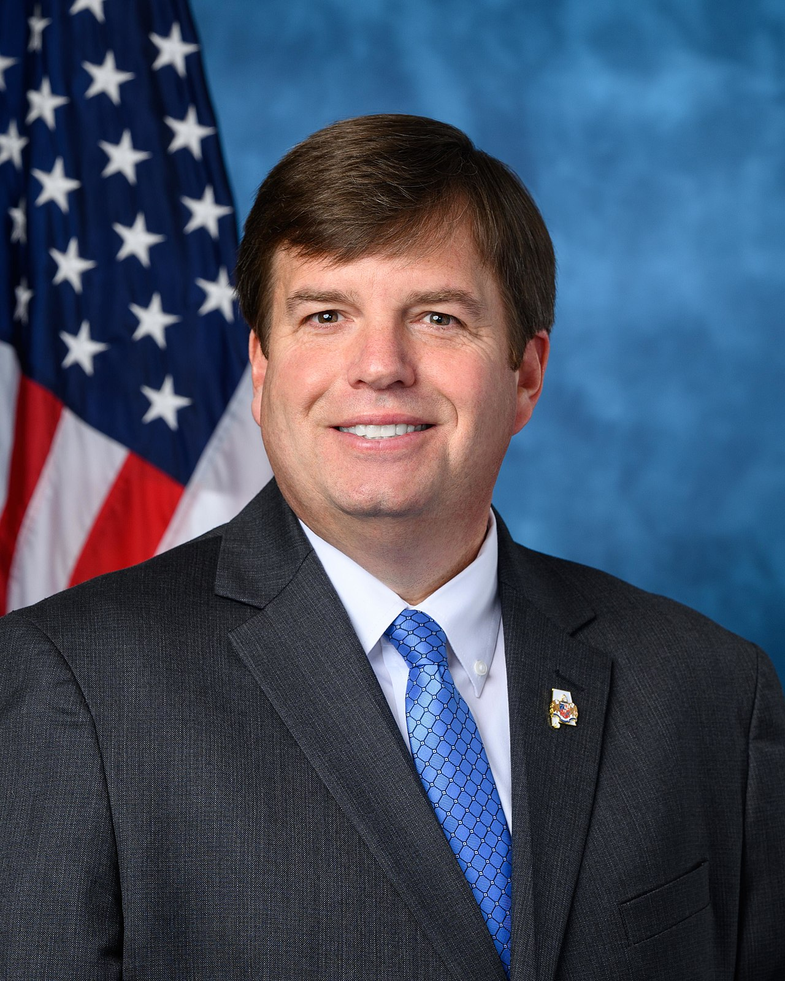
Co-Sponsor
-
TrackThomas R. Suozzi
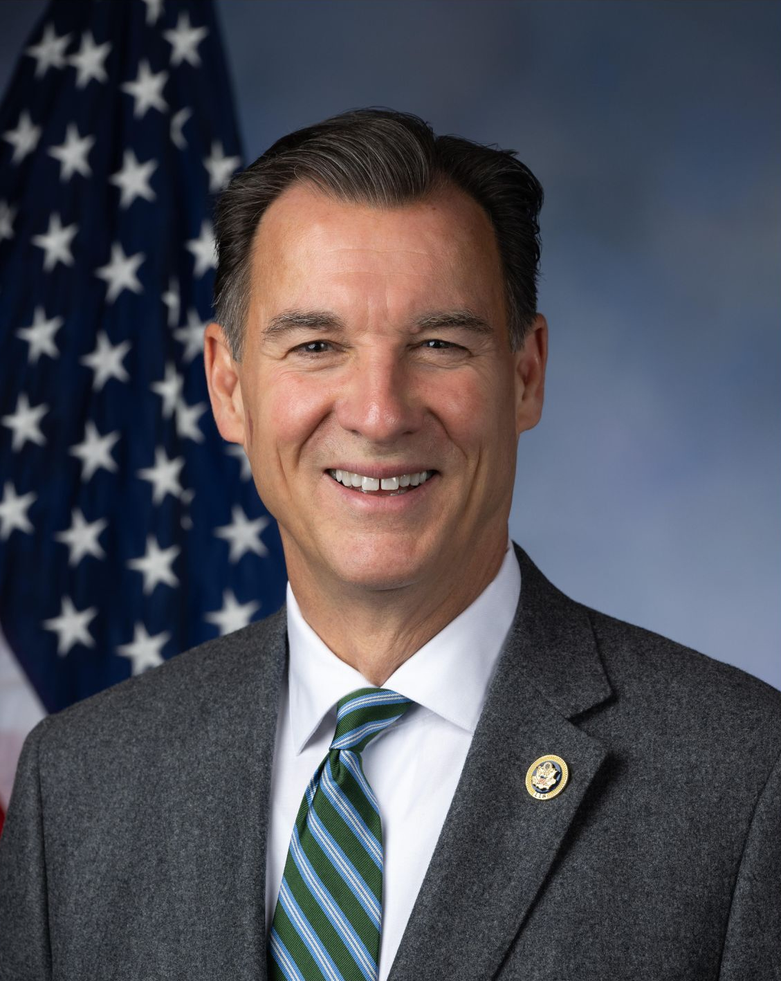
Co-Sponsor
-
TrackBennie G. Thompson
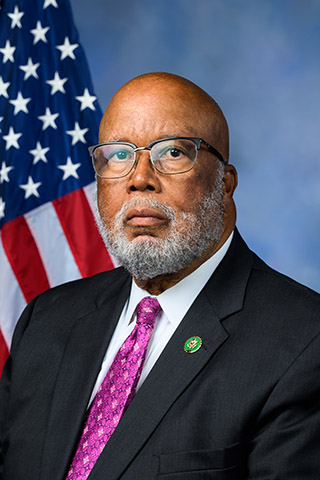
Co-Sponsor
-
TrackGlenn Thompson
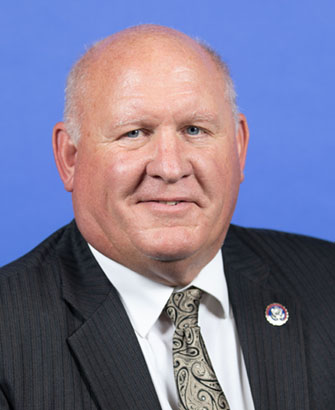
Co-Sponsor
-
TrackWilliam R. Timmons IV
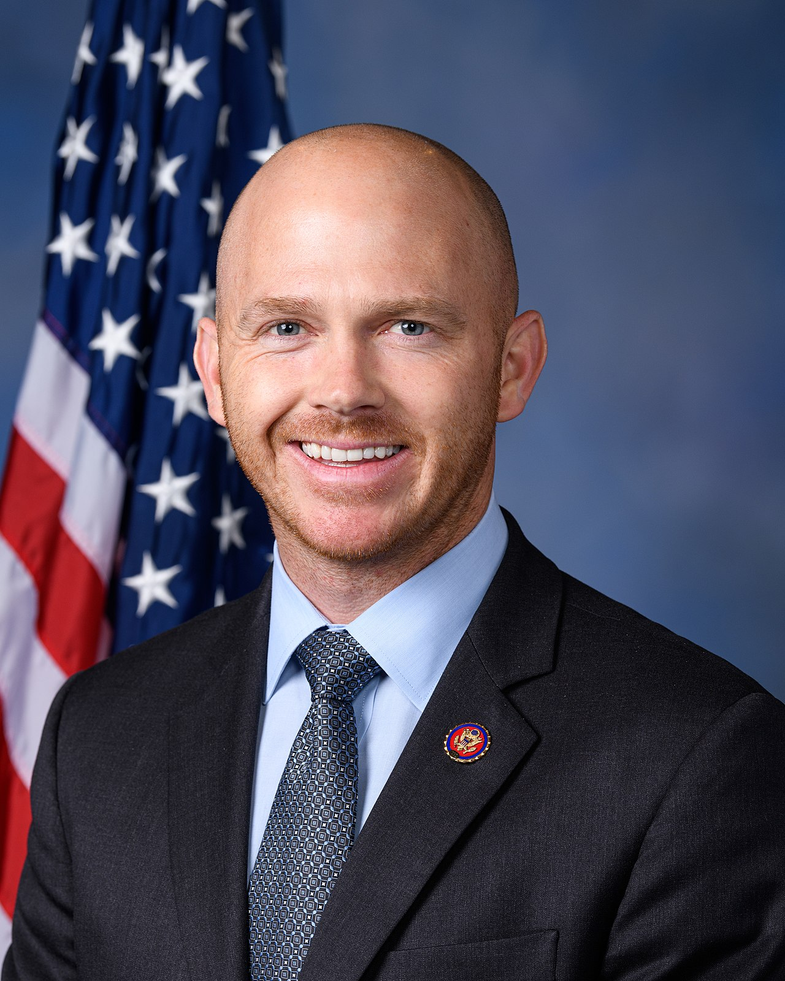
Co-Sponsor
-
TrackDavid G. Valadao
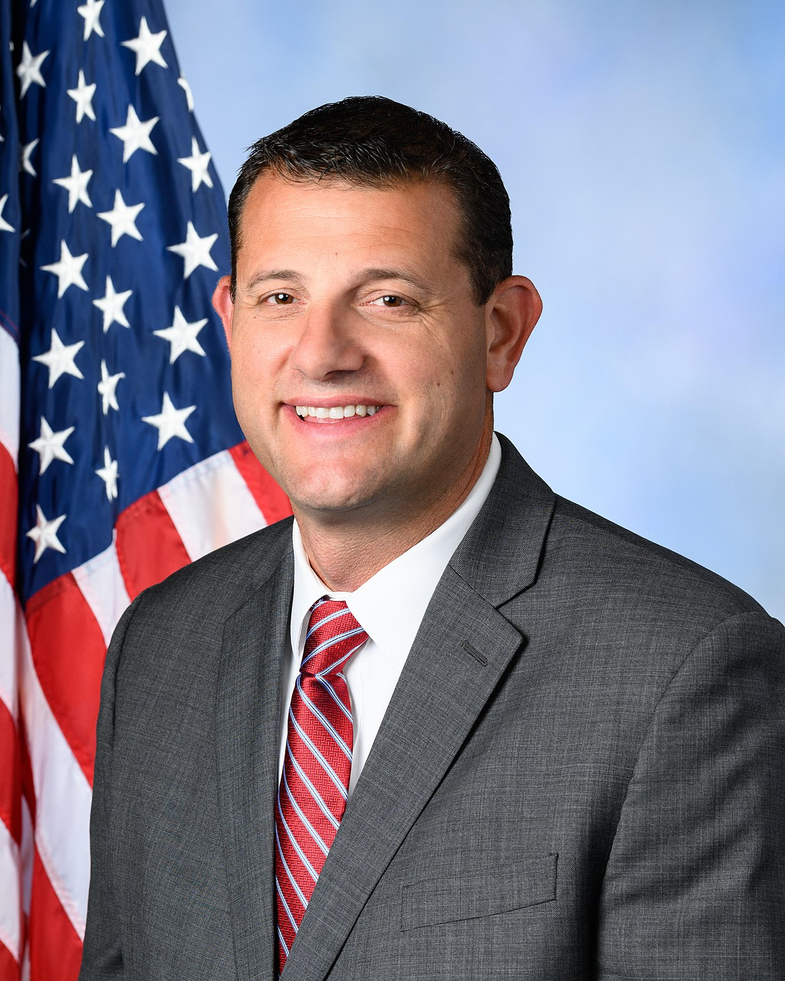
Co-Sponsor
-
TrackDerrick Van Orden
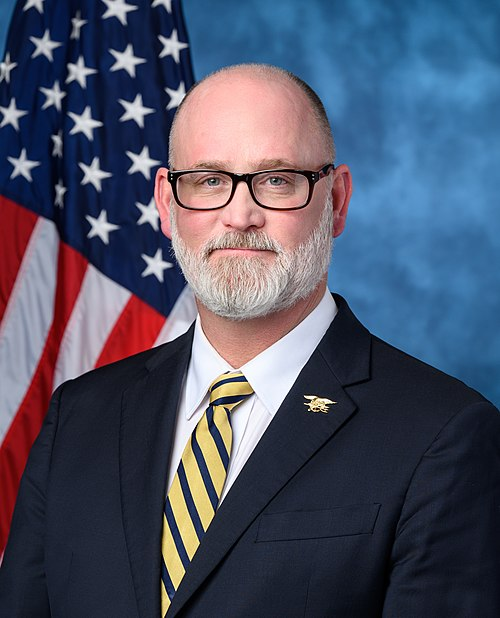
Co-Sponsor
-
TrackGabe Vasquez
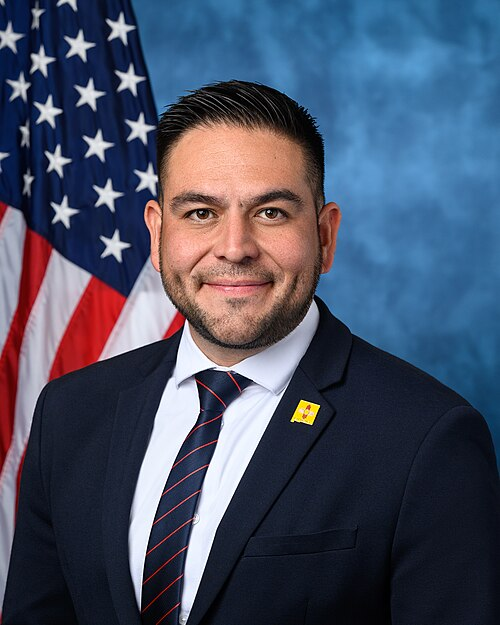
Co-Sponsor
-
TrackBruce Westerman
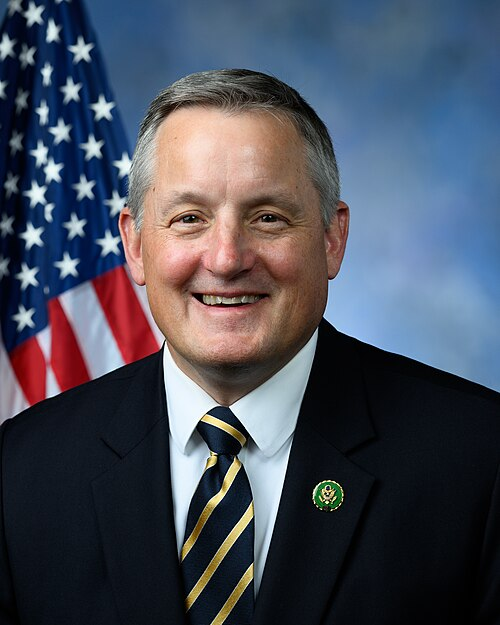
Co-Sponsor
-
TrackRoger Williams
Co-Sponsor
-
TrackJoe Wilson
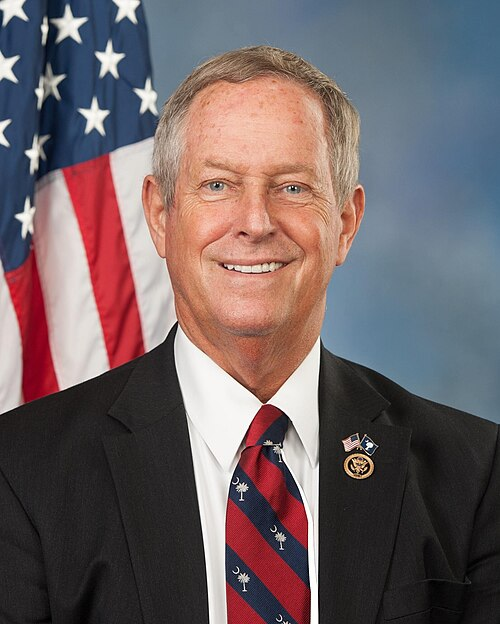
Co-Sponsor
-
TrackRobert J. Wittman
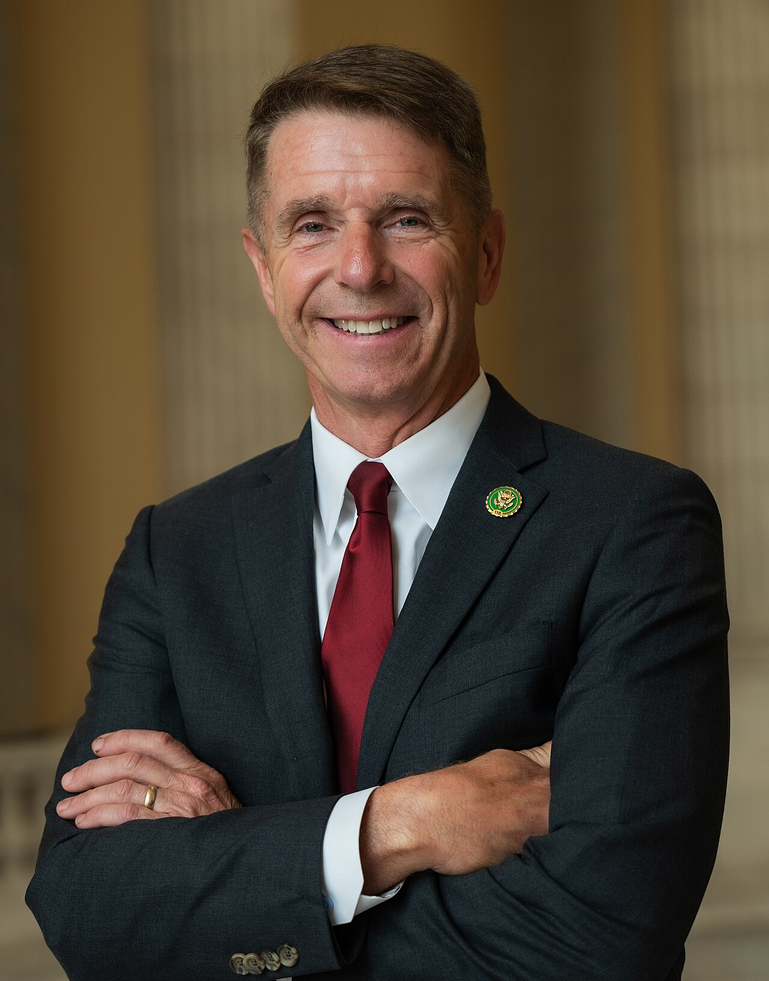
Co-Sponsor
-
TrackSteve Womack
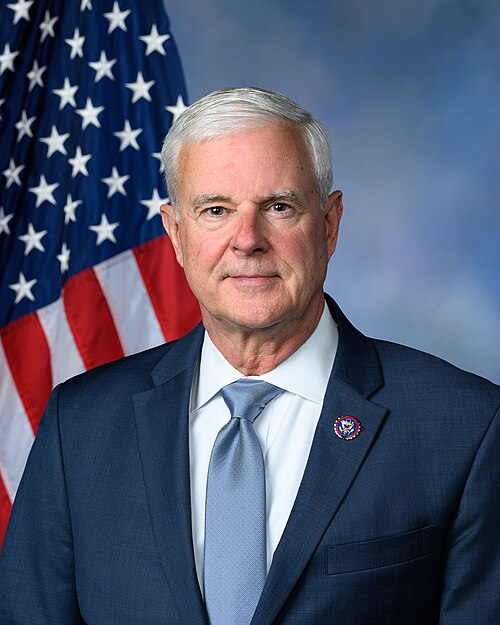
Co-Sponsor
-
Tracknan

Co-Sponsor
-
Tracknan

Co-Sponsor
Actions
2 actions
| Date | Action |
|---|---|
| Jan. 22, 2026 | Introduced in House |
| Jan. 22, 2026 | Referred to the House Committee on Ways and Means. |
Corporate Lobbying
0 companies lobbying
None found.
* Note that there can be significant delays in lobbying disclosures, and our data may be incomplete.