H.R. 7224: Secure Revenue Clearance Channel Act of 2026
The Secure Revenue Clearance Channel Act of 2026 aims to simplify the process for certain shipments of merchandise entering the United States. Here is a breakdown of its main provisions:
1. Informal Entry for Shipments
The bill allows express consignment carriers or operators to enter shipments valued at $600 or less without going through the complex formal procedures typically required by customs.
- Instead of the usual entry processes, these carriers can submit an electronic advanced manifest to the U.S. Customs and Border Protection (CBP).
- CBP must approve both the electronic format and the manifest provided.
2. Exceptions to Informal Entry
However, this simplified entry process does not apply to certain specific types of shipments, including those that:
- Are subject to antidumping and countervailing duties.
- Fall under tariff-rate quotas.
- Involve taxes collected by federal agencies other than CBP, such as alcohol or tobacco taxes.
- Are subject to federal fees that are not waived by the agency imposing them.
3. Definitions
The bill provides definitions for key terms used within the legislation:
- Closely integrated administrative control: Refers to the operational link that allows the carrier to maintain a high degree of control over shipments, indicating strong ownership or contractual ties between local and foreign operations.
- Express consignment operator or carrier: Defines an entity engaged in the express delivery of goods with responsibilities similar to those of a sole carrier regarding customs compliance.
4. Fee Structure
The bill sets forth a fee structure for imports handled under this informal entry process. The express consignment operator or carrier must collect a fee on imports, which can be one of the following:
- 20 percent of the merchandise's value.
- The applicable tariff rate if they were to enter the merchandise formally.
- Other fixed or percentage-based duties related to the merchandise's country of origin.
This fee replaces other duties that would generally apply, including certain charges established in previous tariff laws.
5. Fee Collection and Use
The collected fees must be remitted quarterly to the Commissioner of U.S. Customs and Border Protection, with the funds deposited in the U.S. Treasury’s general fund.
6. Effective Date
The provisions of this Act will become effective 30 days after it is enacted into law.
Relevant Companies
- FDX - FedEx Corporation: As a major express consignment carrier, FedEx would likely benefit from the streamlined customs processes outlined in the bill, enhancing their efficiency for shipments under the specified value.
- UPS - United Parcel Service: Similar to FedEx, UPS is engaged in express shipping and could see operational advantages through simplified customs entry for lower-value shipments.
This is an AI-generated summary of the bill text. There may be mistakes.
Sponsors
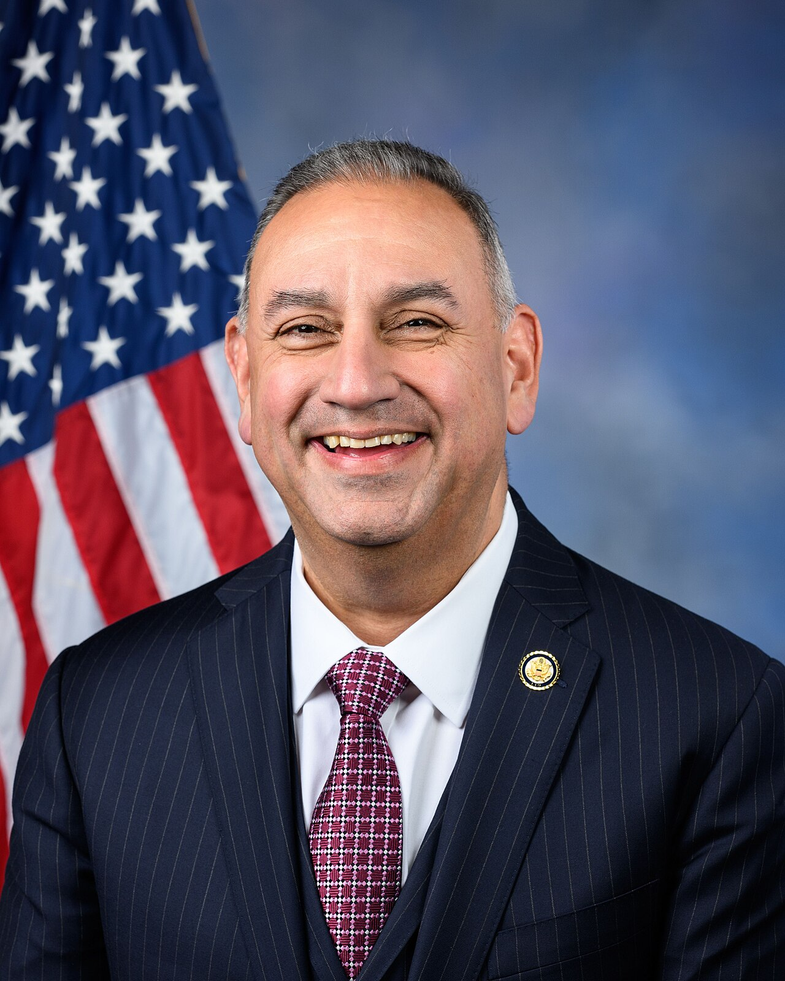
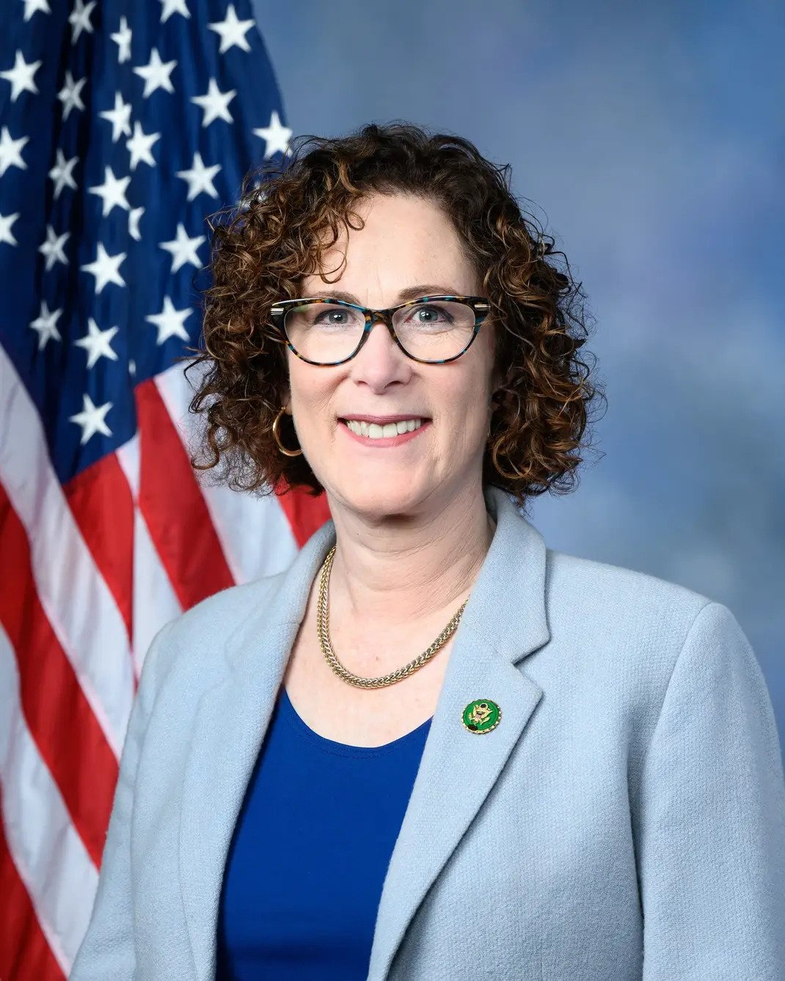
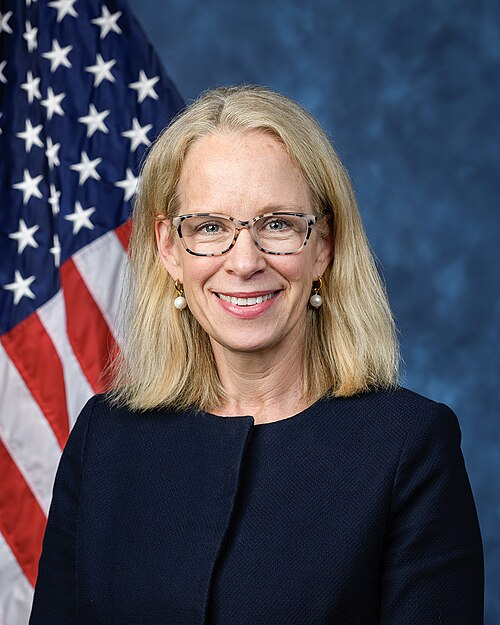
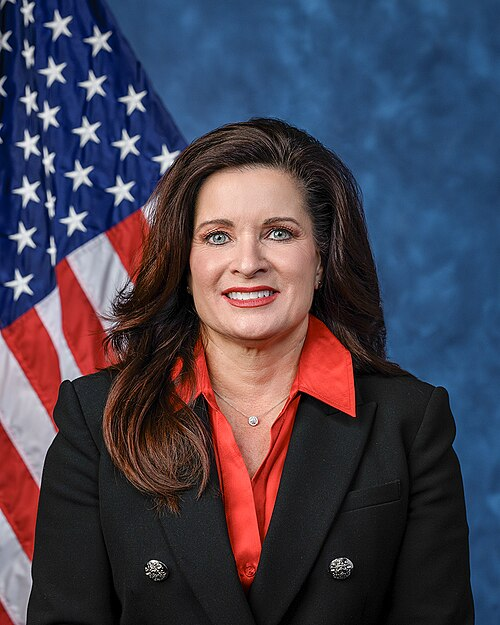
2 bill sponsors


Actions
2 actions
| Date | Action |
|---|---|
| Jan. 22, 2026 | Introduced in House |
| Jan. 22, 2026 | Referred to the House Committee on Ways and Means. |
Corporate Lobbying
0 companies lobbying
None found.
* Note that there can be significant delays in lobbying disclosures, and our data may be incomplete.