
H.R. 7198: Ensuring Access to General Surgery Act of 2026
The proposed bill, titled the Ensuring Access to General Surgery Act of 2026, seeks to address the ongoing shortage of general surgeons in the United States. It recognizes several key factors about the current situation in healthcare and aims to enhance accessibility to surgical services. Below are the main elements of the bill:
Findings
The bill outlines several findings regarding the shortage of surgeons:
- The U.S. is facing a significant shortage of physicians, particularly general surgeons.
- According to studies, the supply of general surgeons is expected to grow slightly by 2030, but this increase will not meet the demand from the growing population.
- Future projections indicate a shortage of between 15,800 and 30,200 surgeons across all surgical specialties by 2034.
- There is an uneven distribution of general surgeons, with rural areas particularly underserved.
- To prepare for future workforce demands, comprehensive research and accurate data are needed to assess surgeon availability.
Study on Designation of Shortage Areas
The bill mandates a study to be conducted by the Secretary of the Health Resources and Services Administration focused on the following:
- Assessing whether current shortage designations accurately reflect the availability of general surgeons to meet the needs of underserved populations.
- Exploring alternative measures of access to general surgeons, particularly in underserved areas.
- Identifying effective methodologies for designating areas with a shortage of general surgery services.
Methodology for Designating Shortage Areas
The Secretary will develop a methodology for designating general surgery shortage areas which will include:
- Analyzing the distribution of hospitals with surgical services and the demographics of the local populations.
- Identifying all active general surgeons in these areas.
- Establishing surgeon-to-population ratios tailored to the needs of specific regions.
- Determining critical thresholds for what constitutes optimal, adequate, and insufficient surgeon availability.
- Considering factors like patient wait times and transportation to facilities when establishing these thresholds.
Report and Consultation
The Secretary is required to submit a report to Congress within one year of the bill's enactment outlining the study's findings. Stakeholder consultation will include:
- Medical societies and organizations representing surgical facilities.
- Experts in general surgery and patient advocacy groups.
Publication of Data
The bill also requires the Secretary to regularly publish data comparing the need for general surgery services among urban, suburban, and rural populations. If the Secretary designates any areas as general surgery shortage areas, they must also publish a list of these areas.
Designation of Shortage Areas
The Secretary may establish a formal designation process for general surgery shortage areas, which will involve:
- Using the developed methodology to identify and list shortage areas.
- Reviewing and updating these designations annually to ensure they reflect the current situation.
- Following similar procedures to those used for designating health professional shortage areas, allowing for comments and feedback from affected parties.
Conclusion
This bill aims to improve access to general surgical services across the United States, particularly in areas where these services are insufficient. Through data collection, targeted studies, and stakeholder involvement, the bill seeks to identify and alleviate disparities in healthcare access related to general surgery.
Relevant Companies
None found
This is an AI-generated summary of the bill text. There may be mistakes.
Sponsors
10 bill sponsors
-
TrackAmi Bera
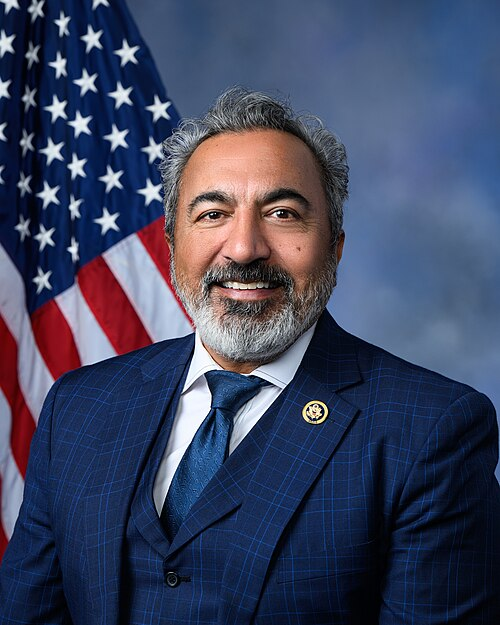
Sponsor
-
TrackDon Bacon
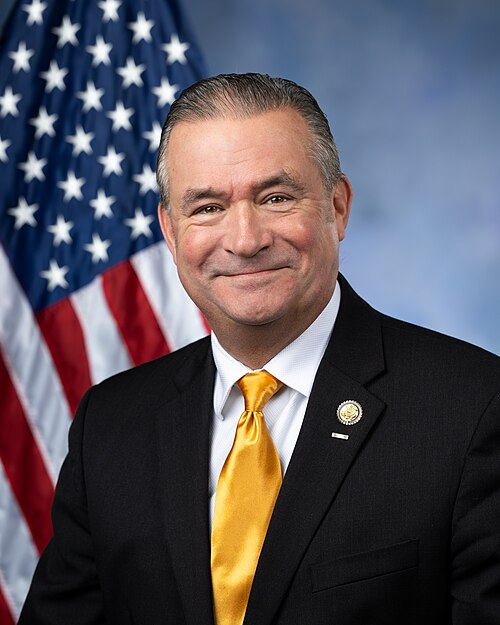
Co-Sponsor
-
TrackSanford D. Bishop, Jr.
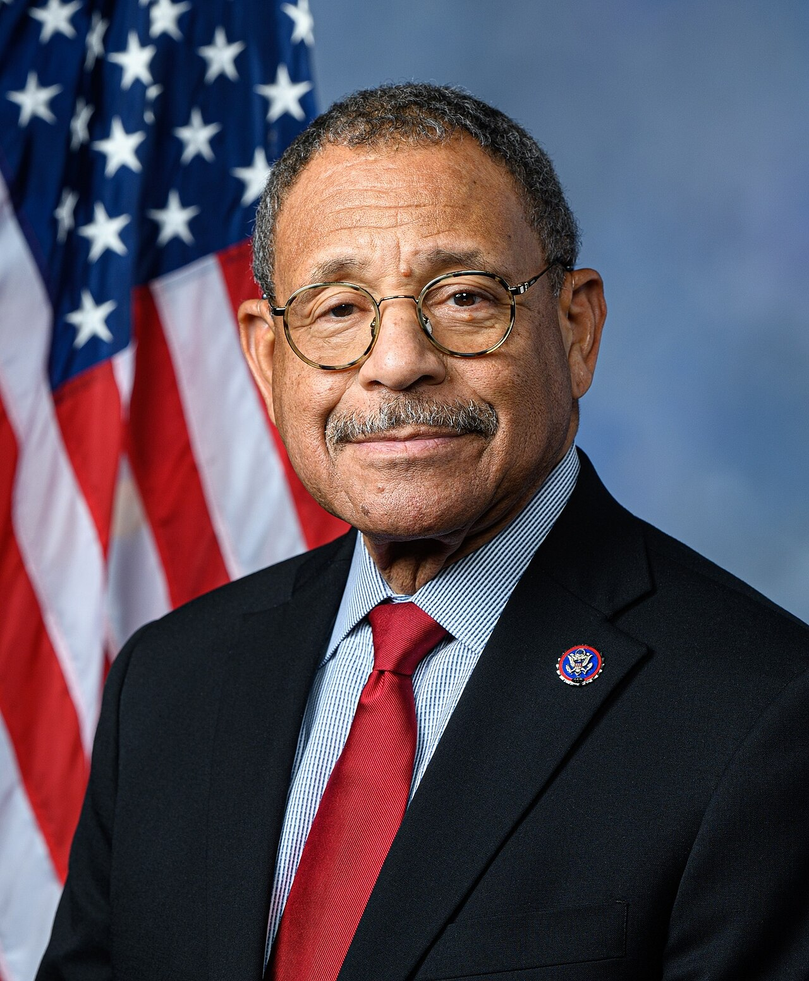
Co-Sponsor
-
TrackSalud O. Carbajal
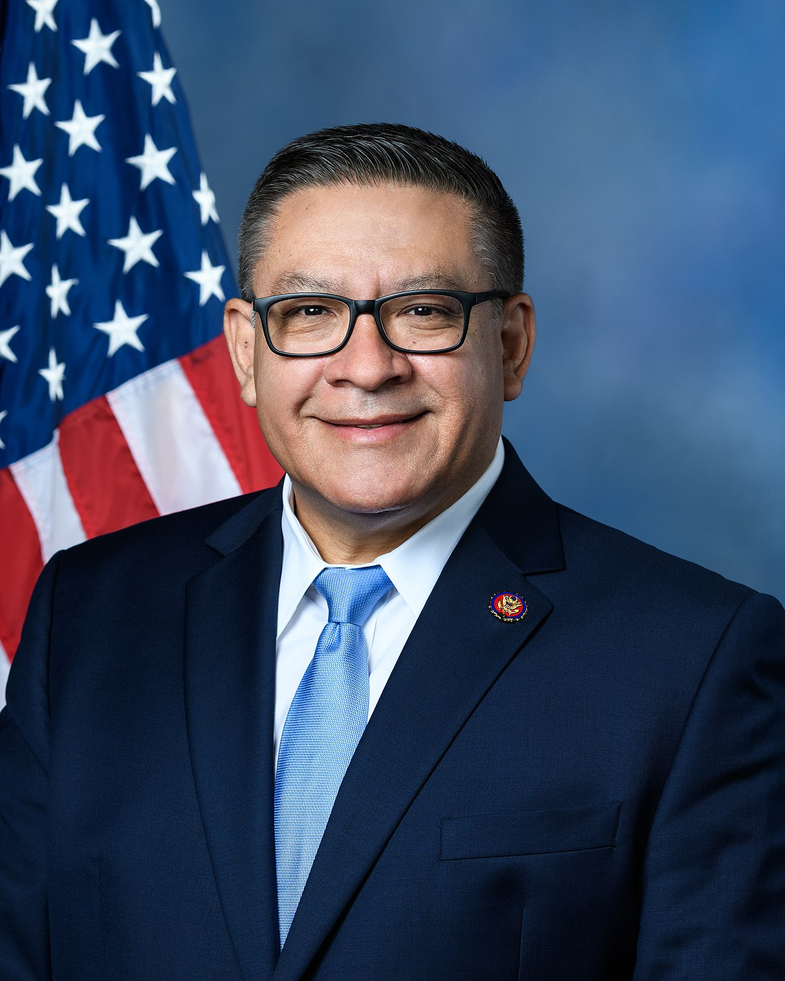
Co-Sponsor
-
TrackSharice Davids
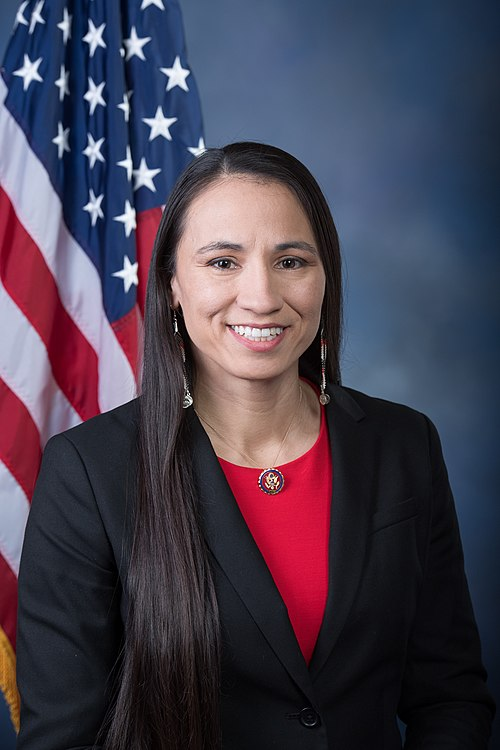
Co-Sponsor
-
TrackJohn Joyce
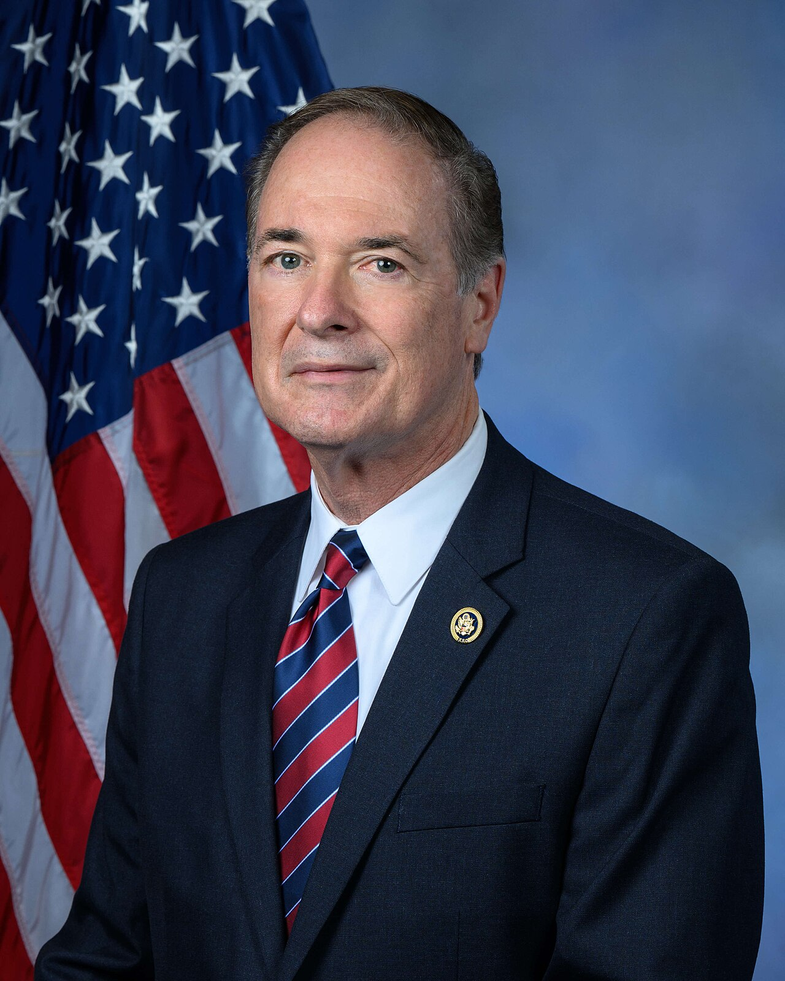
Co-Sponsor
-
TrackEleanor Holmes Norton

Co-Sponsor
-
TrackScott H. Peters
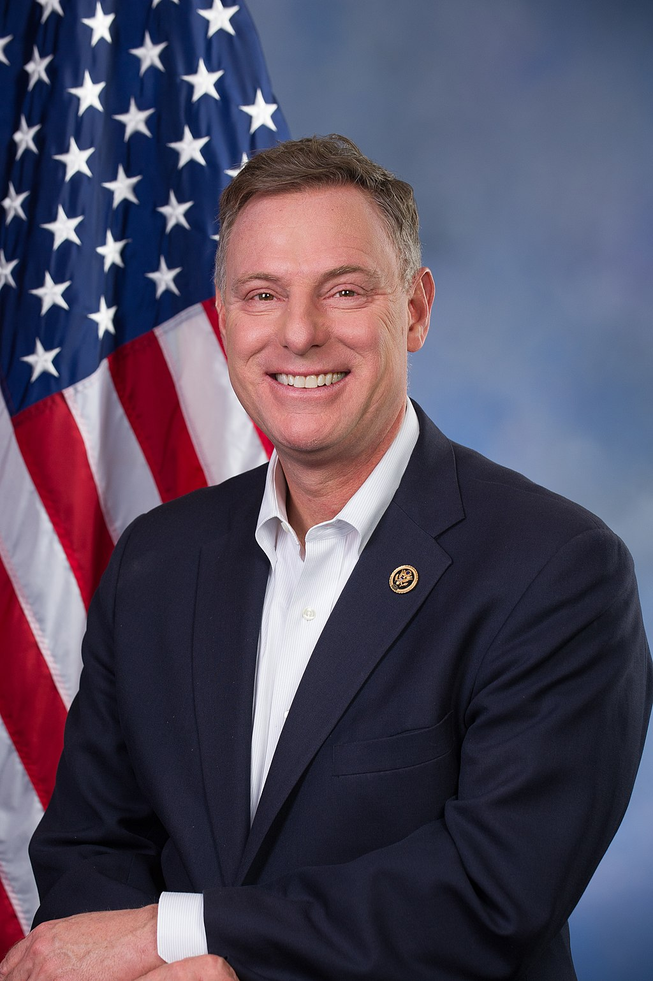
Co-Sponsor
-
TrackMark Pocan
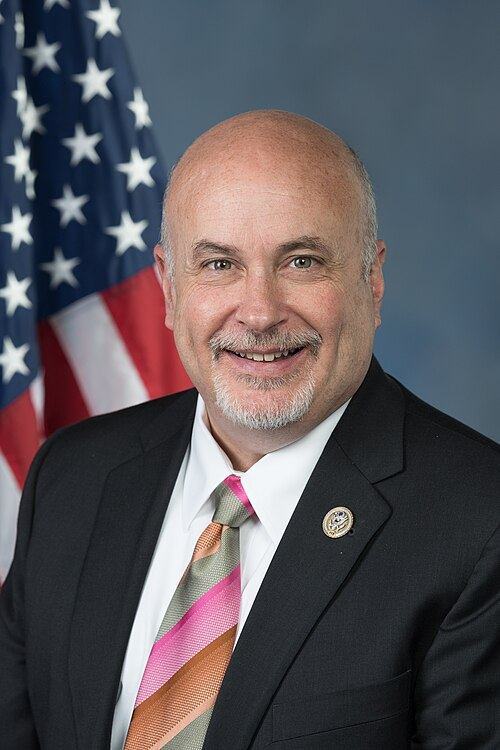
Co-Sponsor
-
TrackShri Thanedar
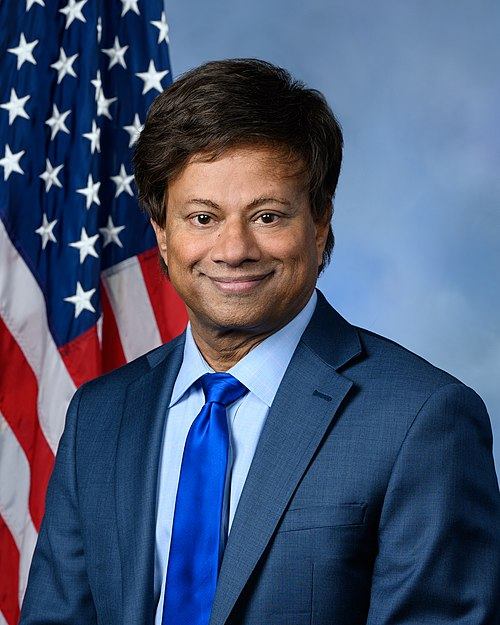
Co-Sponsor
Actions
2 actions
| Date | Action |
|---|---|
| Jan. 22, 2026 | Introduced in House |
| Jan. 22, 2026 | Referred to the House Committee on Energy and Commerce. |
Corporate Lobbying
0 companies lobbying
None found.
* Note that there can be significant delays in lobbying disclosures, and our data may be incomplete.
Potentially Relevant Congressional Stock Trades
No relevant congressional stock trades found.