H.R. 7188: Military Occupancy Living Defense Act
This bill, known as the Military Occupancy Living Defense Act (MOLD Act), aims to improve the safety and health standards of housing for military families residing in privatized military housing. The key provisions include:
Establishment of Housing Standards
The Secretary of Defense is tasked with creating and enforcing uniform housing standards that will:
- Ensure basic safety, comfort, and habitability in privatized military housing.
- Address issues such as humidity, ventilation, and mold contamination.
- Provide transparency in maintenance and inspections.
Inspection and Compliance Requirements
Under this bill:
- Independent third-party inspectors will assess privatized military housing for mold and environmental health hazards.
- Inspections must occur during tenant turnover, when complaints are made, and after any remediation efforts.
- Inspection reports will be made available to tenants and submitted to relevant military authorities.
Tenant Rights and Protections
The bill seeks to:
- Allow tenants to relocate within 30 days if their housing fails inspection.
- Modify existing tenant complaint systems to be more accessible, providing a hotline and an online portal for reporting concerns.
- Ensure timely responses to tenant complaints regarding housing conditions.
Environmental Health Focus
The bill acknowledges health risks associated with mold and directs the Department of Defense to:
- Investigate health impacts related to mold exposure and consider expanding medical coverage for affected military families.
- Set enforceable clauses in housing contracts to ensure accountability for health standards.
Reporting and Accountability
To enhance transparency and oversight:
- The Secretary of Defense must publish annual reports on complaints, inspection results, and remediation timelines.
- Regular reports will be submitted to Congress detailing issues and resolutions in military housing.
Training and Certification
The act mandates training for personnel involved in mold assessment and remediation, requiring certifications from recognized organizations. This ensures quality and reliability in handling environmental hazards.
Definitions and Scope
The bill defines terms related to acceptable humidity levels, covered housing, mold, and privatized military housing to clarify its implementation scope.
Relevant Companies
- CLH - Clean Harbors, Inc.: May be impacted through increased demand for remediation services if housing issues lead to higher fungal contamination rates.
- RDN - Radian Group Inc.: Could face implications if insurance claims increase due to health risks associated with mold exposure in military housing.
This is an AI-generated summary of the bill text. There may be mistakes.
Sponsors
19 bill sponsors
-
TrackJimmy Panetta
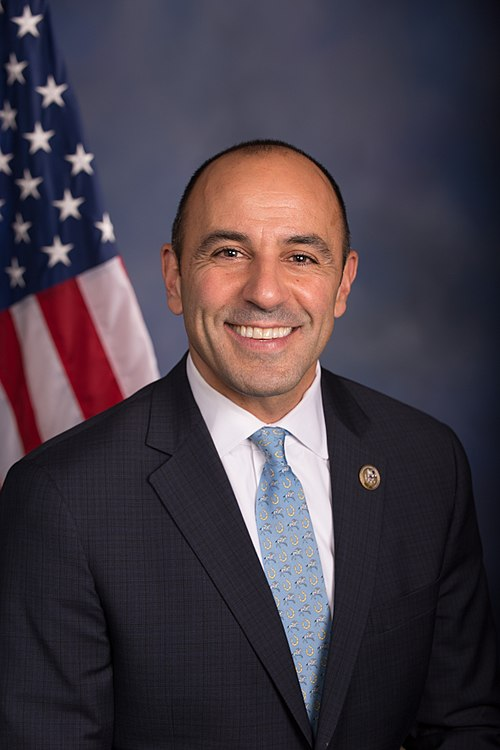
Sponsor
-
TrackDon Bacon
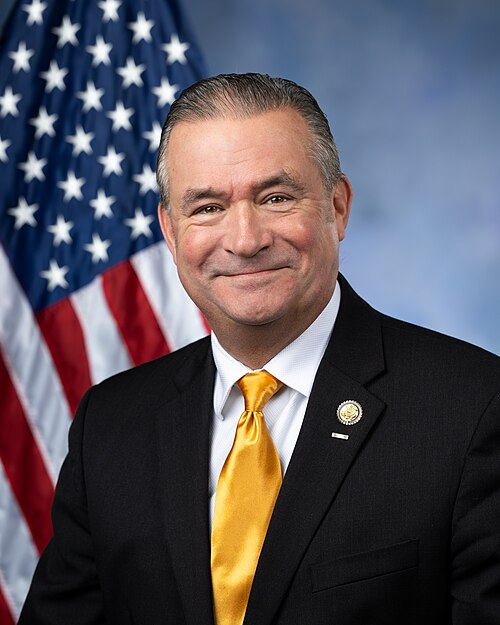
Co-Sponsor
-
TrackAaron Bean
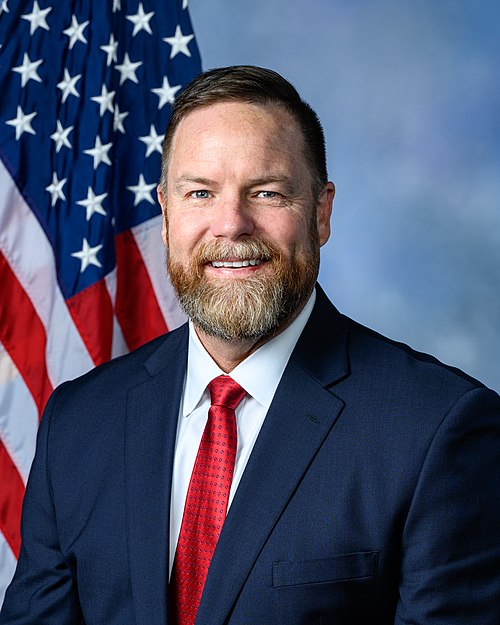
Co-Sponsor
-
TrackWesley Bell
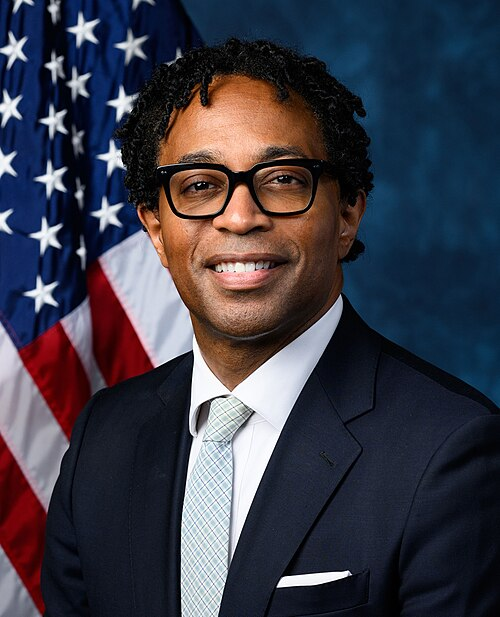
Co-Sponsor
-
TrackGus M. Bilirakis

Co-Sponsor
-
TrackEd Case

Co-Sponsor
-
TrackDonald G. Davis

Co-Sponsor
-
TrackChristopher R. Deluzio

Co-Sponsor
-
TrackBrian K. Fitzpatrick
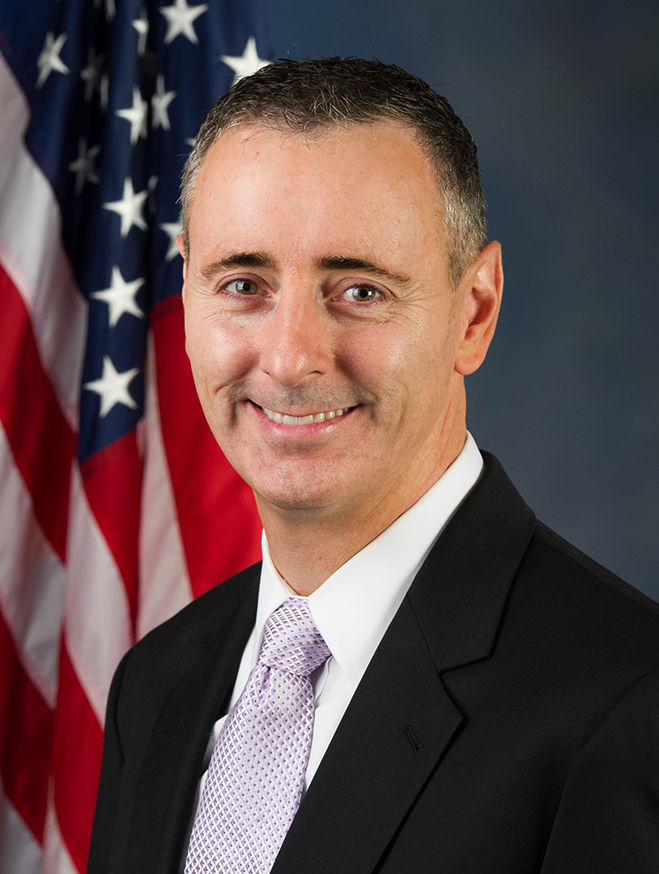
Co-Sponsor
-
TrackMaggie Goodlander

Co-Sponsor
-
TrackChrissy Houlahan
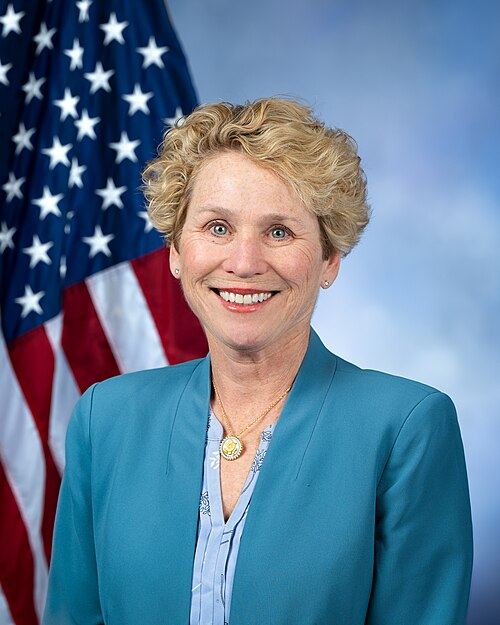
Co-Sponsor
-
TrackNick LaLota
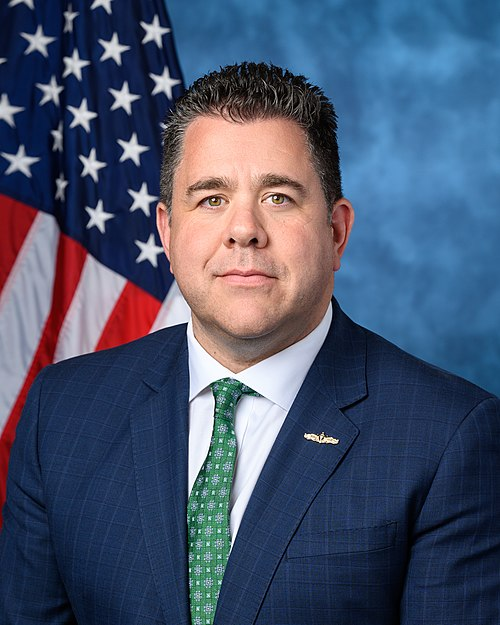
Co-Sponsor
-
TrackMike Levin
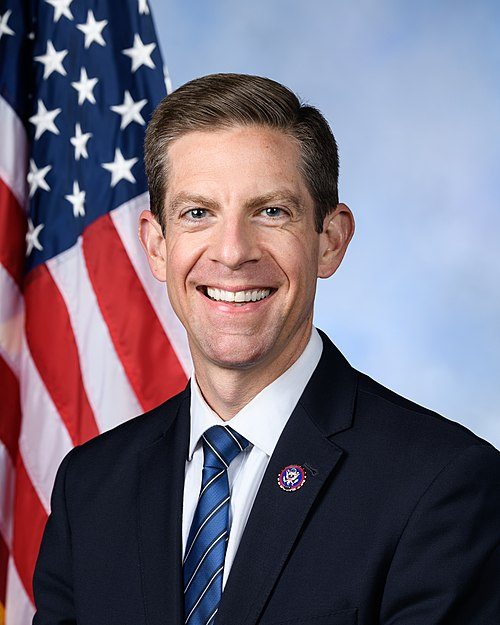
Co-Sponsor
-
TrackSeth Moulton
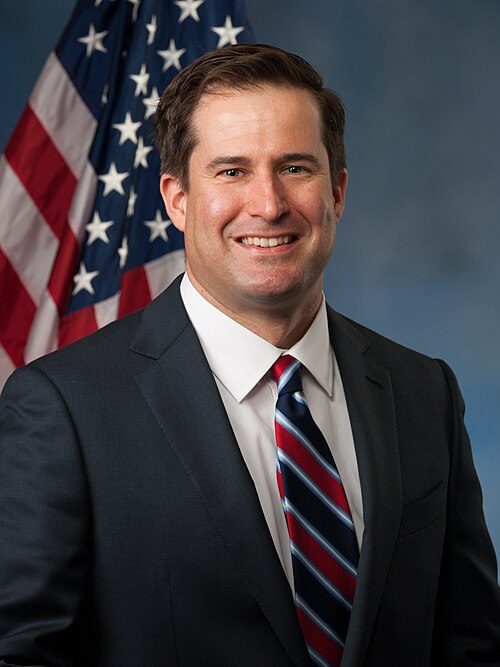
Co-Sponsor
-
TrackJames C. Moylan
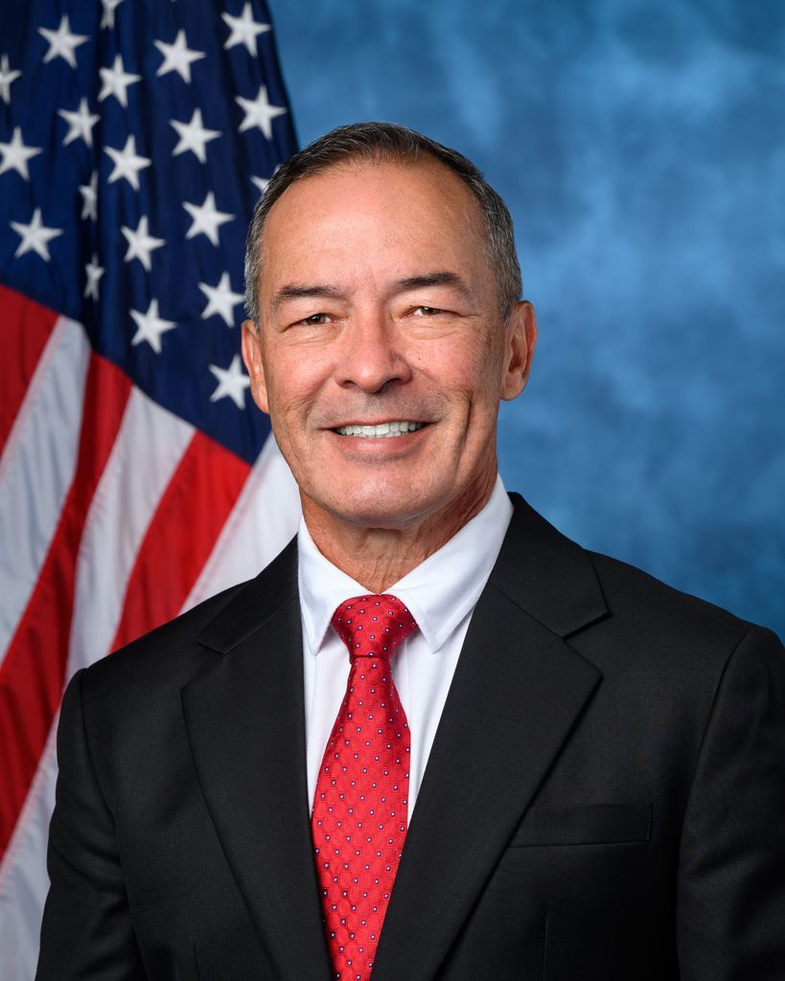
Co-Sponsor
-
TrackAugust Pfluger
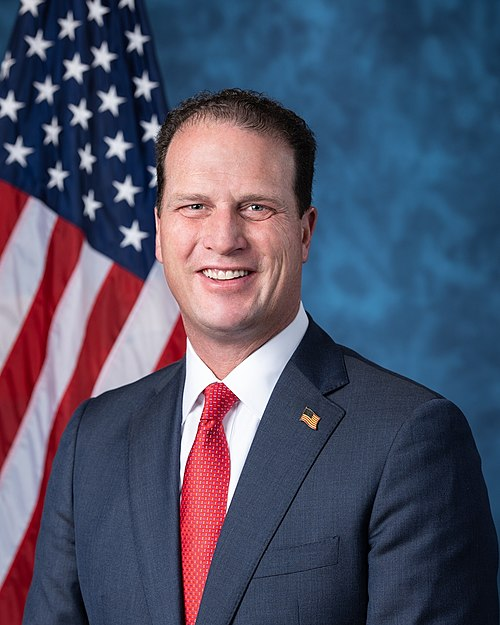
Co-Sponsor
-
TrackDerek Tran
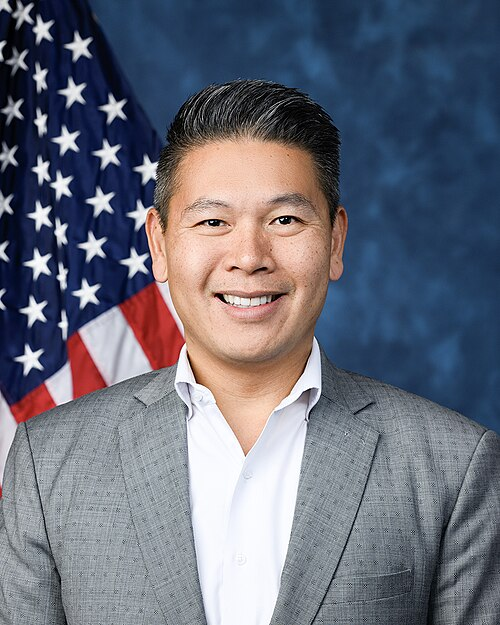
Co-Sponsor
-
TrackEugene Vindman
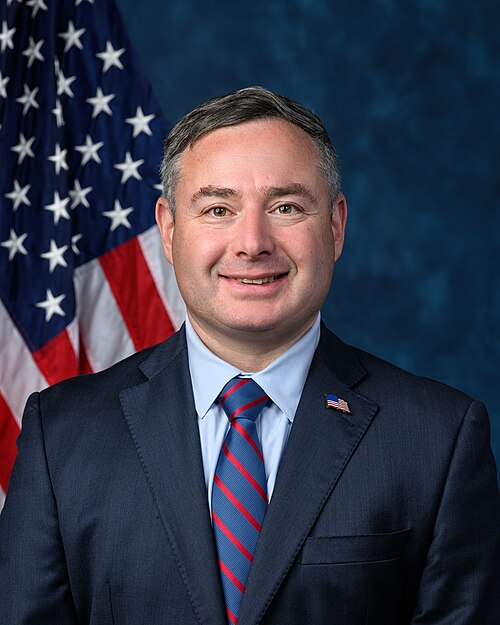
Co-Sponsor
-
TrackJoe Wilson

Co-Sponsor
Actions
2 actions
| Date | Action |
|---|---|
| Jan. 21, 2026 | Introduced in House |
| Jan. 21, 2026 | Referred to the House Committee on Armed Services. |
Corporate Lobbying
0 companies lobbying
None found.
* Note that there can be significant delays in lobbying disclosures, and our data may be incomplete.