
H.R. 7158: Expanding AI Voices through Capacity Building Act
The bill known as the "Expanding AI Voices through Capacity Building Act" seeks to enhance the participation and inclusion of historically underrepresented populations in the field of artificial intelligence (AI) in the United States. Its main provisions include:
Goals of the Bill
The primary objective is to broaden participation in AI research, education, and workforce development. This involves increasing the capacity and partnerships for AI-related pursuits within specific institutions of higher education and nonprofit organizations.
Eligibility for Awards
The bill outlines who can receive funding under this initiative:
- Institutions of higher education that do not typically rank among the top 100 in federal research and development expenditures.
- Historically Black Colleges and Universities (HBCUs).
- Minority-Serving Institutions (MSIs).
- Tribal Colleges and Universities (TCUs).
- Consortia that include any of the above institutions.
Types of Partnerships
Organizations receiving awards can form partnerships with different entities, such as:
- Other educational institutions and nonprofit organizations.
- Federal, state, local, tribal, and territorial governments.
- Private sector companies.
- AI research institutes linked to federal programs.
Use of Funds
The funding awarded under this bill can be utilized for several purposes, including:
- Expanding or developing research programs in AI and related fields.
- Recruiting faculty and providing professional development in AI disciplines.
- Creating bridge programs that prepare students for graduate study in AI.
- Facilitating access to essential research tools and resources.
- Building community engagement activities that promote collaboration with public and private sectors.
- Hosting workshops to promote workforce participation in the AI sector.
- Integrating ethical standards and practices in AI education.
- Conducting other tailored activities to build research and workforce development capacities.
Outreach and Inclusion
The National Science Foundation (NSF) is tasked with conducting outreach to inform eligible institutions about the opportunity to apply for these awards. There will be a particular focus on engaging individuals from underserved communities and those historically underrepresented in STEM fields.
Ensuring Complementarity
The bill requires that the awards made under this initiative must complement existing programs, avoiding any overlap with already established funding opportunities.
Considerations for Awarding Funds
When making awards, the NSF is also instructed to consider factors such as:
- The support for diverse student populations, including first-generation college students.
- The geographic diversity of applicant institutions and organizations.
- The resource constraints faced by the institutions applying for funds.
Definitions of Key Terms
The bill provides specific definitions for terms such as:
- Historically Black colleges or universities: Institutions as defined in the Higher Education Act.
- Minority-serving institutions: Various institutions serving diverse populations, including Hispanic-serving and Native American-serving institutions.
- Nonprofit organizations: Organizations defined under section 501(c)(3) of the Internal Revenue Code.
- Tribal Colleges or Universities: Institutions defined under the Higher Education Act.
Relevant Companies
None found.
This is an AI-generated summary of the bill text. There may be mistakes.
Sponsors
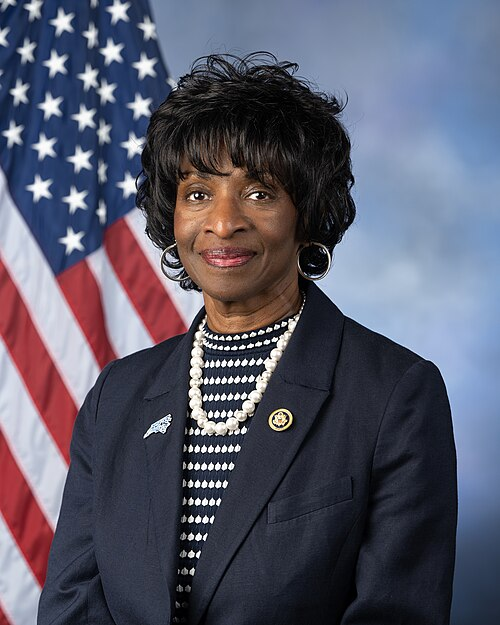
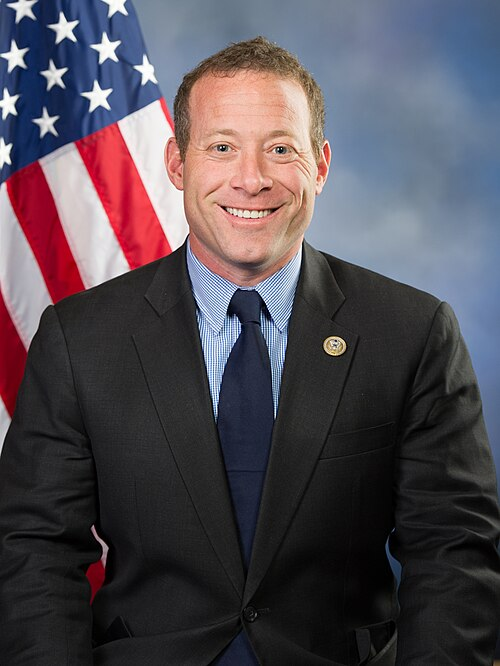
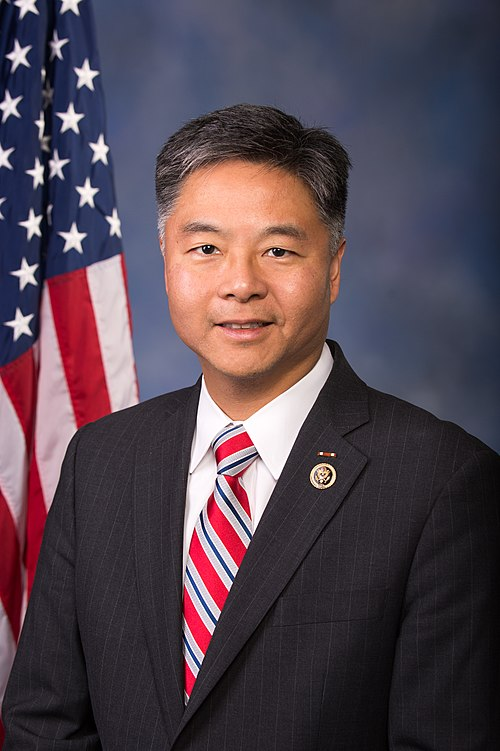
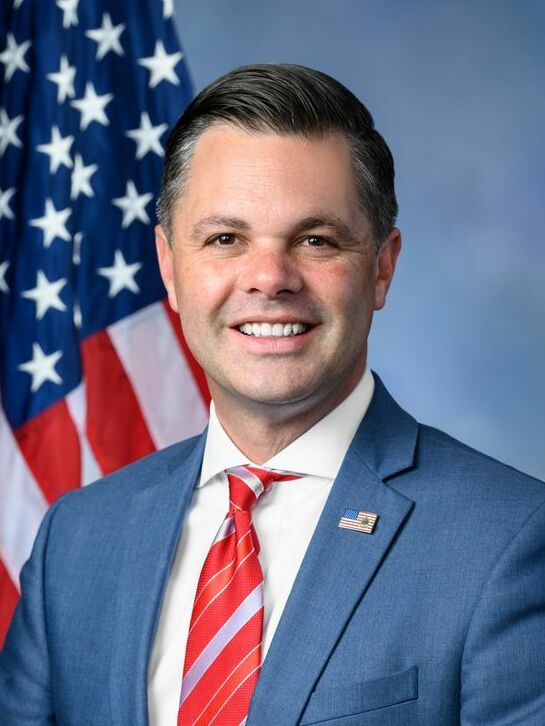
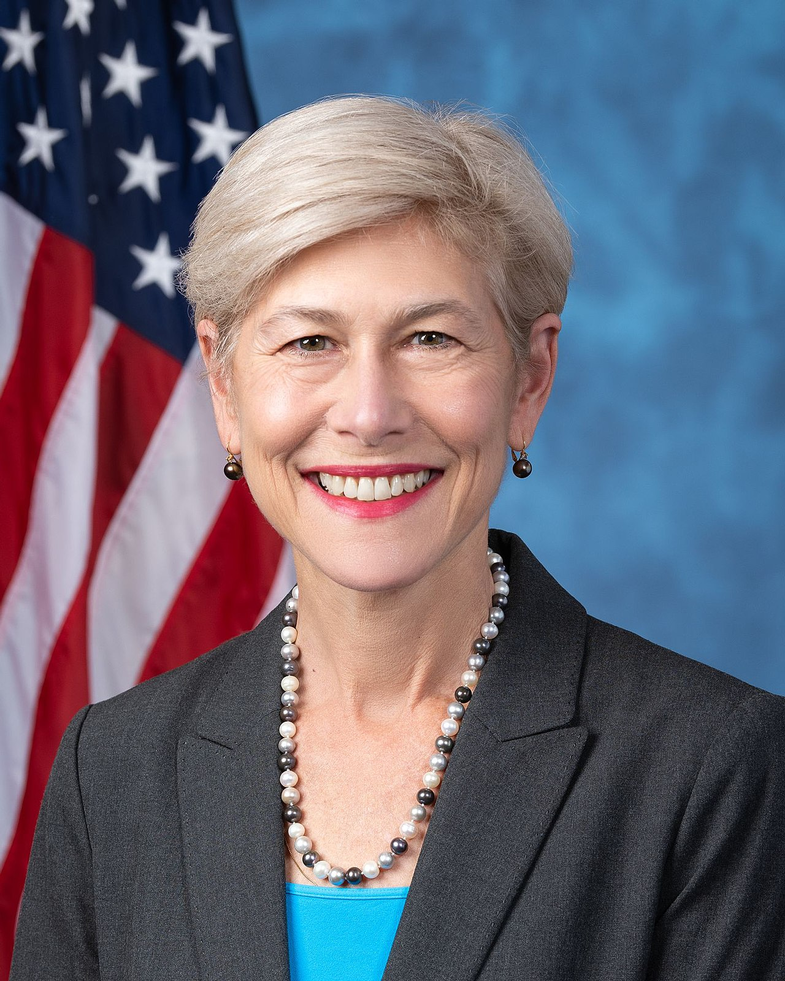
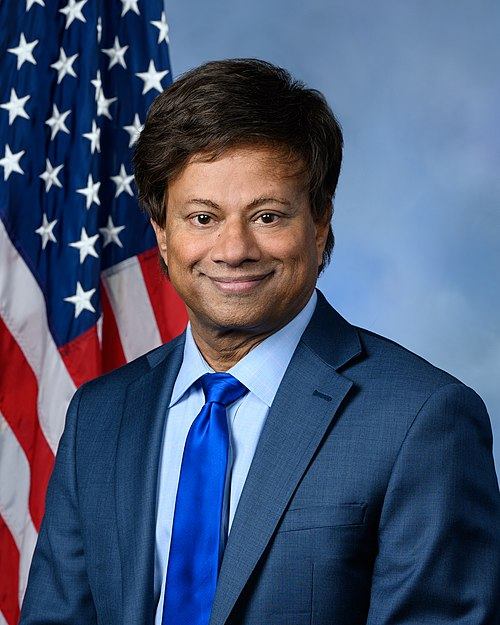
6 bill sponsors
Actions
2 actions
| Date | Action |
|---|---|
| Jan. 20, 2026 | Introduced in House |
| Jan. 20, 2026 | Referred to the House Committee on Science, Space, and Technology. |
Corporate Lobbying
0 companies lobbying
None found.
* Note that there can be significant delays in lobbying disclosures, and our data may be incomplete.
Potentially Relevant Congressional Stock Trades
No relevant congressional stock trades found.