H.R. 7130: McCarran-Ferguson Restoration Act
This bill, known as the McCarran-Ferguson Restoration Act, proposes significant changes to the regulation of insurance in the United States. The main components of the bill are as follows:
1. Elimination of the Federal Insurance Office
The bill aims to eliminate the Federal Insurance Office (FIO), which is currently part of the U.S. Department of the Treasury. The specific position of the Director of the Federal Insurance Office will also be abolished.
2. Creation of a United States Insurance Representative
The bill proposes the establishment of a new position called the United States Insurance Representative within the Department of the Treasury. This representative will have the responsibility to:
- Coordinate federal efforts and policies regarding international insurance matters.
- Represent the U.S. in international insurance organizations.
- Assist in negotiations of agreements relevant to insurance practices.
- Evaluate whether state insurance regulations are in conflict with international agreements.
- Support the administration of the Terrorism Insurance Program.
3. Scope of Authority
The authority of the United States Insurance Representative will cover various lines of insurance, with specific exclusions pertaining to:
- Health insurance, as defined in coordination with the Department of Health and Human Services.
- Long-term care insurance, except when part of life or annuity policies.
- Crop insurance as defined by the Federal Crop Insurance Act.
4. State Insurance Measures Preemption
The bill sets standards for preempting state insurance measures. A state measure can be preempted if it is found to be less favorable to foreign insurers and inconsistent with international agreements regarding insurance. The United States Insurance Representative will need to notify and consult with the relevant state authorities before making such determinations.
5. Administrative Procedures
Decisions regarding the preemption of state insurance measures will be subject to administrative procedures, allowing for judicial review. The United States Insurance Representative will also have the authority to issue regulations necessary for implementing the preemption process.
6. Reports to Congress
Beginning two years after the bill's enactment, the United States Insurance Representative will be required to submit annual reports to Congress detailing actions taken regarding preemption of state measures and assessing international insurance regulatory coordination.
7. Revisions to Other Financial Legislation
The bill makes additional amendments to existing legislation, including the Dodd-Frank Wall Street Reform and Consumer Protection Act and the Economic Growth, Regulatory Relief, and Consumer Protection Act. These amendments replace references to the Federal Insurance Office with references to the new United States Insurance Representative within various regulatory frameworks.
8. Appointment of State Insurance Commissioner
The bill also specifies that the Financial Stability Oversight Council will include a state insurance commissioner, appointed by the President with the Senate's approval. This aims to ensure that state-level insights are incorporated into federal insurance policy discussions.
Relevant Companies
- AFL: Aflac Inc. could be affected by shifts in insurance regulatory frameworks, as the bill alters federal-state interactions regarding insurance policies.
- PRU: Prudential Financial may face changes in how it navigates federal regulations and international agreements in its insurance offerings.
- UNM: Unum Group’s insurance operations might be impacted due to alterations in policy negotiations and compliance with state versus federal regulations.
This is an AI-generated summary of the bill text. There may be mistakes.
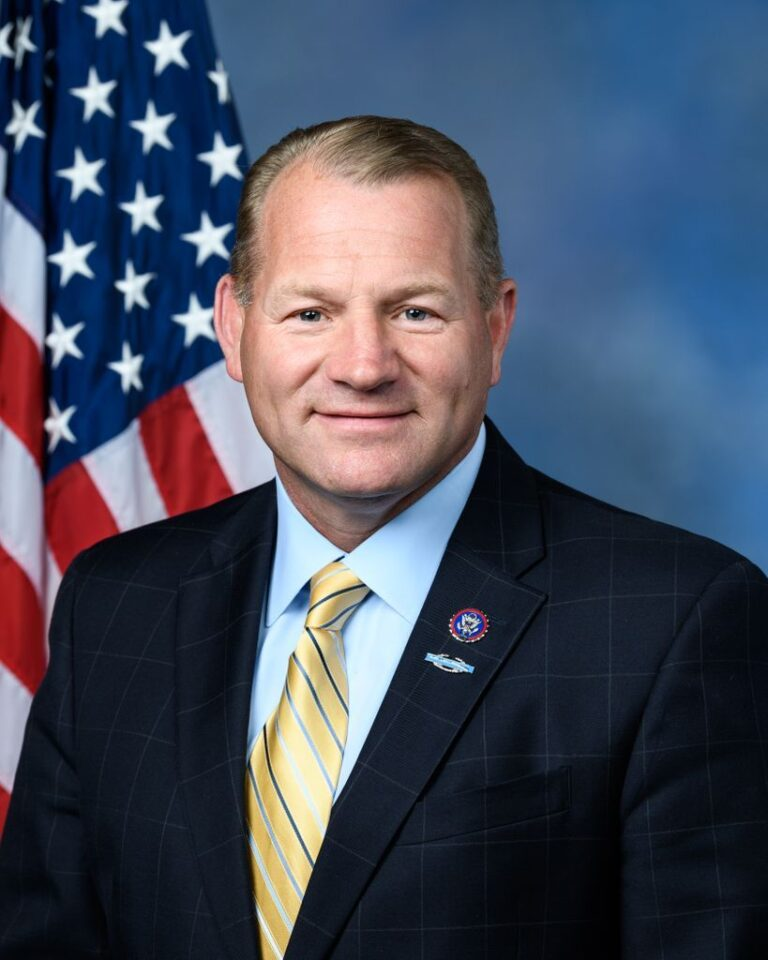
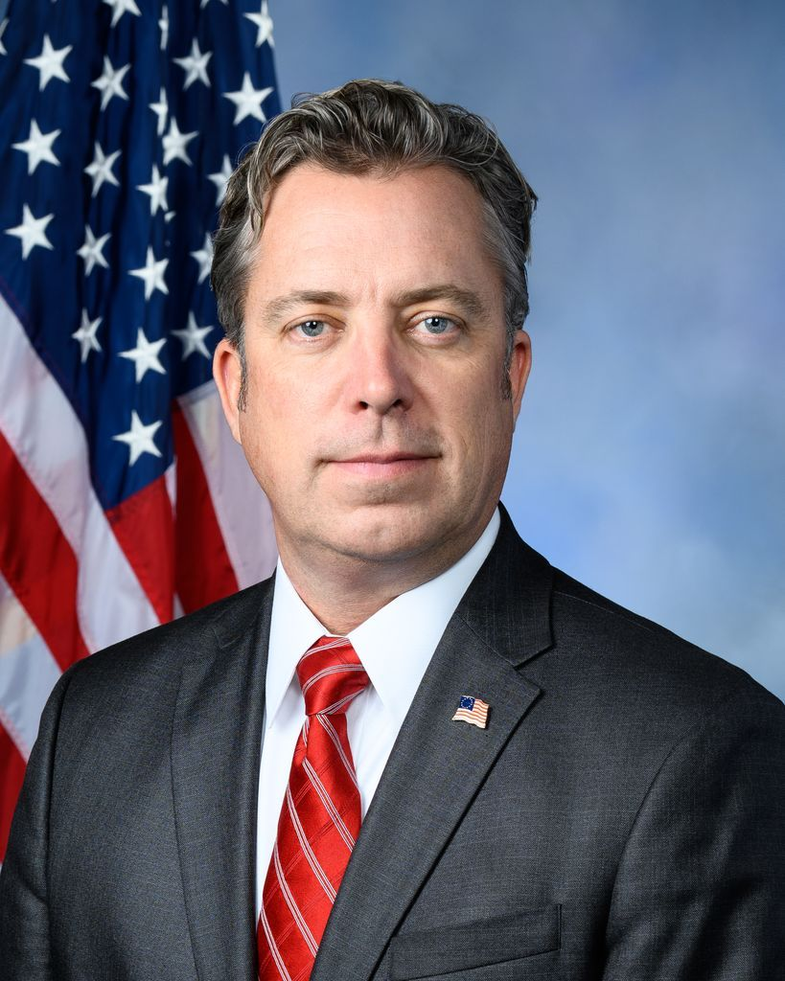
Sponsors
6 bill sponsors
Actions
2 actions
| Date | Action |
|---|---|
| Jan. 16, 2026 | Introduced in House |
| Jan. 16, 2026 | Referred to the House Committee on Financial Services. |
Corporate Lobbying
0 companies lobbying
None found.
* Note that there can be significant delays in lobbying disclosures, and our data may be incomplete.