H.R. 7082: Fostering Learning and Excellence in Charter Schools Act
The "Fostering Learning and Excellence in Charter Schools Act," also known as the "FLEX Act," proposes amendments to the Elementary and Secondary Education Act of 1965 to enhance the flexibility and support for charter schools in the United States. Here is a summary of the main points of the bill:
1. Funding Allotment Changes
The bill aims to modify how federal funds are allocated for charter school programs by:
- Increasing the required portion of funds reserved for specific charter school activities, such as adding or expanding programs at high-quality charter schools.
- Ensuring that at least 30% of funds go to support facilities assistance and national activities related to charter schools.
- Adding language that allows leftover funds after reservations to be used for maintaining or supporting charter schools.
2. Grants to Support High-Quality Charter Schools
The FLEX Act enhances the existing grant structure by:
- Allowing grants specifically for adding or expanding curricular offerings designed to help more students enroll in and benefit from charter schools.
- Providing technical assistance for these expansions.
- Clarifying that single-sex educational services are not prohibited under this part of the law.
3. National Activities and Support for Charter Management Organizations
The bill provides updated guidelines for national activities and grants, stating that:
- A portion of the reserved funds will be used to support state entities in awarding subgrants and sharing best practices among charter schools.
- There will be a focus on increasing access to facilities for charter schools and ensuring more student seats, particularly in areas with recent legislative support for charter schools.
- The impact of charter school programs on student achievement will be evaluated to measure effectiveness.
4. Input from Charter School Operators
It requires that the Secretary of Education consults with charter school operators before issuing new regulations, aiming to ensure that the voices of those directly involved in charter schools are considered in decision-making processes.
5. Paperwork Reduction and Regulation
The bill seeks to decrease bureaucratic burdens by:
- Limiting the amount of non-essential regulations that can be imposed on charter schools and emphasizing necessary regulations for administration.
- Encouraging efficiency in how charter schools report and handle administrative paperwork.
6. Definitions and Applicability
The bill updates definitions related to educational programs to ensure clarity and broad applicability. It specifies that the amendments will apply to grants awarded under related sections starting from the enactment date of the bill, while existing grants may continue under prior regulations for the duration of their periods.
Relevant Companies
- LYFT: The bill may indirectly impact companies involved in providing transportation services, as charter schools will be required to address student transportation needs.
- AAPL: Technology companies like Apple might see increased demand for software and digital resources in classrooms as schools may expand their technological offerings as part of curricular expansions.
This is an AI-generated summary of the bill text. There may be mistakes.
Sponsors
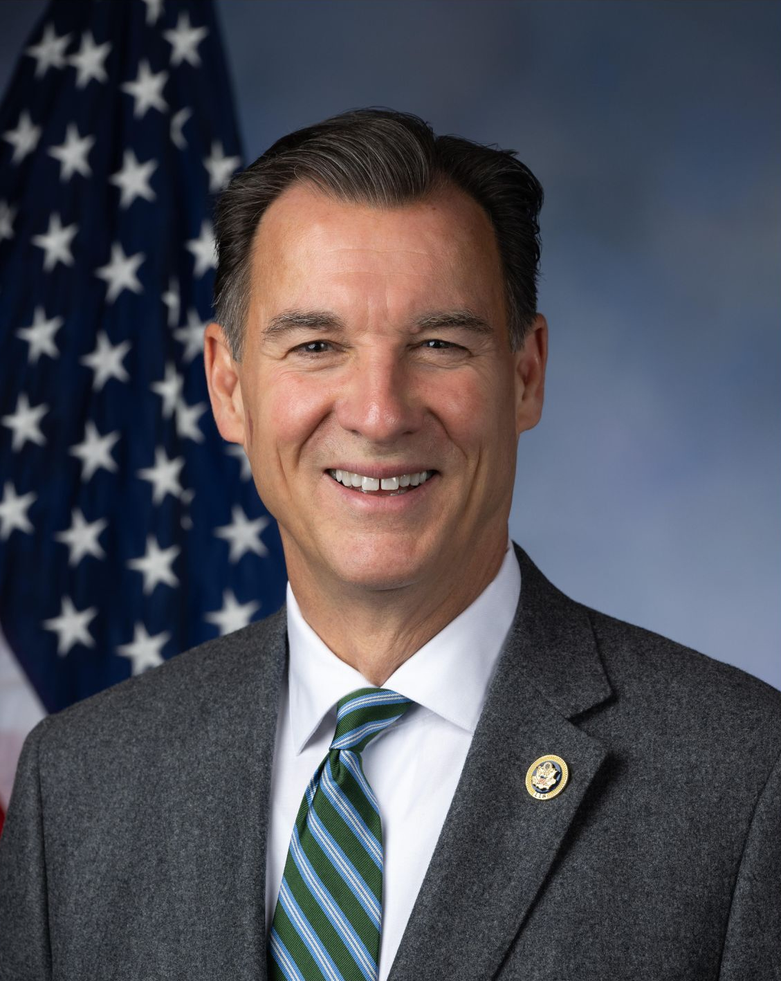
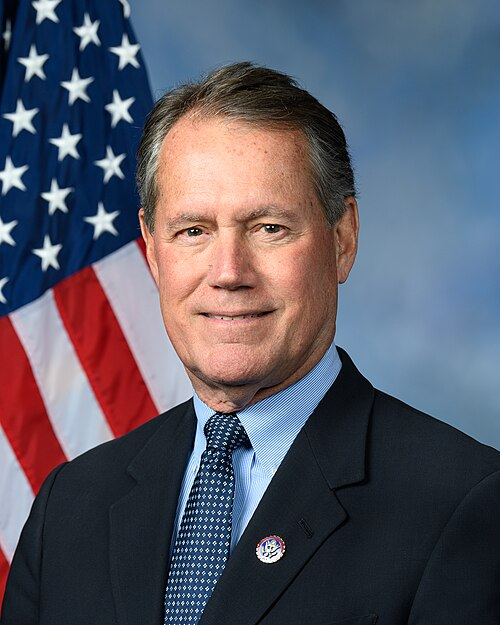
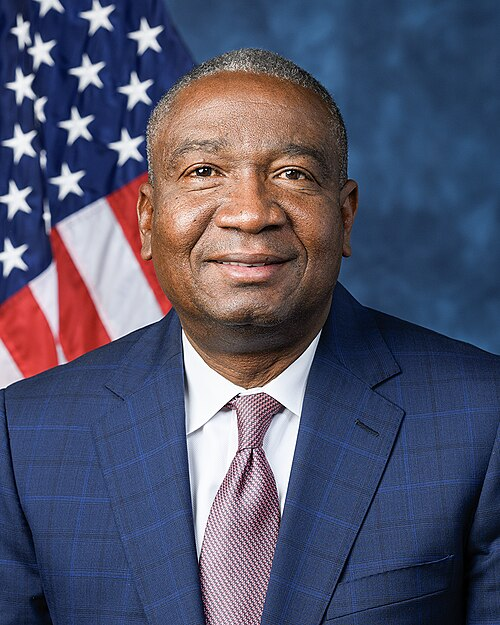
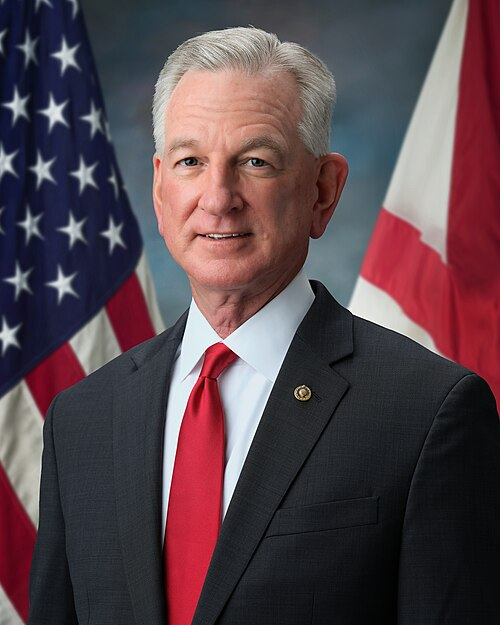
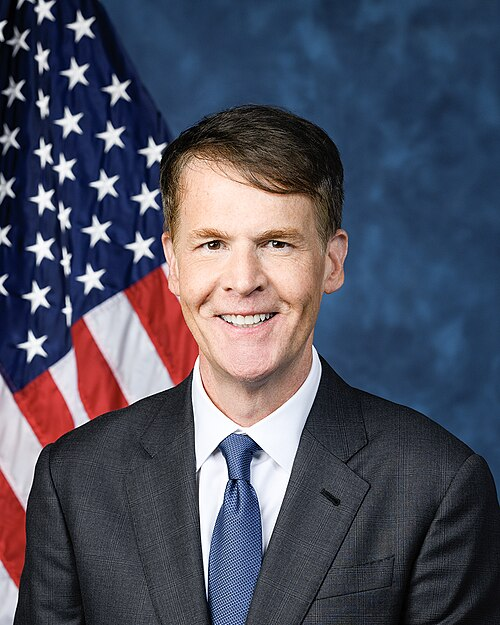
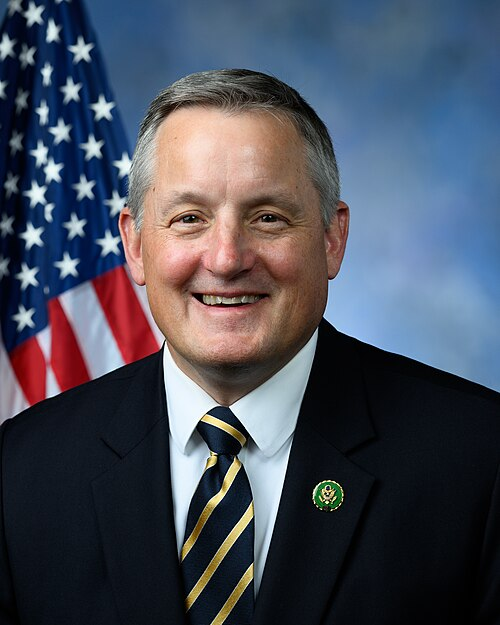
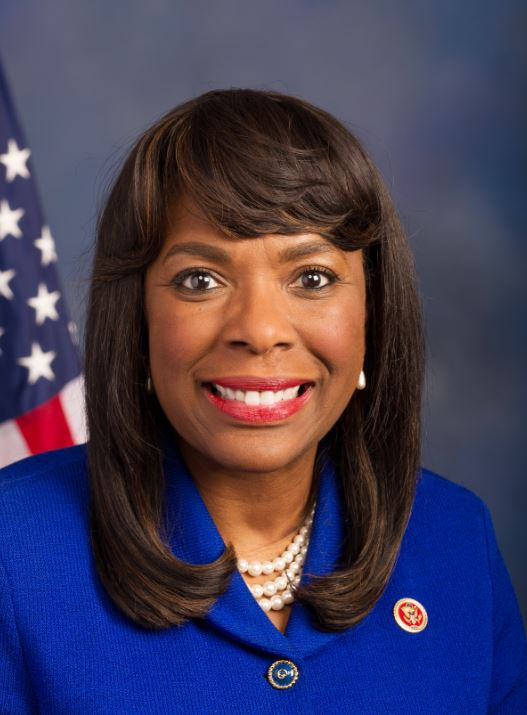
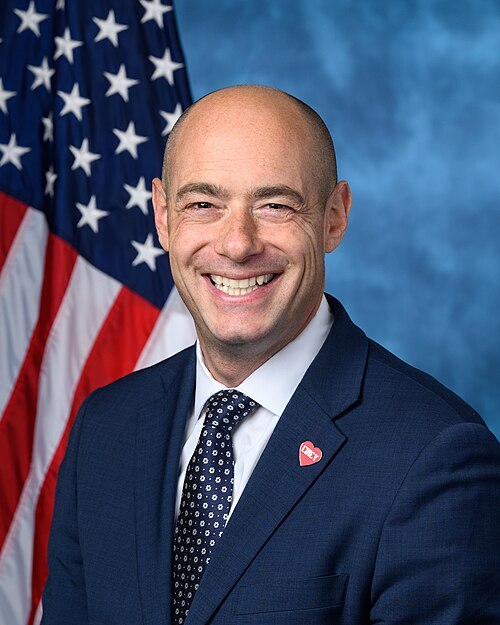
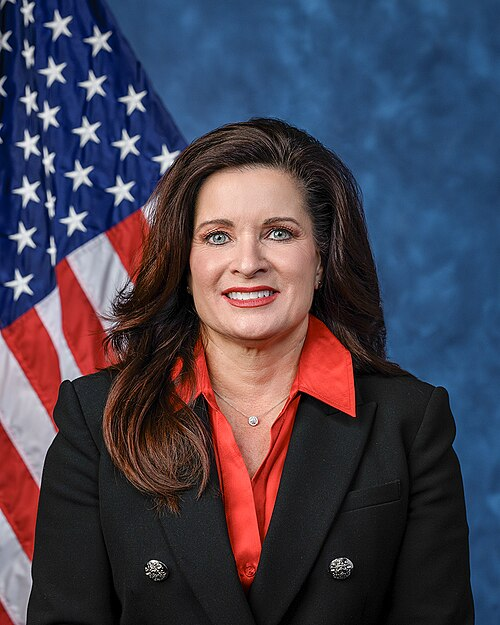
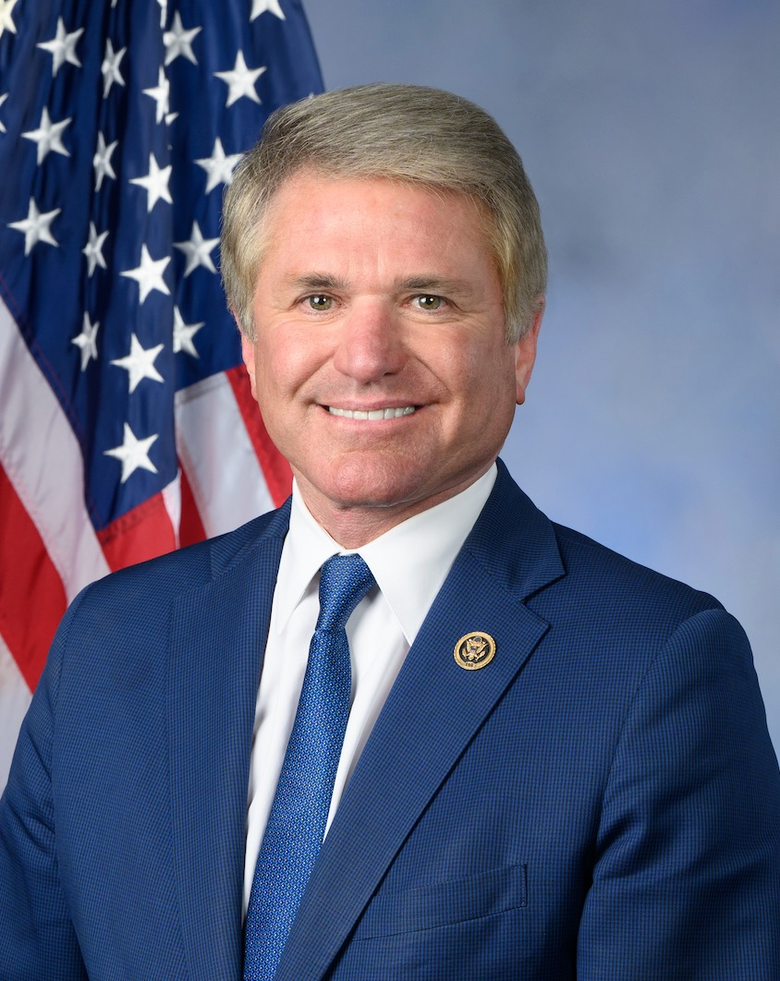
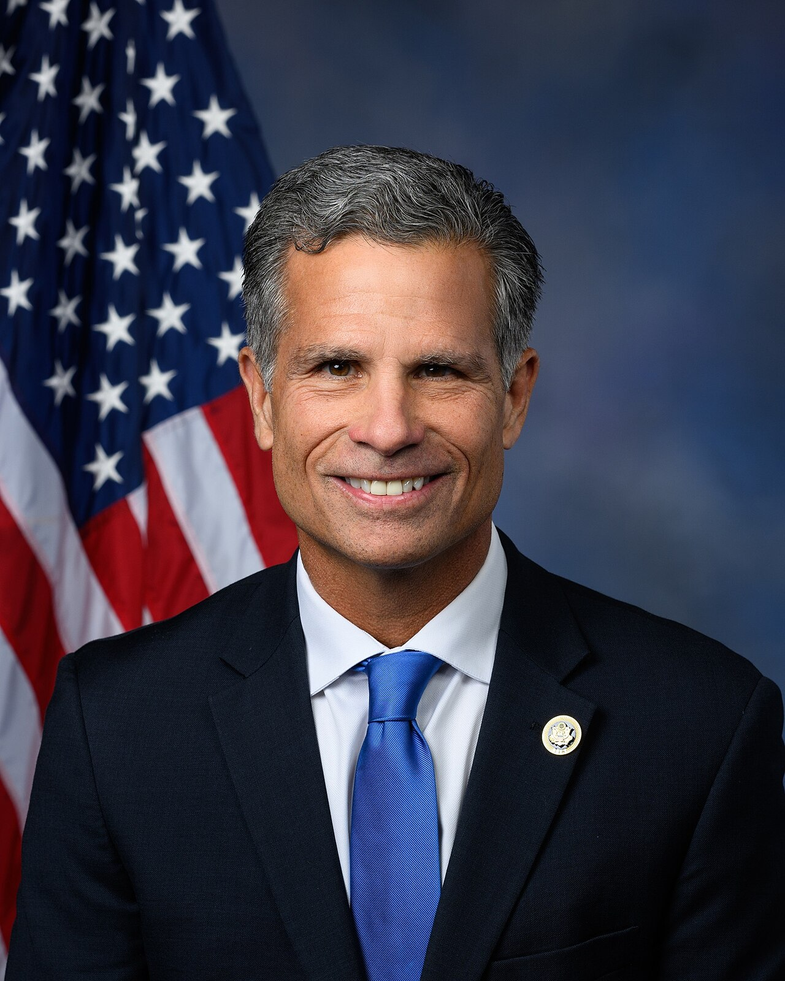
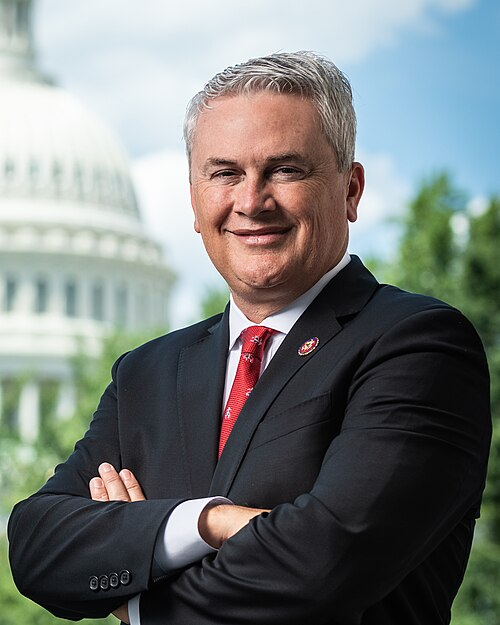
7 bill sponsors





Actions
6 actions
| Date | Action |
|---|---|
| May. 13, 2026 | Placed on the Union Calendar, Calendar No. 566. |
| May. 13, 2026 | Reported (Amended) by the Committee on Education and Workforce. H. Rept. 119-651. |
| Jan. 21, 2026 | Committee Consideration and Mark-up Session Held |
| Jan. 21, 2026 | Ordered to be Reported (Amended) by the Yeas and Nays: 19 - 15. |
| Jan. 15, 2026 | Introduced in House |
| Jan. 15, 2026 | Referred to the House Committee on Education and Workforce. |
Corporate Lobbying
0 companies lobbying
None found.
* Note that there can be significant delays in lobbying disclosures, and our data may be incomplete.