H.R. 7066: Stopping Hikes In Electricity from Large Load Demands Act
The bill known as the "Stopping Hikes In Electricity from Large Load Demands Act," or "SHIELD Act," seeks to amend an existing law called the Public Utility Regulatory Policies Act of 1978 (PURPA) to introduce specific standards regarding large load facilities. Here’s an overview of the key provisions of the bill:
Classification of Large Load Facilities
The bill establishes a classification for large load facilities, which are defined as those with a peak electric demand that exceeds 75 megawatts. These facilities are recognized as a separate category of electric consumers under the law.
Cost Recovery for Utilities
Electric utilities will be allowed to recover all costs associated with upgrades to their systems that are made to accommodate the demand from these large load facilities. This includes enhancements to generation, transmission, or distribution facilities. Importantly, the legislation stipulates that utilities can recover these costs even if a large load facility reduces its operations or its electric energy use is lower than initially forecasted.
Grid Reliability and Request Prioritization
The bill mandates that electric utilities must prioritize electric service requests from large load facilities if the request includes commitments to:
- Implement energy efficiency or conservation measures.
- Use onsite energy storage systems.
- Employ demand response or load flexibility technologies.
- Utilize zero-emission electric energy generated onsite or procured through power purchase agreements.
State Regulatory Authority Requirements
State regulatory authorities and nonregulated utilities must initiate a review of the new standards concerning large load facilities and complete this consideration within two years after the bill’s enactment. Furthermore, they are required to report their findings to congressional committees following their determinations.
Exemptions and Prior Actions
Utilities in states that have already implemented similar standards or initiated discussions regarding them prior to this bill's enactment may not have to comply with the new requirements. This means any previously conducted proceedings related to large load facilities will be taken into account.
Definitions
Several terms are defined clearly within the bill, such as:
- Large load facility: A facility with peak demand over 75 megawatts, excluding those whose increased demand is related to measures for electrification or greenhouse gas reductions.
- Zero-emission electric energy: Electric energy generated without greenhouse gas emissions, including sources such as solar, wind, hydroelectric, and nuclear energy.
Implementation Timeline
The bill includes specific timelines, stating that state authorities must begin the review within a year of the bill becoming law and complete it within two years.
Relevant Companies
- NEE - NextEra Energy: As a major electric utility operating in renewable energy, the amendments could affect how they allocate resources for large load facilities.
- AEP - American Electric Power: This company might see changes in cost recovery processes as a result of the changes to PURPA regarding large load facilities.
- DUK - Duke Energy: Their operations might be influenced by the bill, especially in terms of meeting demands from large load facilities and cost recovery for upgrades.
This is an AI-generated summary of the bill text. There may be mistakes.
Sponsors
14 bill sponsors
-
TrackMike Levin
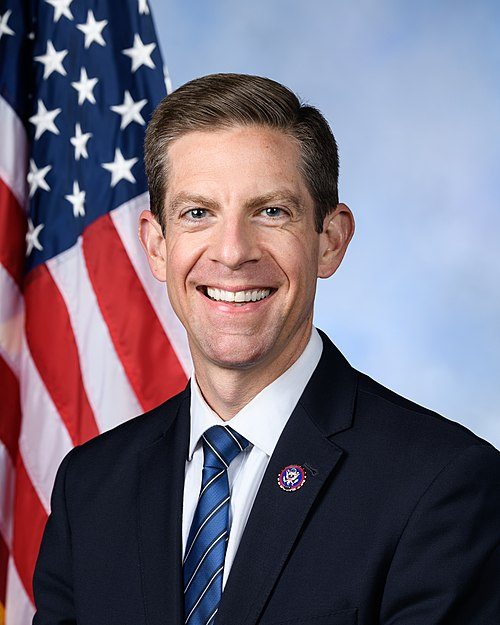
Sponsor
-
TrackSalud O. Carbajal
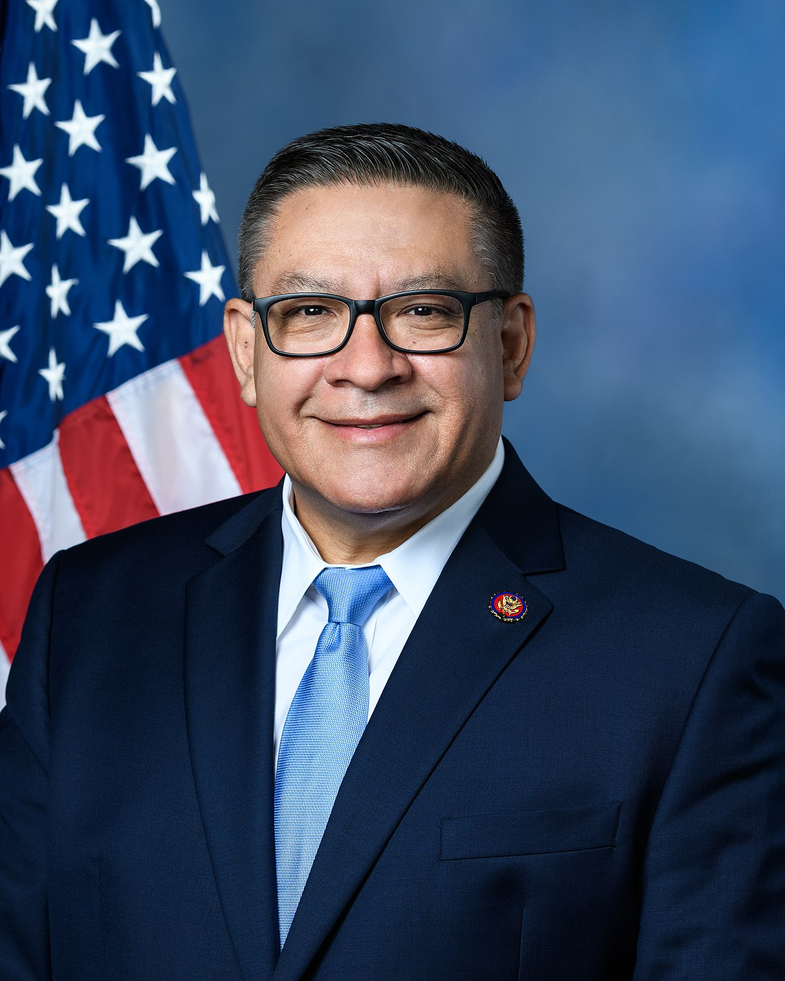
Co-Sponsor
-
TrackSean Casten
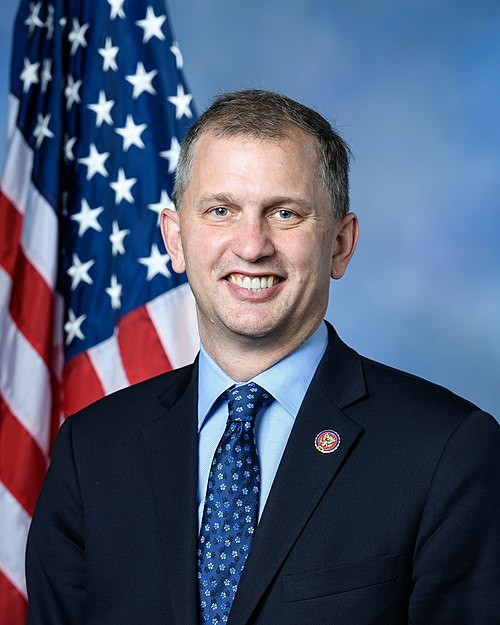
Co-Sponsor
-
TrackKathy Castor
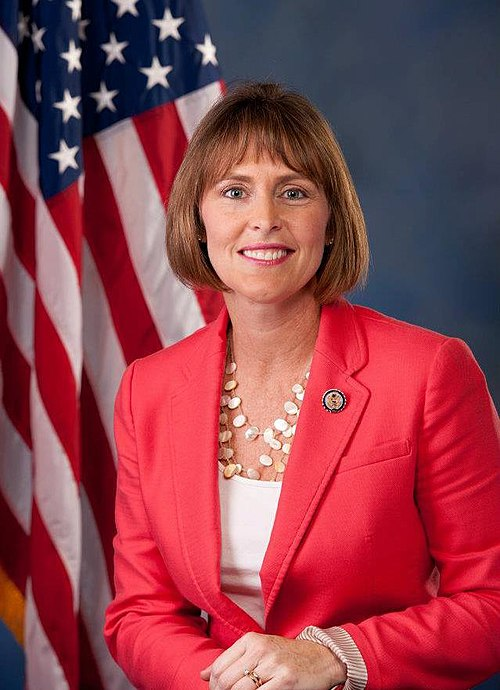
Co-Sponsor
-
TrackDaniel S. Goldman
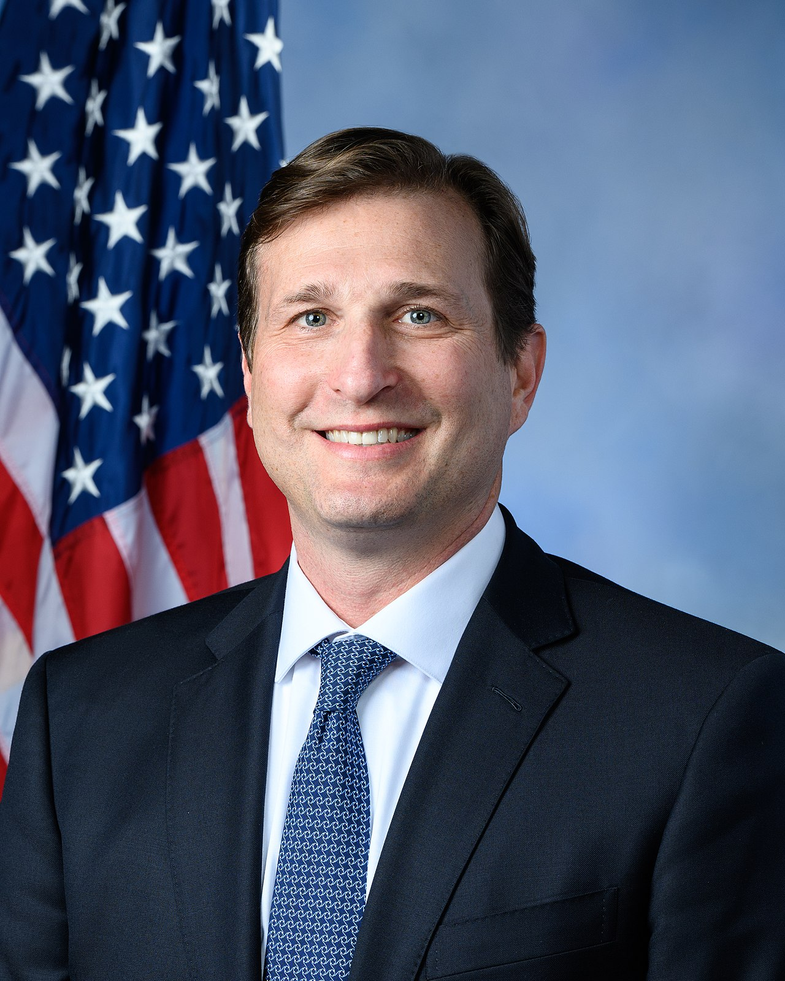
Co-Sponsor
-
TrackChrissy Houlahan
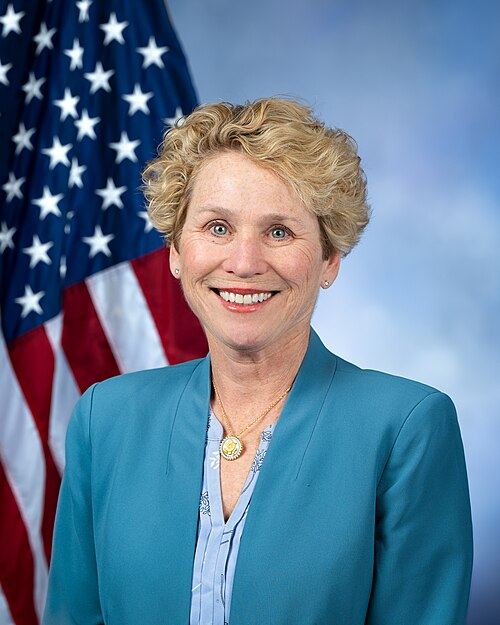
Co-Sponsor
-
TrackGreg Landsman
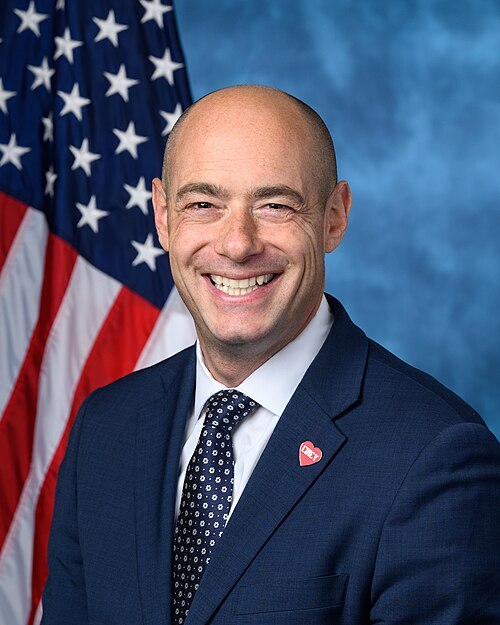
Co-Sponsor
-
TrackGeorge Latimer
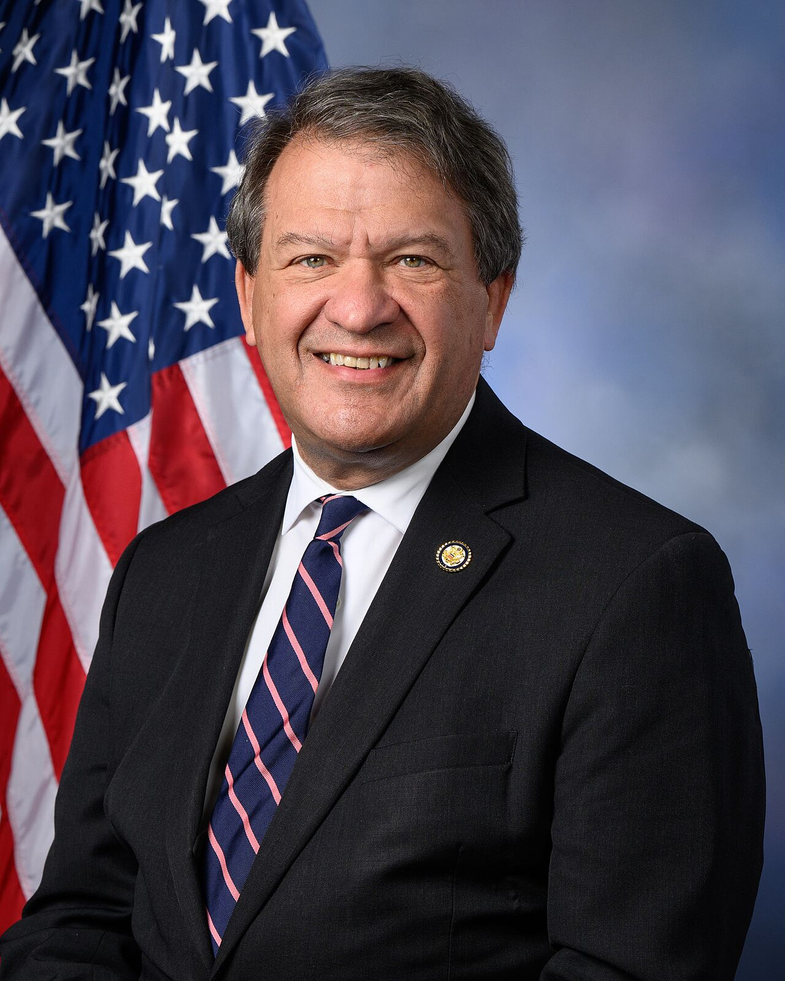
Co-Sponsor
-
TrackTed Lieu
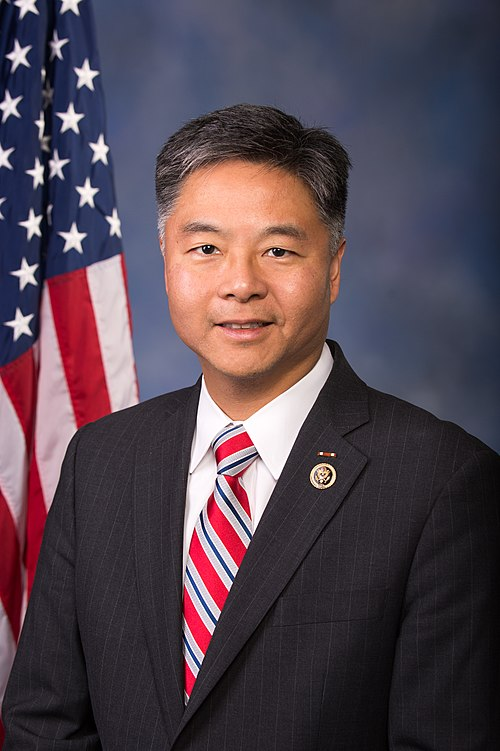
Co-Sponsor
-
TrackSeth Magaziner
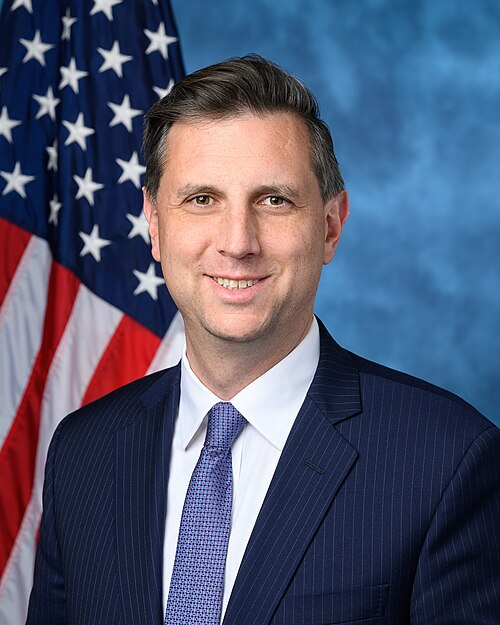
Co-Sponsor
-
TrackKevin Mullin
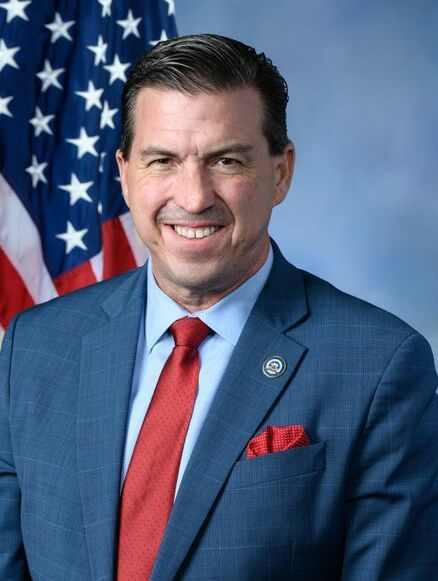
Co-Sponsor
-
TrackChellie Pingree
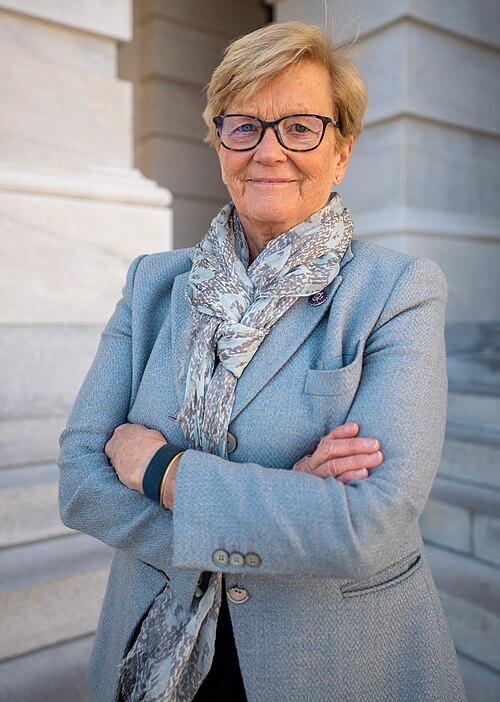
Co-Sponsor
-
TrackMike Quigley
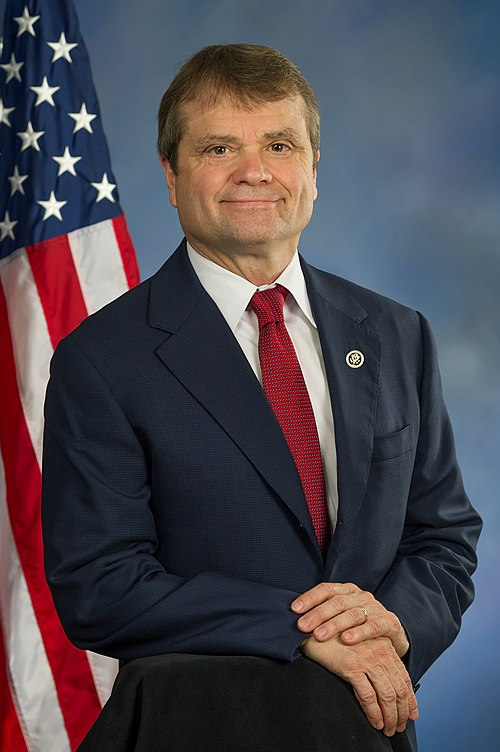
Co-Sponsor
-
TrackEmilia Strong Sykes

Co-Sponsor
Actions
2 actions
| Date | Action |
|---|---|
| Jan. 14, 2026 | Introduced in House |
| Jan. 14, 2026 | Referred to the House Committee on Energy and Commerce. |
Corporate Lobbying
0 companies lobbying
None found.
* Note that there can be significant delays in lobbying disclosures, and our data may be incomplete.