H.R. 7057: Returning Home Act
This bill, known as the Returning Home Act, seeks to enhance the support available for individuals reentering society after incarceration. It primarily establishes a new program called the **Reentry Rental Assistance and Housing Services Grant Program**, which is designed to assist those who have been incarcerated in affording housing and reintegrating into their communities.
Key Provisions of the Bill
1. **Program Establishment**: The bill mandates the Attorney General, in collaboration with the Secretary of Housing and Urban Development, to create the Reentry Rental Assistance and Housing Services Grant Program.
2. **Grant Uses**: The funds from this program can be used for several purposes:
- Providing up to **24 months of rental assistance** to individuals released from incarceration to help cover housing costs.
- Offering a **stipend to family members** of those incarcerated if they reside in the same household.
- Delivering **supportive services** that include:
- Pre-release planning, documentation support, and housing counseling.
- Assistance with securing mental health services, employment services, and educational services.
- Move-in support and help with security deposits and leasing fees.
- Stabilization support for at least 12 months post-placement to help maintain housing.
3. **Funding Allocation**: At least 60% of the grant funds must be allocated to rental assistance, with no more than 15% directed towards financial incentives for landlords to accept renters receiving assistance.
Eligibility and Application Process
To apply for grants under this program, eligible entities such as non-profit organizations and service providers will need to submit applications meeting specific criteria set by the Attorney General. The selection process will prioritize entities that serve populations at higher risk of incarceration or homelessness.
Restrictions and Accessibility Requirements
The bill stipulates that law enforcement entities are prohibited from receiving grants under this program. Additionally, any supportive services funded must be accessible and provided in straightforward, user-friendly language, ensuring that individuals with disabilities can also receive information about the program.
Evaluation and Funding Authorization
The Attorney General must evaluate the program's effectiveness within two years of its implementation, looking at improved outcomes for participants. Furthermore, the bill authorizes **$100 million** annually to support these initiatives.
Implications of the Bill
The bill aims to address the challenges faced by individuals post-incarceration, particularly regarding housing insecurity and the need for support as they reenter the community.
Relevant Companies
None found
This is an AI-generated summary of the bill text. There may be mistakes.
Sponsors
15 bill sponsors
-
TrackNanette Diaz Barragán
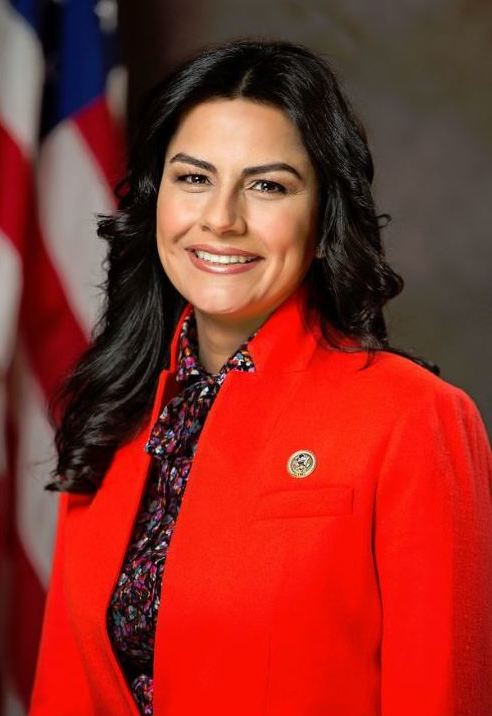
Sponsor
-
TrackSuzanne Bonamici
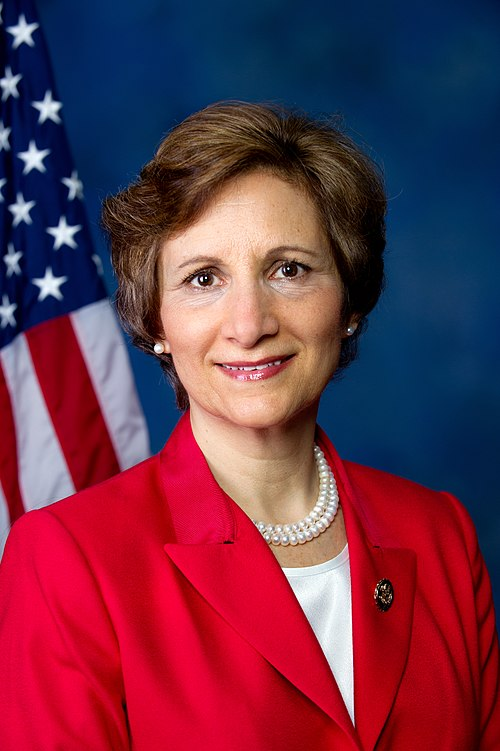
Co-Sponsor
-
TrackDanny K. Davis
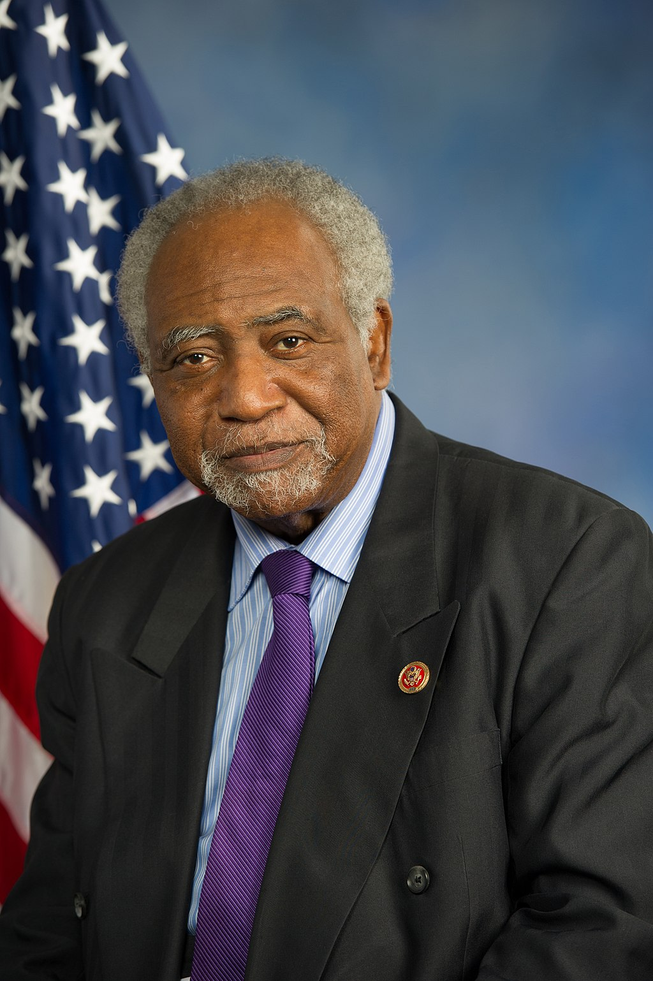
Co-Sponsor
-
TrackAdriano Espaillat
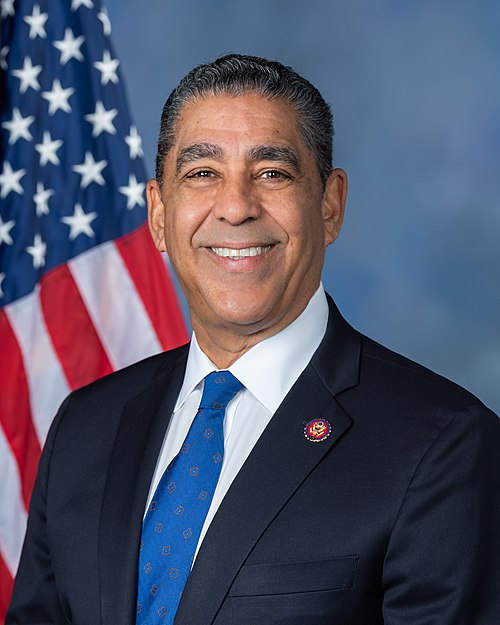
Co-Sponsor
-
TrackDwight Evans
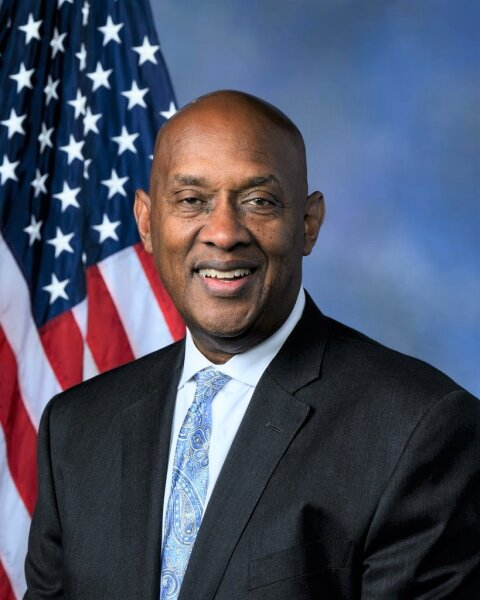
Co-Sponsor
-
TrackJesús G. "Chuy" García
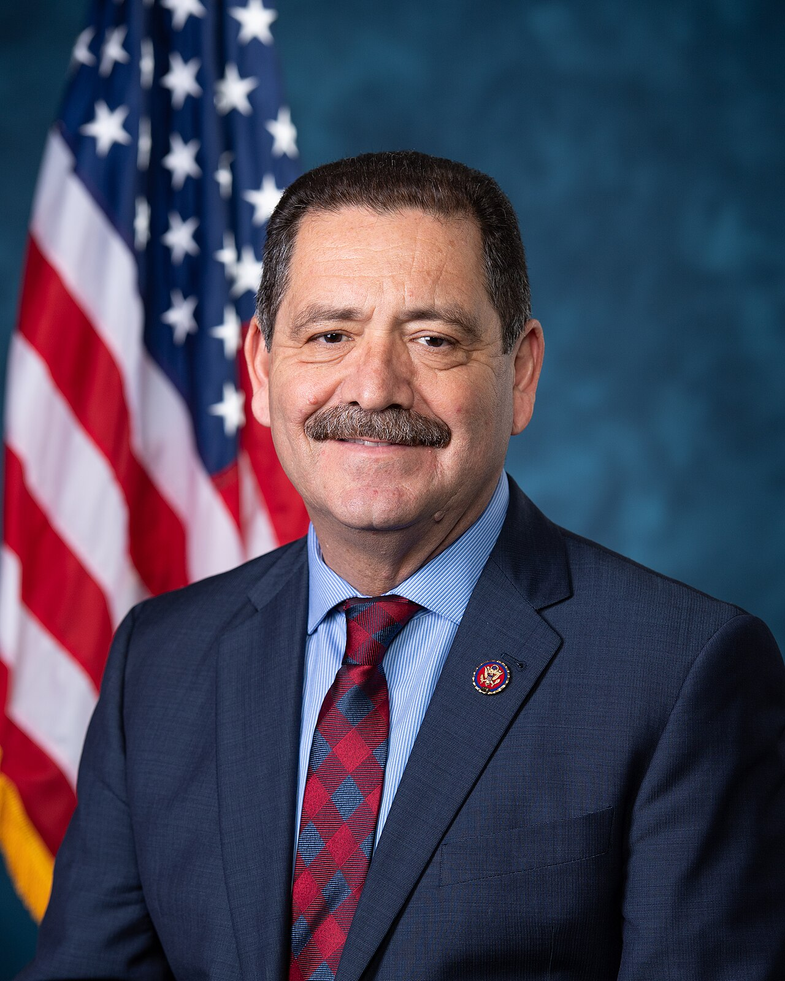
Co-Sponsor
-
TrackDaniel S. Goldman

Co-Sponsor
-
TrackJahana Hayes
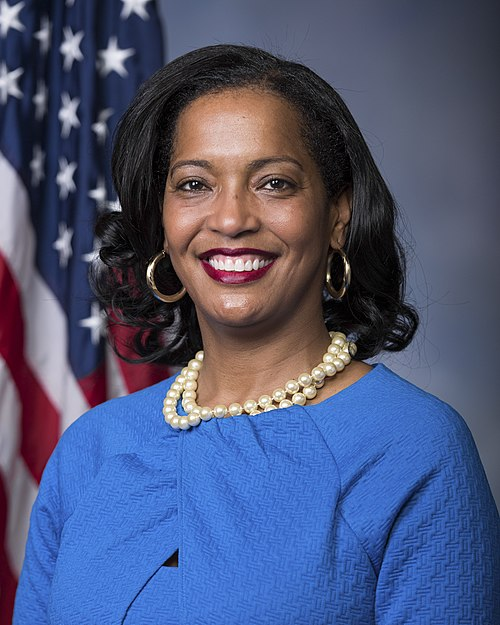
Co-Sponsor
-
TrackRo Khanna

Co-Sponsor
-
TrackJames P. McGovern
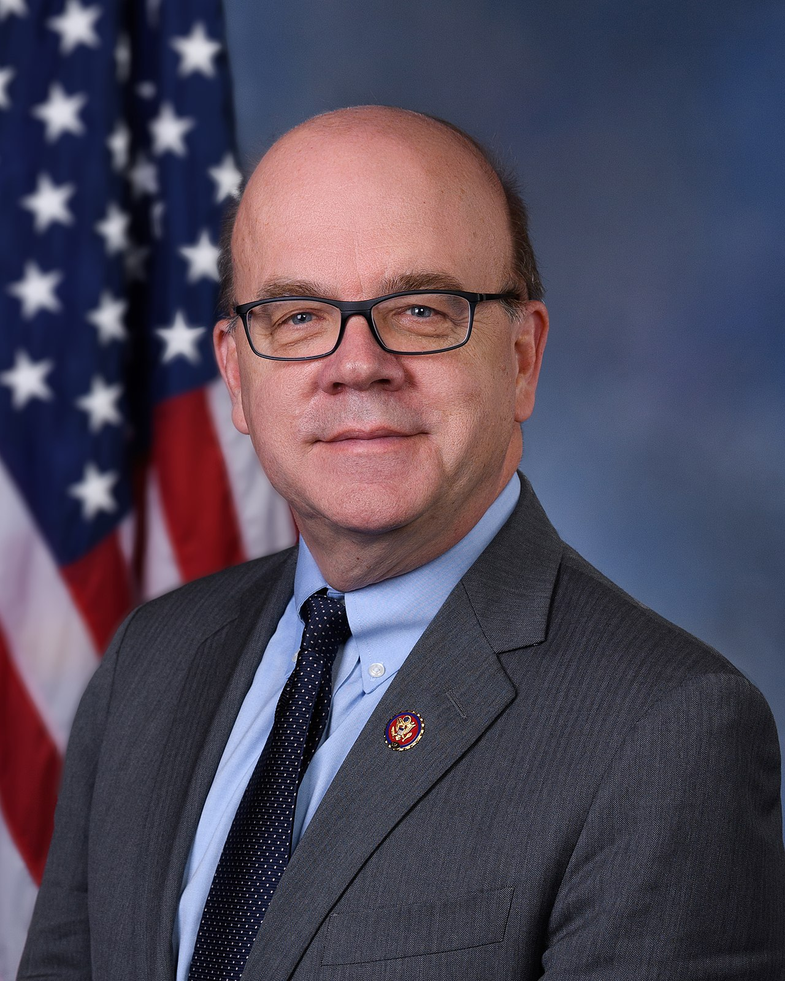
Co-Sponsor
-
TrackEleanor Holmes Norton

Co-Sponsor
-
TrackDelia C. Ramirez
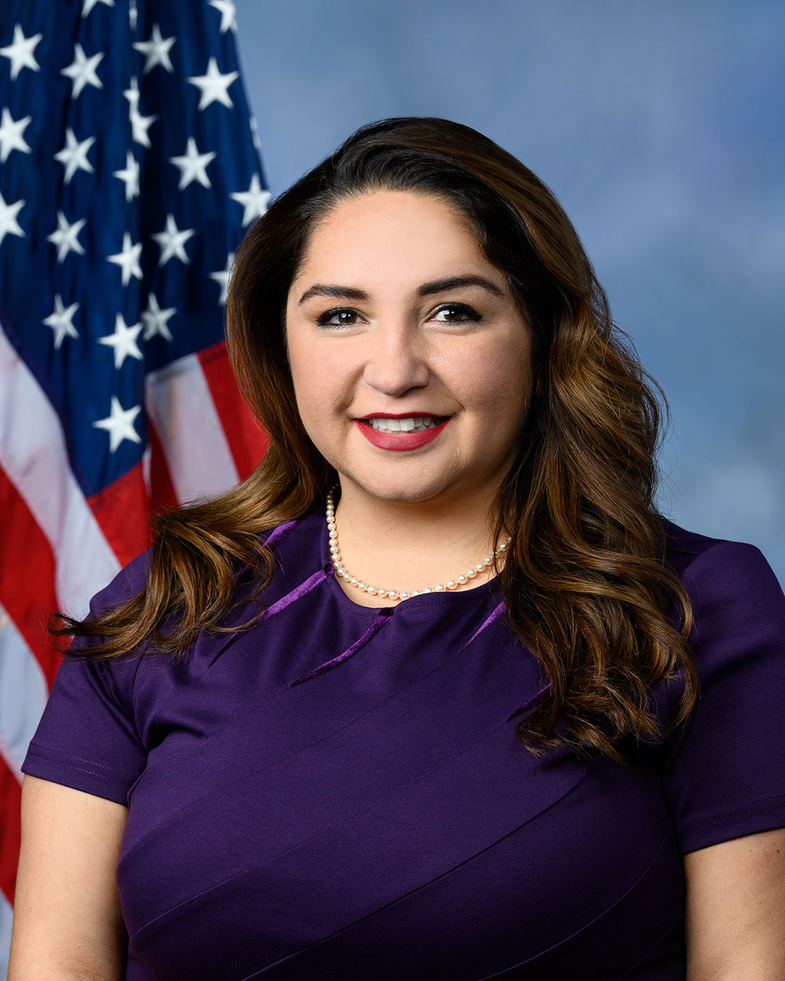
Co-Sponsor
-
TrackLateefah Simon

Co-Sponsor
-
TrackShri Thanedar
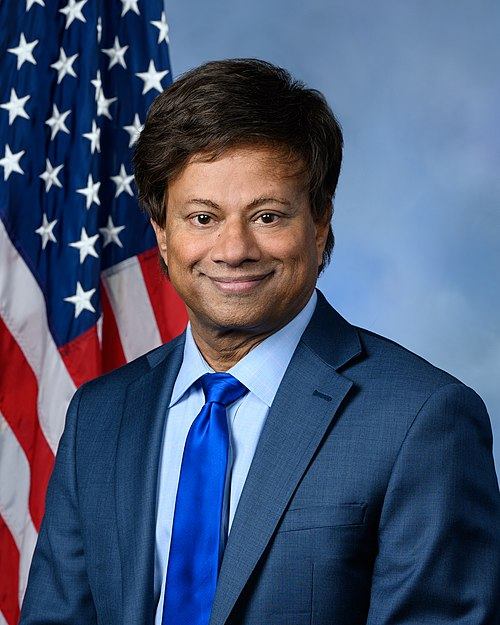
Co-Sponsor
-
TrackBonnie Watson Coleman
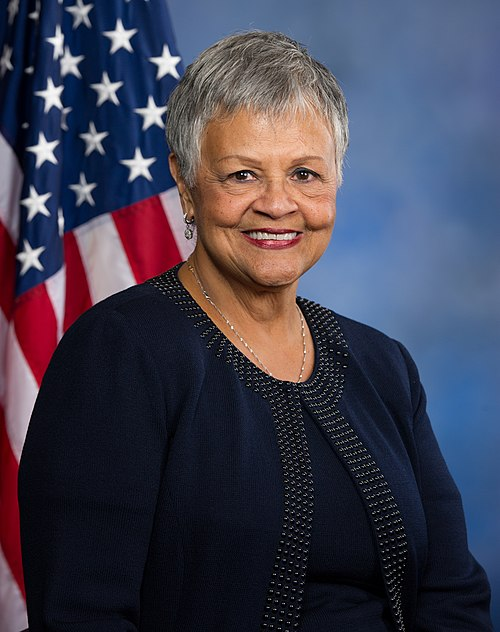
Co-Sponsor
Actions
2 actions
| Date | Action |
|---|---|
| Jan. 14, 2026 | Introduced in House |
| Jan. 14, 2026 | Referred to the Committee on the Judiciary, and in addition to the Committee on Financial Services, for a period to be subsequently determined by the Speaker, in each case for consideration of such provisions as fall within the jurisdiction of the committee concerned. |
Corporate Lobbying
0 companies lobbying
None found.
* Note that there can be significant delays in lobbying disclosures, and our data may be incomplete.
Potentially Relevant Congressional Stock Trades
No relevant congressional stock trades found.